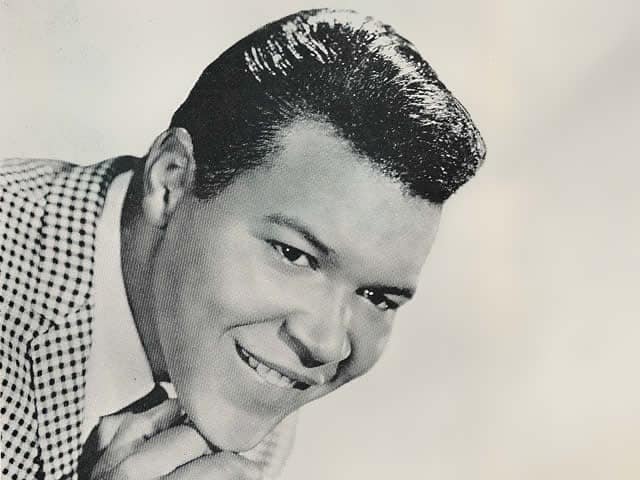
Chubby Checker, born Ernest Evans on October 3, 1941, is an American singer and dancer best known for popularizing the dance style associated with his hit song “The Twist.” He became a prominent figure in the early 1960s during the twist dance craze.
“The Twist” was originally written and recorded by Hank Ballard and the Midnighters in 1959. However, Chubby Checker’s cover of the song in 1960 became a massive hit and is credited with popularizing the dance that accompanied it. The dance involved twisting the hips while dancing, and it quickly became a cultural phenomenon.
Chubby Checker is often referred to as the “King of the Twist” due to the immense success of this dance craze. “The Twist” reached No. 1 on the Billboard Hot 100 chart in both 1960 and 1962, marking the only time the same song has become a No. 1 hit in two different chart years.
Chubby Checker continued to release twist-related songs and other dance hits in the early 1960s, including “Let’s Twist Again,” “Twist It Up,” and “Pony Time.” While he is best known for his contributions to the twist dance craze, Chubby Checker has had a lasting impact on the history of rock and roll and dance music.
1. Dancin’ Party
“Dancin’ Party” is a song by American singer Chubby Checker. Released in 1962, the song was written by Kal Mann and Dave Appell, the same songwriting team behind Checker’s earlier hits like “The Twist” and “Let’s Twist Again.”
“Dancin’ Party” features Checker’s energetic and upbeat delivery, which was characteristic of his dance-oriented songs. The lyrics encourage people to join in and have a good time on the dance floor, capturing the spirit of the early 1960s dance craze.
While “Dancin’ Party” didn’t achieve the same level of success as some of Checker’s earlier hits, it still reached respectable positions on the charts and became a popular dance song during that era. Chubby Checker’s contribution to popularizing dance styles and creating a joyful atmosphere on the dance floor remains an important part of the early rock and roll and pop music landscape.
2. Knock Down The Walls
“Knock Down The Walls” is an energetic and upbeat rock and roll song by Chubby Checker that was released in 1982. The song’s driving rhythm and catchy melody make it a perfect dance anthem that is sure to get people moving. The lyrics encourage listeners to “knock down the walls” and let loose as they dance and enjoy the music. The song’s lively instrumentals and Chubby Checker’s dynamic vocals create a sense of energy and excitement that make it a popular choice for parties and events. “Knock Down The Walls” showcases Chubby Checker’s ability to create fun and upbeat rock and roll songs that continue to entertain and inspire listeners of all ages.
3. Pony Time
“Pony Time” is a song by Chubby Checker that was released in 1961. Chubby Checker is best known for popularizing the dance craze “The Twist,” and “Pony Time” was another one of his hit singles.
The song features a catchy and energetic rhythm, and it became a chart-topping success. “Pony Time” reached No. 1 on the Billboard Hot 100 in the United States, making it one of Chubby Checker’s most successful songs. The term “pony” in the context of the song refers to a dance style, and Checker’s songs often came with dance instructions to accompany the music.
Chubby Checker’s influence on the early 1960s music scene, particularly with dance-oriented songs, contributed significantly to the popularity of dance crazes during that era. “Pony Time” is a testament to his ability to create catchy tunes that not only topped the charts but also got people on their feet dancing.
4. Let’s Twist Again
“Let’s Twist Again” is a song by Chubby Checker, released in 1961. It is a follow-up to his 1960 hit “The Twist” and, like its predecessor, is associated with the popular dance craze of the early 1960s.
Written by Kal Mann and Dave Appell, “Let’s Twist Again” captured the excitement and energy of “The Twist.” The lyrics include references to the dance steps associated with the twist and encouraged people to get up and dance again. Chubby Checker himself became closely associated with the twist dance and continued to release songs that capitalized on its popularity.
“Let’s Twist Again” was a commercial success, reaching No. 8 on the Billboard Hot 100 chart. The song’s catchy and upbeat nature, coupled with Checker’s dynamic delivery, contributed to its popularity at dance events and helped maintain the momentum of the twist craze.
Chubby Checker’s impact on popularizing dance-oriented songs during this period, including “Let’s Twist Again,” played a significant role in the early 1960s music scene.
5. The Twist
“The Twist” is a song and dance phenomenon that became a massive hit in the early 1960s, and it is closely associated with American singer Chubby Checker. The song was originally written and recorded by Hank Ballard and the Midnighters in 1959, but it was Chubby Checker’s cover version that catapulted “The Twist” to international fame.
Chubby Checker’s version of “The Twist” was released in 1960 and quickly rose to the top of the charts. The song features a simple, catchy melody with lyrics describing a dance that involves twisting the hips. The accompanying dance became a cultural sensation, and “The Twist” craze took the world by storm.
The dance is characterized by a swiveling hip motion while standing in place, and it quickly became a social dance staple. The beauty of “The Twist” was its simplicity, making it accessible to people of all ages. Checker’s energetic performances and the infectious nature of the dance contributed to the song’s widespread popularity.
“The Twist” reached No. 1 on the Billboard Hot 100 in 1960 and again in 1962, making it the only song to hit No. 1 in two separate chart runs. It remains one of the most iconic songs of the early 1960s and a symbol of the twist dance craze that swept the nation. Chubby Checker’s influence on popularizing dance styles during this era has left an indelible mark on the history of rock and roll.
6. Limbo Rock
“Limbo Rock” is a song that gained popularity in the early 1960s and became a significant hit for Chubby Checker. Released in 1962, the song is closely associated with the limbo dance, a Caribbean dance form where participants lean backward and pass under a horizontal bar without touching it.
Chubby Checker, known for popularizing dance crazes such as “The Twist,” capitalized on the limbo dance trend with “Limbo Rock.” The song was written by Jon Sheldon and Billy Strange. In the lyrics, Checker encourages listeners to “How low can you go?” referring to the limbo dance’s challenge of seeing how low one can bend backward.
“Limbo Rock” became a commercial success and reached No. 2 on the Billboard Hot 100 chart. The energetic and playful nature of the song, combined with Checker’s dynamic performance, made it a favorite at parties and dance events.
Chubby Checker’s ability to create music that not only entertained but also inspired specific dance styles contributed to his lasting impact on the early 1960s music and dance scene. “Limbo Rock” remains one of his signature hits.
7. The Fly
“The Fly” is a song by Irish rock band U2, released as the lead single from their 1991 album “Achtung Baby.” Written by the band members, the song marked a departure from U2’s earlier sound, incorporating industrial and electronic elements, and reflecting the band’s experimentation during the recording sessions in Berlin.
“The Fly” features a distorted guitar riff by The Edge, a danceable beat, and Bono’s distinctive vocals. Lyrically, the song is characterized by its abstract and fragmented phrases, addressing themes of excess, media saturation, and the impact of technology on society.
The character of “The Fly” became a persona for Bono during the “Zoo TV Tour,” with Bono adopting a charismatic, ironic, and flamboyant stage presence. The song’s music video, directed by Ritchie Smyth, featured imagery inspired by the works of Leni Riefenstahl and other avant-garde artists.
Upon its release, “The Fly” received critical acclaim and became a commercial success. It reached the top of the charts in several countries. The song’s innovative sound and the broader transformation of U2’s musical style during the “Achtung Baby” era played a significant role in the band’s evolution and continued success in the 1990s.
8. Slow Twistin’
“Slow Twistin'” is a song by Chubby Checker and Dee Dee Sharp, released in 1962. The song is a duet that capitalizes on the popularity of the twist dance craze, which Chubby Checker had helped popularize with hits like “The Twist.”
In “Slow Twistin’,” Chubby Checker and Dee Dee Sharp encourage dancers to take a slower approach to the twist dance, infusing a more romantic and rhythmic feel into the popular dance style. The song features the signature upbeat and energetic sound associated with Chubby Checker’s twist-related songs.
While “Slow Twistin'” didn’t achieve the same level of success as some of Checker’s earlier twist hits, it still entered the charts and became a favorite among fans of dance-oriented music. Chubby Checker’s contributions to the early 1960s dance craze left an indelible mark on popular culture, and his twist-related songs remain synonymous with the energetic and carefree spirit of that era.
9. Birdland
“Birdland” is a jazz composition by keyboardist Joe Zawinul, originally recorded by the band Weather Report. Weather Report was a highly influential jazz fusion group co-founded by Zawinul and saxophonist Wayne Shorter. The band’s version of “Birdland” was released on their 1977 album “Heavy Weather.”
“Birdland” is known for its innovative fusion of jazz, rock, and electronic elements. The track is named after the famous jazz club Birdland in New York City, which itself was named after the legendary jazz saxophonist Charlie “Bird” Parker. The song features Zawinul’s synthesizer work, Shorter’s saxophone, and a distinctive bassline played by Jaco Pastorius.
The composition became one of Weather Report’s most recognizable and successful pieces. It earned critical acclaim and commercial success, receiving a Grammy Award for Best Jazz Fusion Performance. The energetic and vibrant nature of “Birdland” has made it a jazz standard, and it has been covered and interpreted by various artists in different genres over the years.
“Birdland” not only showcases the technical virtuosity of the musicians involved but also represents a fusion of diverse musical influences, contributing to its enduring popularity and influence in the world of jazz and beyond.
10. The Hucklebuck
“The Hucklebuck” is a jazz and R&B dance song that became popular in the mid-20th century. The song’s origins trace back to Paul Williams, who wrote the lyrics and music for “The Hucklebuck” in 1949. The song gained widespread recognition through various recordings and covers, becoming a dance sensation in the 1950s.
One of the earliest and most successful recordings of “The Hucklebuck” was by musician and bandleader Paul Williams and His Hucklebuckers in 1949. The song’s lyrics describe a dance that accompanied the music, instructing dancers on how to perform the steps of the Hucklebuck.
“The Hucklebuck” soon became a popular dance craze, and various artists recorded their versions of the song. In 1952, saxophonist and bandleader Frank Sinatra Jr. released a successful rendition that contributed to the song’s continued popularity.
The dance associated with “The Hucklebuck” involves energetic and rhythmic movements, and it became a favorite at dance halls and parties during the 1950s. The song’s catchy melody and danceable rhythm ensured its lasting impact on the cultural landscape of the time.

Edward Tomlin is a frequent contributor to Singers Room. Since 2005, Singersroom has been the voice of R&B around the world. Connect with us via social media below.









