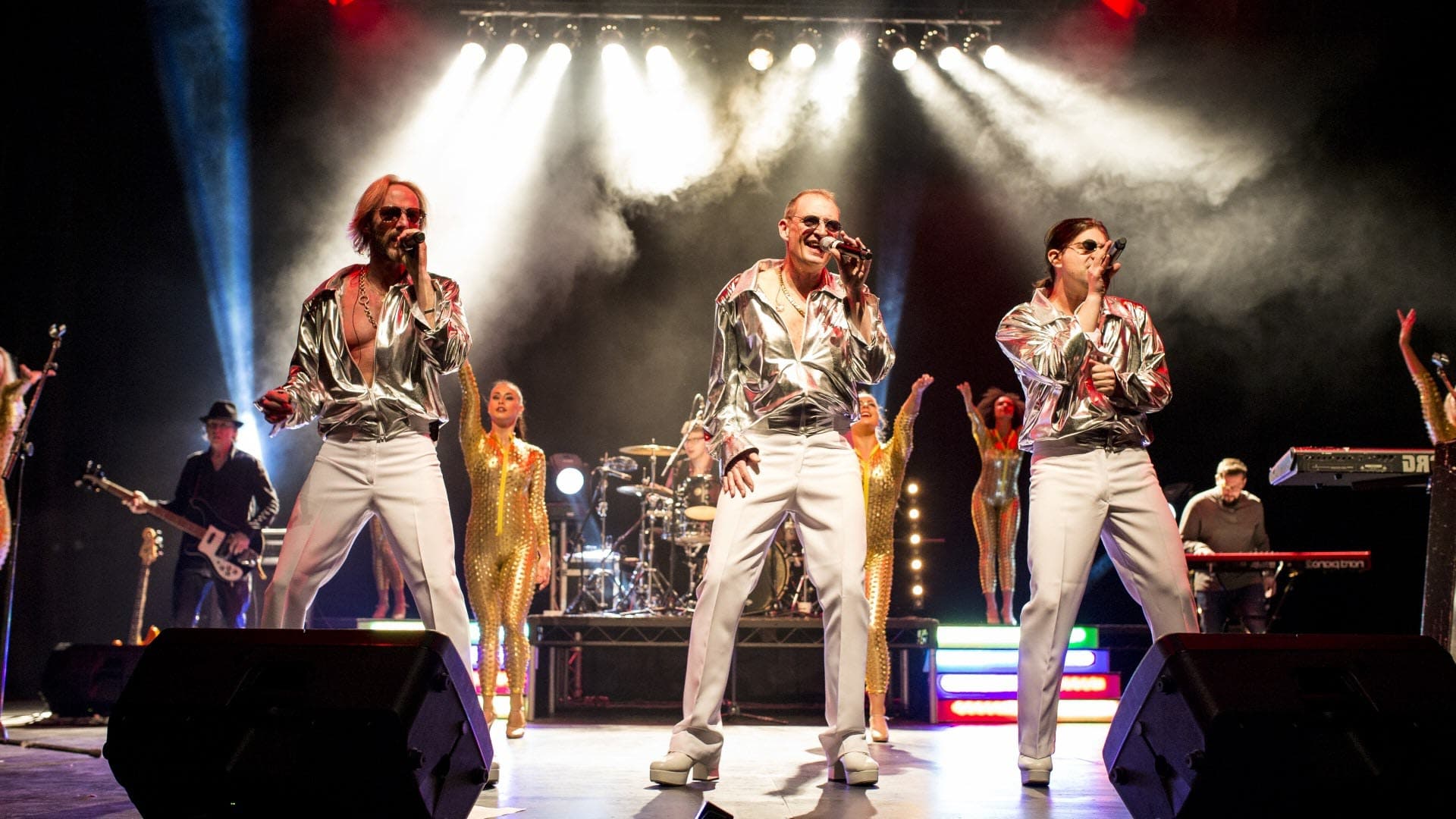
The Bee Gees, a legendary trio of brothers hailing from Redcliffe, Australia, have left an indelible mark on the landscape of popular music. With their distinctive falsetto harmonies, infectious melodies, and genre-defying creativity, the Bee Gees carved out a unique niche that spanned decades. As we embark on a musical journey through their illustrious career, we find ourselves faced with the delightful challenge of selecting the “10 Best The Bee Gees Songs of All Time.” From the early days of their career, marked by infectious pop tunes, to the disco era where they became synonymous with Saturday Night Fever, the Bee Gees’ discography is a treasure trove of timeless classics. This article aims to celebrate and explore the essence of their musical genius by delving into the intricacies of each chosen masterpiece. Whether you’re a die-hard fan or a newcomer eager to discover the magic of the Bee Gees, join us as we count down the top 10 songs that have defined and immortalized the brilliance of these iconic brothers. Get ready to revisit the soundtrack of our lives and rediscover why the Bee Gees remain a musical force to be reckoned with.
1. Stayin’ Alive
“Stayin’ Alive” stands as one of the quintessential Bee Gees songs, solidifying the iconic sound that defined the disco era. Released in 1977 as part of the soundtrack for the film “Saturday Night Fever,” the song became an instant sensation and played a pivotal role in catapulting the Bee Gees to the forefront of the music scene. The unmistakable falsetto vocals of Barry Gibb, coupled with the infectious beat and memorable lyrics, make “Stayin’ Alive” an enduring anthem that transcends generations. The song’s pulsating rhythm and catchy melody not only dominated the charts but also became synonymous with the disco movement, leaving an indelible mark on popular culture.
Beyond its association with the disco era, “Stayin’ Alive” has endured as a symbol of resilience and survival. The lyrics convey a sense of determination and optimism, making it a timeless anthem for overcoming challenges. The iconic dance sequence featuring John Travolta strutting down the streets of Brooklyn in “Saturday Night Fever” further ingrained the song into popular consciousness. Today, “Stayin’ Alive” remains a classic that continues to resonate with audiences worldwide, capturing the essence of an era while embodying the universal theme of perseverance in the face of adversity.
2. How Deep Is Your Love
“How Deep Is Your Love” represents a pinnacle in the Bee Gees’ discography, showcasing their exceptional songwriting prowess and harmonious vocal delivery. Released in 1977 as part of the “Saturday Night Fever” soundtrack, the song transcends the disco genre, delving into the realms of timeless love ballads. The emotionally charged lyrics, sung with heartfelt sincerity by the Gibb brothers, explore the depth and intensity of romantic feelings. The lush orchestration and smooth melodies create an atmosphere of romance and longing, making it a classic that resonates across generations.
The song’s success extends beyond its initial release, as “How Deep Is Your Love” continues to be celebrated for its enduring appeal and has been covered by numerous artists over the years. Its inclusion in the soundtrack of the iconic film “Saturday Night Fever” further solidified its cultural impact. With its universal themes of love and connection, the song remains a testament to the Bee Gees’ ability to craft emotionally resonant music that stands the test of time. “How Deep Is Your Love” not only defines a chapter in the Bee Gees’ career but also stands as a testament to the enduring power of a beautifully crafted love ballad.
3. Night Fever
“Night Fever” stands out as a disco anthem that epitomizes the Bee Gees’ influence during the late ’70s. Released as part of the “Saturday Night Fever” soundtrack in 1977, the song became a chart-topping sensation and played a pivotal role in defining the disco era. Its infectious beat, pulsating rhythm, and the distinctive falsetto vocals of Barry Gibb combine to create a dancefloor classic that remains an integral part of the Bee Gees’ legacy. “Night Fever” not only dominated the charts but also played a key role in popularizing disco as a global phenomenon.
The song’s contribution to the cultural landscape extends beyond its chart success. The dance culture depicted in the iconic film “Saturday Night Fever,” featuring John Travolta’s electrifying dance moves to the tune of “Night Fever,” added to the song’s lasting impact. The lyrics capture the vibrant nightlife scene and the electrifying energy of dancing through the night, making it a quintessential representation of the disco lifestyle. Even decades after its release, “Night Fever” continues to be celebrated as a symbol of the disco era and remains a timeless anthem that evokes the spirit of an era marked by glittering disco balls and unforgettable dance moves.
4. More Than a Woman
“More Than a Woman” is a captivating love ballad that showcases the Bee Gees’ ability to transcend the disco genre and delve into the realm of heartfelt, romantic melodies. Featured in the soundtrack of the 1977 film “Saturday Night Fever,” the song is a testament to the brothers’ versatility as songwriters and performers. With Barry Gibb’s soulful vocals leading the way, the track stands out for its emotional depth and evocative lyrics, exploring the complexities of love and devotion.
Released alongside other disco hits from the Bee Gees, “More Than a Woman” offers a softer, more introspective side to the band’s repertoire. The song’s enduring appeal lies in its universal themes of love and commitment, making it a timeless classic that resonates with listeners across generations. The Bee Gees’ harmonies and the song’s graceful arrangement contribute to its status as a memorable and enduring piece of music. Whether as part of the “Saturday Night Fever” soundtrack or in its standalone version, “More Than a Woman” remains a poignant expression of the profound emotions associated with romantic relationships, showcasing the Bee Gees’ ability to create music that goes beyond the trends of its time.
5. Tragedy
“Tragedy” is a disco-infused anthem that epitomizes the Bee Gees’ ability to craft energetic, dancefloor-filling hits. Released in 1979, during the later stages of the disco era, the song showcases the Bee Gees’ continued evolution and adaptability within the ever-changing landscape of popular music. With its pulsating rhythm, soaring vocals, and catchy hooks, “Tragedy” became an instant hit and a staple in the late ’70s disco scene.
One of the distinctive features of “Tragedy” is its fusion of disco with a rock edge, incorporating elements of both genres seamlessly. The powerful falsetto vocals of the Gibb brothers, particularly Barry Gibb, contribute to the song’s infectious energy. The lyrics, while capturing a sense of heartbreak and loss, are delivered with an upbeat tempo that invites listeners to the dancefloor. The accompanying theatrical and dramatic music video further added to the song’s visual and musical impact.
Decades after its release, “Tragedy” remains a classic that transcends the disco era, continuing to be a popular choice at parties and events. Its enduring popularity is a testament to the Bee Gees’ ability to create music that not only defines an era but also maintains a timeless quality that resonates with audiences across different generations.
6. Jive Talkin’
“Jive Talkin'” stands as a pivotal moment in the Bee Gees’ career, marking their transition from the melodic pop of the 1960s to the disco sound that would define the late ’70s. Released in 1975, the song is characterized by its distinctive funky rhythm, driven by the prominent use of Barry Gibb’s falsetto vocals and the pulsating beat. The title itself, “Jive Talkin’,” reflects the hip and rhythmic nature of the song, encapsulating the slang and energy of the era.
The track’s success not only signaled a shift in the Bee Gees’ musical direction but also contributed significantly to the emergence of disco as a dominant genre. “Jive Talkin'” showcased the group’s versatility, blending elements of R&B, funk, and pop to create a sound that resonated with a broad audience. The rhythmic guitar work, particularly the iconic guitar riff played by Barry Gibb, added a rock edge to the disco beat, making the song a crossover hit.
“Jive Talkin'” remains a classic representation of the Bee Gees’ ability to adapt to changing musical landscapes, foreshadowing their later success in the disco era. The song’s infectious groove and memorable melody have secured its place in music history, and its influence continues to be felt across various genres to this day.
7. You Should Be Dancing
“You Should Be Dancing” stands out as an electrifying disco anthem that perfectly encapsulates the Bee Gees’ impact on the dance music scene of the late 1970s. Released in 1976 as part of the “Children of the World” album, the song’s infectious energy and upbeat tempo quickly propelled it to the top of the charts. With its funky rhythm, vibrant horns, and Barry Gibb’s signature falsetto vocals, the track embodies the essence of the disco era and remains a timeless representation of the genre.
The dancefloor prowess of “You Should Be Dancing” was further solidified by its inclusion in the “Saturday Night Fever” soundtrack, contributing to the film’s immense success and cultural influence. The song’s lyrics encourage revelry and celebration, perfectly aligning with the discotheque culture of the time. The irresistible groove and dynamic instrumentation make it a staple at parties and events, ensuring its enduring popularity.
Beyond its role in the disco movement, “You Should Be Dancing” showcases the Bee Gees’ ability to evolve their sound and stay relevant. The song’s impact extended far beyond the late ’70s, influencing subsequent generations of musicians and cementing the Bee Gees’ legacy as pioneers of the disco genre.
8. Massachusetts
“Massachusetts” is a timeless ballad that marked a significant departure from the Bee Gees’ more recent disco-infused hits, showcasing their versatility as songwriters and performers. Released in 1967, the song served as a departure from the psychedelic pop prevalent at the time, presenting a return to a more acoustic and folk-influenced sound for the group. The melancholic melody, coupled with the poignant lyrics, captures a sense of nostalgia and homesickness, creating an emotional resonance that resonated with audiences.
The song’s title refers to the U.S. state of Massachusetts, but its themes are universal, reflecting on the bittersweet experience of longing for a place or a person. The close harmonies of the Gibb brothers, particularly Barry Gibb’s lead vocals, lend the song a haunting quality that distinguishes it from the Bee Gees’ later, more disco-oriented work. “Massachusetts” not only marked a successful return to the top of the charts for the Bee Gees but also established them as adept songwriters capable of crafting emotionally rich and diverse material.
Decades after its release, “Massachusetts” remains a classic in the Bee Gees’ catalog, demonstrating their ability to transcend musical trends and create enduring, heartfelt music. The song’s enduring popularity is a testament to the universal themes of love and yearning, capturing a moment in the Bee Gees’ career that showcased their depth and range as musicians.
9. Too Much Heaven
“Too Much Heaven” is a heartfelt ballad that showcases the Bee Gees’ mastery of melody and harmonies. Released in 1978 as part of their album “Spirits Having Flown,” the song is characterized by its lush orchestration, soulful vocals, and poignant lyrics. The Bee Gees, known for their impeccable harmonies, deliver a performance that is both emotionally resonant and musically captivating.
The lyrics of “Too Much Heaven” explore themes of profound love and the idea that experiencing too much happiness and joy in a relationship might feel surreal. Barry Gibb’s falsetto vocals, complemented by the harmonies of his brothers Robin and Maurice, create a sonic tapestry that elevates the emotional depth of the song. The orchestral arrangement, including strings and gentle percussion, adds a timeless quality to the track.
Released during the peak of the Bee Gees’ popularity, “Too Much Heaven” not only topped the charts but also demonstrated the group’s ability to transition seamlessly between genres, moving from disco hits to soulful ballads. The enduring appeal of “Too Much Heaven” lies in its ability to evoke genuine emotions, making it a classic representation of the Bee Gees’ softer, more introspective side. Decades later, the song remains a testament to the enduring power of the Bee Gees’ songwriting and vocal artistry.
10. Words
“Words” stands as a timeless ballad that highlights the Bee Gees’ gift for crafting emotionally resonant and melodically rich songs. Released in 1968, “Words” is a testament to the enduring power of simplicity in songwriting. The song’s strength lies in its straightforward yet profound lyrics, exploring the impact of words in conveying feelings of love and connection.
The gentle acoustic guitar, coupled with the distinctive harmonies of the Gibb brothers, creates a delicate musical backdrop for the introspective lyrics. Barry Gibb’s lead vocals, with Robin and Maurice providing harmonious support, contribute to the song’s emotional depth. The straightforward arrangement allows the sincerity of the lyrics to take center stage, making “Words” a poignant expression of love and communication.
“Words” showcases the Bee Gees’ ability to transcend musical trends, as it predates their disco-era success. The song’s enduring appeal lies in its universal theme and the group’s masterful execution, proving that a well-crafted ballad can stand the test of time. Whether heard in its original release or covered by various artists over the years, “Words” remains a classic that captures the essence of the Bee Gees’ early songwriting brilliance.

Samuel Moore is a frequent contributor to Singers Room. Since 2005, Singersroom has been the voice of R&B around the world. Connect with us via social media below.









