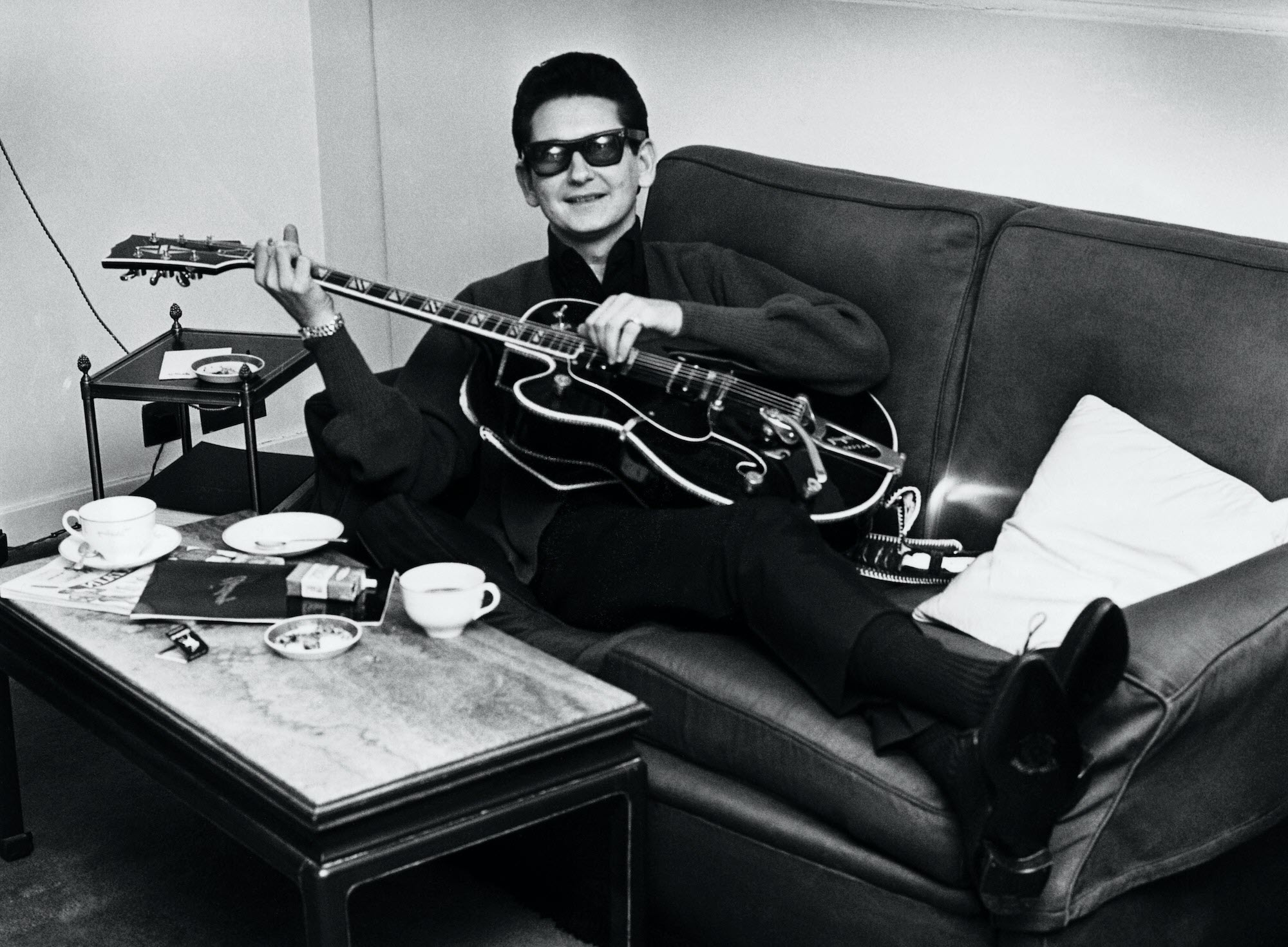
In the vast tapestry of musical history, few voices resonate with the timeless allure and emotional depth quite like that of Roy Orbison. A luminary of rock and roll, Orbison’s haunting vocals and poignant songwriting have left an indelible mark on the fabric of popular music. As we embark on a melodic journey through the annals of his illustrious career, this article endeavors to unravel the enigma that is Roy Orbison, showcasing the Top 10 Best Songs that encapsulate his unparalleled artistry. From the soaring heights of his operatic ballads to the infectious rhythm of his rockabilly anthems, each composition is a testament to Orbison’s ability to capture the intricacies of human emotion within the confines of a song. As we delve into the sonic landscape he crafted, prepare to be transported through time and space, guided by the ethereal tones that have made Roy Orbison an immortal figure in the pantheon of musical legends. Join us as we celebrate the enduring legacy of this iconic artist, counting down the Top 10 Best Roy Orbison Songs of All Time.
1. Oh, Pretty Woman
Roy Orbison’s “Oh, Pretty Woman” stands as a timeless masterpiece that has etched its place in the annals of music history. Released in 1964, the song quickly ascended to the top of the charts, captivating audiences with its distinctive blend of rock and roll, pop, and a touch of the blues. The iconic guitar riff that opens the track sets the stage for Orbison’s powerful and emotive vocals, creating an irresistible sonic experience. The song’s narrative unfolds with poetic simplicity, telling the story of a man who encounters a stunning woman while walking down the street. Orbison’s vivid imagery and poignant lyrics, coupled with the infectious melody, make “Oh, Pretty Woman” an unforgettable ode to love and desire.
Beyond its musical brilliance, “Oh, Pretty Woman” is also renowned for its impact on popular culture. The song has been featured in numerous films and television shows, solidifying its status as a classic. Orbison’s dynamic vocal range and the song’s catchy hooks have ensured its enduring popularity, making it a staple in the repertoire of any music enthusiast. “Oh, Pretty Woman” not only showcases Orbison’s exceptional talent as a singer and songwriter but also serves as a testament to his ability to craft a timeless hit that transcends generations.
2. Crying
Roy Orbison’s “Crying” stands as a poignant ballad that showcases the depth of Orbison’s emotional delivery and songwriting prowess. Released in 1961, the song is a heart-wrenching exploration of unrequited love and the pain of watching someone you care about with someone else. Orbison’s signature operatic voice takes center stage, conveying the raw vulnerability and ache embedded in the lyrics. The orchestral arrangement complements the emotional intensity, creating a sonic landscape that resonates with listeners on a profound level.
The haunting refrain of “Crying” became an instant classic, solidifying Orbison’s reputation as a masterful storyteller through song. The use of falsetto in the chorus adds a layer of vulnerability, enhancing the overall emotional impact of the track. “Crying” not only captivates with its powerful vocals but also with its timeless melody and evocative lyrics. The song has endured through the decades, becoming a staple in Orbison’s repertoire and earning its place as one of the greatest ballads in the history of popular music. Orbison’s ability to convey complex emotions with such authenticity in “Crying” cements the song’s status as an enduring and iconic piece of musical artistry.
3. You Got It
“You Got It” is a shining gem in Roy Orbison’s illustrious career, released in 1989, a year before his untimely passing. Co-written by Orbison, Jeff Lynne, and Tom Petty, the song is a celebration of love and admiration. With a vibrant and upbeat tempo, it marked a departure from Orbison’s earlier ballads, showcasing his versatility as an artist. The track’s infectious melody, coupled with Orbison’s distinct vocals, creates an uplifting atmosphere that resonates with audiences.
The lyrics of “You Got It” exude positivity and express the joy of being in love. Orbison’s voice, though seasoned by the years, retains its timeless charm, and the song’s polished production reflects the influence of his collaboration with Lynne and Petty. The catchy chorus and memorable hooks make “You Got It” an instant classic, reaffirming Orbison’s ability to craft enduring hits across different musical eras. The song’s success was not only a testament to Orbison’s enduring talent but also a fitting tribute to his remarkable contribution to the world of music. “You Got It” remains a beloved and uplifting track that continues to captivate listeners with its feel-good vibes and serves as a testament to Roy Orbison’s enduring legacy.
4. In Dreams
“In Dreams” by Roy Orbison, released in 1963, stands as a hauntingly beautiful ballad that showcases the singer’s ability to convey complex emotions through his music. The song’s ethereal quality is immediately apparent, with its dreamlike orchestration and Orbison’s rich, operatic voice weaving a mesmerizing tapestry. The narrative unfolds like a vivid, melancholic dream, as Orbison sings about a lost love he can only reclaim in the realm of his subconscious.
The song’s enduring appeal lies in its emotional depth and Orbison’s ability to create a cinematic experience through music. The orchestral arrangement, featuring sweeping strings and a distinctive melody, contributes to the haunting atmosphere that defines “In Dreams.” The dream motif is heightened by Orbison’s vocal delivery, which effortlessly transitions from gentle crooning to powerful crescendos, adding layers of complexity to the composition.
“In Dreams” has left an indelible mark on popular culture, notably through its iconic use in David Lynch’s film “Blue Velvet.” The song’s atmospheric quality and poignant lyrics have made it a timeless classic, demonstrating Roy Orbison’s mastery in crafting emotionally resonant songs that continue to captivate audiences across generations. “In Dreams” remains a testament to Orbison’s unique artistic vision and his ability to create music that transcends the boundaries of time and genre.
5. Only the Lonely
Roy Orbison’s “Only the Lonely,” released in 1960, is a masterpiece that epitomizes the essence of heartbreak and loneliness in its purest form. The song not only solidified Orbison’s status as a preeminent balladeer but also set a new standard for emotive storytelling through music. From the opening notes of the iconic string arrangement, listeners are drawn into a world of melancholy where Orbison’s soul-stirring vocals take center stage.
The lyrics of “Only the Lonely” paint a poignant picture of a heartache so profound that it resonates with anyone who has experienced the depths of unrequited love. Orbison’s voice, with its remarkable range and emotive power, captures the essence of despair and solitude, creating an emotional connection that transcends time. The orchestral arrangement, featuring lush strings and a haunting melody, enhances the emotional impact of the song, making it a classic in the realm of romantic ballads.
Decades after its release, “Only the Lonely” remains a touchstone for heartbreak anthems, showcasing Orbison’s ability to encapsulate universal feelings of isolation and longing. The song’s enduring popularity underscores its timeless appeal and cements its place as one of the greatest contributions to the canon of Orbison’s illustrious career. “Only the Lonely” stands as a testament to the enduring power of emotive storytelling through music, leaving an indelible mark on the landscape of classic ballads.
6. Running Scared
“Running Scared” by Roy Orbison, released in 1961, is a tour de force that exemplifies Orbison’s unique ability to fuse emotional depth with musical brilliance. The song’s distinctive structure and Orbison’s soaring vocals create a sonic landscape that is both innovative and deeply evocative. From the dramatic opening chords to the climactic finale, “Running Scared” is a masterclass in building tension and capturing the essence of heartache.
The narrative of “Running Scared” unfolds like a gripping story, with Orbison singing about a man who fears losing his lover to another. The palpable sense of urgency in Orbison’s delivery is complemented by the dynamic orchestration, featuring dramatic strings and a memorable rhythm. The song’s use of crescendos and Orbison’s falsetto contribute to the overall sense of emotional intensity, making it a standout in Orbison’s repertoire.
“Running Scared” not only topped the charts but also earned Orbison a Grammy Award for Best Male Pop Vocal Performance. Its impact on popular music is enduring, influencing subsequent generations of artists who appreciate its innovative approach to songwriting and emotional expression. With its combination of narrative depth and musical innovation, “Running Scared” remains a timeless classic, showcasing Roy Orbison’s unparalleled ability to craft songs that resonate on both an emotional and artistic level.
7. Dream Baby
“Dream Baby” by Roy Orbison, released in 1962, is a lively and infectious rockabilly tune that showcases Orbison’s versatility as a singer and songwriter. With its upbeat tempo, catchy hooks, and energetic guitar riffs, the song is a departure from Orbison’s more melancholic ballads, revealing a different facet of his musical prowess.
The lyrics of “Dream Baby” express a sense of longing and desire, as Orbison sings about the yearning for a dreamlike and elusive love. The playful and rhythmic nature of the song reflects a more optimistic and carefree side of Orbison’s artistry. The combination of his smooth vocals and the buoyant instrumentation creates a feel-good vibe that distinguishes “Dream Baby” from some of his more somber works.
“Dream Baby” was a commercial success, reaching high positions on the charts, and it remains a favorite among fans for its infectious melody and Orbison’s spirited performance. The song’s enduring popularity highlights Orbison’s ability to connect with audiences across various musical styles, showcasing his range as a versatile and influential artist. “Dream Baby” stands as a testament to Orbison’s ability to excel not only in the realm of heartbreaking ballads but also in crafting lively and memorable rock tunes.
8. Blue Bayou
“Blue Bayou” by Roy Orbison, released in 1963, is a soulful ballad that transports listeners to a place of nostalgic yearning and romantic reflection. The song’s evocative lyrics, combined with Orbison’s velvety vocals, create a poignant narrative of longing for a lost love. The title itself conjures images of a serene and melancholic coastal landscape, setting the stage for the emotional journey that unfolds throughout the song.
Orbison’s vocal delivery in “Blue Bayou” is particularly notable, with his voice effortlessly conveying the depth of emotion embedded in the lyrics. The lush orchestration, featuring sweeping strings and a gentle melody, enhances the overall atmosphere of wistfulness and heartache. The song’s arrangement, characterized by a subtle yet powerful build-up, mirrors the ebb and flow of emotions associated with love and loss.
The enduring appeal of “Blue Bayou” is evident in its timeless quality and its ability to resonate across generations. The song has been covered by various artists, but Orbison’s original rendition remains a definitive and iconic version. “Blue Bayou” stands as a testament to Orbison’s prowess in capturing the complexities of human emotion through his music, solidifying its place as one of his most cherished and enduring compositions.
9. Mean Woman Blues
“Mean Woman Blues” by Roy Orbison, released in 1963, is a rollicking rock and roll classic that showcases Orbison’s ability to infuse energy and attitude into his music. The song kicks off with a distinctive guitar riff that sets the tone for its lively and dynamic nature. Orbison’s vocals exude confidence as he sings about the challenges of dealing with a troublesome and unpredictable woman.
The lyrics of “Mean Woman Blues” capture the essence of a tumultuous relationship, with Orbison’s expressive delivery adding a touch of playfulness to the narrative. The driving beat, accompanied by upbeat instrumentation, creates a sense of urgency and excitement, making the song a standout in Orbison’s repertoire.
The track’s catchy hooks and infectious rhythm contributed to its commercial success, and it remains a favorite among fans of Orbison’s more upbeat and rock-oriented songs. “Mean Woman Blues” not only showcases Orbison’s versatility as an artist but also highlights his ability to inject a sense of fun and spontaneity into his music. The song’s enduring popularity attests to its timeless appeal and its status as a lively and spirited entry in the rich tapestry of Roy Orbison’s musical legacy.
10. It’s Over
“It’s Over” by Roy Orbison, released in 1964, is a poignant and emotionally charged ballad that stands as one of Orbison’s most powerful compositions. The song explores the theme of heartbreak and the realization that a romantic relationship has come to an end. Orbison’s vocal performance in “It’s Over” is particularly striking, conveying a sense of resignation and sorrow that resonates with listeners on a profound level.
The orchestral arrangement adds a cinematic quality to the song, with sweeping strings and a melodic structure that enhances the emotional impact. Orbison’s vocal range is on full display, as he effortlessly transitions between softer, introspective moments and powerful, soaring crescendos. The lyrics capture the essence of a painful farewell, and Orbison’s delivery elevates the song into a timeless and universal expression of heartache.
“It’s Over” became a chart-topping hit and earned Orbison a Grammy Award for Best Male Pop Vocal Performance. The song’s success not only affirmed Orbison’s status as a masterful balladeer but also solidified its place as a classic in the realm of breakup anthems. “It’s Over” remains a testament to Orbison’s ability to translate complex emotions into musical artistry, leaving an indelible mark on the landscape of timeless ballads.

Samuel Moore is a frequent contributor to Singers Room. Since 2005, Singersroom has been the voice of R&B around the world. Connect with us via social media below.









