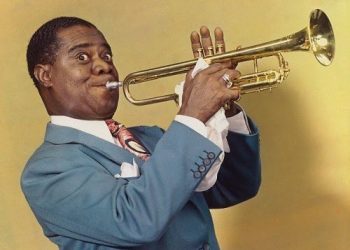
Rock bands, a cornerstone of contemporary music, have played a monumental role in shaping the sonic landscape of the last seven decades. Characterized by amplified instrumentation, electrifying performances, and a rebellious spirit, rock bands have transcended mere musical genres to become cultural phenomena. Rooted in the blues and influenced by diverse musical traditions, rock bands emerged in the mid-20th century as a powerful medium for self-expression and social commentary.
The hallmark of a rock band lies in the synergy between its members, typically featuring a vocalist, guitarist, bassist, and drummer. These ensembles explore a wide range of styles, from the raw energy of punk and the elaborate structures of progressive rock to the anthemic choruses of classic rock and the experimentalism of alternative rock. The electric guitar, often at the forefront, lends the genre its iconic sound, while lyrics delve into themes of love, rebellion, and the human experience.
Rock bands have left an indelible mark on global culture, providing the soundtrack for social revolutions, youth movements, and personal journeys. From stadium-filling legends to underground trailblazers, the diversity within the rock band paradigm continues to evolve, ensuring that the spirit of rock remains a dynamic and influential force in the ever-changing landscape of music and society.
1. AC/DC
AC/DC, formed in Sydney, Australia, in 1973, is one of the most iconic and enduring rock bands in the history of music. Known for their high-energy performances, straightforward rock and roll, and the distinctive vocals of Bon Scott and later Brian Johnson, AC/DC has left an indelible mark on the rock genre.
The band’s signature sound revolves around the powerful riffing of brothers Angus and Malcolm Young. Angus’s electrifying guitar solos and the driving rhythm section featuring bassist Cliff Williams and various drummers over the years, including Phil Rudd and Chris Slade, contribute to the band’s unmistakable style.
AC/DC gained international fame with albums like “High Voltage,” “Highway to Hell,” and the landmark “Back in Black,” one of the best-selling albums of all time. Their music is characterized by infectious hooks, anthemic choruses, and a timeless, no-nonsense attitude.
Tragedy struck the band in 1980 with the death of Bon Scott, but AC/DC persevered with Brian Johnson as the new lead vocalist. The band continued to produce hit albums such as “For Those About to Rock We Salute You” and “Black Ice.”
AC/DC’s influence extends across generations, and their electrifying live performances remain legendary. Inducted into the Rock and Roll Hall of Fame, AC/DC’s enduring popularity is a testament to their ability to deliver pure, unadulterated rock and roll that transcends trends and continues to resonate with fans worldwide.
2. Aerosmith
Aerosmith, formed in Boston, Massachusetts, in 1970, stands as one of the quintessential American rock bands with a legacy that spans over five decades. Known for their blues-infused rock sound, dynamic stage presence, and the distinctive vocals of Steven Tyler, Aerosmith has left an indelible mark on the rock music landscape.
The band’s classic lineup consists of Steven Tyler (vocals), Joe Perry (guitar), Brad Whitford (guitar), Tom Hamilton (bass), and Joey Kramer (drums). Aerosmith’s music is characterized by a combination of powerful guitar riffs, bluesy undertones, and Tyler’s flamboyant and raspy vocal style.
Aerosmith achieved massive success in the 1970s with albums like “Toys in the Attic” and “Rocks,” showcasing their ability to blend hard rock with infectious melodies. The 1980s saw a resurgence in their popularity with hits like “Dude (Looks Like a Lady)” and the power ballad “I Don’t Want to Miss a Thing” in the 1990s, cementing their status as rock legends.
The band’s resilience through lineup changes, substance abuse struggles, and evolving music trends speaks to their enduring influence. Aerosmith’s ability to seamlessly navigate through different rock subgenres, from blues rock to glam metal, has contributed to their universal appeal.
Aerosmith’s impact on rock music has earned them a place in the Rock and Roll Hall of Fame. With their catalog of timeless hits and a reputation for delivering electrifying live performances, Aerosmith continues to be celebrated as one of the greatest and most influential rock bands in history.
3. Fleetwood Mac
Fleetwood Mac is a British-American rock band that emerged as one of the most successful and enduring acts in the history of popular music. Formed in London in 1967, the band has undergone various lineup changes but is best known for its classic lineup featuring Mick Fleetwood, John McVie, Christine McVie, Lindsey Buckingham, and Stevie Nicks.
The band’s early years were marked by blues-oriented rock, and its self-titled debut album was released in 1968. However, it was with the addition of Lindsey Buckingham and Stevie Nicks in 1974 that Fleetwood Mac underwent a significant transformation, both musically and commercially.
The album “Fleetwood Mac” (1975) became a massive success, fueled by hits like “Rhiannon” and “Landslide.” The follow-up, “Rumours” (1977), is considered one of the greatest albums of all time. Despite personal tensions and relationship breakups within the band, “Rumours” yielded classic songs such as “Go Your Own Way,” “Dreams,” and “The Chain.”
Fleetwood Mac continued to evolve through the 1980s, with successful albums like “Tusk” (1979) and “Mirage” (1982). Christine McVie, Lindsey Buckingham, and Stevie Nicks each contributed distinct songwriting styles, adding to the band’s eclectic sound.
The 1990s brought lineup changes, with various members departing and returning. Fleetwood Mac’s enduring popularity was highlighted by their induction into the Rock and Roll Hall of Fame in 1998. The classic lineup reunited for a successful tour in the late 1990s.
Fleetwood Mac’s legacy is characterized by their ability to navigate various musical styles, from blues and rock to pop and soft rock. Their timeless hits, intricate harmonies, and emotionally charged lyrics continue to resonate with audiences around the world. Despite the challenges and changes over the decades, Fleetwood Mac remains an iconic and influential force in the landscape of rock music.
4. Linkin Park
Linkin Park, formed in Agoura Hills, California, in 1996, emerged as a prominent force in the alternative rock and nu-metal genres, blending elements of rock, hip-hop, and electronic music. The band’s distinctive sound, characterized by the juxtaposition of rap verses and melodic choruses, resonated with a diverse audience and played a significant role in shaping the early 2000s rock landscape.
The band’s founding members included Mike Shinoda (vocals, guitar, keyboards), Brad Delson (guitar), and Rob Bourdon (drums). Chester Bennington joined as the lead vocalist, adding a dynamic and emotive dimension to the band’s sonic palette. Joe Hahn (turntables, samples) and Dave “Phoenix” Farrell (bass) completed the lineup.
Linkin Park’s debut album, “Hybrid Theory” (2000), achieved critical and commercial success, featuring hits like “In the End” and “Crawling.” The album’s fusion of aggressive guitar riffs, electronic elements, and introspective lyrics resonated with a generation grappling with issues of identity and angst.
Subsequent albums, including “Meteora” (2003) and “Minutes to Midnight” (2007), further solidified Linkin Park’s place in the rock scene. The band’s evolution into more experimental and diverse sounds, as seen in albums like “A Thousand Suns” (2010) and “The Hunting Party” (2014), showcased their willingness to push artistic boundaries.
The tragic death of Chester Bennington in 2017 marked a significant loss for the band and its fanbase. Despite the challenges, Linkin Park’s impact endures, and their genre-defying approach continues to influence a new generation of musicians. The band’s commitment to exploring emotional depth and pushing the boundaries of rock music solidifies their legacy as one of the defining acts of the 21st century.
5. Nirvana
Nirvana was an American rock band that played a pivotal role in the development of the grunge music movement during the late 1980s and early 1990s. Formed in Aberdeen, Washington, in 1987, the band consisted of Kurt Cobain (vocals and guitar), Krist Novoselic (bass), and various drummers, with Dave Grohl becoming the permanent drummer in 1990.
Nirvana’s breakthrough came with their second album, “Nevermind” (1991), featuring the iconic single “Smells Like Teen Spirit.” The album’s success catapulted the band to international fame, and it is often credited with bringing grunge and alternative rock into the mainstream.
Known for their raw, energetic sound and Cobain’s distinctive songwriting, Nirvana’s music embodied a blend of punk, alternative, and hard rock influences. Their lyrics often explored themes of disillusionment, alienation, and social critique, resonating with a generation of listeners.
The band’s third and final studio album, “In Utero” (1993), maintained their critical acclaim and showcased a return to a more abrasive and experimental sound. However, the band’s trajectory was tragically cut short with Kurt Cobain’s death in 1994.
Despite their relatively short career, Nirvana’s impact on the music industry and popular culture was profound. Their influence extended beyond the grunge movement, influencing subsequent generations of alternative and rock musicians. The posthumous release of the “MTV Unplugged in New York” album and the “With the Lights Out” box set provided fans with additional insight into the band’s musical depth.
Nirvana’s cultural significance was acknowledged with their induction into the Rock and Roll Hall of Fame in 2014. The band’s legacy continues to endure, with their music remaining a touchstone for fans and a symbol of the transformative power of alternative rock.
6. The Who
The Who, formed in London in 1964, is a legendary rock band that played a pivotal role in shaping the sound and ethos of the 1960s and 1970s rock and roll scene. Comprising iconic members Roger Daltrey (vocals), Pete Townshend (guitar, vocals), John Entwistle (bass), and Keith Moon (drums), The Who became known for their energetic performances, innovative musicality, and rebellious attitude.
The band’s early singles, including “My Generation,” quickly established them as leaders of the mod movement, capturing the spirit of youthful rebellion and frustration. Pete Townshend’s windmill guitar style and Roger Daltrey’s powerful vocals became hallmarks of The Who’s sound.
One of The Who’s defining works is the rock opera “Tommy” (1969), a groundbreaking concept album that tells the story of a “deaf, dumb, and blind” boy. The album’s success elevated The Who to new heights, showcasing their ability to experiment with narrative forms in rock music.
The band’s stage presence, marked by destructive antics and explosive live performances, earned them a reputation as one of the greatest live acts in rock history. Keith Moon’s frenetic drumming and John Entwistle’s virtuosic bass playing contributed to The Who’s distinctive sound.
Subsequent albums like “Who’s Next” (1971) and “Quadrophenia” (1973) continued to solidify The Who’s legacy. Hits like “Baba O’Riley,” “Behind Blue Eyes,” and “Pinball Wizard” remain classic examples of their songwriting prowess.
Despite the tragic deaths of Keith Moon in 1978 and John Entwistle in 2002, The Who has continued to perform, with drummer Zak Starkey and bassist Pino Palladino joining the lineup. The band’s enduring impact on rock music, their exploration of conceptual works, and their contribution to the evolution of the rock genre make The Who an integral part of the rock pantheon.
7. Black Sabbath
Black Sabbath, formed in Birmingham, England, in 1968, is widely regarded as one of the pioneers of heavy metal and a foundational force in the development of hard rock. Comprising the original lineup of Ozzy Osbourne (vocals), Tony Iommi (guitar), Geezer Butler (bass), and Bill Ward (drums), the band created a dark and heavy sound that would influence generations of rock and metal musicians.
Black Sabbath’s eponymous debut album, released in 1970, is often considered the birth of heavy metal. Characterized by Tony Iommi’s downtuned, menacing guitar riffs, Geezer Butler’s thunderous bass lines, and Ozzy Osbourne’s haunting vocals, the album set a new standard for heaviness in rock music.
The band’s sophomore effort, “Paranoid” (1970), solidified their impact with iconic tracks like “War Pigs,” “Iron Man,” and the title track. These songs not only contributed to the evolution of heavy metal but also addressed socio-political issues, marking a departure from the flower power ethos of the late 1960s.
Black Sabbath continued to explore dark themes and heavy soundscapes in subsequent albums like “Master of Reality” (1971), “Vol. 4” (1972), and “Sabbath Bloody Sabbath” (1973). The lineup underwent changes over the years, with Ozzy Osbourne leaving in 1979 and being replaced by various vocalists, including Ronnie James Dio.
Despite lineup shifts, Black Sabbath’s influence persisted through the years. The original lineup reunited for a farewell tour in 2016, marking the end of an era. Black Sabbath’s legacy as heavy metal pioneers, their impact on the evolution of rock, and their enduring influence on subsequent generations secure their place as one of the most significant bands in the history of heavy music.
8. Pearl Jam
Pearl Jam is an American rock band formed in Seattle, Washington, in 1990. Emerging as one of the pioneering bands in the grunge movement, Pearl Jam achieved massive commercial success and established themselves as a prominent force in the alternative rock scene.
The core lineup of Pearl Jam consists of Eddie Vedder (vocals), Mike McCready (guitar), Stone Gossard (guitar), Jeff Ament (bass), and Matt Cameron (drums). The band rose to fame with their debut album, “Ten” (1991), which included hits like “Alive,” “Even Flow,” and “Jeremy.” The album’s emotional intensity and Vedder’s powerful and distinctive vocals resonated with a broad audience, contributing to its widespread acclaim.
Throughout the 1990s, Pearl Jam continued to release critically and commercially successful albums, including “Vs.” (1993), “Vitalogy” (1994), and “No Code” (1996). They distinguished themselves with a dynamic and evolving sound, blending elements of rock, punk, and folk while maintaining a commitment to artistic integrity.
Pearl Jam became known for their intense live performances and a dedication to social and political activism. They often confronted issues such as inequality, environmentalism, and political corruption in their music and public statements. The band’s anti-corporate stance, particularly their battle against Ticketmaster in the 1990s, underscored their commitment to fans and artistic principles.
In the 2000s and beyond, Pearl Jam continued to release albums like “Binaural” (2000), “Riot Act” (2002), and “Lightning Bolt” (2013). Their longevity, resilience, and ability to evolve musically have solidified their status as one of the most enduring and influential rock bands of their generation.
Pearl Jam’s impact on the music industry, their devoted fan base, and their contributions to the evolution of alternative rock have earned them a place in the Rock and Roll Hall of Fame, inducted in 2017. With a catalog of timeless hits and a reputation for authenticity, Pearl Jam remains a cornerstone of the global rock music landscape.
9. Journey
Journey is an American rock band that achieved massive commercial success and became one of the most recognizable and enduring rock acts in the late 1970s and 1980s. Formed in San Francisco in 1973, Journey is known for their melodic rock sound, anthemic songs, and the powerful vocals of their lead singers.
The classic lineup of Journey consisted of Neal Schon (guitar), Ross Valory (bass), Gregg Rolie (keyboards and vocals), Steve Smith (drums), and, most notably, Steve Perry (vocals). Their breakthrough came with the album “Infinity” (1978), which marked a shift toward a more radio-friendly sound and included hits like “Wheel in the Sky” and “Lights.”
Journey’s pinnacle of success arrived with the album “Escape” (1981), featuring iconic songs such as “Don’t Stop Believin’,” “Open Arms,” and “Who’s Crying Now.” The album became a commercial blockbuster and established Journey as a stadium-filling rock powerhouse.
Throughout the 1980s, Journey continued to produce hit albums, including “Frontiers” (1983) and “Raised on Radio” (1986). Steve Perry’s distinctive voice and the band’s ability to craft memorable and emotionally resonant ballads contributed to their popularity.
After a hiatus in the late 1980s, Journey experienced a resurgence in the 1990s with new lead vocalist Steve Augeri. The band continued to tour and release albums, maintaining a dedicated fan base.
Journey’s music has left an indelible mark on popular culture. “Don’t Stop Believin'” achieved renewed popularity in the 2000s, becoming one of the best-selling digital singles of all time. The song’s inclusion in the final scene of “The Sopranos” further solidified its iconic status.
With a career spanning several decades, Journey’s legacy is characterized by their chart-topping hits, memorable live performances, and enduring appeal. Despite lineup changes over the years, Journey’s contributions to the arena rock genre have earned them a lasting place in the pantheon of classic rock.
10. The Police
The Police, formed in London in 1977, emerged as one of the most successful and innovative rock bands of the late 1970s and 1980s. Comprising the trio of Sting (vocals, bass), Andy Summers (guitar), and Stewart Copeland (drums), The Police created a unique sound that blended rock, reggae, punk, and new wave elements, leaving an indelible mark on the music scene.
The band’s debut album, “Outlandos d’Amour” (1978), introduced the world to The Police’s distinctive style. Songs like “Roxanne” and “Can’t Stand Losing You” showcased Sting’s melodic songwriting, Andy Summers’ atmospheric guitar work, and Stewart Copeland’s dynamic drumming.
The Police achieved international stardom with subsequent albums, including “Reggatta de Blanc” (1979) and “Zenyatta Mondatta” (1980). Hits like “Message in a Bottle,” “Walking on the Moon,” and “Don’t Stand So Close to Me” dominated charts and solidified the band’s reputation for crafting sophisticated pop-rock with reggae influences.
Each member brought a unique musical background to The Police, contributing to their eclectic sound. Sting’s distinctive voice, coupled with his lyrical depth, added a layer of sophistication to the band’s music. Andy Summers’ guitar work explored textural landscapes, and Stewart Copeland’s drumming showcased a fusion of punk energy and world music influences.
The Police’s final studio album, “Synchronicity” (1983), featuring the iconic hit “Every Breath You Take,” marked both the peak of their success and the beginning of their hiatus. The band disbanded in 1986, but their impact endures, and their influence can be heard in a wide range of genres.
The Police’s ability to seamlessly blend genres, coupled with their sophisticated songwriting and dynamic performances, solidifies their legacy as one of the defining bands of the new wave era. The trio’s contributions to rock music continue to be celebrated, making The Police a timeless and influential presence in the history of popular music.
11. The Rolling Stones
The Rolling Stones, formed in London in 1962, are one of the most iconic and enduring rock bands in the history of popular music. The core members throughout the majority of their career have been Mick Jagger (vocals), Keith Richards (guitar), Charlie Watts (drums), Ronnie Wood (guitar), and Bill Wyman (bass) during the early years.
Known for their energetic performances, rebellious image, and a bluesy rock sound, The Rolling Stones were a crucial part of the British Invasion that swept the United States in the 1960s. Their debut album, “The Rolling Stones” (1964), marked the beginning of their prolific career.
The band’s breakthrough came with a string of hits in the mid-1960s, including “Satisfaction,” “Paint It Black,” and “Ruby Tuesday.” These songs, often written by the Jagger-Richards songwriting partnership, established The Rolling Stones as leaders of the rock and roll movement.
Throughout the late 1960s and 1970s, The Rolling Stones continued to dominate the music scene with albums like “Let It Bleed” (1969), “Sticky Fingers” (1971), and “Exile on Main St.” (1972). Their music evolved, incorporating elements of country, blues, and funk, showcasing the band’s versatility.
The Rolling Stones became synonymous with the hedonistic excesses of the rock and roll lifestyle, epitomized by their legendary tours and Jagger’s charismatic stage presence. Despite lineup changes over the years, the core of Jagger, Richards, and Watts remained constant.
In the 1980s and beyond, The Rolling Stones maintained their status as a touring juggernaut and continued to release albums, including “Tattoo You” (1981) and “Bridges to Babylon” (1997). Their concerts, marked by energetic performances and timeless hits, attracted fans of all ages.
With a discography spanning over six decades, The Rolling Stones are one of the best-selling music artists in history. Their influence on rock and roll, blues, and popular culture is immeasurable, and they were inducted into the Rock and Roll Hall of Fame in 1989. The Rolling Stones continue to be celebrated as rock legends, a testament to their enduring impact on the world of music.
12. Pink Floyd
Pink Floyd, formed in London in 1965, is universally recognized as one of the most innovative and influential rock bands in the history of music. Known for their progressive and psychedelic soundscapes, thought-provoking lyrics, and elaborate live performances, Pink Floyd became synonymous with pushing the boundaries of what rock music could achieve.
The core members of Pink Floyd included Roger Waters (bass, vocals), Richard Wright (keyboards, vocals), Nick Mason (drums, percussion), Syd Barrett (guitar, vocals) in the early years, and David Gilmour (guitar, vocals) who joined in 1968 as Barrett’s replacement.
The band’s early albums, including “The Piper at the Gates of Dawn” (1967) and “A Saucerful of Secrets” (1968), reflected Syd Barrett’s whimsical and experimental approach. However, it was with the arrival of David Gilmour and the departure of Syd Barrett that Pink Floyd evolved into a sonic powerhouse.
“Pink Floyd: The Dark Side of the Moon” (1973) stands as a landmark album in the band’s discography and in the history of music. With its groundbreaking concept, seamless transitions, and exploration of themes like time, money, and mental illness, the album became one of the best-selling and most critically acclaimed records of all time.
Subsequent albums, including “Wish You Were Here” (1975), “Animals” (1977), and “The Wall” (1979), further solidified Pink Floyd’s reputation for conceptual storytelling and sonic experimentation. “The Wall” in particular, a rock opera exploring the alienation of modern life, showcased Roger Waters’ songwriting prowess.
While internal tensions led to Roger Waters leaving the band in the early 1980s, Pink Floyd continued with David Gilmour at the helm. The band’s later works, including “A Momentary Lapse of Reason” (1987) and “The Division Bell” (1994), maintained their commitment to atmospheric soundscapes and thoughtful lyrics.
Pink Floyd’s impact extended beyond music, with their elaborate stage productions and iconic album cover artwork becoming integral parts of their identity. Inducted into the Rock and Roll Hall of Fame, Pink Floyd’s enduring influence is felt across genres, and their discography remains a testament to the boundless possibilities of artistic expression within the realm of rock music.
13. Red Hot Chili Peppers
The Red Hot Chili Peppers, formed in Los Angeles in 1983, are renowned for their dynamic fusion of rock, funk, punk, and alternative sounds. The band’s ability to seamlessly blend genres, coupled with their energetic performances and charismatic frontman Anthony Kiedis, has made them one of the most successful and enduring acts in the history of alternative rock.
The original lineup included Anthony Kiedis (vocals), Flea (bass), Hillel Slovak (guitar), and Jack Irons (drums). Their early albums, such as “The Red Hot Chili Peppers” (1984) and “Freaky Styley” (1985), established their distinctive funk-infused sound.
Tragedy struck with the death of Hillel Slovak in 1988, but the band rebounded with the addition of guitarist John Frusciante and drummer Chad Smith. The resulting album, “Mother’s Milk” (1989), marked a turning point for the Chili Peppers, showcasing their evolving sound and providing a glimpse of the success to come.
The breakthrough came with “Blood Sugar Sex Magik” (1991), produced by Rick Rubin. Hits like “Under the Bridge” and “Give It Away” catapulted the band to mainstream success, earning them critical acclaim and Grammy Awards. John Frusciante’s intricate guitar work and Flea’s distinctive bass lines became signature elements of their sound.
John Frusciante left the band in 1992, leading to a period of lineup changes. Dave Navarro briefly took over on guitar for the album “One Hot Minute” (1995), but Frusciante returned for “Californication” (1999), marking another era of success for the band. The albums “By the Way” (2002) and “Stadium Arcadium” (2006) continued their chart-topping streak.
The Red Hot Chili Peppers’ enduring appeal lies in their versatility and ability to evolve without losing their core identity. Their energetic live shows, characterized by Kiedis’s charismatic stage presence and Flea’s acrobatic bass playing, have solidified their status as one of the greatest live acts in rock.
The band’s induction into the Rock and Roll Hall of Fame in 2012 further acknowledged their lasting impact. With a discography spanning decades and an ever-evolving sound, the Red Hot Chili Peppers remain influential and continue to be a driving force in the alternative rock scene.
14. Queen
Queen, formed in London in 1970, is one of the most iconic and influential rock bands in the history of popular music. The band’s classic lineup included Freddie Mercury (vocals, piano), Brian May (guitar, vocals), Roger Taylor (drums, vocals), and John Deacon (bass).
Known for their eclectic sound that blended rock, opera, progressive, and glam influences, Queen quickly rose to prominence with their self-titled debut album in 1973. However, it was the release of “Sheer Heart Attack” (1974) and “A Night at the Opera” (1975) that catapulted them to international stardom.
“A Night at the Opera” featured the epic “Bohemian Rhapsody,” a groundbreaking and genre-defying song that became a massive hit and solidified Queen’s reputation for innovation. The album also showcased the band’s versatility with tracks like “You’re My Best Friend” and “Love of My Life.”
Throughout the 1970s and 1980s, Queen continued to produce a string of critically and commercially successful albums, including “A Day at the Races” (1976), “News of the World” (1977), and “The Game” (1980). Their music ranged from anthemic rock (“We Will Rock You,” “We Are the Champions”) to disco-inspired hits (“Another One Bites the Dust”).
Freddie Mercury’s flamboyant stage presence and powerful vocals, combined with May’s guitar virtuosity, Taylor’s dynamic drumming, and Deacon’s solid bass lines, contributed to Queen’s captivating live performances. Their 1985 performance at Live Aid is often regarded as one of the greatest live shows in rock history.
After Mercury’s death in 1991, Queen’s surviving members continued to perform and record with various guest vocalists. The band’s legacy was further solidified by the success of the biographical film “Bohemian Rhapsody” (2018).
Queen’s impact on rock music, their innovative approach to songwriting, and their ability to cross musical boundaries have left an indelible mark on the music industry. Inducted into the Rock and Roll Hall of Fame in 2001, Queen’s influence continues to resonate with new generations of music enthusiasts worldwide.
15. The Beatles
The Beatles, formed in Liverpool in 1960, are one of the most iconic and influential bands in the history of popular music. Comprising John Lennon (vocals, guitar), Paul McCartney (vocals, bass), George Harrison (guitar, vocals), and Ringo Starr (drums), The Beatles revolutionized the music industry and shaped the cultural landscape during the 1960s.
The band’s early years were marked by their energetic performances in Liverpool’s Cavern Club and their residency in Hamburg, Germany. Their first single, “Love Me Do,” was released in 1962, and it marked the beginning of a phenomenon that would become known as “Beatlemania.”
The Beatles’ music evolved rapidly, and they embraced a wide range of genres, including rock and roll, pop, folk, Indian music, and psychedelia. Albums like “Please Please Me” (1963), “A Hard Day’s Night” (1964), and “Rubber Soul” (1965) showcased their songwriting prowess and innovation.
The release of “Sgt. Pepper’s Lonely Hearts Club Band” (1967) marked a turning point in the history of popular music. The album, celebrated for its experimental approach and cohesive concept, won multiple Grammy Awards and became a cultural touchstone.
The Beatles’ later years were marked by individual exploration, and the band’s final studio album, “Let It Be” (1970), was recorded during a period of internal strife. The Beatles officially disbanded in 1970, but their impact and legacy endured.
Each member pursued successful solo careers, and The Beatles’ influence on subsequent generations of musicians and artists remained profound. The band’s catalog of timeless hits includes classics like “Hey Jude,” “Let It Be,” “Yesterday,” and “A Hard Day’s Night.”
Inducted into the Rock and Roll Hall of Fame in 1988, The Beatles’ cultural significance and artistic achievements have solidified their status as one of the greatest bands in the history of music. With over one billion records sold, countless accolades, and a lasting cultural impact, The Beatles’ legacy continues to be celebrated worldwide.

Edward Tomlin is a frequent contributor to Singers Room. Since 2005, Singersroom has been the voice of R&B around the world. Connect with us via social media below.