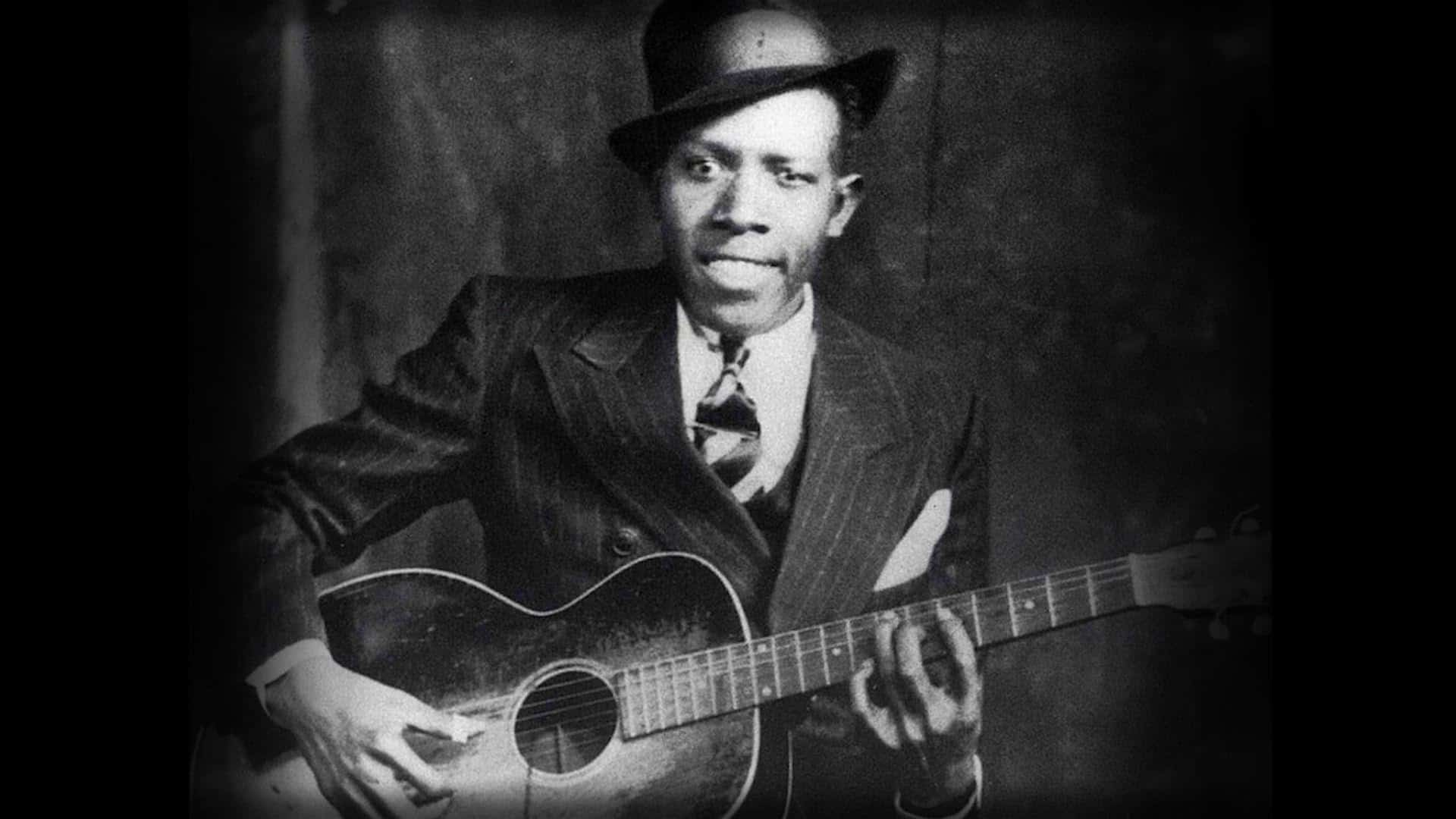
In the annals of blues history, the name Robert Johnson stands as a legendary figure, an enigmatic master of the Delta blues whose influence reverberates through the very soul of American music. As we embark on a journey through the timeless echoes of his artistry, this article endeavors to unveil the Top 10 Best Robert Johnson Songs of All Time. Born in the crucible of the Mississippi Delta during the early 20th century, Johnson’s short but impactful life left an indelible mark on the blues genre. His haunting voice and virtuoso guitar skills intertwined to create a sonic tapestry that transcends generations.
Within the clandestine depths of his repertoire lies a treasure trove of musical gems, each song weaving a narrative of love, loss, and the human condition. From the crossroads of Clarksdale to the juke joints of the Deep South, Johnson’s compositions have stood the test of time, influencing generations of musicians across genres. This exploration promises to delve into the emotional resonance, technical brilliance, and enduring legacy of the Top 10 Best Robert Johnson Songs, inviting readers to immerse themselves in the raw and poignant beauty that defines the essence of this blues icon’s unparalleled contributions to the world of music.
1. Cross Road Blues
“Cross Road Blues” stands as an iconic testament to Robert Johnson’s unparalleled mastery of the Delta Blues. Recorded in 1936, this timeless track has etched its place in music history as one of Johnson’s defining works. The hauntingly raw vocals and the intricate guitar work showcase his uncanny ability to convey profound emotion through his music. The lyrics, steeped in mythology and folklore, add a layer of mystique, as Johnson speaks of standing at a crossroads, a motif that has since become synonymous with the legendary pact he supposedly made with the devil for his unparalleled musical talent. The song’s rhythmic intensity, coupled with Johnson’s soul-piercing voice, creates an immersive experience that transcends time, resonating with listeners across generations.
“Cross Road Blues” has left an indelible mark on the blues genre, influencing countless musicians and becoming a cornerstone of the Delta Blues legacy. Its impact extends beyond the realms of blues, shaping the trajectory of rock and roll and inspiring artists like Eric Clapton and the Rolling Stones. The song’s enduring appeal lies not only in its technical brilliance but also in its ability to evoke a deep, visceral connection with the human experience. As one of Robert Johnson’s best, “Cross Road Blues” remains a musical pilgrimage for enthusiasts seeking to connect with the roots of American blues and the enigmatic brilliance of a true musical pioneer.
2. Last Fair Deal Gone Down
“Last Fair Deal Gone Down” is a haunting gem in Robert Johnson’s repertoire, showcasing his distinctive fingerpicking style and emotive vocal delivery. Recorded during his fabled 1936 sessions in San Antonio, Texas, this blues masterpiece resonates with a melancholic beauty that encapsulates the essence of Johnson’s artistry. The song’s narrative unfolds like a mournful tale, depicting a man grappling with the harsh realities of life and a series of ill-fated choices. Johnson’s lyrics, laden with vivid imagery and poetic storytelling, paint a vivid picture of the struggles and tribulations faced by those navigating the unforgiving terrain of the blues.
The intricate interplay between Johnson’s nimble guitar work and his soulful singing creates a mesmerizing sonic tapestry that lingers in the listener’s mind long after the last note fades away. “Last Fair Deal Gone Down” not only showcases Johnson’s technical prowess but also highlights his ability to infuse profound emotion into every note and lyric. As one of the quintessential tracks in Johnson’s repertoire, this song continues to captivate audiences and serves as a testament to the enduring power of his music. Its legacy endures, influencing musicians across genres and cementing Robert Johnson’s status as a foundational figure in the evolution of blues and rock music.
3. Traveling Riverside Blues
“Traveling Riverside Blues” stands as a testament to Robert Johnson’s virtuosity and innovation within the blues genre. Recorded in 1937, this track encapsulates Johnson’s signature fingerstyle guitar technique and his ability to weave intricate narratives through his lyrics. The song’s upbeat tempo and lively rhythm set it apart from some of Johnson’s more melancholic works, infusing a sense of energy and dynamism into his repertoire.
The lyrics of “Traveling Riverside Blues” are a testament to Johnson’s lyrical prowess, filled with vivid imagery and clever wordplay. The river serves as a metaphorical backdrop, with Johnson using it as a canvas to paint a picture of love, longing, and the challenges of life on the road. The iconic slide guitar riffs in the song further showcase Johnson’s mastery of the instrument, influencing generations of musicians who would later adopt and adapt his techniques.
As one of the standout tracks in Johnson’s catalog, “Traveling Riverside Blues” continues to resonate with audiences for its infectious rhythm, lyrical depth, and unparalleled musicianship. The song remains a cornerstone in the legacy of Robert Johnson, contributing to his enduring influence on the blues genre and beyond.
4. Drunken Hearted Man
“Drunken Hearted Man” is a blues classic that encapsulates the emotional depth and timeless appeal of Robert Johnson’s music. Recorded in 1937, this track showcases Johnson’s signature guitar style and soulful vocals, creating a poignant narrative of heartache and despair. The song’s title alone evokes a sense of vulnerability, setting the stage for a heartfelt exploration of the human condition.
The sparse instrumentation of “Drunken Hearted Man” allows Johnson’s guitar work to take center stage, and his intricate fingerpicking weaves a tapestry of sorrow and longing. The lyrics, steeped in the blues tradition of expressing personal anguish, tell a tale of a man grappling with the aftermath of a failed relationship and drowning his sorrows in alcohol. Johnson’s delivery, with its raw emotion and distinctive phrasing, adds a layer of authenticity that resonates with listeners on a profound level.
As one of the standout tracks in Johnson’s repertoire, “Drunken Hearted Man” continues to captivate audiences, serving as a testament to his enduring influence on the blues genre. The song’s emotional depth, coupled with Johnson’s unparalleled musicianship, ensures its place among the timeless classics that define the rich legacy of one of the most influential figures in the history of blues music.
5. They’re Red Hot
“They’re Red Hot” is a spirited and lively departure from Robert Johnson’s more melancholic blues offerings. Recorded in 1936, this track showcases Johnson’s playful side, featuring upbeat guitar riffs and a catchy, carefree melody. The song’s title is a nod to the popular food trend of the time – tamales being sold as “red hots” from portable stoves – and Johnson cleverly infuses his lyrics with a sense of humor and double entendre.
The infectious energy of “They’re Red Hot” is driven by Johnson’s nimble fingerstyle guitar playing, creating a rhythm that invites listeners to tap their feet and join in the fun. The lyrics, filled with witty wordplay and a touch of innuendo, add a lighthearted charm to the song. Johnson’s delivery, marked by his distinctive vocal style and rhythmic phrasing, adds to the overall exuberance of the track.
As a departure from the more somber themes often associated with the blues, “They’re Red Hot” showcases Johnson’s versatility as a musician and lyricist. The song’s upbeat tempo and playful nature provide a delightful contrast within Johnson’s body of work, illustrating his ability to explore different facets of the musical landscape while leaving an indelible mark on the blues genre.
6. Hellhound on My Trail
“Hellhound on My Trail” stands as a haunting and evocative masterpiece in Robert Johnson’s catalog. Recorded in 1937, this blues classic delves into themes of personal struggle, paranoia, and the relentless pursuit of fate. The title itself conjures an eerie image, symbolizing the specter of troubles that dog Johnson’s every step.
The song’s emotional depth is amplified by Johnson’s soulful vocals and his masterful guitar work. The mournful slide guitar creates a sense of impending doom, reflecting the gravity of the lyrics. Johnson’s poetic imagery paints a vivid picture of a man on the run, haunted by his own demons and the ominous presence of the titular hellhound. The sense of urgency in both the lyrics and the music creates a visceral experience for the listener, capturing the essence of the blues as a cathartic expression of personal turmoil.
As one of Johnson’s most iconic compositions, “Hellhound on My Trail” has left an indelible mark on the blues genre and beyond. Its influence extends to later generations of musicians, including those in the rock and folk movements. The song’s timeless quality lies in its ability to evoke a sense of existential unease while showcasing Johnson’s unparalleled talent for conveying profound emotion through his music, making it a cornerstone in the legacy of one of the blues’ greatest pioneers.
7. Kind Hearted Woman Blues
“Kind Hearted Woman Blues” is a testament to Robert Johnson’s ability to blend soulful vocals with intricate guitar work, creating a timeless blues classic. Recorded in 1936, this track exemplifies Johnson’s distinctive fingerpicking style and emotive storytelling. The title suggests a theme of love and relationships, but Johnson’s lyrics add depth with their nuanced exploration of heartache and longing.
The song opens with Johnson’s nimble guitar introduction, setting the stage for a captivating musical journey. His soulful vocals, marked by a delicate balance of vulnerability and resilience, weave a narrative of love and loss. The lyrics paint a picture of a complex relationship, where the protagonist grapples with the challenges of unrequited love and the bittersweet reality of a kind-hearted woman who may not reciprocate his feelings.
“Kind Hearted Woman Blues” showcases Johnson’s mastery of the blues tradition while offering a unique blend of sophistication and raw emotion. The song’s enduring appeal lies in its ability to resonate with listeners on a personal level, drawing them into the nuanced emotional landscape crafted by Johnson’s musical prowess. As one of the defining tracks in his repertoire, this song solidifies Robert Johnson’s legacy as a pioneering figure in the blues genre, influencing generations of musicians who followed in his footsteps.
8. I Believe I’ll Dust My Broom
“I Believe I’ll Dust My Broom” is a blues classic that exemplifies Robert Johnson’s mastery of the Delta blues style. Recorded in 1936, the song is a poignant expression of heartbreak and the desire to move on from a troubled relationship. The title, with its colloquial charm, hints at a sense of renewal and leaving behind the emotional baggage that weighs the protagonist down.
Johnson’s nimble fingerpicking technique takes center stage, creating a compelling and rhythmic foundation for the song. The opening guitar riff immediately draws listeners in, setting the tone for a journey through the emotional landscape of love gone awry. Johnson’s vocals, infused with a sense of resignation and determination, convey the complex emotions of a man seeking solace through the act of moving forward.
The lyrics of “I Believe I’ll Dust My Broom” add depth to the narrative, as Johnson uses metaphorical language to depict the pain of romantic disappointment. The broom becomes a symbol of cleansing and renewal, suggesting that the act of sweeping away the past is a necessary step towards healing. This song, with its infectious rhythm and emotional resonance, remains a quintessential example of Johnson’s contribution to the blues genre, leaving an indelible mark on the musical landscape and influencing generations of artists who followed in his footsteps.
9. Me and The Devil
“Me and the Devil” is a haunting and introspective blues masterpiece that delves into the themes of temptation, mortality, and the internal struggle between good and evil. Recorded in 1937, this track showcases Robert Johnson’s uncanny ability to infuse his music with a sense of mystique and emotional depth.
The song’s title immediately captures attention, as Johnson speaks directly to the ominous presence of the devil in his life. The opening guitar riff, characterized by its brooding and eerie tone, sets the stage for a dark and contemplative journey. Johnson’s vocals, marked by a soulful and mournful quality, convey a sense of inevitability as he grapples with the consequences of his choices.
Lyrically, “Me and the Devil” paints a vivid picture of a man facing the consequences of his actions and the looming shadow of mortality. The devil becomes a metaphor for the internal demons that one must confront in the pursuit of desires or vices. The song’s sparse instrumentation and Johnson’s emotive delivery create an atmosphere of both tension and resignation.
As one of Johnson’s most iconic compositions, “Me and the Devil” remains a testament to his influence on the blues genre. Its enigmatic aura and timeless themes have resonated with audiences for decades, solidifying Johnson’s status as a legendary figure in the history of blues music.
10. Sweet Home Chicago
“Sweet Home Chicago” is an electrifying anthem that embodies the spirit and energy of Chicago blues, showcasing Robert Johnson’s versatile approach to the genre. Recorded in 1936, this iconic track has become synonymous with the vibrant blues scene of the Windy City. Johnson’s upbeat and lively rendition captures the essence of the city’s electric blues sound, setting it apart from his earlier acoustic recordings.
The opening guitar riff immediately grabs the listener’s attention, and Johnson’s spirited vocals infuse the song with a contagious energy. The lyrics, celebrating the allure of Chicago and its promise of a better life, resonate with the Great Migration experience of African Americans moving from the rural South to urban centers in the North.
“Sweet Home Chicago” has transcended its origins to become a timeless classic, with countless artists covering and reinterpreting the song over the years. The track’s infectious rhythm and celebratory vibe have made it a staple in blues and rock repertoires alike. Johnson’s contribution to the Chicago blues tradition is unmistakable in this track, showcasing his ability to adapt to different musical styles while leaving an indelible mark on the evolution of the blues genre.

Samuel Moore is a frequent contributor to Singers Room. Since 2005, Singersroom has been the voice of R&B around the world. Connect with us via social media below.









