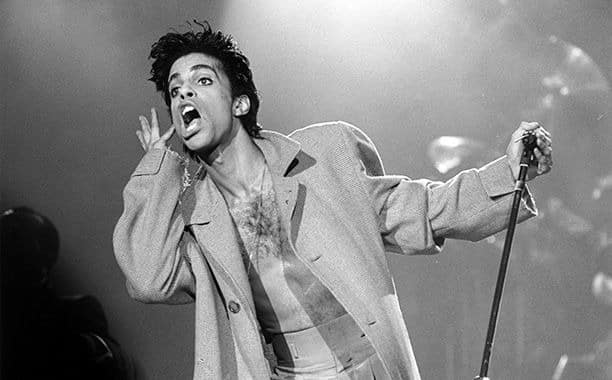
Prince, the enigmatic and influential musical genius, left an indelible mark on the world of music and entertainment. Born Prince Rogers Nelson on June 7, 1958, in Minneapolis, Minnesota, he became an iconic figure known for his extraordinary talent, innovation, and boundary-pushing creativity.
A multi-instrumentalist virtuoso, Prince seamlessly blended genres like funk, rock, R&B, and pop, crafting a unique sound that defied categorization. His dynamic stage presence and androgynous fashion sense challenged conventions, making him a cultural icon beyond the realm of music.
Prince’s magnum opus, “Purple Rain” (1984), showcased his musical prowess and earned critical acclaim, winning him multiple Grammy Awards. Hits like the title track and “When Doves Cry” became anthems of a generation. Not just a musical innovator, Prince used his platform to advocate for artists’ rights, famously fighting against industry exploitation.
His symbolic name change to an unpronounceable symbol, “The Love Symbol,” reflected his quest for artistic independence. Prince’s prolific career produced numerous albums, and his live performances were legendary for their energy and unpredictability.
Prince’s sudden passing on April 21, 2016, was a profound loss, but his legacy endures. His influence on music, fashion, and the concept of artistic freedom continues to resonate, cementing Prince as an immortal and unparalleled force in the pantheon of musical legends.
1. ‘Raspberry Beret’
“Raspberry Beret” is a delightful and whimsical song by Prince, released in 1985 as part of his eighth studio album, “Around the World in a Day.” The track showcases Prince’s ability to blend various musical genres, incorporating elements of pop, rock, and psychedelia.
The song tells the story of a romantic encounter with a girl wearing a raspberry beret. Prince’s lyrics are vivid and imaginative, creating a nostalgic and dreamlike atmosphere. The catchy chorus and upbeat melody contribute to the song’s infectious charm.
“Raspberry Beret” stands out for its departure from the electronic and funk sound of Prince’s previous album, “Purple Rain.” Instead, it features a more acoustic and melodic approach, influenced by ’60s psychedelic pop. The incorporation of jangly guitars, strings, and a playful rhythm section adds to the song’s vintage feel.
The track received positive reviews for its catchy hooks and Prince’s engaging storytelling. “Raspberry Beret” became a commercial success, reaching the top 10 on the Billboard Hot 100. It remains a fan favorite and is often cited as one of Prince’s most accessible and joyous compositions. The song’s enduring popularity highlights Prince’s versatility and his ability to captivate audiences with his eclectic musical style.
2. ‘I Would Die 4 U’
“I Would Die 4 U” is a captivating and spiritually charged song by Prince, released in 1984 as part of his landmark album “Purple Rain.” The track serves as a dynamic blend of pop, funk, and rock, showcasing Prince’s ability to create music that transcends genres.
The lyrics of “I Would Die 4 U” express devotion and love, with Prince declaring his willingness to make the ultimate sacrifice for the object of his affection. The song’s title, with its numerical substitution for the word “for,” reflects Prince’s distinctive and unconventional approach to language.
Musically, the track is characterized by its infectious synthesizer riff, driving beat, and Prince’s soulful vocals. The upbeat and danceable rhythm, along with the artist’s trademark falsetto, contributes to the song’s energetic and uplifting feel. “I Would Die 4 U” also features the Revolution’s tight instrumentation, adding layers of depth to the production.
As one of the singles from “Purple Rain,” “I Would Die 4 U” became a commercial success and a mainstay in Prince’s live performances. Its inclusion in the iconic film “Purple Rain” further solidified its impact on pop culture. The song’s universal theme of love and devotion, combined with its infectious melody, has made it a timeless and enduring part of Prince’s catalog.
3. ‘When Doves Cry’
“When Doves Cry” is a groundbreaking and iconic song by Prince, released in 1984 as the lead single from his sixth studio album, “Purple Rain.” The track is notable for its innovative production, distinctive sound, and Prince’s introspective lyrics.
The song’s title is evocative, suggesting a sense of peace and harmony disrupted by discord. Prince’s lyrics explore themes of love, relationships, and the challenges of maintaining emotional connections. The absence of a traditional bassline in the song is a notable feature, creating a unique and sparse sonic landscape.
“When Doves Cry” features a compelling blend of electronic and rock elements, with Prince handling nearly all the instruments and vocals himself. The striking guitar riff, memorable melody, and Prince’s emotive vocals contribute to the song’s timeless appeal. The track showcases Prince’s experimental approach to music production and his ability to push the boundaries of contemporary pop and rock.
The song became a massive commercial success, reaching the top of the charts in multiple countries. Its impact extended beyond its initial release, and “When Doves Cry” is often regarded as one of the greatest and most influential songs in the history of pop music. Prince’s fearless innovation and artistic vision shine through in this groundbreaking composition.
4. ‘Kiss’
“Kiss” is a funky and flirtatious song by Prince and The Revolution, released in 1986 as the lead single from the album “Parade: Music from the Motion Picture Under the Cherry Moon.” The track showcases Prince’s versatility, combining elements of funk, pop, and rock with his signature falsetto vocals.
“Kiss” features a sparse and minimalist arrangement, with a prominent drum beat, funky guitar riffs, and Prince’s playful lyrics. The song’s lyrics explore themes of romance and seduction, with Prince expressing his desire for a simple, genuine kiss rather than materialistic displays of affection.
One of the distinctive features of “Kiss” is Prince’s use of a sped-up vocal technique, creating a high-pitched and playful falsetto. The guitar work, characterized by a clean and staccato style, adds to the song’s infectious groove.
“Kiss” achieved commercial success, reaching the top of the charts in the United States. Its popularity was boosted by its inclusion in the film “Under the Cherry Moon,” in which Prince starred and directed. The track’s blend of funk and pop elements, along with Prince’s charismatic performance, contributed to its enduring appeal, making “Kiss” one of the standout hits in Prince’s prolific career.
5. ‘Little Red Corvette’
“Little Red Corvette” is a classic song by Prince, released in 1983 as the second single from his fifth studio album, “1999.” The track is a blend of rock, pop, and funk, showcasing Prince’s genre-defying musical style and his ability to craft memorable melodies.
The lyrics of “Little Red Corvette” are metaphorical and depict a romantic relationship, using the imagery of a fast and sleek car to convey the excitement and intensity of love. Prince’s metaphorical storytelling and clever wordplay are evident throughout the song.
Musically, the track is characterized by its catchy guitar riff, funky bassline, and Prince’s soulful vocals. The synthesizers and electronic elements contribute to the song’s energetic and danceable atmosphere. The combination of rock and funk elements in “Little Red Corvette” is representative of Prince’s eclectic approach to music.
The song became a commercial success, reaching the top 10 on the Billboard Hot 100. Its widespread popularity helped elevate Prince to international stardom. “Little Red Corvette” remains one of Prince’s most enduring and recognizable songs, celebrated for its infectious melody, innovative production, and Prince’s charismatic performance.
6. ‘1999’
“1999” is a landmark song by Prince, released in 1982 as the title track of his fifth studio album. The song became one of Prince’s signature hits, and its release preceded the album’s full release by a few months. “1999” is known for its upbeat and danceable sound, as well as its apocalyptic lyrics.
The lyrics of “1999” paint a vivid picture of a party atmosphere set against the backdrop of impending doom. Prince imagines people coming together to celebrate as if the year 1999 were the end of the world. The catchy chorus, with its repeated refrain of “Tonight I’m gonna party like it’s 1999,” became an anthem of celebration and anticipation.
Musically, “1999” features a mix of rock, funk, and new wave elements. The song’s infectious groove is driven by a prominent drumbeat, funky bassline, and Prince’s dynamic vocal delivery. The use of synthesizers and guitar work contributes to the track’s energetic and futuristic sound.
“1999” was a commercial success, reaching the top of the charts and solidifying Prince’s status as a pop and funk icon. The song’s popularity endured, especially as the year 1999 approached, when it became a cultural touchstone and was frequently played during New Year’s Eve celebrations. “1999” remains one of Prince’s most celebrated and enduring compositions, a testament to his ability to blend genres and create music that resonates across generations.
7. ‘Darling Nikki’
“Darling Nikki” is a provocative and controversial song by Prince, featured on his 1984 album “Purple Rain.” The track stands out for its explicit lyrics and unique blend of rock, funk, and pop elements.
The lyrics of “Darling Nikki” tell the story of a sexually liberated and independent woman named Nikki. Prince describes an encounter with Nikki in a hotel lobby and details the explicit nature of their relationship. The song’s narrative drew attention for its explicit content, leading to discussions about censorship and parental advisory warnings.
Musically, “Darling Nikki” features a funky bassline, a distorted guitar riff, and Prince’s signature falsetto vocals. The song incorporates electronic and rock elements, creating a distinctive and edgy sound. Prince’s experimental approach to production and his ability to blend genres are evident in this track.
“Darling Nikki” faced controversy and was one of the songs cited in the formation of the Parental Advisory label for explicit content. Despite, or perhaps because of, the controversy, the song became a fan favorite and a testament to Prince’s bold and boundary-pushing artistry. Its inclusion in the “Purple Rain” album contributed to the overall impact of the soundtrack and solidified Prince’s status as a groundbreaking and fearless musical innovator.
8. ‘I Could Never Take the Place of Your Man’
“I Could Never Take the Place of Your Man” is a song by Prince from his 1987 double album “Sign o’ the Times.” The track showcases Prince’s versatility, blending rock, pop, and funk elements.
The lyrics tell the story of a man who, despite his own desires, is aware that he cannot replace someone special in a woman’s life. The song explores themes of longing, love, and the recognition of emotional limitations.
Musically, “I Could Never Take the Place of Your Man” features a catchy guitar riff and showcases Prince’s instrumental prowess. The song’s structure shifts between a mellow, melodic feel during the verses to a more upbeat and energetic chorus, highlighting Prince’s ability to seamlessly blend different musical styles.
Released as a single, the song received critical acclaim for its infectious melody and Prince’s vocal delivery. While it didn’t achieve the commercial success of some of his earlier hits, it has become a fan favorite and a staple in Prince’s live performances. The track’s dynamic arrangement and emotional depth contribute to its enduring popularity among fans and critics alike.
9. ‘The Beautiful Ones’
“The Beautiful Ones” is a soulful ballad by Prince, featured on his iconic album “Purple Rain,” released in 1984. The song is a showcase of Prince’s vocal prowess, emotional depth, and his ability to blend elements of R&B, rock, and pop seamlessly.
The lyrics of “The Beautiful Ones” express the intensity and vulnerability of romantic longing. Prince’s passionate delivery reflects the emotions of desire and heartache, making the song a poignant exploration of love and attraction.
Musically, the song begins with a delicate piano introduction, showcasing Prince’s proficiency on the instrument. As the track progresses, it builds in intensity, incorporating elements of rock with electric guitar solos and dynamic vocal performances. The juxtaposition of tender moments and powerful crescendos adds to the overall impact of the song.
“The Beautiful Ones” is a standout track on the “Purple Rain” album and was later featured prominently in the 2016 Broadway musical “Purple Rain,” based on Prince’s music. The song’s emotional depth, coupled with its musical artistry, has contributed to its enduring popularity, and it remains a cherished piece in Prince’s extensive and influential catalog.
10. ‘Purple Rain’
“Purple Rain” is a monumental ballad and the title track of Prince’s sixth studio album, released in 1984. The song is widely regarded as one of Prince’s greatest achievements and has become an enduring anthem, both for its musical brilliance and its association with the film of the same name.
The lyrics of “Purple Rain” are emotionally charged, depicting themes of love, heartbreak, and spiritual yearning. The metaphorical “purple rain” itself is open to interpretation, symbolizing a cleansing or transformative force. Prince’s heartfelt vocal delivery, accompanied by his iconic falsetto, adds a layer of emotional resonance to the song.
Musically, “Purple Rain” is an epic composition that incorporates rock, pop, and gospel elements. The song features a powerful guitar solo by Prince, often cited as one of the greatest solos in rock history. The emotional intensity builds throughout the track, culminating in a climactic and soul-stirring conclusion.
The success of “Purple Rain” was instrumental in catapulting Prince to international superstardom. The accompanying album won multiple Grammy Awards, and the song itself reached the top of the charts. The film “Purple Rain,” in which Prince starred, showcased the song in a memorable performance scene, further solidifying its iconic status.
“Purple Rain” remains a timeless classic, celebrated for its musical virtuosity and emotional impact. It continues to resonate with audiences, and Prince’s live performances of the song, often filled with raw emotion, are remembered as some of the most powerful moments in his career.

Edward Tomlin is a frequent contributor to Singers Room. Since 2005, Singersroom has been the voice of R&B around the world. Connect with us via social media below.









