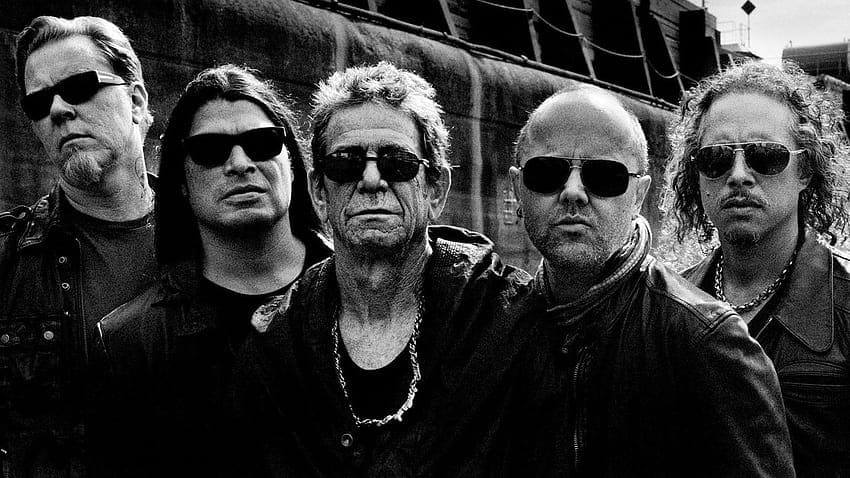
Metallica is an American heavy metal band formed in Los Angeles, California, in 1981. The founding members were drummer Lars Ulrich and guitarist/vocalist James Hetfield. Over the years, the lineup has seen several changes, with guitarist Kirk Hammett joining the band in 1983 and bassist Robert Trujillo becoming a member in 2003.
Metallica is one of the most influential and commercially successful heavy metal bands in the world. They are known for their aggressive musical style, complex song structures, and socially conscious lyrics. The band’s early albums, including “Kill ‘Em All” (1983), “Ride the Lightning” (1984), and “Master of Puppets” (1986), are considered classics in the thrash metal genre.
The release of their eponymous fifth album, commonly known as “The Black Album” (1991), marked a shift to a more mainstream sound while retaining their heavy metal roots. “The Black Album” produced hit singles like “Enter Sandman” and “Nothing Else Matters,” catapulting Metallica to global superstardom.
Throughout their career, Metallica has faced controversies and lineup changes, but they have remained a powerful force in the music industry. Their discography includes critically acclaimed albums such as “…And Justice for All” (1988), “Metallica” (1991), “Load” (1996), and “Death Magnetic” (2008).
Metallica is renowned for their energetic live performances and has won numerous awards, including multiple Grammy Awards. They continue to tour extensively and release new music, maintaining their status as one of the most enduring and influential bands in the heavy metal genre.
1. One
“One” by Metallica stands as an enduring masterpiece within the heavy metal canon, a poignant sonic journey that transcends musical boundaries. Released in 1988 as part of the album “…And Justice for All,” the song showcases Metallica’s artistic evolution and prowess. Clocking in at over seven minutes, “One” is a multi-faceted epic that seamlessly blends intricate musicality with profound storytelling.
The song’s narrative draws inspiration from Dalton Trumbo’s novel “Johnny Got His Gun,” offering a visceral exploration of the physical and psychological toll of war. James Hetfield’s raw and emotive vocals capture the anguish of a wounded soldier trapped in a state of perpetual suffering. The music itself is a dynamic fusion of melodic sensitivity and aggressive metal riffing, displaying Metallica’s ability to evoke intense emotions through their compositions.
The transcendent guitar solo, the thunderous drumming by Lars Ulrich, and the intricate interplay between band members contribute to the song’s timeless appeal. “One” not only earned Metallica critical acclaim and a Grammy Award but also became a cultural touchstone. Its iconic status is heightened by the impactful music video and its continued resonance in live performances, where it remains a powerful and cathartic experience for audiences worldwide. “One” stands tall as a testament to Metallica’s ability to elevate heavy metal to an art form, leaving an indelible mark on the genre’s landscape.
2. Master of Puppets
“Master of Puppets” by Metallica stands as an unparalleled icon in the realm of heavy metal, a monumental composition that has left an indelible mark on the genre since its release in 1986. Serving as the title track of Metallica’s third studio album, “Master of Puppets” is a tour de force of musical complexity, thematic depth, and emotional intensity.
Clocking in at over eight minutes, the song takes listeners on a sonic odyssey marked by intricate guitar riffs, thunderous drum patterns, and a relentless, driving energy. The interplay between James Hetfield’s rhythmic guitar work, Kirk Hammett’s searing solos, Cliff Burton’s distinctive bass lines, and Lars Ulrich’s powerful drumming creates a sonic tapestry that defines the epitome of thrash metal.
Lyrically, “Master of Puppets” delves into the dark realms of addiction and the loss of control. The metaphorical narrative of being manipulated like a puppet by substances resonates with a profound sense of despair and disillusionment.
A standout moment in the song is the instrumental section, showcasing the technical virtuosity of the band. The harmonized guitar solos and the relentless musical assault contribute to the song’s status as an anthem of the genre.
Despite never being released as a single, “Master of Puppets” has become an anthem for Metallica and a quintessential representation of thrash metal’s power and complexity. The album itself is regarded as a landmark in heavy metal history, and the title track remains a staple in Metallica’s live performances. “Master of Puppets” stands as a timeless testament to the enduring influence and artistic brilliance of Metallica within the pantheon of heavy metal music.
3. Enter Sandman
“Enter Sandman” is a seismic and iconic track by Metallica, released in 1991 as the lead single from their eponymous fifth studio album, often referred to as “The Black Album.” This song not only marked a pivotal moment in Metallica’s career but also became a cultural phenomenon, bridging the gap between metal and mainstream success.
With its distinctive and haunting guitar riff, courtesy of Kirk Hammett, “Enter Sandman” immediately captivates listeners. James Hetfield’s memorable vocal delivery, coupled with lyrics exploring themes of nightmares and childhood fears, adds a layer of intrigue to the song.
The track’s dynamics, ranging from the subdued verses to the explosive chorus, showcase Metallica’s ability to craft a compelling narrative within a heavy metal framework. The song’s middle section features a dreamlike guitar solo, adding an ethereal quality to the overall composition.
“Enter Sandman” achieved widespread commercial success, reaching high chart positions globally. Its music video, featuring surreal and nightmarish imagery, contributed to its impact and further solidified Metallica’s presence in the mainstream.
The song’s crossover appeal introduced Metallica to a broader audience, earning them a Grammy Award and securing “The Black Album” as one of the best-selling albums of all time. “Enter Sandman” remains a staple in Metallica’s live performances, embodying the band’s ability to create enduring, genre-defying anthems that resonate across generations.
4. Fade to Black
“Fade to Black” by Metallica is a poignant and introspective song that stands as a powerful testament to the band’s ability to transcend traditional heavy metal conventions. Released in 1984 as part of the album “Ride the Lightning,” the song showcases Metallica’s early forays into complex songwriting and emotionally charged lyricism.
“Fade to Black” is a departure from the aggressive thrash metal sound that defined Metallica’s earlier work. The song opens with melodic clean guitar arpeggios, setting a somber and contemplative tone. James Hetfield’s vocals convey a sense of vulnerability as the lyrics explore themes of despair, alienation, and the contemplation of suicide.
The song’s gradual build-up leads to a dynamic shift, introducing heavy guitar riffs and powerful drumming. The contrast between the subdued verses and the explosive chorus highlights Metallica’s dynamic range and their ability to evoke a wide range of emotions within a single composition.
“Fade to Black” received critical acclaim for its musical complexity and emotional depth. It demonstrated Metallica’s willingness to experiment with different styles while maintaining their identity as a pioneering force in heavy metal. The song’s impact has endured over the years, becoming a fan favorite and a staple in Metallica’s live performances.
As a groundbreaking piece in Metallica’s discography, “Fade to Black” showcased the band’s artistic evolution and set a precedent for their future explorations into more nuanced and introspective musical territories.
5. For Whom the Bell Tolls
“For Whom the Bell Tolls” by Metallica is a powerful and enduring heavy metal classic, featured on their 1984 album “Ride the Lightning.” Known for its iconic opening bass riff and its evocative atmosphere, the song is inspired by Ernest Hemingway’s novel of the same name, exploring themes of war and mortality.
The track opens with a distinctive bass intro played by Cliff Burton, setting the tone for the impending sonic assault. James Hetfield’s gritty vocals and the relentless drumming by Lars Ulrich contribute to the song’s intense and driving energy. The chugging guitar riffs, courtesy of Hetfield and Kirk Hammett, create a sense of urgency that aligns with the song’s themes of impending doom.
Lyrically, “For Whom the Bell Tolls” delves into the experiences of soldiers facing the inevitability of death on the battlefield. The tolling bells in the song serve as a metaphor for mortality, echoing the novel’s exploration of sacrifice and the human cost of war.
The instrumental mid-section features a melodic guitar solo, showcasing Metallica’s ability to blend aggression with musicality. The song’s dynamic shifts and powerful delivery contribute to its timeless appeal within the heavy metal genre.
“For Whom the Bell Tolls” has become a staple in Metallica’s live performances, resonating with audiences worldwide. Its impact extends beyond the metal community, making it a standout track in Metallica’s illustrious career and a definitive moment in the history of heavy metal music.
6. Seek & Destroy
“Seek & Destroy” by Metallica is an early thrash metal anthem that embodies the raw energy and aggression of the genre. Released on their debut studio album, “Kill ‘Em All,” in 1983, the song is a quintessential representation of Metallica’s early sound and their impact on the emerging thrash metal movement.
“Seek & Destroy” opens with a menacing guitar riff that sets the stage for a relentless sonic onslaught. James Hetfield’s aggressive vocals and the rapid-fire drumming by Lars Ulrich contribute to the song’s intense and rebellious atmosphere. The lyrics, which revolve around the concept of a military mission, add to the overall sense of urgency and destruction.
One of the defining features of “Seek & Destroy” is its infectious and memorable chorus, encouraging audience participation and making it a favorite in Metallica’s live performances. The song’s straightforward structure and driving rhythm showcase the band’s early commitment to creating music that was both powerful and accessible.
As one of the standout tracks on “Kill ‘Em All,” “Seek & Destroy” helped establish Metallica as a force to be reckoned with in the thrash metal scene. Its impact extends beyond the early years of the band, remaining a fan favorite and a staple in Metallica’s live setlists, illustrating its enduring influence on the evolution of heavy metal.
7. Nothing Else Matters
“Nothing Else Matters” by Metallica is a profound departure from the band’s signature thrash metal sound, showcasing a softer and more introspective side. Released in 1992 as part of the “Metallica” (also known as “The Black Album”), the song became a monumental success, breaking new ground for the band and captivating audiences worldwide.
The song is characterized by its melodic and acoustic guitar-driven arrangement, with a distinctively emotive intro played by James Hetfield. The lyrics, written by Hetfield, delve into themes of love, trust, and vulnerability, offering a personal and intimate glimpse into the frontman’s emotions. The heartfelt nature of the lyrics and Hetfield’s sincere vocal delivery contribute to the universal appeal of the song.
“Nothing Else Matters” became a crossover hit, reaching audiences beyond the traditional heavy metal fanbase. Its emotional resonance and accessibility contributed to its success on mainstream charts. The power ballad is often cited as one of Metallica’s greatest achievements, demonstrating their ability to transcend genre boundaries.
Despite its departure from Metallica’s heavier roots, “Nothing Else Matters” has become a staple in their live performances, showcasing the band’s versatility and the enduring impact of this emotionally charged composition. It remains a timeless classic that has left an indelible mark on the band’s legacy and the broader landscape of rock music.
8. Sad But True
“Sad But True” by Metallica is a massive and menacing heavy metal anthem that emerged from their eponymous fifth studio album, commonly known as “The Black Album,” released in 1991. The song represents a shift towards a darker, slower, and more groove-oriented sound for Metallica, showcasing their ability to explore different musical territories.
The track opens with a slow and ominous guitar riff, creating a sense of impending doom. James Hetfield’s deep and gravelly vocals contribute to the song’s brooding and powerful atmosphere. Lyrically, “Sad But True” explores themes of self-awareness, inner darkness, and the acknowledgment of personal flaws.
One of the defining characteristics of the song is its deliberate pacing and heavy instrumentation. The colossal and downtuned guitar riffs, combined with the rhythmic precision of Lars Ulrich’s drumming, create a sonic behemoth that resonates with a sense of heaviness and intensity.
“Sad But True” became a concert staple for Metallica and remains one of their most enduring and recognizable songs. Its impact extends beyond the metal genre, as the song’s powerful and hypnotic quality has left a lasting impression on audiences. The “Sad But True” riff has become synonymous with Metallica’s sound, and the track’s enduring popularity underscores its significance within the band’s extensive discography.
9. The Unforgiven
“The Unforgiven” by Metallica is a compelling and introspective ballad that emerged from their fifth studio album, commonly known as “The Black Album,” released in 1991. The song showcases Metallica’s ability to blend heavy metal with melodic elements, introducing a softer side to their sound.
Opening with a delicate acoustic guitar melody, “The Unforgiven” sets a contemplative tone. James Hetfield’s vocal delivery is emotive and introspective as the lyrics explore themes of self-discovery, regret, and the burden of past mistakes. The song’s narrative is rich with metaphorical imagery, reflecting on the consequences of one’s actions and the struggle for personal redemption.
As the song progresses, it builds in intensity, incorporating electric guitars and dynamic shifts that add layers to the emotional landscape. The guitar solo, performed by Kirk Hammett, is melodic and adds a poignant touch to the composition.
“The Unforgiven” became a commercial success for Metallica, earning radio play and reaching a broader audience. The song’s atmospheric and soul-searching qualities distinguish it within the band’s discography, showcasing their versatility as musicians.
With its memorable melody, powerful lyrics, and emotional depth, “The Unforgiven” remains a fan favorite and is often performed in Metallica’s live shows, highlighting its enduring impact on both the band and the broader landscape of rock music.
10. Welcome Home (Sanitarium)
“Welcome Home (Sanitarium)” by Metallica is a compelling and dynamic track from their third studio album, “Master of Puppets,” released in 1986. The song is a testament to Metallica’s prowess in crafting intricate compositions that seamlessly blend heavy metal with melodic and progressive elements.
The lyrics of “Welcome Home (Sanitarium)” are inspired by Ken Kesey’s novel “One Flew Over the Cuckoo’s Nest.” The song delves into themes of confinement, mental struggles, and the desire for freedom. James Hetfield’s vocals capture the anguish and yearning expressed in the lyrics, creating a powerful emotional resonance.
Musically, the song showcases the band’s versatility with its dynamic shifts, intricate guitar work, and melodic passages. The harmonized guitar solos, a hallmark of Metallica’s style, add a layer of complexity and intensity to the composition. The contrast between the softer and heavier sections of the song contributes to its dramatic and evocative atmosphere.
“Welcome Home (Sanitarium)” has become a fan favorite and is often cited as one of the standout tracks on “Master of Puppets.” The song’s impact is evident in its enduring popularity and frequent inclusion in Metallica’s live performances. Its thematic depth, coupled with the band’s musical craftsmanship, has solidified its place as a classic within the heavy metal genre.

Edward Tomlin is a frequent contributor to Singers Room. Since 2005, Singersroom has been the voice of R&B around the world. Connect with us via social media below.









