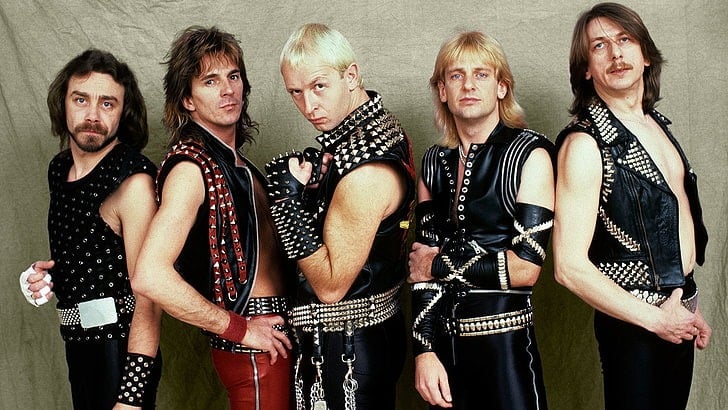
In the vast realm of heavy metal, few bands have achieved the iconic status and enduring influence of Judas Priest. With a career spanning over five decades, the British metal legends have left an indelible mark on the genre, shaping its sound and inspiring countless musicians. As we embark on a journey through the sonic tapestry of Judas Priest’s illustrious catalog, we delve into the heart of their musical legacy to uncover the “Top 10 Best Judas Priest Songs of All Time.” From the menacing riffs that defined the early days of British heavy metal to the anthems that fueled the metal resurgence of the 1980s, each track on this list represents a triumph of musical prowess and a testament to the band’s enduring creativity. Whether you’re a seasoned metalhead or a newcomer to the genre, this compilation serves as a celebration of Judas Priest’s unparalleled ability to blend aggression, melody, and lyrical depth. So, tighten your leather and steel yourself for a thrilling exploration of the ten tracks that have solidified Judas Priest’s legacy as one of the greatest metal bands of all time.
1. Breaking the Law
“Breaking the Law” stands as an iconic anthem in Judas Priest’s extensive catalog, securing its position as one of the band’s best songs of all time. Released in 1980 as part of the “British Steel” album, the track is a quintessential representation of Judas Priest’s signature sound and rebellious spirit. Its distinctive opening riff, crafted by guitarist Glenn Tipton, instantly grabs the listener’s attention, setting the stage for a relentless journey of sonic power. Rob Halford’s soaring vocals add a dynamic layer to the song, with his defiant delivery reflecting the rebellious theme of breaking societal norms. The catchy chorus, featuring the memorable refrain “Breaking the law, breaking the law,” has become a rallying cry for fans worldwide, solidifying the song’s enduring impact on heavy metal.
“Breaking the Law” not only showcases Judas Priest’s musical prowess but also addresses universal themes of defiance and nonconformity. The song’s enduring popularity is evident in its frequent inclusion in the band’s live performances and its continued resonance with new generations of metal enthusiasts. With its timeless appeal, “Breaking the Law” remains a cornerstone in the Judas Priest repertoire, a testament to the band’s ability to craft enduring classics that transcend time and genre boundaries.
2. You’ve Got Another Thing Comin’
“You’ve Got Another Thing Comin'” stands tall among Judas Priest’s greatest hits, earning its place as one of the 10 Best Judas Priest Songs of All Time. Released in 1982 as part of the “Screaming for Vengeance” album, the song is a powerful showcase of the band’s mastery in blending heavy metal with melodic elements. The driving force of the track is K.K. Downing and Glenn Tipton’s dual guitar attack, delivering memorable riffs and harmonies that contribute to the song’s timeless appeal. Rob Halford’s vocals soar to new heights, displaying his remarkable range and delivering a powerful performance that captures the essence of the genre.
The infectious chorus, featuring the defiant line “You’ve got another thing comin’,” became an anthem for the rebellious spirit of the era and continues to resonate with audiences today. The song’s success helped propel Judas Priest to mainstream recognition and remains a staple in their live performances. “You’ve Got Another Thing Comin'” is a testament to the band’s ability to evolve without compromising their signature sound, solidifying its status as a classic in the heavy metal canon. With its dynamic instrumentation and Halford’s commanding presence, this song remains a standout achievement in Judas Priest’s extensive and influential career.
3. Living After Midnight
“Living After Midnight” claims its well-deserved spot as one of the 10 Best Judas Priest Songs of All Time, representing a pinnacle moment in the band’s musical legacy. Released in 1980 as part of the “British Steel” album, the track perfectly captures the essence of the era with its infectious energy and anthemic quality. The song’s opening riff, crafted by guitarists Glenn Tipton and K.K. Downing, is instantly recognizable, setting the stage for a rock anthem that transcends generations. Rob Halford’s vocals shine as he effortlessly navigates between powerful highs and gritty lows, adding a layer of charisma to the song.
The upbeat tempo and catchy chorus make “Living After Midnight” a timeless classic, and its success contributed significantly to Judas Priest’s mainstream breakthrough. The song’s themes of nightlife and rebellion resonated with fans, making it a go-to track for both dedicated metalheads and casual listeners alike. Its enduring popularity is evident in its frequent inclusion in the band’s live sets and its continued impact on popular culture. “Living After Midnight” remains a testament to Judas Priest’s ability to create anthems that stand the test of time, embodying the spirit of heavy metal while showcasing the band’s musical prowess.
4. Painkiller
“Painkiller” stands as a juggernaut in Judas Priest’s repertoire and rightfully claims its place as one of the 10 Best Judas Priest Songs of All Time. Released in 1990 as the title track of the album, “Painkiller” is a sonic tour de force that showcases the band’s unyielding power and technical prowess. The opening drum assault by Scott Travis sets an intense pace, foreshadowing the relentless energy that follows throughout the song. The dual guitar attack of Glenn Tipton and K.K. Downing is on full display, delivering blistering riffs and harmonies that define the aggressive and dynamic nature of the track.
Rob Halford’s vocals in “Painkiller” are nothing short of extraordinary, reaching new heights with piercing screams and a commanding presence that solidifies the song’s status as a heavy metal masterpiece. The lyrics, with themes of a metallic savior bringing relief from pain, add a unique and epic dimension to the composition. “Painkiller” not only marked a triumphant return for Judas Priest in the 1990s but also became an influential benchmark for the evolving metal genre. Its impact is enduring, as the song remains a favorite among metal enthusiasts and a staple in Judas Priest’s live performances, illustrating the band’s ability to reinvent themselves while staying true to their iconic sound.
5. Hell Bent for Leather
“Hell Bent for Leather” secures its place among the 10 Best Judas Priest Songs of All Time as a quintessential representation of the band’s prowess in blending heavy metal with a touch of glam and leather-clad attitude. Featured on the 1978 album of the same name, the song reflects the transitional period in Judas Priest’s sound, infusing traditional metal elements with a dash of hard rock. The track’s driving force lies in its unmistakable riff, courtesy of guitarists Glenn Tipton and K.K. Downing, setting the stage for a headbanging anthem that encapsulates the rebellious spirit of the late ’70s.
Rob Halford’s distinctive vocals add a layer of charisma to “Hell Bent for Leather,” showcasing his ability to deliver both powerful, gritty verses and a melodic, memorable chorus. The lyrics, celebrating the freedom and empowerment found in leather-clad attire, became a symbol of the band’s iconic image. The song’s influence extends beyond its initial release, with its impact felt in the evolution of heavy metal fashion and attitude. “Hell Bent for Leather” remains a fan favorite, frequently featured in Judas Priest’s live performances, a testament to its enduring appeal and its contribution to the band’s legacy as pioneers of the metal genre.
6. Electric Eye
“Electric Eye” boldly claims its spot among the 10 Best Judas Priest Songs of All Time, representing a sonic journey that combines futuristic themes with the band’s trademark heavy metal sound. Released in 1982 as part of the “Screaming for Vengeance” album, the song stands out for its distinctive riff, crafted by guitarists Glenn Tipton and K.K. Downing, creating an atmosphere of suspense and intensity. The track’s pulsating rhythm, driven by the powerhouse drumming of Dave Holland, complements the futuristic and dystopian lyrics, painting a vivid picture of surveillance and technology.
Rob Halford’s vocals in “Electric Eye” are a commanding force, delivering the lyrics with a blend of aggression and precision that matches the song’s thematic intensity. The chorus, with its anthemic repetition of “I am the Electric Eye,” has become an iconic refrain in the Judas Priest discography. The song’s impact extends beyond its initial release, influencing subsequent generations of metal musicians and earning its place in popular culture. “Electric Eye” showcases Judas Priest’s ability to push boundaries within the metal genre, experimenting with themes and sounds while maintaining their unmistakable identity. The track remains a standout example of the band’s creative prowess and continues to captivate audiences with its futuristic vision and sonic power.
7. Turbo Lover
“Turbo Lover” secures its position among the 10 Best Judas Priest Songs of All Time as a distinctive and bold departure from the band’s traditional sound. Featured on the 1986 album “Turbo,” the song reflects Judas Priest’s willingness to experiment with synthesizers and embrace a more polished, radio-friendly sound during the ’80s. The opening synthesizer riff, combined with the catchy guitar work of Glenn Tipton and K.K. Downing, creates an infectious and dynamic blend that sets “Turbo Lover” apart.
Rob Halford’s vocals shine in “Turbo Lover,” effortlessly transitioning between the gritty verses and the soaring chorus. The lyrics, exploring themes of love and desire in the context of a futuristic, high-speed world, contribute to the song’s allure. The catchy chorus, with its anthemic declaration of “Turbo Lover, tell me there’s no other,” showcases Judas Priest’s ability to craft memorable hooks even in the midst of their sonic experimentation. While the ‘Turbo’ album initially faced mixed reactions from fans, “Turbo Lover” has since gained recognition as a unique and enduring entry in the band’s catalog, illustrating their adaptability and willingness to explore new musical frontiers.
8. The Ripper
“The Ripper” secures its place among the 10 Best Judas Priest Songs of All Time with its haunting and macabre atmosphere, showcasing the band’s ability to delve into darker, more sinister themes. Featured on the 1976 album “Sad Wings of Destiny,” the song stands out as a masterpiece of heavy metal storytelling. The eerie guitar work of Glenn Tipton and K.K. Downing sets the tone, creating a chilling backdrop for the narrative inspired by the infamous Victorian-era serial killer, Jack the Ripper.
Rob Halford’s vocals in “The Ripper” are nothing short of theatrical, adding a layer of dramatic intensity to the song. His ability to convey a sense of mystery and horror through his vocal delivery enhances the overall impact of the track. The song’s dynamic shifts between ominous verses and a powerful, melodic chorus contribute to its timeless appeal. “The Ripper” exemplifies Judas Priest’s early experimentation with diverse lyrical themes and musical styles, showcasing their versatility within the heavy metal genre. As a standout track in their discography, “The Ripper” remains a testament to the band’s ability to craft atmospheric and evocative pieces that transcend traditional metal boundaries.
9. Heading Out to the Highway
“Heading Out to the Highway” earns its esteemed place among the 10 Best Judas Priest Songs of All Time as a high-octane anthem that perfectly encapsulates the spirit of the open road. Released in 1981 as part of the “Point of Entry” album, the song stands out with its infectious energy, fueled by the driving guitar work of Glenn Tipton and K.K. Downing. The track opens with a distinctive riff that immediately sets the stage for a journey of adrenaline-pumping proportions.
Rob Halford’s vocals in “Heading Out to the Highway” exude a sense of liberation and wanderlust, capturing the essence of the road trip experience. The anthemic chorus, featuring the memorable line “Heading out to the highway, I got nothing to lose at all,” resonates with fans as a rallying cry for freedom and adventure. The song’s upbeat tempo and dynamic structure make it a timeless classic that has become a staple in Judas Priest’s live performances. “Heading Out to the Highway” stands as a testament to the band’s ability to infuse their heavy metal sound with a sense of escapism and celebration, making it a favorite among fans and a standout track in their extensive catalog.
10. Screaming for Vengeance
“Screaming for Vengeance” rightfully claims its position among the 10 Best Judas Priest Songs of All Time, standing as a powerful testament to the band’s enduring influence and mastery of the heavy metal genre. The title track from the 1982 album, “Screaming for Vengeance,” is a sonic juggernaut that showcases the iconic twin-guitar assault of Glenn Tipton and K.K. Downing. The opening riff immediately grabs the listener’s attention, setting the stage for a relentless barrage of metal mayhem.
Rob Halford’s vocals in “Screaming for Vengeance” are nothing short of commanding, demonstrating his exceptional range and ability to convey raw emotion. The lyrics, with themes of rebellion and a call for justice, resonate with the assertive energy that defines the song. The anthemic chorus, featuring the rallying cry “Screaming, screaming for vengeance,” has become a battle cry for metalheads worldwide. The song’s impact extends beyond its initial release, as it remains a fan favorite and a highlight in Judas Priest’s live performances.
“Screaming for Vengeance” represents the epitome of Judas Priest’s prowess in crafting anthems that transcend time, solidifying its place as a classic within the heavy metal canon. With its powerful instrumentation, memorable chorus, and timeless appeal, the track remains an essential part of the band’s legacy.

Samuel Moore is a frequent contributor to Singers Room. Since 2005, Singersroom has been the voice of R&B around the world. Connect with us via social media below.









