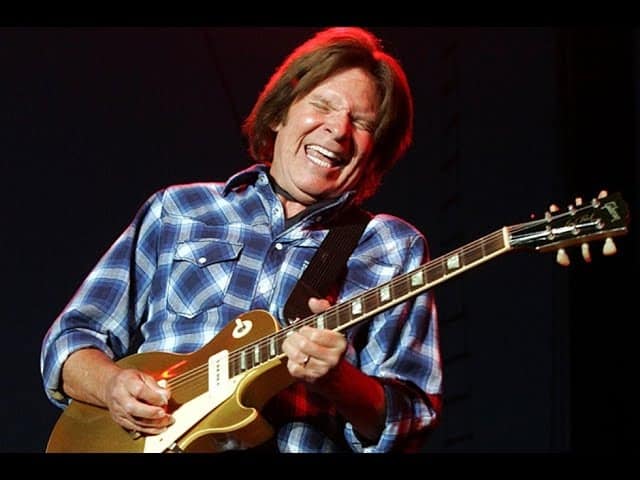
John Fogerty is a legendary American musician, singer, and songwriter, best known as the lead vocalist and primary songwriter for the influential rock band Creedence Clearwater Revival (CCR). Born on May 28, 1945, in Berkeley, California, Fogerty played a crucial role in shaping the band’s distinctive sound, characterized by its rootsy rock, blues influences, and socially relevant lyrics.
CCR, formed in the late 1960s, achieved immense success under Fogerty’s leadership, producing a string of hit singles and albums that became synonymous with the era. Some of their timeless classics include “Bad Moon Rising,” “Fortunate Son,” and “Proud Mary.” Fogerty’s soulful voice, evocative songwriting, and guitar prowess played a pivotal role in the band’s success.
Despite CCR’s dissolution in 1972, Fogerty embarked on a successful solo career, marked by hits like “Centerfield” and “The Old Man Down the Road.” His solo work continued to showcase his knack for crafting memorable songs with a rootsy, Americana feel.
John Fogerty’s impact on the rock music landscape is profound, earning him a place in the Rock and Roll Hall of Fame with CCR. His enduring legacy is characterized by his ability to blend rock, blues, and folk influences into a sound that resonates across generations. Fogerty’s contribution to the world of music remains a testament to his talent and enduring influence.
1. Proud Mary
- Listen to the original version of Proud Mary by Creedence Clearwater Revival.
- Explore the live version of Proud Mary from John Fogerty's performances.
- Discover cover versions of Proud Mary by different artists.
For a deeper dive into the music of John Fogerty, explore his other iconic hits like 'Centerfield' and 'Bad Moon Rising.'
2. Bad Moon Rising
- Listen to the song 'Bad Moon Rising' by John Fogerty to understand its lyrics and musical composition.
- Explore the song's cultural impact and its reception by critics and audiences.
- Discover the inspiration behind the song and its historical context.
Fact: 'Bad Moon Rising' was released in 1969 and became one of Creedence Clearwater Revival's most successful and enduring songs, reaching the top of the charts in multiple countries.
3. Fortunate Son
Fortunate Son, an iconic song by John Fogerty, reflects the anti-establishment sentiment during the Vietnam War era. Its raw, rebellious lyrics and driving rhythm captured the frustration of young Americans facing the draft. The song's enduring relevance is a testament to its powerful portrayal of social and political unrest.
During the Vietnam War, many young men from affluent families could evade the draft through educational exemptions or connections, highlighting social inequalities in the draft process.
4. Have You Ever Seen the Rain?
John Fogerty's song 'Have You Ever Seen the Rain?' was released in 1970 and is one of his most iconic tracks. Interestingly, despite its upbeat tempo, the song's lyrics actually convey a sense of longing and introspection, making it a unique blend of musical composition and emotional depth.
5. Down on the Corner
- Listen to the song to understand its musical style and lyrics.
- Research the background and inspiration behind the song.
- Explore the cultural and historical context of the song.
- Examine the critical reception and impact of the song.
- Compare the song with other works by John Fogerty to appreciate its significance.
6. Centerfield
Centerfield, a hit single by John Fogerty, became an anthem for baseball fans and players. Its upbeat tempo and nostalgic lyrics celebrate the joy of playing baseball, making it an enduring favorite for sports enthusiasts and music lovers alike.
7. Run Through the Jungle
https://www.youtube.com/watch?v=HbGpfGDZwQg
“Run Through the Jungle” is a classic rock song by Creedence Clearwater Revival (CCR), written by the band’s lead singer and guitarist, John Fogerty. The song was released as a single in 1970 and also appeared on CCR’s fourth studio album, “Cosmo’s Factory.”
“Run Through the Jungle” is known for its ominous and atmospheric sound, featuring a distinctive guitar riff and Fogerty’s swampy, bluesy vocals. The lyrics are somewhat cryptic, and interpretations vary, but many consider them to be a commentary on the Vietnam War and the political and social turmoil of the late 1960s.
The song’s haunting and enigmatic qualities, coupled with its powerful instrumentation, contribute to its enduring appeal. “Run Through the Jungle” became a hit for CCR, reaching the top 10 on the Billboard Hot 100 chart. Over the years, it has been featured in various films, television shows, and commercials, solidifying its status as one of CCR’s most iconic tracks.
The combination of John Fogerty’s songwriting prowess and the band’s signature sound made “Run Through the Jungle” a standout track in the Creedence Clearwater Revival discography, showcasing their ability to create music that resonates with listeners across different eras.
8. Looking Out My Back Door
“Looking Out My Back Door” is another classic song by Creedence Clearwater Revival (CCR), written by the band’s frontman, John Fogerty. The song was released in 1970 as a single and also featured on the album “Cosmo’s Factory.”
Known for its upbeat, whimsical, and almost surreal vibe, “Looking Out My Back Door” is a departure from the more serious and politically charged themes found in some of CCR’s other songs. Fogerty’s lyrics are filled with colorful and imaginative imagery, creating a sense of playfulness and nostalgia. The song’s catchy melody, buoyant rhythm, and the use of unconventional instruments, including a Jew’s harp and a saxophone, contribute to its distinctive sound.
The song’s carefree and optimistic tone, combined with its infectious musical elements, resonated with audiences, and “Looking Out My Back Door” became a hit for CCR, reaching the top 10 on the Billboard Hot 100.
Decades later, the song remains a beloved part of the Creedence Clearwater Revival catalog, celebrated for its unique style and its ability to evoke a sense of joy and escapism. “Looking Out My Back Door” showcases John Fogerty’s versatility as a songwriter and the band’s ability to explore different musical styles while maintaining their rootsy, rock sound.
9. Up Around the Bend
- Listen to the song on a high-quality audio device to fully appreciate the guitar riffs and vocals.
- Pay attention to the lyrics and the storytelling within the song, focusing on the themes of freedom and adventure.
- Research the background and inspiration behind the song to gain a deeper understanding of its creation.
10. The Old Man Down the Road
“The Old Man Down the Road” is a song by John Fogerty, released as a single in 1984. It is one of the tracks from his solo album “Centerfield.” The song marked Fogerty’s return to the music scene after an extended hiatus and legal battles over his previous record label’s control of his CCR song rights.
“The Old Man Down the Road” exhibits Fogerty’s signature roots rock sound, featuring his distinctive guitar work and soulful vocals. The lyrics are somewhat enigmatic, and Fogerty has mentioned that they were inspired by a voodoo practitioner he encountered during his time in Louisiana. The track showcases Fogerty’s ability to craft memorable and evocative songs, reminiscent of his work with Creedence Clearwater Revival.
The song became a commercial success, reaching the top 10 on the Billboard Hot 100. Its popularity was boosted by its catchy melody, infectious rhythm, and Fogerty’s characteristic vocal delivery. The success of “The Old Man Down the Road” contributed to the overall positive reception of Fogerty’s “Centerfield” album, which remains one of his most successful solo efforts.
This track is a testament to John Fogerty’s enduring talent as a songwriter and performer, demonstrating that his musical prowess continued to captivate audiences well into his solo career.

Edward Tomlin is a frequent contributor to Singers Room. Since 2005, Singersroom has been the voice of R&B around the world. Connect with us via social media below.









