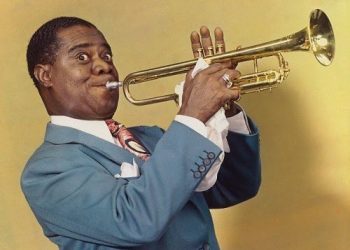
Jazz artists, a collective of musical innovators, have woven a tapestry of sonic exploration that spans genres and eras. Among the luminaries, Louis Armstrong stands as the pioneering trumpeter and vocalist whose improvisational brilliance and infectious scat singing redefined the possibilities of jazz expression. Miles Davis, the enigmatic trumpeter, sculpted the genre through cool jazz, modal experimentation, and fusion, leaving an indelible mark with his seminal album “Kind of Blue.”
The tenor saxophonist John Coltrane, a titan of improvisation, pushed the boundaries of jazz with his technical mastery and spiritual exploration. Duke Ellington, the maestro of the swing era, orchestrated a symphony of sophisticated jazz compositions, shaping the genre’s landscape. Ella Fitzgerald, the First Lady of Song, mesmerized audiences with her vocal virtuosity and unparalleled interpretative skills.
Charlie Parker’s bebop revolutionized jazz in the 1940s, while Billie Holiday’s emotive voice, often laden with poignant blues, left an enduring imprint. Thelonious Monk, the idiosyncratic pianist, introduced dissonance and innovation, influencing modern jazz. Art Blakey, a virtuoso drummer and mentor, led the Jazz Messengers, a breeding ground for emerging talents. Sarah Vaughan’s vocal prowess, traversing a wide range, solidified her status as a jazz icon.
These jazz artists, each a trailblazer, have collectively shaped a genre that transcends time, embodying the spirit of improvisation, innovation, and unbridled creativity.
1. Wynton Marsalis
Wynton Marsalis, born on October 18, 1961, in New Orleans, Louisiana, stands as a paragon of excellence in the realm of jazz. A virtuoso trumpeter, composer, bandleader, and educator, Marsalis has been a driving force in both the traditional and contemporary spheres of jazz.
Raised in a musical family, Wynton Marsalis emerged as a prodigious talent, joining Art Blakey’s Jazz Messengers in his teens and later becoming the first artist to win Grammy Awards in both classical and jazz categories in the same year (1983). As a key figure in the “Young Lions” movement, he led a resurgence of interest in traditional jazz.
Marsalis’ technical brilliance and commitment to jazz education led him to become the artistic director of Jazz at Lincoln Center in 1987, transforming it into a global hub for jazz performance and education. His compositions, such as “Blood on the Fields,” earned him the first-ever Pulitzer Prize for Music awarded to a jazz artist in 1997.
A staunch advocate for the cultural and historical significance of jazz, Wynton Marsalis has continuously championed the genre’s traditions while exploring new avenues of expression. His impact extends beyond his own performances as he remains a prolific recording artist, composer, and influential figure in the ongoing narrative of jazz.
2. Ella Fitzgerald
Ella Fitzgerald, often referred to as the “First Lady of Song” and the “Queen of Jazz,” was a groundbreaking American jazz vocalist born on April 25, 1917, in Newport News, Virginia. Her unparalleled vocal artistry and improvisational brilliance have left an indelible mark on the history of jazz.
Raised in Yonkers, New York, Fitzgerald’s journey to stardom began in the 1930s when she won an amateur night at the Apollo Theater in Harlem. She soon became the lead vocalist for Chick Webb’s orchestra and, after Webb’s passing, embarked on a solo career that spanned six decades.
Ella Fitzgerald’s vocal range, exquisite phrasing, and ability to improvise with scat singing made her a true virtuoso. Her collaborations with jazz luminaries like Louis Armstrong, Duke Ellington, and Count Basie resulted in timeless recordings that remain iconic.
One of Fitzgerald’s landmark achievements was her series of songbook recordings in the 1950s and 1960s, where she interpreted the works of great American composers such as Cole Porter, Irving Berlin, and George Gershwin. These albums showcased her versatility and cemented her status as a vocal genius.
Over her illustrious career, Fitzgerald received numerous accolades, including 13 Grammy Awards. She navigated through swing, bebop, and the American Songbook with grace, earning respect not only as a jazz icon but as one of the greatest vocalists in the history of recorded music.
Ella Fitzgerald’s legacy extends beyond her recordings; she remains an inspiration for aspiring vocalists and continues to captivate audiences with her timeless contributions to the world of jazz. Fitzgerald passed away on June 15, 1996, leaving behind an enduring musical legacy that resonates across generations.
3. Dave Brubeck
Dave Brubeck, born on December 6, 1920, in Concord, California, was an American jazz pianist and composer. Renowned for his innovative approach to jazz, Brubeck was a key figure in the development of cool jazz and, most notably, in popularizing unconventional time signatures.
Brubeck formed the Dave Brubeck Quartet in the early 1950s, and the group gained widespread acclaim for their groundbreaking work. One of their most famous albums, “Time Out” (1959), featured compositions in unusual time signatures, including the iconic “Take Five” in 5/4 time and “Blue Rondo à la Turk” in 9/8 time.
Dave Brubeck’s piano playing was characterized by his intricate use of polyrhythms and a distinctive harmonic sense. His compositions often blended elements of classical music with jazz improvisation, showcasing his versatility and creativity.
Throughout his career, Brubeck explored various musical styles beyond jazz, including classical, ethnic, and sacred music. He composed orchestral works, ballets, and choral pieces, further showcasing his musical depth and range.
In addition to his contributions as a pianist and composer, Dave Brubeck played a crucial role in breaking racial barriers in the jazz world. His quartet was one of the first racially integrated jazz groups, featuring saxophonist Paul Desmond, bassist Eugene Wright, and drummer Joe Morello.
Dave Brubeck’s impact on jazz was recognized with numerous awards and honors, including a Kennedy Center Honor and a Grammy Lifetime Achievement Award. He continued to perform and compose until his passing on December 5, 2012, one day short of his 92nd birthday. Brubeck’s legacy as a pioneering and influential figure in jazz remains enduring, and his music continues to inspire generations of musicians and jazz enthusiasts.
4. Dizzy Gillespie
Dizzy Gillespie, born John Birks Gillespie on October 21, 1917, in Cheraw, South Carolina, was an American jazz trumpeter, composer, bandleader, and one of the key figures in the development of bebop. Known for his charismatic stage presence, distinctive bent trumpet, and innovative approach to improvisation, Gillespie left an indelible mark on the world of jazz.
Gillespie’s early career saw him playing in big bands led by Teddy Hill, Cab Calloway, and others. However, it was his collaboration with saxophonist Charlie Parker in the mid-1940s that resulted in the creation of bebop, a revolutionary and complex form of jazz that moved away from the conventions of swing.
Dizzy Gillespie’s virtuosic trumpet playing was characterized by his high, angular melodies, rapid technique, and the introduction of new harmonic ideas. His onstage persona, including his trademark bent trumpet and puffed-out cheeks while playing, became iconic in the world of jazz.
As a bandleader, Gillespie led various influential groups, featuring talented musicians such as pianist Thelonious Monk and saxophonist Sonny Rollins. His compositions, including “A Night in Tunisia” and “Salt Peanuts,” became jazz standards and showcased his innovative approach to harmony and rhythm.
Gillespie’s contributions to jazz extended beyond his musical achievements. He was an ambassador for jazz worldwide, promoting the genre in various cultural exchange programs. His influence also reached into the realms of Afro-Cuban jazz, as seen in his collaborations with Chano Pozo.
Dizzy Gillespie received numerous accolades during his lifetime, including honorary doctorates, the Presidential Medal of Freedom, and a Grammy Lifetime Achievement Award. He continued to perform and record until shortly before his death on January 6, 1993. Dizzy Gillespie’s legacy lives on not only through his recordings but also in the ongoing influence of his innovative approach to jazz.
5. Thelonious Monk
Thelonious Monk, born on October 10, 1917, in Rocky Mount, North Carolina, was an enigmatic and innovative jazz pianist and composer. His unique approach to composition and improvisation left an indelible mark on the landscape of jazz, making him one of the genre’s most influential figures.
Monk’s distinctive piano style, characterized by percussive and angular playing, dissonant harmonies, and unpredictable rhythmic patterns, set him apart from his contemporaries. His compositions, such as “Round Midnight,” “Blue Monk,” and “Straight, No Chaser,” became jazz standards and reflected his idiosyncratic musical vision.
Throughout his career, Monk’s eccentric stage presence and habit of standing and dancing while playing the piano added to the mystique surrounding him. Despite his unconventional approach, his impact on the evolution of jazz was profound, particularly during the bebop and hard bop eras.
Thelonious Monk’s association with jazz greats like Charlie Parker and Dizzy Gillespie played a crucial role in the development of bebop. As a bandleader, Monk led a quartet and later a renowned quartet featuring saxophonist John Coltrane, contributing to the avant-garde movement in the 1950s.
In 1964, Monk received the prestigious Grammy Award for Best Jazz Performance, Soloist, for his album “Monk’s Dream.” His influence extended beyond his lifetime, and he was posthumously awarded a Pulitzer Prize Special Citation in 2006 for his contributions to jazz.
Thelonious Monk’s impact on jazz, characterized by his distinctive compositions and improvisational style, continues to resonate, inspiring musicians and captivating audiences with the enduring spirit of his groundbreaking contributions to the world of jazz. Monk passed away on February 17, 1982, leaving behind a legacy of innovation and creative exploration.
6. Billie Holiday
Billie Holiday, born Eleanora Fagan on April 7, 1915, in Philadelphia, Pennsylvania, was an iconic American jazz and blues singer. With her distinctive voice, emotional depth, and unique phrasing, Holiday became one of the most influential and celebrated vocalists in the history of jazz.
Holiday’s career began in the 1930s when she started singing in Harlem clubs. In 1933, she recorded her first major hit, “Riffin’ the Scotch,” with clarinetist Benny Goodman. However, it was her association with pianist Teddy Wilson and the influential Count Basie Orchestra that elevated her status in the jazz world.
Billie Holiday’s singing style was characterized by her ability to convey deep emotions and tell a story through her nuanced and expressive delivery. Her signature song, “Strange Fruit,” addressed the horrors of racism and lynching in America, making it a powerful anthem for the civil rights movement.
Despite facing personal hardships and struggles, including legal troubles and drug addiction, Holiday’s artistry continued to shine. She recorded extensively throughout her career, leaving behind a timeless catalog of recordings. Classics like “God Bless the Child,” “Lady Sings the Blues,” and “Good Morning Heartache” showcase her vocal mastery and emotional resonance.
Holiday’s influence extended beyond the realm of jazz, impacting generations of singers across various genres. Her collaborations with jazz legends like Lester Young, Teddy Wilson, and Benny Goodman are celebrated for their musical innovation.
Tragically, Billie Holiday’s life was cut short at the age of 44 on July 17, 1959. Her legacy, however, lives on through her enduring recordings, which continue to captivate and inspire audiences, and her impact on the evolution of jazz and vocal expression remains profound.
7. Herbie Hancock
Herbie Hancock, born on April 12, 1940, in Chicago, Illinois, is an iconic American jazz pianist, composer, and bandleader whose multifaceted career has spanned over six decades. A true innovator, Hancock has consistently pushed the boundaries of jazz, embracing various genres and pioneering new approaches to music.
Hancock’s early career took off in the 1960s when he joined the Miles Davis Quintet. His work on albums like “Maiden Voyage” and “Speak Like a Child” showcased his exceptional piano skills and his ability to navigate complex harmonies. Hancock played a pivotal role in the development of post-bop and modal jazz during this period.
In the 1970s, Herbie Hancock embraced electronic jazz fusion, a genre he helped define with albums like “Head Hunters” and “Thrust.” His use of synthesizers and electronic instruments revolutionized jazz, and the hit single “Chameleon” became a landmark in the fusion movement.
Hancock’s musical explorations continued into the realms of funk, hip-hop, and world music. His album “Future Shock” in 1983 featured the groundbreaking single “Rockit,” which incorporated turntablism and electronic beats, earning him a Grammy Award for Best R&B Instrumental Performance.
Beyond his solo career, Herbie Hancock collaborated with a diverse array of musicians, including Wayne Shorter, Chick Corea, and Joni Mitchell. His versatility as a performer and composer earned him numerous accolades, including an Academy Award for his film score for “Round Midnight.”
Herbie Hancock’s impact on jazz extends beyond his recordings; he remains a UNESCO Goodwill Ambassador for Intercultural Dialogue, promoting global understanding through music. As a torchbearer for innovation and artistic exploration, Hancock’s influence on the evolution of jazz remains unparalleled, making him a true legend in the world of music.
8. Chet Baker
Chet Baker, born on December 23, 1929, in Yale, Oklahoma, was a highly influential American jazz trumpeter, vocalist, and composer. Known for his lyrical and melodic style, Baker’s impact on the West Coast jazz scene in the 1950s and beyond left an enduring mark on the genre.
Baker rose to prominence in the 1950s, gaining attention for his smooth, understated approach to the trumpet. His cool and intimate sound was a departure from the prevailing trends of the time, earning him a reputation as one of the leading figures in the West Coast jazz movement.
In addition to his trumpet skills, Chet Baker possessed a distinct and vulnerable singing voice. His vocal performances, often accompanied by his trumpet playing, added a unique dimension to his music. Classics such as “My Funny Valentine” and “Time After Time” showcased his emotive delivery and contributed to the development of cool jazz.
Despite his musical successes, Baker’s personal life was marked by struggles with drug addiction, which affected his career and well-being. Despite these challenges, Baker continued to perform and record prolifically, leaving behind a substantial discography that reflects his artistic evolution.
Chet Baker’s legacy endures not only through his recordings but also as a symbol of the complex intersection between personal struggles and artistic brilliance. His influence on the evolution of jazz, particularly in the realm of West Coast and cool jazz, ensures his place in the pantheon of jazz greats. Chet Baker passed away on May 13, 1988, but his contributions to the world of jazz continue to be celebrated and studied by musicians and enthusiasts alike.
9. Count Basie
Count Basie, born William James Basie on August 21, 1904, in Red Bank, New Jersey, was an American jazz pianist, organist, bandleader, and composer. Renowned for his distinctive piano style and innovative approach to big band arranging, Basie became a central figure in the swing era and a leading force in jazz for several decades.
Count Basie’s musical career took off in the late 1920s and early 1930s when he joined Bennie Moten’s Kansas City Orchestra. Following Moten’s death, Basie formed his own big band, the Count Basie Orchestra, in 1935. The ensemble quickly gained popularity for its relaxed, bluesy style, and tight, rhythmic precision.
Basie’s piano playing was characterized by its spare, economical style and rhythmic drive. He often used a “less is more” approach, favoring a sparse and propulsive piano technique that complemented the ensemble’s swinging sound. His leadership style as a bandleader was democratic, allowing individual musicians to shine within the context of the orchestra.
The Count Basie Orchestra became one of the most influential and enduring big bands in jazz history. Basie’s collaboration with arranger and composer Eddie Durham, and later with Neal Hefti and Frank Foster, produced a series of iconic recordings, including “One O’Clock Jump,” “April in Paris,” and “Jumpin’ at the Woodside.”
Count Basie’s career spanned several decades, and he continued to lead successful bands and collaborate with prominent musicians. His influence extended beyond jazz, and his orchestra’s recordings remain classic examples of swing and big band music.
Count Basie received numerous accolades during his career, including multiple Grammy Awards. He was a pivotal figure in the integration of jazz, bringing together musicians of different races in his bands during an era when segregation was prevalent. Count Basie passed away on April 26, 1984, leaving behind a legacy as one of the giants of jazz.
10. Mary Lou Williams
Mary Lou Williams, born on May 8, 1910, in Atlanta, Georgia, was a pioneering American jazz pianist, composer, and arranger. With a career spanning over six decades, Williams played a vital role in the development of jazz, contributing to various styles from swing to bebop.
Williams’ early career in the 1920s saw her performing with the likes of Duke Ellington and Benny Goodman. She gained recognition for her exceptional piano skills, inventive arrangements, and compositions that reflected the evolving landscape of jazz.
In the swing era, Williams became known for her work as a composer and arranger, contributing to the repertoire of big bands. Her compositions, including “Roll ‘Em” and “What’s Your Story, Morning Glory?” became standards performed by notable jazz orchestras.
As the jazz landscape transitioned into the bebop era, Mary Lou Williams adapted seamlessly. She mentored and influenced many bebop musicians, including Dizzy Gillespie and Thelonious Monk. Her Harlem apartment became a gathering place for musicians, fostering creative exchange and collaboration.
In the 1950s, Williams experienced a spiritual awakening and briefly stepped away from the jazz scene. However, she returned with a renewed focus on sacred jazz, incorporating religious themes into her compositions. The “Mary Lou’s Mass” remains one of her most celebrated works from this period.
Mary Lou Williams continued to perform, compose, and teach throughout her life, receiving numerous honors and awards. Her contributions to jazz education and her role as a mentor to younger musicians solidified her status as a trailblazer for women in jazz.
Williams’ legacy extends beyond her musical achievements; she remains a symbol of resilience, creativity, and adaptability in the ever-evolving world of jazz. Mary Lou Williams passed away on May 28, 1981, but her impact continues to inspire and influence generations of musicians.
11. Ray Brown
Ray Brown, born on October 13, 1926, in Pittsburgh, Pennsylvania, was a highly influential American jazz double bassist and bandleader. Renowned for his impeccable sense of timing, rich tone, and virtuosic playing, Brown played a pivotal role in shaping the rhythm sections of numerous jazz groups and was a fixture in the jazz scene for decades.
Brown’s musical journey gained momentum when he joined Dizzy Gillespie’s band in the late 1940s. His association with Gillespie marked the beginning of a prolific career as a sideman, where he played with jazz luminaries such as Charlie Parker, Bud Powell, and Oscar Peterson.
In the mid-1950s, Ray Brown became a member of the Oscar Peterson Trio, alongside Peterson on piano and Herb Ellis on guitar. The trio was celebrated for its exceptional interplay and dynamic performances. Brown’s walking bass lines and melodic improvisations became a defining element of the group’s sound.
As a bandleader, Brown led various ensembles, and his own Ray Brown Trio featured exceptional musicians like pianist Gene Harris and drummer Jeff Hamilton. His leadership style showcased a deep understanding of swing, blues, and bebop, making his groups highly sought after in the jazz world.
Ray Brown’s bass playing was characterized by its rhythmic precision, harmonic sophistication, and melodic inventiveness. His work as a sideman and leader contributed to numerous classic jazz recordings, and he remained an in-demand collaborator throughout his career.
In addition to his performance career, Brown was an advocate for jazz education, and he passed on his knowledge and expertise to future generations of musicians. Ray Brown passed away on July 2, 2002, but his legacy as a masterful bassist and influential figure in jazz lives on through his recordings and the musicians he inspired.
12. J.J. Johnson
J.J. Johnson, born James Louis Johnson on January 22, 1924, in Indianapolis, Indiana, was a pioneering American jazz trombonist, composer, and arranger. Renowned for his technical mastery of the trombone, Johnson played a pivotal role in elevating the instrument’s status in the world of jazz.
In the 1940s, J.J. Johnson emerged as a leading figure in the bebop movement. His virtuosic trombone playing and innovative improvisational style marked him as a trailblazer. Johnson’s collaborations with Charlie Parker and Dizzy Gillespie during this period became emblematic of the bebop era’s groundbreaking developments.
As a composer and arranger, J.J. Johnson contributed significantly to the bebop repertoire. His compositions, such as “Lament” and “Enigma,” showcased his ability to meld sophisticated harmonies with intricate melodic lines, solidifying his reputation as a master of modern jazz.
Johnson’s career extended beyond bebop, and he remained a prominent figure in the jazz scene throughout the following decades. He played a crucial role in popularizing the trombone as a solo instrument and continued to push the boundaries of the instrument’s capabilities.
Beyond his instrumental prowess, J.J. Johnson was a dedicated educator, passing on his knowledge to aspiring musicians. His impact on the world of jazz earned him numerous awards, including multiple Grammy Awards and induction into the DownBeat Jazz Hall of Fame.
J.J. Johnson’s legacy endures as a beacon of innovation in jazz trombone playing. His contributions to the bebop movement and his influence on subsequent generations of musicians cement his place as one of the most influential figures in the history of jazz. Johnson passed away on February 4, 2001, leaving behind a legacy of artistic excellence and a lasting impact on the world of jazz.
13. Benny Goodman
Benny Goodman, born on May 30, 1909, in Chicago, Illinois, was a legendary American jazz clarinetist, bandleader, and one of the central figures in the swing era. Widely regarded as the “King of Swing,” Goodman played a pivotal role in popularizing jazz and swing music, making it a dominant force in American popular culture during the 1930s and 1940s.
Goodman’s career took off in the 1930s when he formed the Benny Goodman Orchestra. The band’s groundbreaking performance at the Palomar Ballroom in 1935 is often credited with launching the swing craze, attracting a diverse and enthusiastic audience.
Known for his virtuosic clarinet playing and meticulous approach to ensemble arrangements, Goodman led one of the first racially integrated jazz groups, breaking down racial barriers in the music industry. His collaboration with groundbreaking African American musicians, including pianist Teddy Wilson and vibraphonist Lionel Hampton, showcased his commitment to musical excellence.
One of Goodman’s most famous performances took place at the 1938 Carnegie Hall concert, a historic event that elevated jazz to the status of a legitimate and sophisticated art form. The success of this concert further solidified his reputation as a leading force in the swing movement.
Beyond his orchestral work, Benny Goodman also led small groups and played a key role in the development of the quartet and sextet formats. His recordings, such as “Sing, Sing, Sing” and “Stompin’ at the Savoy,” became iconic examples of the swing genre.
Benny Goodman’s impact extended beyond his lifetime, and he received numerous accolades, including multiple Grammy Awards and a Kennedy Center Honor. His influence on jazz and popular music remains profound, and his legacy as a groundbreaking bandleader and clarinet virtuoso endures as a cornerstone of American musical history. Goodman passed away on June 13, 1986, but his contributions to the world of jazz continue to be celebrated and studied by musicians and enthusiasts alike.
14. Django Reinhardt
Django Reinhardt, born on January 23, 1910, in Liberchies, Belgium, and raised in a Romani (Gypsy) community, was a pioneering Belgian-French jazz guitarist and composer. Renowned for his virtuosic playing and innovative approach to the guitar, Reinhardt was a central figure in the development of European jazz and gypsy jazz.
At the age of 18, Django Reinhardt suffered severe burns in a caravan fire that left the third and fourth fingers of his left hand partially paralyzed. Despite this handicap, Reinhardt developed a unique style of playing that involved using only two fingers for his left-hand fretting. His innovative technique, combined with incredible speed and precision, made him one of the most celebrated guitarists in the history of jazz.
In the 1930s, Django Reinhardt co-founded the Quintette du Hot Club de France with violinist Stéphane Grappelli. This ensemble, featuring two guitars, violin, bass, and occasionally clarinet, was groundbreaking in its use of string instruments and became a hallmark of gypsy jazz. Their recordings, including classics like “Minor Swing” and “Daphne,” showcased Reinhardt’s extraordinary improvisational skills and laid the foundation for the genre.
Django’s contributions to jazz guitar extended beyond his role in the Quintette. His compositions, often characterized by rich harmonies and lively melodies, became standards in the jazz repertoire. His influence also reached into later genres such as bebop and fusion.
Reinhardt continued to perform and record until his untimely death on May 16, 1953. His legacy endures not only through his recordings but also through the countless guitarists who have been inspired by his groundbreaking technique and musical innovation. Django Reinhardt remains an iconic figure in the world of jazz and a symbol of triumph over adversity.
15. Coleman Hawkins
Coleman Hawkins, born on November 21, 1904, in St. Joseph, Missouri, was an American jazz tenor saxophonist and one of the most influential figures in the history of jazz and the development of the tenor saxophone as a prominent solo instrument.
Hawkins rose to prominence during the 1920s and 1930s, a period when the saxophone was often used in a supporting role in jazz ensembles. His powerful and innovative approach to the tenor saxophone changed this paradigm, establishing the instrument as a formidable lead voice. Hawkins’s rich, warm tone and expressive phrasing became hallmarks of his playing.
In 1939, Coleman Hawkins recorded what would become one of his most famous and groundbreaking pieces, “Body and Soul.” This recording is celebrated for its extended improvisation and emotional depth, showcasing Hawkins’s mastery of ballad playing and solidifying his reputation as a pioneer in jazz improvisation.
Throughout his career, Hawkins collaborated with numerous jazz luminaries, including Duke Ellington, Benny Goodman, and Thelonious Monk. His adaptability to different styles, from swing to bebop, highlighted his versatility and enduring relevance.
As a member of the Fletcher Henderson Orchestra in the 1920s, Hawkins played a crucial role in shaping the sound of big band jazz. His departure from Henderson’s orchestra in 1934 marked the beginning of his successful career as a solo artist and bandleader.
Coleman Hawkins continued to perform and record prolifically, leaving behind a vast and influential body of work. His contributions to the evolution of jazz, particularly in establishing the tenor saxophone as a lead instrument, have earned him a lasting legacy as one of the great innovators in the history of the genre. Hawkins passed away on May 19, 1969, but his impact on jazz continues to resonate with musicians and fans worldwide.

Edward Tomlin is a frequent contributor to Singers Room. Since 2005, Singersroom has been the voice of R&B around the world. Connect with us via social media below.