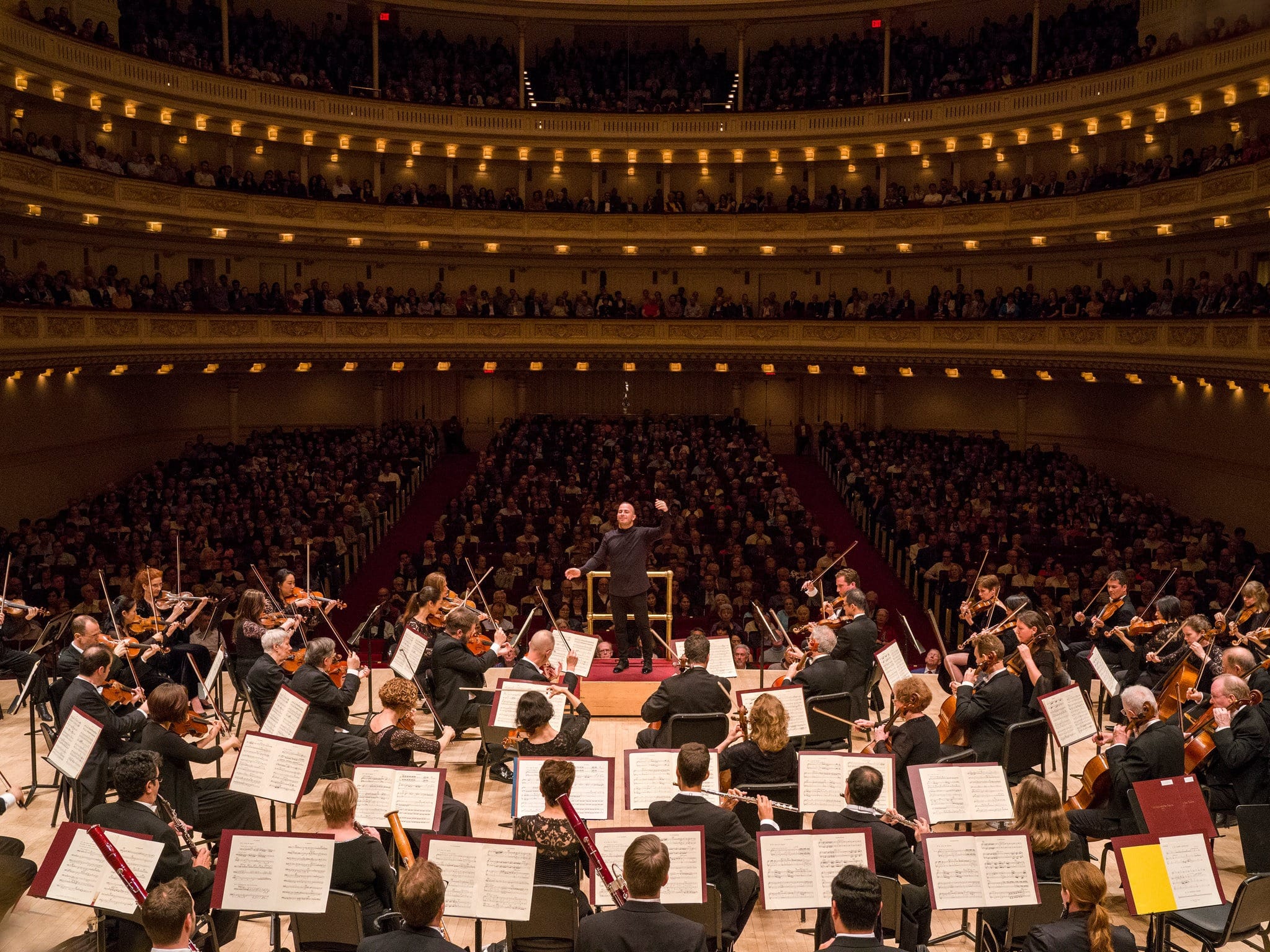
In the grand tapestry of musical history, classical compositions stand as timeless pillars of artistic expression, captivating audiences across centuries with their emotive depth and intellectual richness. As we embark on a harmonious journey through the annals of classical music, this article unveils the illustrious “Top 15 Best Classical Music Pieces of All Time,” a curated selection that transcends cultural boundaries and resonates with the very essence of human emotion. From the intricate counterpoint of Bach’s masterpieces to the symphonic grandeur of Beethoven’s genius, each piece has left an indelible mark on the collective consciousness of music enthusiasts worldwide. These compositions are not merely notes on a staff; they are powerful narratives that convey the spectrum of human experience—from jubilation to introspection, from love to melancholy. Whether you are a seasoned connoisseur or a newcomer to the world of classical music, this compilation serves as a gateway to the unparalleled beauty and sophistication that defines this genre. Join us as we embark on a melodic odyssey through the crème de la crème of classical repertoire, celebrating the enduring legacy of these 15 timeless musical treasures.
1. Symphony No. 5 by Ludwig van Beethoven
Ludwig van Beethoven’s Symphony No. 5 stands as an enduring masterpiece and a pinnacle of classical music. Composed between 1804 and 1808 during a tumultuous period in Beethoven’s life marked by increasing deafness, the Fifth Symphony is a testament to the composer’s resilience and creative genius. The iconic four-note motif that opens the symphony, often referred to as “Fate knocking at the door,” is instantly recognizable and sets the tone for the entire work. Beethoven’s bold and revolutionary approach to structure and emotion is evident throughout the four movements, creating a symphonic journey that transcends time and resonates with audiences across generations.
The first movement, Allegro con brio, is a powerful and dramatic declaration that sets the stage for the symphony’s intensity. The second movement, Andante con moto, offers a contrasting, more lyrical reprieve, showcasing Beethoven’s ability to evoke deep emotional states. The third movement, Scherzo: Allegro, introduces a lively and rhythmic dance-like character, while the final movement, Allegro, brings the symphony to a triumphant conclusion. Beethoven’s Symphony No. 5 continues to captivate audiences with its emotional depth, structural innovation, and timeless significance, solidifying its place as one of the greatest classical compositions of all time.
2. The Four Seasons by Antonio Vivaldi
Antonio Vivaldi’s “The Four Seasons” stands as a baroque masterpiece that transcends the boundaries of classical music. Composed around 1720, this collection of four violin concertos—Spring, Summer, Autumn, and Winter—takes the listener on a vivid and evocative journey through the changing seasons. Each concerto is a musical representation of its respective season, capturing the essence of nature’s beauty and the various moods associated with each time of the year.
In “Spring,” Vivaldi paints a picture of renewal and vitality through lively melodies and brisk rhythms, while “Summer” unleashes the power of a thunderstorm, with the solo violin mimicking lightning and thunder. “Autumn” brings a harvest celebration to life with its rich and joyful motifs, while “Winter” captures the biting cold through icy, staccato passages. Vivaldi’s innovative use of musical elements such as programmatic effects, rhythmic precision, and virtuosic violin passages contributes to the enduring popularity of “The Four Seasons.”
The concertos are not only a showcase of Vivaldi’s technical brilliance but also a groundbreaking exploration of programmatic music, where the music vividly depicts specific scenes and emotions. “The Four Seasons” remains a beloved and influential work that has left an indelible mark on the classical music landscape, continuing to captivate audiences with its timeless beauty and imaginative storytelling.
3. Eine kleine Nachtmusik by Wolfgang Amadeus Mozart
Wolfgang Amadeus Mozart’s “Eine kleine Nachtmusik” (A Little Night Music) is a gem of classical chamber music, celebrated for its elegance, charm, and timeless appeal. Composed in 1787 during a prolific period in Mozart’s career, this serenade for strings consists of four movements, each characterized by a perfect balance of grace and sophistication.
The first movement, Allegro, opens with a spirited and memorable melody, showcasing Mozart’s melodic ingenuity. The ensuing Romanze: Andante exudes a lyrical sweetness, with the strings weaving a tapestry of tender expressions. The third movement, Menuetto: Allegretto, introduces a graceful dance-like quality, while the final movement, Rondo: Allegro, brings the composition to a delightful and energetic close.
What makes “Eine kleine Nachtmusik” particularly captivating is Mozart’s ability to convey depth and emotion within the confines of a serenade. The work’s effervescent spirit and impeccable craftsmanship have made it a perennial favorite, frequently performed in concert halls and featured in various forms of popular culture. Its enduring popularity attests to Mozart’s genius in crafting music that is both accessible and profound, ensuring that “Eine kleine Nachtmusik” remains an enduring masterpiece in the classical repertoire.
4. The Marriage of Figaro by Wolfgang Amadeus Mozart
Wolfgang Amadeus Mozart’s opera “The Marriage of Figaro” (Le Nozze di Figaro) is a comedic and ingenious masterpiece that continues to enchant audiences with its wit, intricate plot, and sublime music. Premiered in 1786, with a libretto by Lorenzo Da Ponte based on Pierre Beaumarchais’s play, the opera is a brilliant exploration of love, jealousy, and social hierarchy.
Set in a single day at the palace of Count Almaviva, the plot revolves around the complex relationships and entanglements among the characters. Figaro, the clever and resourceful valet, plans to marry Susanna, the Countess’s maid. However, the Count has his own designs on Susanna, creating a web of disguises, mistaken identities, and clever schemes. Mozart’s music brilliantly captures the intricacies of the plot, infusing each character with unique vocal and orchestral colors.
“The Marriage of Figaro” is celebrated for its ensemble cast, showcasing Mozart’s ability to blend drama and humor seamlessly. The overture, with its infectious energy and vivacity, sets the stage for the unfolding drama. Arias like Figaro’s “Non più andrai” and the Countess’s poignant “Dove sono i bei momenti” are timeless highlights, expressing the characters’ emotions with depth and brilliance.
Mozart’s “The Marriage of Figaro” remains a cornerstone of the operatic repertoire, admired for its musical sophistication, rich characterizations, and insightful commentary on human nature. The opera’s enduring popularity and frequent revivals attest to its status as one of the crowning achievements in the world of classical music.
5. Moonlight Sonata by Ludwig van Beethoven
Ludwig van Beethoven’s “Moonlight Sonata,” officially known as Piano Sonata No. 14 in C-sharp minor “Quasi una fantasia,” Op. 27, No. 2, is an iconic and deeply expressive work that has left an indelible mark on the classical music landscape. Composed in 1801, this sonata is particularly renowned for its first movement, Adagio sostenuto, which has earned the popular nickname “Moonlight” due to its evocative and contemplative nature.
The hauntingly beautiful Adagio sostenuto opens with a slow, melancholic melody played over a repetitive triplet rhythm, creating an ethereal and introspective atmosphere. Beethoven’s use of a sustained, almost hypnotic bassline provides a sense of continuity, contributing to the movement’s enduring emotional impact. The second movement, Allegretto, introduces a contrasting, more lively theme, while the final movement, Presto agitato, returns to the stormy and impassioned character, concluding the sonata with a dramatic flourish.
The “Moonlight Sonata” showcases Beethoven’s innovative approach to form and expression, pushing the boundaries of classical piano music. Its enduring popularity can be attributed not only to its emotive qualities but also to its accessibility, making it a favorite among both seasoned musicians and casual listeners. With its evocative power and timeless beauty, Beethoven’s “Moonlight Sonata” continues to captivate and inspire audiences worldwide, earning its place as one of the most beloved and recognizable compositions in the classical repertoire.
6. Ride of the Valkyries by Richard Wagner
Richard Wagner’s “Ride of the Valkyries” is a dynamic and iconic orchestral piece that forms part of his four-opera cycle, “Der Ring des Nibelungen” (The Ring of the Nibelung). Composed between 1851 and 1874, this thrilling work is specifically featured in the second opera, “Die Walküre” (The Valkyrie). The composition is renowned for its dramatic intensity, powerful orchestration, and has become synonymous with epic scenes in both classical music and popular culture.
The “Ride of the Valkyries” is characterized by its energetic and propulsive nature, featuring a relentless and galloping theme played by the brass and strings. The music vividly captures the mythical Valkyries, warrior maidens who ride winged horses and gather fallen heroes from the battlefield to take them to Valhalla. Wagner’s innovative use of leitmotifs, recurring musical themes associated with specific characters or ideas, adds depth and narrative cohesion to the overall opera.
The piece is a tour de force for the orchestra, demanding precision and power in its execution. Its cinematic quality has made it a popular choice for film, television, and other media, further cementing its status as one of the most recognizable and thrilling compositions in the classical repertoire. Wagner’s “Ride of the Valkyries” continues to resonate with audiences for its exhilarating energy, majestic grandeur, and its ability to evoke the epic scale of the operatic narrative it accompanies.
7. Canon in D by Johann Pachelbel
Johann Pachelbel’s “Canon in D” is a timeless and enduring piece of classical music that has captivated audiences with its simple yet elegant beauty. Composed in the late 17th century, it is part of Pachelbel’s “Canon and Gigue for 3 violins and basso continuo.” The “Canon in D” is particularly celebrated for its distinctive and soothing canon form, where a musical theme is imitated and layered by different voices.
The piece opens with a graceful and instantly recognizable three-part canon that unfolds in a series of overlapping melodic lines. The repetitive and tranquil nature of the canon imparts a sense of calm and contemplation, making it a popular choice for weddings, ceremonies, and other special occasions. Pachelbel’s use of a ground bass, a repeating bass line that provides a stable foundation, adds to the work’s enduring charm.
“Canon in D” is a testament to the beauty that can be found in simplicity. Its popularity endures not only due to its inherent musical appeal but also because of its adaptability. The piece has been arranged and transcribed for various instruments and ensembles, showcasing its versatility and ensuring its place as one of the most beloved and frequently performed compositions in the classical repertoire.
8. William Tell Overture by Gioachino Rossini
Gioachino Rossini’s “William Tell Overture” is a thrilling and exuberant composition that has become synonymous with both classical music and popular culture. Composed in 1829 for the opera “William Tell,” the overture is perhaps Rossini’s most famous and recognizable work, known for its dynamic energy and iconic melodies.
The overture is divided into four distinct parts, each with its own character. It begins with a serene and pastoral Prelude, setting the stage for the drama to come. The second section, depicting a storm, is marked by intense orchestral passages, symbolizing the tempestuous nature of the Swiss landscape. The famous third section, often referred to as the “Lone Ranger” theme, features a galloping melody played by the horns and is one of the most instantly recognizable musical motifs in the world. The overture concludes with a triumphant finale that captures the spirit of the opera’s heroic themes.
“William Tell Overture” is celebrated for its vibrant orchestration, innovative use of dynamics, and the way it seamlessly blends drama and excitement. Beyond its classical origins, the overture has permeated popular culture, finding a place in films, television shows, and even commercials, contributing to its enduring popularity and widespread recognition. Rossini’s masterful creation continues to captivate audiences with its dramatic intensity and memorable themes, solidifying its status as a cornerstone of classical music repertoire.
9. Flight of the Bumblebee by Nikolai Rimsky-Korsakov
Nikolai Rimsky-Korsakov’s “Flight of the Bumblebee” is a dazzling and virtuosic orchestral interlude that has become one of the most recognizable and challenging pieces in the classical repertoire. Originally composed for the opera “The Tale of Tsar Saltan,” the composition serves as an interlude between acts and depicts the rapid, erratic flight of a bumblebee.
The piece is renowned for its technical difficulty, with a flurry of quick and intricate passages that mimic the frenetic movements of the insect. The virtuosity required of the soloist, typically played on the violin or another high-pitched instrument, has made it a favorite among musicians seeking to showcase their technical prowess.
“Flight of the Bumblebee” is characterized by its relentless tempo and rapid-fire succession of notes, creating a sense of urgency and excitement. Despite its brevity, the piece is a showcase of Rimsky-Korsakov’s skill in orchestration and his ability to evoke vivid imagery through music.
While the interlude is often performed in isolation from the opera, its popularity extends far beyond the classical music world. Its distinctive and catchy melody has found its way into various forms of popular culture, cementing its status as one of the most famous and enduring compositions in the realm of classical music.
10. Adagio for Strings by Samuel Barber
Samuel Barber’s “Adagio for Strings” stands as a poignant and emotionally charged masterpiece within the realm of classical music. Composed in 1936, the piece was originally the slow movement of Barber’s String Quartet, Op. 11, before he adapted it for string orchestra in 1938. Revered for its emotional depth and profound simplicity, the “Adagio for Strings” has become one of the most widely performed and recognized compositions of the 20th century.
The work begins with a simple yet achingly beautiful melodic line that gradually unfolds, building in intensity and emotional resonance. The sustained strings create a somber and contemplative atmosphere, evoking a sense of profound introspection and melancholy. The piece reaches its emotional climax with a surge of passionate intensity before gradually receding, leaving a lingering sense of catharsis.
“Adagio for Strings” has found a place in both classical concert halls and popular culture, being featured in various films, television shows, and public events. Its ability to convey a wide range of emotions, from deep sorrow to transcendent beauty, has contributed to its enduring popularity and universal appeal. Samuel Barber’s masterpiece remains a testament to the power of music to evoke profound and visceral emotional responses, making it a timeless gem in the classical repertoire.
11. Brandenburg Concertos by J.S. Bach
Johann Sebastian Bach’s “Brandenburg Concertos” are a set of six instrumental works that stand as a pinnacle of Baroque orchestral composition. Composed around 1721 and dedicated to Christian Ludwig, Margrave of Brandenburg-Schwedt, these concertos showcase Bach’s mastery of counterpoint, innovative use of instrumentation, and his ability to blend various styles of the time.
Each concerto within the collection is unique in its structure, instrumentation, and character. The first concerto, for example, features a vibrant interplay between strings and winds, while the second showcases a dazzling display of virtuosity for a group of solo instruments, including trumpet and recorder. The third concerto is a lively and joyful affair with three groups of string instruments engaging in spirited conversation.
Bach’s “Brandenburg Concertos” are characterized by their instrumental brilliance, contrapuntal complexity, and the sheer joyfulness that permeates the music. The concertos are a testament to Bach’s ability to seamlessly blend diverse musical elements into a cohesive and harmonically rich tapestry. While not widely known during Bach’s lifetime, these concertos have since become some of the most beloved and frequently performed works in the Baroque repertoire, admired for their technical brilliance and artistic innovation.
12. Swan Lake by Pyotr Ilyich Tchaikovsky
Pyotr Ilyich Tchaikovsky’s “Swan Lake” is a ballet masterpiece that has captured the hearts of audiences worldwide since its premiere in 1877. The ballet, with a libretto by Vladimir Begichev and Vasily Geltser, tells the enchanting story of Princess Odette, cursed to transform into a swan by day, and Prince Siegfried, who endeavors to break the spell through love and fidelity.
Tchaikovsky’s score for “Swan Lake” is a breathtaking fusion of emotive melodies, lush orchestration, and thematic unity. The dual role of Odette/Odile is accompanied by some of the most iconic and emotionally charged music in classical ballet, including the famous “Swan Theme” and the captivating “Dance of the Little Swans.”
The ballet’s longevity and enduring popularity are owed not only to Tchaikovsky’s exquisite composition but also to its timeless themes of love, betrayal, and the triumph of good over evil. Choreographed by Marius Petipa and Lev Ivanov, “Swan Lake” has become a cornerstone of classical ballet repertoire, enchanting audiences with its captivating narrative, expressive choreography, and Tchaikovsky’s sublime musical tapestry. Whether experienced in the theater or enjoyed through recordings, “Swan Lake” remains an enduring testament to the power of music and dance to transport audiences to a realm of enchantment and beauty.
13. Nessun dorma by Giacomo Puccini
Giacomo Puccini’s “Nessun dorma” is a triumphant aria from his opera “Turandot,” completed by Franco Alfano after Puccini’s death. Sung by the character Calaf in the final act, the aria has become one of the most famous and recognizable in the world of opera. The title, “Nessun dorma,” translates to “None shall sleep,” and the aria is a powerful declaration of love and determination.
The aria is set in the context of a high-stakes challenge. Calaf, the unknown prince, declares that he will win the heart of the cold-hearted Princess Turandot, or die in the attempt. “Nessun dorma” is Calaf’s moment of introspection and resolution as he anticipates the outcome of the perilous task. The aria builds in intensity, reaching its climactic conclusion with the declaration that he will prevail, and none shall sleep until he has won Turandot’s love.
Puccini’s music is both emotionally charged and melodically rich, perfectly capturing the passion and determination of Calaf’s character. The soaring and heroic melody of “Nessun dorma” has transcended the opera stage, becoming a crossover hit and a staple in popular culture. It is a testament to Puccini’s ability to create music that not only serves the dramatic narrative of the opera but also resonates deeply with listeners, making “Nessun dorma” a timeless and universally acclaimed piece within the operatic repertoire.
14. Nuages gris by Franz Liszt
Franz Liszt’s “Nuages gris” (“Gray Clouds”) is a haunting and introspective piano composition that reflects the composer’s later, more experimental period. Composed in 1881, during a time when Liszt was exploring more dissonant and impressionistic musical language, “Nuages gris” stands as a departure from his earlier, virtuosic works.
The title itself, “Gray Clouds,” suggests a mood of melancholy and introspection, and Liszt masterfully captures this atmosphere through the piece’s chromaticism and sparse textures. The work is characterized by its use of dissonant harmonies, ambiguous tonality, and a sense of unresolved tension that pervades the music. Liszt’s harmonic language in “Nuages gris” foreshadows developments in 20th-century music and the exploration of more abstract, non-traditional tonalities.
“Nuages gris” is a departure from Liszt’s more bombastic and virtuosic compositions, revealing a more introspective and contemplative side of the composer. The piece has gained recognition for its emotional depth and its influence on later composers exploring new harmonic possibilities. Liszt’s “Nuages gris” is a unique and evocative contribution to the piano repertoire, showcasing the composer’s willingness to push the boundaries of traditional tonal language and experiment with new expressive possibilities in his later years.
15. Gymnopédies by Erik Satie
Erik Satie’s “Gymnopédies” are a set of three short piano compositions, composed between 1888 and 1890. These minimalist and atmospheric pieces are known for their spare, tranquil beauty, and they have become some of Satie’s most famous and enduring works.
The term “Gymnopédies” refers to ancient Greek gymnopaedia, an annual festival where young men would perform athletic and artistic events in a solemn atmosphere. Satie’s choice of this title reflects the subtle, contemplative nature of the music. Each Gymnopédie is characterized by a slow tempo, simple yet expressive melodies, and a unique harmonic language that sets them apart from the romantic and impressionistic styles of Satie’s contemporaries.
The Gymnopédies have had a profound influence on later composers and have been used extensively in film, television, and various other artistic contexts due to their evocative and versatile nature. Satie’s exploration of simplicity, restraint, and mood in the Gymnopédies has made them beloved by audiences and performers alike, establishing them as timeless gems in the piano repertoire and a testament to Satie’s innovative approach to composition.

Samuel Moore is a frequent contributor to Singers Room. Since 2005, Singersroom has been the voice of R&B around the world. Connect with us via social media below.









