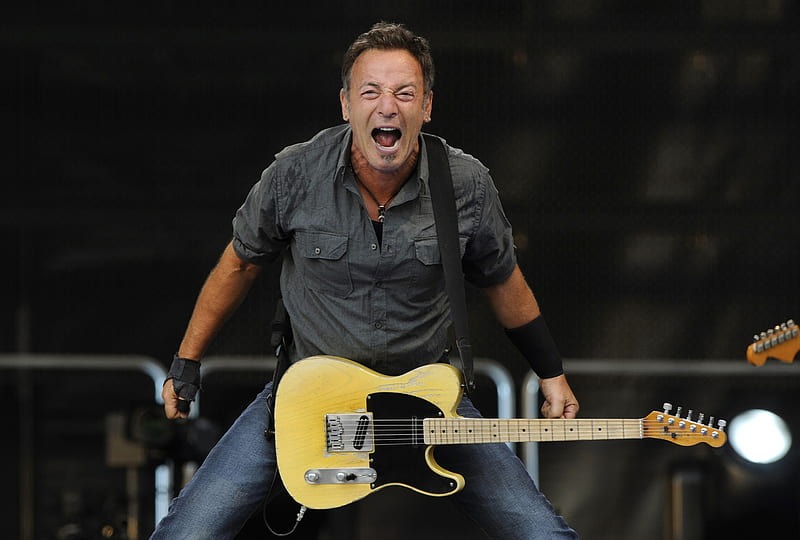
In the expansive landscape of rock and roll, few figures command as much reverence and influence as the legendary Bruce Springsteen. His music, a poignant tapestry of working-class anthems, poetic storytelling, and soul-stirring melodies, has left an indelible mark on the hearts of listeners across generations. As we embark on a journey through the prolific career of “The Boss,” we find ourselves navigating the highways of blue-collar America, propelled by the raw power and authenticity that characterize his sound. In this exploration of musical brilliance, we delve into the soul of Bruce Springsteen’s catalog to uncover the Top 10 Best Songs of All Time. From the heartland rock anthems that defined an era to the intimate ballads that resonate with universal themes of love, loss, and redemption, Springsteen’s oeuvre encapsulates the human experience in all its complexities. Join us as we celebrate the artistry of a living legend and attempt to distill the essence of his unparalleled contribution to the world of music, recognizing the timeless tunes that have solidified Bruce Springsteen’s place as one of the greatest songwriters in the annals of rock history.
1. Spirit In The Night
“Spirit in the Night” by Bruce Springsteen is a timeless rock anthem that captures the essence of youthful exuberance and the thrill of a wild night out. Released in 1973 as part of his debut album, “Greetings from Asbury Park, N.J.,” the song stands out with its infectious energy and dynamic storytelling. Springsteen’s gritty and soulful vocals, combined with the E Street Band’s lively instrumentation, create a musical experience that transports listeners to the vibrant and carefree atmosphere of a boisterous night.
The lyrics of “Spirit in the Night” paint a vivid picture of a memorable evening filled with colorful characters and escapades. Springsteen’s narrative prowess shines through as he weaves a tale of love, friendship, and the uninhibited pursuit of joy. The song’s upbeat tempo and infectious melodies invite the audience to join in the celebration, making it a staple in Springsteen’s live performances. “Spirit in the Night” not only showcases the Boss’s early songwriting prowess but also serves as a testament to the enduring spirit of rock and roll, capturing the magic and camaraderie that define a night of revelry and connection.
2. Backstreets
“Backstreets” is a poignant and epic ballad by Bruce Springsteen, featured on his breakthrough album “Born to Run,” released in 1975. Clocking in at over six minutes, the song stands as a testament to Springsteen’s ability to craft emotionally charged and expansive narratives. The tale unfolds against a backdrop of small-town struggles, dreams, and broken friendships. The lyrics delve into the complexities of relationships and the passage of time, creating a deeply introspective and melancholic atmosphere.
The musical arrangement of “Backstreets” mirrors the emotional intensity of the lyrics. The E Street Band’s sweeping instrumentation, marked by soaring saxophone solos and Springsteen’s emotive vocals, adds layers of depth to the storytelling. The song is characterized by its dynamic shifts, moving between introspective moments and powerful crescendos, creating a cinematic experience for the listener.
“Backstreets” has become a fan favorite and a staple in Springsteen’s live performances, often accompanied by extended instrumental sections that allow the audience to immerse themselves in the raw emotion of the song. Its enduring appeal lies in its ability to resonate with the universal themes of love, loss, and the passage of time, making “Backstreets” a timeless masterpiece in Bruce Springsteen’s vast and influential discography.
3. The Promised Land
“The Promised Land” is a classic anthem by Bruce Springsteen, released on his 1978 album “Darkness on the Edge of Town.” The song encapsulates the American dream, portraying the journey of an individual seeking a better life and the promises that lie ahead. With its driving rhythm, powerful vocals, and evocative lyrics, “The Promised Land” stands out as a quintessential representation of Springsteen’s storytelling prowess.
The song’s protagonist navigates through the challenges and hardships of life, driven by an unwavering belief in the possibility of a brighter future. Springsteen’s gravelly voice conveys a sense of determination and resilience, making the listener empathize with the struggles depicted in the narrative. The iconic saxophone solos and energetic instrumentation contribute to the song’s uplifting and anthemic quality, reinforcing the spirit of hope and perseverance.
“The Promised Land” has endured as one of Springsteen’s most celebrated works, resonating with audiences as a reflection of the universal pursuit of dreams and aspirations. Whether performed in a studio recording or as part of Springsteen’s electrifying live shows, the song continues to captivate listeners with its timeless message and the enduring optimism embedded in its musical and lyrical composition.
4. Born To Run
“Born to Run” is the quintessential anthem of freedom and youthful rebellion, a rock and roll masterpiece by Bruce Springsteen that serves as the title track of his landmark 1975 album. Clocking in at just over four minutes, the song encapsulates the spirit of escape, capturing the restlessness and yearning for something more in the hearts of the young and ambitious.
Springsteen’s urgent and impassioned vocals, combined with the iconic wall of sound created by the E Street Band, propel the song forward with an irresistible energy. The lyrics tell a tale of two lovers looking to break free from the confines of their small-town lives, echoing the universal desire for independence and self-discovery. The chorus, with its triumphant refrain of “Tramps like us, baby, we were born to run,” has become an anthem for generations, inspiring a sense of adventure and the pursuit of one’s dreams.
“Born to Run” is not just a song; it’s a cultural touchstone that has transcended time, resonating with audiences across decades. Its timeless appeal lies in its ability to tap into the shared human experience of seeking a place where one truly belongs. As one of Springsteen’s most iconic compositions, “Born to Run” continues to be a rallying cry for those in search of their own promised land, a testament to the enduring power of rock and roll.
5. Thunder Road
“Thunder Road” is a poetic and evocative ballad that opens Bruce Springsteen’s seminal album “Born to Run,” released in 1975. The song serves as a cinematic introduction to the themes of escape, hope, and the open road that define the album. With its heartfelt lyrics, soulful harmonica, and Springsteen’s earnest vocals, “Thunder Road” stands as a powerful testament to the transformative and redemptive power of music.
The narrative unfolds with a small-town romance, capturing the dreams and aspirations of two young lovers yearning for a fresh start. The lyrics paint a vivid picture of a world filled with possibilities and the promise of a better life. Springsteen’s delivery, marked by a combination of vulnerability and determination, draws the listener into the emotional landscape of the characters.
The musical arrangement of “Thunder Road” is both tender and anthemic, setting the tone for the epic journey that follows on the rest of the album. The song has become synonymous with Springsteen’s live performances, often serving as an opening number that sets the stage for the emotional and sonic journey ahead. “Thunder Road” remains a timeless piece of Americana, resonating with audiences as a heartfelt ode to the enduring human spirit and the pursuit of a brighter tomorrow.
6. Badlands
“Badlands” is a high-octane anthem that pulses with the raw energy and defiance that define Bruce Springsteen’s music. Released as the lead track from the 1978 album “Darkness on the Edge of Town,” the song encapsulates the gritty determination and resilience that have become synonymous with Springsteen’s blue-collar ethos.
From the opening riff, “Badlands” announces itself with a driving beat and Springsteen’s impassioned vocals. The lyrics resonate with a sense of urgency, addressing the challenges and struggles that individuals face in their everyday lives. Springsteen’s call to “work for your life, ’til everything’s alright” captures the essence of the American dream, acknowledging the difficulties while promoting a steadfast commitment to overcome them.
The E Street Band’s dynamic instrumentation, featuring Clarence Clemons’ iconic saxophone solos, complements the song’s themes of struggle and triumph. “Badlands” has become a staple in Springsteen’s live performances, often serving as a rallying cry that unites audiences in a collective spirit of resilience.
As a socio-political commentary on the American experience, “Badlands” remains relevant, resonating with listeners across generations. Its driving rhythm and anthemic chorus make it a powerful expression of hope and determination, cementing its place as one of Springsteen’s enduring and influential classics.
7. Racing In The Street
“Racing in the Street” is a poignant and melancholic masterpiece by Bruce Springsteen, featured on his 1978 album “Darkness on the Edge of Town.” This ballad stands out for its narrative depth, emotional complexity, and the haunting beauty of its musical arrangement. The song delicately explores themes of love, disillusionment, and the quest for meaning in the face of societal challenges.
The lyrics unfold a bittersweet story of a couple finding solace and escape through street racing. However, beneath the veneer of speed and adrenaline lies a deeper narrative of dashed dreams and a yearning for something more. Springsteen’s delivery, coupled with the soulful piano and harmonica accompaniment, imbues the song with a sense of longing and introspection.
“Racing in the Street” is notable for its dynamic shifts, transitioning from subdued introspection to powerful emotional crescendos. The interplay between Springsteen’s vocals and the E Street Band’s instrumentation captures the complexities of the human experience, making the song a soul-stirring exploration of love’s endurance in the face of adversity.
As one of Springsteen’s more introspective works, “Racing in the Street” remains a testament to his ability to craft narratives that resonate on a deep emotional level. The song’s enduring appeal lies in its ability to evoke a profound sense of empathy and reflection, making it a standout in the pantheon of Springsteen’s influential catalog.
8. Blinded By The Light
“Blinded by the Light” is a kaleidoscopic and lyrically intricate song that opens Bruce Springsteen’s debut album “Greetings from Asbury Park, N.J.,” released in 1973. While the song gained even more widespread recognition when covered by Manfred Mann’s Earth Band, Springsteen’s original version showcases his distinctive storytelling and poetic prowess.
The lyrics of “Blinded by the Light” are a dense and vivid tapestry of images, metaphors, and wordplay, demonstrating Springsteen’s early penchant for intricate lyricism. The song explores a series of surreal and evocative scenes, capturing the essence of youthful exuberance, confusion, and the search for identity. Springsteen’s delivery, marked by his distinctive vocal style and charismatic energy, enhances the song’s dynamic and unpredictable narrative.
Musically, “Blinded by the Light” is characterized by a lively and eclectic arrangement, featuring a combination of folk, rock, and even a touch of jazz influences. The infectious melody and catchy chorus contribute to the song’s enduring appeal, inviting listeners to sing along despite the complexity of the lyrics.
“Blinded by the Light” remains a fascinating chapter in Springsteen’s early discography, showcasing his ability to blend poetic storytelling with a diverse musical palette. The song’s enigmatic lyrics and spirited arrangement make it a unique and memorable entry in the rich tapestry of Springsteen’s body of work.
9. Born In The USA
“Born in the U.S.A.” is a powerful anthem that became one of Bruce Springsteen’s most iconic and misunderstood songs. Released in 1984 as the title track of the album of the same name, the song’s anthemic chorus and upbeat tempo might suggest a patriotic celebration, but a closer examination of the lyrics reveals a more nuanced and critical commentary on the American experience.
The song tells the story of a working-class individual who faces hardships upon returning from the Vietnam War. The upbeat musical arrangement, with its synthesizers and infectious rhythm, contrasts sharply with the somber narrative. Springsteen’s gravelly vocals deliver lyrics that explore themes of disillusionment, economic struggle, and the challenges faced by veterans as they try to reintegrate into society.
“Born in the U.S.A.” became a massive commercial success, but its true meaning was sometimes lost on those who interpreted it solely as a patriotic anthem. Springsteen’s intention was to shed light on the complexities and struggles faced by the working class in America. The song’s enduring legacy lies in its ability to spark discussions about the relationship between music, politics, and the American identity.
Despite its initial misinterpretation, “Born in the U.S.A.” stands as a testament to Springsteen’s skill in blending social commentary with a catchy and memorable sound. The song remains a symbol of the artist’s commitment to addressing societal issues through his music.
10. The River
“The River” is a soul-stirring ballad by Bruce Springsteen, featured as the title track on his 1980 double album. The song is a poignant exploration of love, hardship, and the consequences of choices made in the face of economic struggles. With its reflective lyrics and aching melody, “The River” stands as one of Springsteen’s most emotionally resonant compositions.
The narrative unfolds with a tale of young love and the impact of economic hardship on a relationship. The river becomes a metaphor for the passage of time, carrying both dreams and disappointments. Springsteen’s raw and heartfelt vocals, accompanied by the haunting harmonica and the E Street Band’s subtle instrumentation, create an intimate and evocative atmosphere.
What sets “The River” apart is its ability to capture the human experience with authenticity and empathy. Springsteen’s storytelling prowess shines as he weaves a narrative that transcends its specific context, speaking to universal themes of struggle, resilience, and the complexities of adult life.
As a live performance staple, “The River” often takes on new life with extended instrumental sections and emotive improvisations. Its enduring appeal lies in its ability to evoke a deep emotional response, making it a timeless reflection on the ebb and flow of life’s journey. “The River” remains a testament to Springsteen’s ability to distill the human experience into a powerful and affecting musical narrative.

Samuel Moore is a frequent contributor to Singers Room. Since 2005, Singersroom has been the voice of R&B around the world. Connect with us via social media below.







