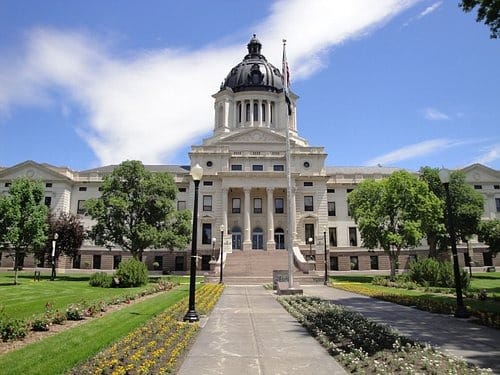
In the heart of the United States, South Dakota, often celebrated for its breathtaking landscapes and rich cultural heritage, has also quietly produced a cadre of remarkably talented individuals who have left an indelible mark on the world of music. This article embarks on a melodic journey through the Mount Rushmore State, shining a spotlight on the Top 10 Famous Singers who have emerged from its vast expanses. From the rugged Badlands to the serene Black Hills, South Dakota has been a fertile ground for musical prodigies, each carving out their own unique niche in the industry. As we traverse this musical landscape, we’ll explore the diverse genres that have found expression in the voices of these artists, ranging from country to pop, rock to folk. These singers not only serve as ambassadors of South Dakota’s talent but also stand testament to the state’s ability to nurture and inspire creativity. Join us on a harmonic exploration of the lives and careers of these extraordinary individuals who have not only captured the hearts of their fellow South Dakotans but have also resonated with audiences worldwide, making them true icons in the realm of music.
1. Dorothy Provine
Dorothy Provine was an American singer, dancer, and actress whose multifaceted talents graced the entertainment scene during the mid-20th century. Born on January 20, 1935, in Deadwood, South Dakota, Provine first gained prominence as a singer, capturing audiences with her vivacious voice and charismatic stage presence. Her musical prowess transcended genres, allowing her to seamlessly navigate through jazz, pop, and even folk, establishing her as a versatile vocalist. Dorothy’s ability to infuse her performances with emotion and energy made her a sought-after performer in various musical productions.
However, it was her transition into acting that solidified Dorothy Provine’s place in Hollywood’s golden era. Known for her magnetic performances, she starred in films like “The Bonnie Parker Story” and “It’s a Mad, Mad, Mad, Mad World.” Her dynamic career extended to television, where she took on memorable roles in popular shows like “The Alaskans” and “The Roaring Twenties.” Despite her diverse talents, Provine’s impact on the entertainment industry is often underscored, but her contributions as a singer, dancer, and actress collectively echo the vibrancy of an era that shaped the cultural landscape of American entertainment.
2. EMA
EMA, or Erika M. Anderson, is an avant-garde singer, songwriter, and producer whose music defies easy categorization. Born on April 2, 1982, in South Dakota, EMA rose to prominence with her distinctive blend of indie rock, folk, and electronic elements. Her musical journey began as a member of the experimental folk duo Gowns, but it was her solo career that truly showcased her innovative approach to sound and storytelling.
EMA’s debut album, “Past Life Martyred Saints,” released in 2011, garnered critical acclaim for its raw, emotionally charged lyrics and the atmospheric, genre-defying instrumentation. Known for her haunting vocals and fearless exploration of dark themes, EMA’s subsequent albums, such as “The Future’s Void” (2014) and “Exile in the Outer Ring” (2017), continued to push the boundaries of conventional music. With a penchant for tackling socio-political issues in her lyrics, EMA’s work is a sonic journey that invites listeners to delve into the complexities of the human experience. As an influential figure in the indie music scene, EMA’s artistry is a testament to the power of pushing artistic boundaries and challenging the norms of contemporary music.
3. We All Have Hooks for Hands
“We All Have Hooks for Hands” is an indie rock band originating from Sioux Falls, South Dakota, known for their eclectic sound and energetic performances. Formed in 2004, the band’s lineup has evolved over the years, but their commitment to delivering dynamic and heartfelt music has remained constant. The group’s distinctive name itself suggests a playful and imaginative approach to their craft.
Blending elements of indie, folk, and rock, We All Have Hooks for Hands creates a sound that is both melodic and emotionally resonant. Their music often features catchy hooks, intricate instrumentation, and introspective lyrics that invite listeners into a reflective and introspective space. While the indie rock scene is vast and varied, this South Dakota-based band has managed to carve out a niche for themselves with their unique sonic identity.
Despite not achieving mainstream fame, We All Have Hooks for Hands has cultivated a dedicated fan base drawn to their authenticity and creativity. Their discography, including albums like “The Pretender” and “The Shape of Energy,” showcases the band’s evolution and willingness to experiment with different musical styles. As indie music continues to celebrate diversity, We All Have Hooks for Hands stands as a testament to the rich and diverse musical landscape emerging from unexpected corners of the United States.
4. Cris Williamson
Cris Williamson is a revered American singer-songwriter and activist whose illustrious career has significantly impacted the folk and women’s music genres. Born on January 26, 1947, in Deadwood, South Dakota, Williamson emerged as a prominent figure during the feminist music movement of the 1970s. Her music is characterized by introspective lyrics, soulful melodies, and a captivating voice that resonates with authenticity.
Williamson gained widespread recognition with her groundbreaking album “The Changer and the Changed” (1975), often considered a landmark in lesbian and women’s music. The album’s themes of love, empowerment, and social justice struck a chord with audiences, making it one of the best-selling independent releases of its time. Cris Williamson’s contributions extend beyond her musical prowess; she played a pivotal role in fostering a supportive community for LGBTQ+ artists.
As a trailblazer for queer visibility in the music industry, Cris Williamson’s legacy endures, influencing generations of artists. Her enduring commitment to social justice, combined with her musical talent, has solidified her status as a cultural icon and an influential force in the ongoing evolution of folk and women’s music.
5. Brule
Brulé is a Native American musical group that seamlessly blends traditional Native American sounds with contemporary musical styles, creating a unique and evocative musical experience. Founded in 1995 by Paul LaRoche, a member of the Native American Lakota-Sioux tribe, Brulé’s music is a fusion of rock, world, and Native American genres, creating a bridge between cultural traditions and modern musical expression.
Led by LaRoche’s vision, Brulé’s performances often incorporate traditional Native American instruments, such as flutes and drums, alongside electric guitars and synthesizers. The result is a rich and harmonious tapestry that pays homage to their cultural roots while embracing a contemporary sound. The group’s name, Brulé, is inspired by the French word for “burnt,” symbolizing their desire to break through stereotypes and preconceptions about Native American music.
Brulé has gained acclaim for their emotionally charged performances, and their albums like “We the People” and “Star People” have garnered recognition for their innovative approach to Native American music. Through their artistry, Brulé not only celebrates their heritage but also contributes to the broader cultural dialogue, fostering a greater appreciation for the diversity and richness of Native American musical traditions.
6. Bob Stewart
Bob Stewart is a distinguished American tubist and composer celebrated for his groundbreaking contributions to jazz and avant-garde music. Born on October 16, 1945, in Sioux Falls, South Dakota, Stewart has left an indelible mark on the world of brass instrumentation. Renowned for his virtuosity on the tuba, he has played a pivotal role in expanding the role of his instrument in jazz and contemporary genres.
Stewart’s career has been marked by collaborations with some of the most influential figures in jazz, including Gil Evans, Carla Bley, and Muhal Richard Abrams. His innovative use of the tuba has allowed him to navigate through diverse musical landscapes, from traditional jazz to experimental and free jazz styles. Beyond his skills as a performer, Stewart is recognized for his compositional prowess, contributing original works that showcase the tuba’s versatility in both solo and ensemble settings.
As a music educator, Bob Stewart has also shared his knowledge and passion with aspiring musicians, influencing the next generation of brass players. His journey from the Midwest to the forefront of the New York jazz scene reflects not only his individual talent but also his commitment to pushing musical boundaries and challenging preconceived notions about the capabilities of the tuba in contemporary music.
7. Myron Floren
Myron Floren was an American accordionist best known for his longstanding association with Lawrence Welk and his orchestra, where he became an iconic figure on “The Lawrence Welk Show.” Born on November 5, 1919, in Webster, South Dakota, Floren’s musical career took off in the 1950s when he joined Welk’s ensemble. His mastery of the accordion, combined with his charismatic stage presence, quickly endeared him to audiences, making him a central and beloved member of the ensemble.
Floren’s skillful accordion performances covered a range of genres, from polkas and waltzes to popular standards, showcasing the instrument’s versatility. His contributions played a significant role in popularizing the accordion on a national scale, bringing a touch of the Midwest to households across America through the television screen. Beyond his work with Welk, Floren also released solo albums and continued to perform throughout his career.
Myron Floren’s legacy extends beyond his musical talents; he became an ambassador for the accordion, dispelling stereotypes and elevating the instrument to new heights of appreciation. His enduring influence and affable stage presence have left an indelible mark on the world of accordion music, ensuring that his contributions are remembered as a vital part of American musical history.
8. Boyd Raeburn
Boyd Raeburn was an American jazz bandleader, composer, and bass saxophonist known for his innovative approach to big band arrangements during the swing era. Born on October 27, 1913, in Faith, South Dakota, Raeburn’s musical career took off in the 1930s and 1940s, marked by his distinctive compositions and unconventional orchestrations.
Raeburn’s big band was renowned for its experimental and forward-thinking sound, incorporating elements of bebop and avant-garde jazz before they became widely recognized genres. His arrangements often featured complex harmonies and intricate instrumentation, setting his ensemble apart from more conventional swing orchestras. Despite facing challenges in achieving mainstream success, Raeburn’s commitment to musical exploration left a lasting impact on the evolution of jazz.
While he faced various struggles in maintaining a stable lineup and financial stability, Raeburn’s legacy lies in his daring musical vision. His compositions, such as “Dalvatore Sally” and “Boyd Meets Stravinski,” showcased his willingness to push boundaries and experiment with new sounds. Although his big band disbanded in the late 1940s, Boyd Raeburn’s contributions to the evolution of jazz remain a testament to his creativity and his role as a pioneer in shaping the genre.
9. Jess Thomas
Jess Thomas was an American operatic tenor celebrated for his powerful and dramatic voice, making him a prominent figure on international opera stages during the mid-20th century. Born on August 4, 1927, in Hot Springs, South Dakota, Thomas’s career spanned several decades, establishing him as one of the leading Wagnerian tenors of his time.
Known for his roles in Richard Wagner’s operas, particularly as a heldentenor, Jess Thomas earned acclaim for his interpretations of characters like Siegmund in “Die Walküre” and Parsifal in Wagner’s eponymous opera. His robust voice and compelling stage presence allowed him to excel in the demanding roles that characterized the German operatic repertoire.
Beyond Wagnerian roles, Thomas also showcased his versatility by performing in works by other notable composers, including Verdi and Puccini. His international career included engagements at renowned opera houses such as the Metropolitan Opera in New York and the Royal Opera House in London.
Jess Thomas’s contributions to the world of opera extend beyond his vocal prowess; he brought a nuanced and emotive quality to his performances, captivating audiences with his interpretation of complex characters. His legacy endures through recordings and memories of his powerful and expressive contributions to the operatic stage.
10. Buddy Red Bow
Buddy Red Bow, born Verdell Primeaux on June 25, 1943, on the Rosebud Indian Reservation in South Dakota, was a Lakota Sioux singer and songwriter whose work played a significant role in Native American music. Red Bow was renowned for his powerful vocals and poignant songwriting that often addressed the struggles, resilience, and cultural heritage of the Native American people.
Growing up on the reservation, Red Bow faced the challenges and injustices experienced by many in his community, and these experiences became the inspiration for his music. His songs, sung in both Lakota and English, were deeply rooted in the traditions of his people, reflecting themes of identity, spirituality, and the impact of historical events on Native communities.
Buddy Red Bow’s breakthrough came with his album “A Bridge to the Ancient Sacred,” which received critical acclaim for its authenticity and emotional depth. His ability to blend traditional Native American music with contemporary elements resonated with audiences, contributing to the broader recognition and appreciation of Native American musical expression.
Though his life was tragically cut short in 1993, Buddy Red Bow’s legacy endures through his impactful contributions to Native American music, serving as a voice for cultural preservation and a source of inspiration for future generations.

Samuel Moore is a frequent contributor to Singers Room. Since 2005, Singersroom has been the voice of R&B around the world. Connect with us via social media below.