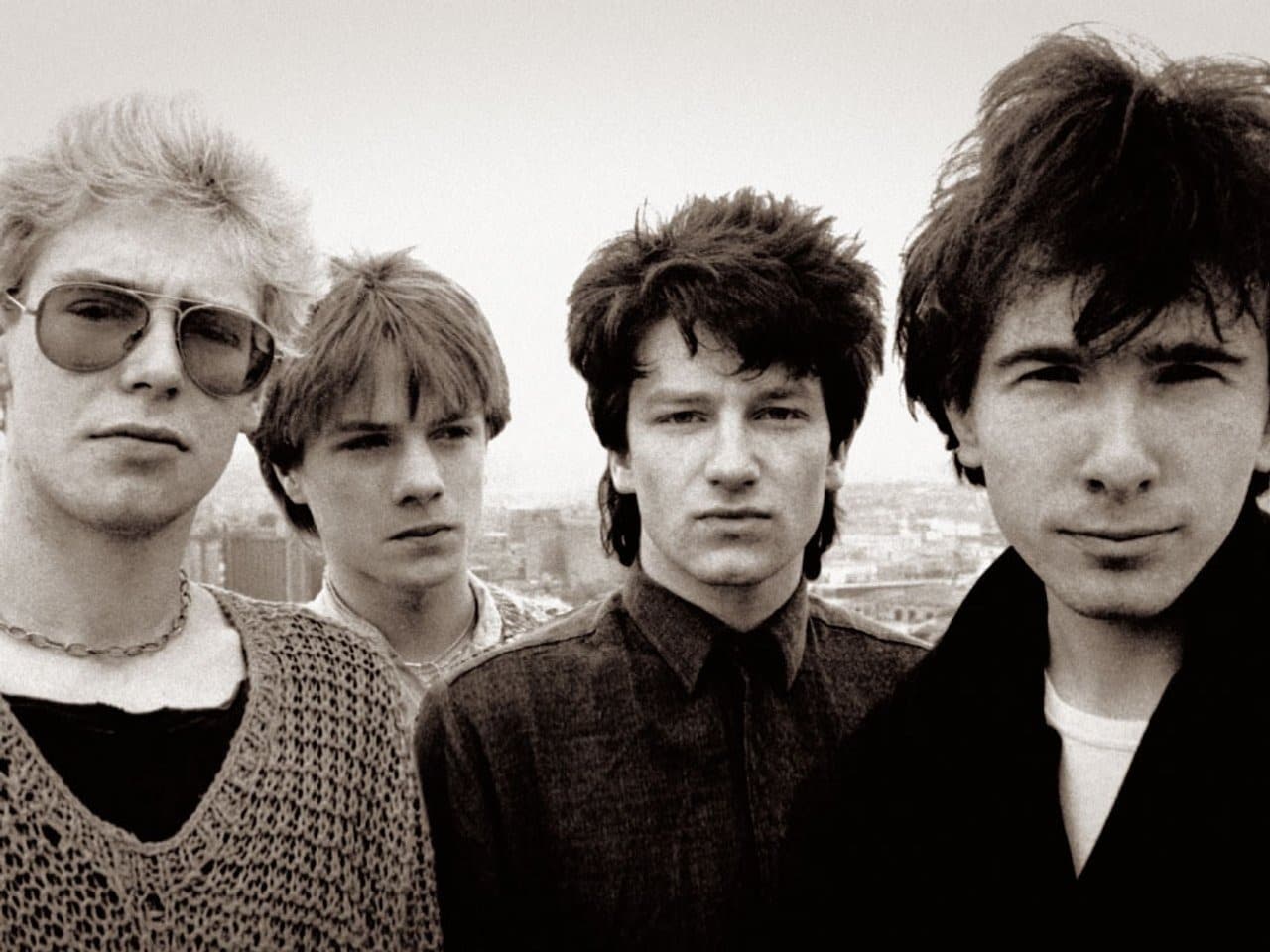
Embark on a musical journey through the decades as we delve into the timeless catalog of one of rock’s most iconic bands. In our article, “Unforgettable Anthems: The Top 10 Best U2 Songs of All Time,” we explore the sonic landscapes crafted by U2, a band that has not only shaped the sound of rock but also etched its name into the annals of music history.
From the anthemic echoes of “With or Without You” to the rebellious spirit of “Sunday Bloody Sunday,” each song on our list is a masterpiece that has left an indelible mark on listeners around the world. We dissect the lyrical prowess of Bono, the soul-stirring guitar riffs of The Edge, and the rhythmic foundation laid by Adam Clayton and Larry Mullen Jr. Through insightful analysis and anecdotes, we highlight the cultural impact and emotional resonance of each track.
Whether you’re a die-hard U2 fan or a newcomer eager to discover the magic of their music, our article serves as a guide to the band’s greatest hits. Join us as we celebrate U2’s musical legacy and count down the Top 10 Best U2 Songs of All Time, showcasing the enduring power of their artistry.
1. Desire
U2’s “Desire” is a timeless anthem that catapults listeners into a whirlwind of passion and urgency. Released in 1988 as part of their album “Rattle and Hum,” the song is a sonic journey infused with a distinctive blend of rock, blues, and gospel influences. The track opens with a gritty guitar riff, immediately setting the stage for Bono’s raspy, charismatic vocals. The lyrics of “Desire” are a captivating exploration of desire itself, touching on themes of love, yearning, and the visceral pull of human connection. Bono’s evocative delivery and the band’s infectious energy create an irresistible sense of urgency, making the song an electrifying experience.
The song’s distinctive slide guitar and driving rhythm contribute to its iconic sound, capturing the raw spirit of rock ‘n’ roll. “Desire” not only showcases U2’s musical prowess but also their ability to craft anthems that resonate with a global audience. Its infectious melody and Bono’s soulful performance have made it a staple in U2’s live performances, solidifying its status as a classic within the band’s extensive discography. “Desire” remains a powerful testament to U2’s ability to seamlessly blend genres while delivering a message that transcends time, making it a cornerstone in the band’s legacy.
2. Mysterious Ways
“Mysterious Ways” by U2, released in 1991 as part of their groundbreaking album “Achtung Baby,” is a sonic exploration that seamlessly combines rock, dance, and alternative elements. The song immediately captivates listeners with its distinctive guitar riff, created by The Edge, and a rhythm that invites movement. Bono’s charismatic vocals, infused with a sense of playful mystique, add an extra layer of allure to the track. The lyrics of “Mysterious Ways” delve into the complexities of love and desire, celebrating the unpredictable and enigmatic nature of romantic relationships.
The song’s eclectic instrumentation, including funky bass lines and electronic flourishes, sets it apart from U2’s earlier works, showcasing the band’s willingness to experiment with new sounds. “Mysterious Ways” became a chart-topping hit, earning critical acclaim for its innovation and infectious energy. The music video, featuring captivating visuals and Bono’s dynamic stage presence, further enhanced the song’s popularity. “Mysterious Ways” remains a testament to U2’s ability to evolve their sound while maintaining a deep connection with their audience, making it a standout track in the band’s illustrious career.
3. Vertigo
U2’s “Vertigo,” released in 2004 as the lead single from the album “How to Dismantle an Atomic Bomb,” is a high-energy rock anthem that immediately grabs the listener’s attention. The track kicks off with a blistering guitar riff from The Edge, setting the tone for a relentless and exhilarating musical journey. Bono’s vocals are delivered with a sense of urgency, perfectly complementing the song’s driving rhythm and infectious energy. Lyrically, “Vertigo” is a visceral exploration of the sensory overload and disorientation associated with intense emotions and experiences.
The song’s production is marked by its raw, stripped-down sound, a departure from some of U2’s more polished works. “Vertigo” is a testament to the band’s ability to reinvent themselves while staying true to their rock roots. The track’s dynamic instrumentation, punctuated by Larry Mullen Jr.’s powerful drumming, contributed to its widespread commercial success. “Vertigo” not only became a chart-topping hit but also a staple in U2’s live performances, where its high-octane energy electrifies audiences. With its infectious hooks and unrelenting pace, “Vertigo” stands as a bold and memorable chapter in U2’s musical legacy.
4. Sunday Bloody Sunday
U2’s “Sunday Bloody Sunday,” released in 1983 as part of their album “War,” is a politically charged anthem that addresses the Troubles in Northern Ireland. The song opens with a poignant drumbeat by Larry Mullen Jr., creating a sense of urgency that pervades the entire track. The Edge’s distinctive guitar riff and Bono’s impassioned vocals contribute to the song’s emotive power. Lyrically, “Sunday Bloody Sunday” reflects on the violence and tragedy of the conflict, calling for peace and understanding. Its chorus, with the iconic refrain “Sunday, bloody Sunday,” has become a rallying cry for justice and social change.
The song’s significance extends beyond its musical prowess; it has become a symbol of U2’s commitment to addressing social and political issues through their art. “Sunday Bloody Sunday” is a powerful example of how music can serve as a vehicle for activism and awareness. Its live performances often include Bono’s impassioned speeches on justice and human rights, emphasizing the song’s enduring relevance. Nearly four decades after its release, “Sunday Bloody Sunday” remains a testament to U2’s ability to use their platform to advocate for a more compassionate and just world, solidifying its place as one of the band’s most iconic and socially impactful songs.
5. Pride (In the Name of Love)
U2’s “Pride (In the Name of Love),” released in 1984 as the lead single from the album “The Unforgettable Fire,” is a poignant tribute to the life and legacy of Martin Luther King Jr. The song opens with The Edge’s shimmering guitar chords, creating a reflective atmosphere that sets the tone for Bono’s soul-stirring vocals. Lyrically, “Pride” is a celebration of King’s vision and sacrifice, addressing themes of justice, equality, and the ongoing struggle for civil rights. The chorus, with its anthemic declaration, “In the name of love, what more in the name of love,” has become an iconic expression of the band’s commitment to social activism.
The song’s production, marked by atmospheric instrumentation and a powerful rhythm section, adds to its emotional impact. “Pride” not only became one of U2’s most successful singles but also solidified their reputation for addressing significant social and political issues through their music. The track’s resonance extends beyond its initial release, often performed at U2’s concerts as a tribute to King and a call to action for justice. “Pride (In the Name of Love)” remains a timeless anthem that honors a civil rights icon while inspiring listeners to continue the fight for a more equitable and compassionate world.
6. Where the Streets Have No Name
U2’s “Where the Streets Have No Name,” a track from their iconic 1987 album “The Joshua Tree,” is a transcendent musical journey that has become synonymous with the band’s grandiose sound. The song opens with The Edge’s iconic guitar arpeggios, gradually building a sonic landscape that evokes a sense of yearning and spiritual exploration. Bono’s vocals soar with passion and conviction, delivering lyrics that touch on themes of hope, escape, and the search for identity. The anthemic chorus, with its repeated refrain “Where the streets have no name,” adds a universal quality to the song’s introspective narrative.
The track is known for its sweeping production, characterized by a wall of sound that incorporates atmospheric synthesizers, rhythmic drum patterns, and The Edge’s signature guitar textures. “Where the Streets Have No Name” is a testament to U2’s ability to create expansive and emotionally charged music that resonates with a global audience. The song has become a staple in the band’s live performances, often serving as a show opener with its dramatic build and infectious energy. Its enduring popularity and critical acclaim underscore its status as one of U2’s most iconic and beloved compositions, standing the test of time as a sonic masterpiece.
7. Beautiful Day
U2’s “Beautiful Day,” released in 2000 as the lead single from their album “All That You Can’t Leave Behind,” is an uplifting anthem that radiates positivity and resilience. The song opens with a simple, yet instantly recognizable, guitar riff from The Edge, setting the stage for Bono’s optimistic and hopeful lyrics. “Beautiful Day” is a celebration of life’s inherent beauty and an acknowledgment of the strength found in facing challenges. The chorus, with its infectious refrain “It’s a beautiful day, don’t let it get away,” encapsulates the track’s message of embracing the present and finding joy even in difficult circumstances.
Musically, the song’s dynamic arrangement and the Edge’s shimmering guitar work contribute to its anthemic quality. The track’s universal themes struck a chord with listeners, earning it widespread commercial success and critical acclaim. “Beautiful Day” went on to win multiple Grammy Awards, including Song of the Year, solidifying its place as one of U2’s most iconic and commercially successful songs. Its enduring popularity is further evidenced by its frequent use in various media and its inclusion in U2’s live performances, where it continues to resonate with audiences as a timeless reminder of the beauty found in everyday life.
8. I Still Haven’t Found What I’m Looking For
U2’s “I Still Haven’t Found What I’m Looking For,” released in 1987 as part of their landmark album “The Joshua Tree,” is a soulful exploration of spiritual longing and the quest for meaning. The song begins with a gospel-inspired combination of chiming guitars and atmospheric sounds, creating a sense of reverence that complements Bono’s introspective lyrics. The track lyrically expresses a deep yearning for fulfillment and purpose, with Bono’s emotive vocals conveying a sense of vulnerability and persistence in the search for something more profound.
The song’s sonic landscape is characterized by The Edge’s distinctive guitar work and the band’s ability to fuse rock with gospel and blues elements. The chorus, with its powerful declaration “But I still haven’t found what I’m looking for,” resonates with listeners on a personal level, capturing the universal theme of the human journey and the ongoing pursuit of one’s true self. Despite its contemplative nature, the track maintains an uplifting and anthemic quality, contributing to its enduring popularity. “I Still Haven’t Found What I’m Looking For” stands as a timeless classic, showcasing U2’s ability to create emotionally resonant music that transcends genres and continues to connect with audiences around the world.
9. One
U2’s “One,” released in 1991 as a part of their album “Achtung Baby,” is a haunting and introspective ballad that explores themes of love, reconciliation, and unity. The song is characterized by a minimalist yet emotionally charged musical arrangement, featuring a soulful vocal performance by Bono. “One” stands out for its raw and honest lyrics that grapple with the complexities of relationships and the challenges of maintaining unity amidst differences.
The track’s timeless appeal lies in its ability to convey both vulnerability and strength. The Edge’s melancholic guitar riffs and the subtle interplay of musical elements create an atmosphere of intimacy, enhancing the emotional impact of the song. “One” became an anthem of sorts, celebrated for its universal message of solidarity and the possibility of healing fractured connections. The refrain, “We’re one, but we’re not the same,” encapsulates the essence of the song, emphasizing the beauty found in diversity and shared humanity.
“One” has transcended its initial release to become one of U2’s signature tracks, frequently performed in their concerts and covered by various artists. Its enduring relevance and emotional depth have solidified “One” as a powerful testament to U2’s artistic prowess and their ability to craft music that resonates on a profound level.
10. With or Without You
U2’s “With or Without You,” released in 1987 as part of their groundbreaking album “The Joshua Tree,” is an emotionally charged ballad that explores the complexities of love and desire. The song opens with a distinctive ambient guitar riff from The Edge, immediately setting a contemplative and introspective tone. Bono’s passionate vocals convey a sense of yearning and vulnerability, reflecting the song’s theme of the tumultuous nature of relationships.
The track is known for its atmospheric soundscapes and gradual build-up, creating a powerful musical journey that crescendos with a memorable chorus. The lyrics, marked by lines like “With or without you, I can’t live, with or without you,” encapsulate the push-and-pull dynamics of love and the inherent contradictions that come with it. “With or Without You” became one of U2’s most commercially successful and critically acclaimed songs, earning them a Grammy Award for Record of the Year.
The song’s enduring popularity is evident in its continued presence in U2’s live performances and its frequent appearance in popular culture. Its timeless quality lies in its ability to resonate with listeners on a deeply emotional level, making “With or Without You” a classic and integral part of U2’s illustrious discography.

Samuel Moore is a frequent contributor to Singers Room. Since 2005, Singersroom has been the voice of R&B around the world. Connect with us via social media below.









