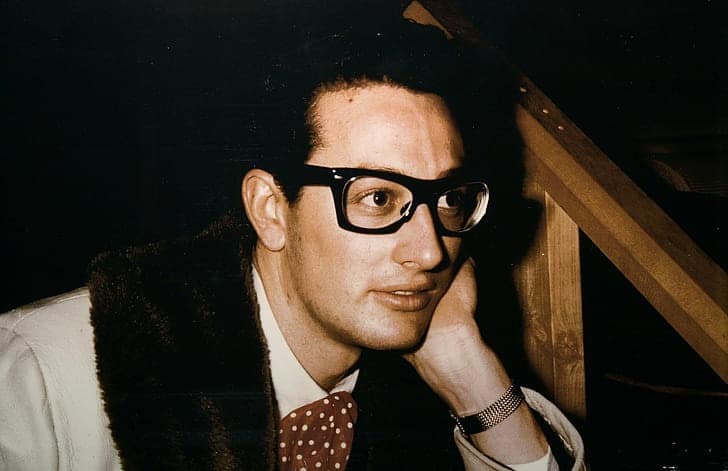
Embark on a nostalgic journey through the timeless melodies that defined an era with our definitive list of the “Top 10 Best Buddy Holly Songs of All Time.” In this musical odyssey, we delve into the genius of the legendary rock ‘n’ roll pioneer, exploring the songs that continue to captivate audiences and influence generations.
From the infectious energy of “Peggy Sue” to the poignant balladry of “True Love Ways,” each track on our curated list showcases Buddy Holly’s unparalleled ability to infuse rock and pop with a signature blend of charisma and innovation. Tragically, Holly’s career was cut short, but his musical legacy lives on through these ten iconic compositions.
Unravel the stories behind the hits, discover the genius behind the glasses, and relive the magic that continues to echo through the annals of rock history. This article not only pays homage to Buddy Holly’s enduring impact on the music industry but also serves as a guide for both seasoned fans and new listeners alike to experience the very best of an artist whose influence transcends time. Join us as we celebrate the genius of Buddy Holly and count down the unforgettable tunes that have etched his name in the pantheon of musical legends.
1. Everyday
“Everyday” by Buddy Holly is a timeless classic that captures the essence of youthful love and infatuation. Released in 1957, the song is a perfect blend of rock and roll with a touch of Holly’s signature hiccup-style vocals. The simplicity of the lyrics mirrors the purity of emotions, as Holly croons about the joy and anticipation that love brings to everyday life. The catchy melody, driven by a steady rhythm, is accompanied by the gentle strumming of an acoustic guitar, creating a charming and upbeat atmosphere that resonates with listeners across generations.
Buddy Holly’s “Everyday” is a musical gem that stands the test of time due to its universal theme and the artist’s unique musical approach. Holly’s voice exudes sincerity, and the song’s straightforward lyrics convey the innocence and optimism of budding romance. The track not only showcases Holly’s songwriting prowess but also his ability to craft melodies that endure through the years. “Everyday” remains a cherished piece in the rock and roll canon, leaving an indelible mark on the hearts of those who appreciate the simplicity and beauty of genuine love expressed through music.
2. Rave On!
“Rave On!” by Buddy Holly is a jubilant rock and roll anthem that bursts with infectious energy and optimism. Released in 1958, the song showcases Holly’s innovative musical style, blending rockabilly, country, and rhythm and blues. The catchy chorus, punctuated by Holly’s exuberant “Well, rave on!,” became an iconic rallying cry for the rock and roll generation. The driving beat and spirited guitar riffs contribute to the song’s lively atmosphere, making it a timeless example of the early rock and roll sound.
Buddy Holly’s “Rave On!” is not only a celebration of the joy of music but also a testament to the resilience of the human spirit. The lyrics tell a tale of heartbreak and lost love, but Holly’s spirited delivery and the upbeat tempo transform the narrative into a triumphant declaration of moving forward with positivity. The song’s influence can be heard in subsequent generations of rock music, with its dynamic blend of musical elements and Holly’s charismatic vocal delivery leaving an enduring legacy in the history of popular music.
3. Oh Boy!
“Oh Boy!” by Buddy Holly is a spirited rock and roll classic that radiates with infectious enthusiasm. Released in 1957 as part of his groundbreaking debut album, the song is a perfect embodiment of Holly’s signature sound. The upbeat tempo, rollicking guitar riffs, and Holly’s distinctive vocal style combine to create a timeless piece of early rock music. “Oh Boy!” exudes a carefree and joyous vibe, inviting listeners to join in the celebration of life and love.
The song’s lyrics, while simple, capture the essence of youthful exuberance and the thrill of being in love. Holly’s hiccup-style singing adds a playful charm, making the track instantly recognizable. The driving rhythm, propelled by the rhythmic strumming of the guitar, adds to the song’s infectious energy. “Oh Boy!” is a testament to Holly’s ability to craft catchy and memorable tunes that resonate across generations, solidifying his status as a pioneer in the rock and roll genre. With its timeless appeal and enduring popularity, “Oh Boy!” remains a cornerstone of Buddy Holly’s influential musical legacy.
4. Not Fade Away
“Not Fade Away” by Buddy Holly is a groundbreaking rock and roll anthem that continues to captivate audiences with its distinctive rhythm and infectious energy. Released in 1957, the song is characterized by its driving beat, marked by a prominent use of the Bo Diddley beat, a syncopated rhythm that became a hallmark of early rock music. Holly’s rhythmic guitar work and earnest vocals contribute to the song’s dynamic and compelling sound, creating a timeless piece that transcends the era of its origin.
The lyrics of “Not Fade Away” reflect the theme of enduring love, expressing a determination that echoes in the rhythmic pulse of the music itself. Holly’s vocal delivery, accompanied by the steady percussion and lively guitar, creates an irresistible fusion of rock, blues, and country influences. The song’s influence extends beyond Holly’s era, as subsequent artists have covered and reinterpreted it, cementing its place in the pantheon of rock classics. “Not Fade Away” stands as a testament to Buddy Holly’s innovative approach to music, leaving an indelible mark on the evolution of rock and roll.
5. Maybe Baby
“Maybe Baby” by Buddy Holly is a captivating rock and roll ballad that showcases Holly’s talent for crafting timeless melodies and delivering heartfelt lyrics. Released in 1957, the song features Holly’s signature vocal style, characterized by his distinctive hiccup and warm, emotive delivery. The lyrics convey a sense of uncertainty in love, expressing the hopeful anticipation of a positive outcome. Holly’s sincere and earnest approach to the theme, coupled with the song’s melodic charm, creates an enduring piece that resonates with listeners across generations.
The music of “Maybe Baby” is characterized by its gentle yet catchy rhythm, driven by acoustic and electric guitars, and complemented by a subtle percussion arrangement. The arrangement exemplifies Holly’s ability to blend elements of rock, country, and pop into a seamless and accessible sound. The song’s emotional depth and musical craftsmanship contribute to its lasting popularity. “Maybe Baby” remains a classic representation of Buddy Holly’s impact on the rock and roll genre, embodying the spirit of early rock music with its heartfelt lyrics, memorable melody, and Holly’s distinctive vocal delivery.
6. It’s So Easy
Buddy Holly’s “It’s So Easy” is a timeless rock and roll anthem that encapsulates the essence of the 1950s music scene. Released in 1958 as part of his second album “Buddy Holly,” the song showcases Holly’s signature upbeat and catchy style. With its infectious rhythm and Holly’s distinctive vocal delivery, “It’s So Easy” embodies the carefree spirit of early rock and roll. The track is characterized by its energetic guitar riffs, driving percussion, and Holly’s charmingly unaffected lyrics, creating a sound that remains influential to this day.
The lyrics of “It’s So Easy” are a celebration of the simplicity of love, reflecting the optimism and innocence of the era. Holly’s vocals exude a sense of joy as he croons about the effortless nature of falling in love, capturing the exuberance of youth and the excitement of romantic discovery. The song’s enduring popularity lies not only in its musical brilliance but also in its ability to transport listeners to a bygone era, evoking a sense of nostalgia for the golden age of rock and roll. “It’s So Easy” stands as a testament to Buddy Holly’s enduring legacy and his role in shaping the landscape of popular music.
7. Heartbeat
“Heartbeat” by Buddy Holly is a captivating ballad that showcases the artist’s versatility and emotional depth. Released in 1958, the song is a departure from Holly’s more upbeat rock and roll hits, offering a glimpse into his ability to convey heartfelt emotions through music. With its gentle melody and poignant lyrics, “Heartbeat” paints a vivid picture of the bittersweet complexities of love. Holly’s vocals are tender yet earnest, creating a connection with the listener as he navigates the ups and downs of romantic relationships.
The instrumentation in “Heartbeat” is marked by its simplicity and elegance, featuring acoustic guitars and subtle percussion that complement Holly’s vocals without overshadowing the song’s emotional core. The lyrics delve into themes of longing and the rhythmic pulse of a heart in love, capturing the universal experience of navigating the intricacies of the human heart. “Heartbeat” not only showcases Holly’s songwriting prowess but also highlights his ability to convey deep emotions with a sincerity that resonates across generations. As a timeless classic, the song remains a testament to Buddy Holly’s enduring impact on the evolution of popular music and his ability to create poignant, memorable compositions.
8. True Love Ways
“True Love Ways” by Buddy Holly is a hauntingly beautiful ballad that stands as a testament to Holly’s songwriting genius and his ability to convey deep, romantic emotions. Released in 1960, the song is notable for its orchestral arrangement, a departure from Holly’s earlier rock and roll sound. The lush string accompaniment enhances the song’s emotional impact, creating a timeless piece that transcends musical genres. Holly’s vocals are tender and heartfelt, delivering lyrics that speak of enduring love and commitment.
The lyrics of “True Love Ways” paint a picture of a love that transcends challenges and stands the test of time. Holly’s poetic expressions, combined with the orchestral backdrop, evoke a sense of nostalgia and longing. The song has a timeless quality that resonates with listeners, making it a classic in the realm of romantic ballads. Despite its release posthumously after Holly’s tragic death in 1959, “True Love Ways” remains a poignant reminder of the artist’s enduring influence on the landscape of popular music. The song’s enduring popularity attests to its universal themes and the timeless nature of Buddy Holly’s contributions to the world of music.
9. Peggy Sue
“Peggy Sue” by Buddy Holly is an iconic rock and roll classic that epitomizes the energy and exuberance of the late 1950s music scene. Released in 1957, the song features Holly’s distinctive vocal style and innovative use of guitar, creating a lively and infectious tune. Named after Holly’s friend Peggy Sue Gerron, the track became one of his most popular and enduring hits. The song is characterized by its catchy guitar riff and upbeat tempo, setting the stage for the rock and roll revolution of the era.
Lyrically, “Peggy Sue” is a playful ode to the excitement and thrill of young love. Holly’s lyrics capture the essence of teenage romance, and his vocal delivery exudes a sense of youthful enthusiasm. The repetitive and memorable chorus adds to the song’s sing-along appeal, making it a staple in the rock and roll canon. “Peggy Sue” not only showcases Holly’s musical talent but also his ability to connect with a broad audience through relatable themes.
With its timeless charm and infectious rhythm, “Peggy Sue” remains a beloved classic that continues to be celebrated for its role in shaping the trajectory of rock and roll. The song’s enduring popularity is a testament to Buddy Holly’s influence on the evolution of popular music.
10. That’ll Be the Day
“That’ll Be the Day” by Buddy Holly and the Crickets is a groundbreaking rock and roll anthem that catapulted Holly to stardom and left an indelible mark on the genre. Released in 1957, the song’s title and memorable refrain became a cultural catchphrase, symbolizing the anticipation of future success. The track is characterized by its distinctive guitar riff and Holly’s energetic vocals, embodying the rebellious spirit and youthful energy that defined the emerging rock and roll movement.
The lyrics of “That’ll Be the Day” tell a story of skepticism and determination, with Holly expressing doubt about a romantic partner’s promises. The defiant and catchy chorus, where Holly declares, “That’ll be the day when I die,” became an iconic rallying cry for a generation. The song’s impact extended beyond its musical brilliance; it became a cultural touchstone, influencing subsequent rock musicians and solidifying Holly’s status as a pioneer in the genre.
“That’ll Be the Day” remains a cornerstone of rock and roll history, not only for its chart-topping success but also for its role in shaping the sound and attitude of the burgeoning genre. Holly’s dynamic performance and the song’s enduring popularity make it a timeless classic that continues to resonate with audiences, showcasing the enduring influence of Buddy Holly on the landscape of popular music.

Samuel Moore is a frequent contributor to Singers Room. Since 2005, Singersroom has been the voice of R&B around the world. Connect with us via social media below.









