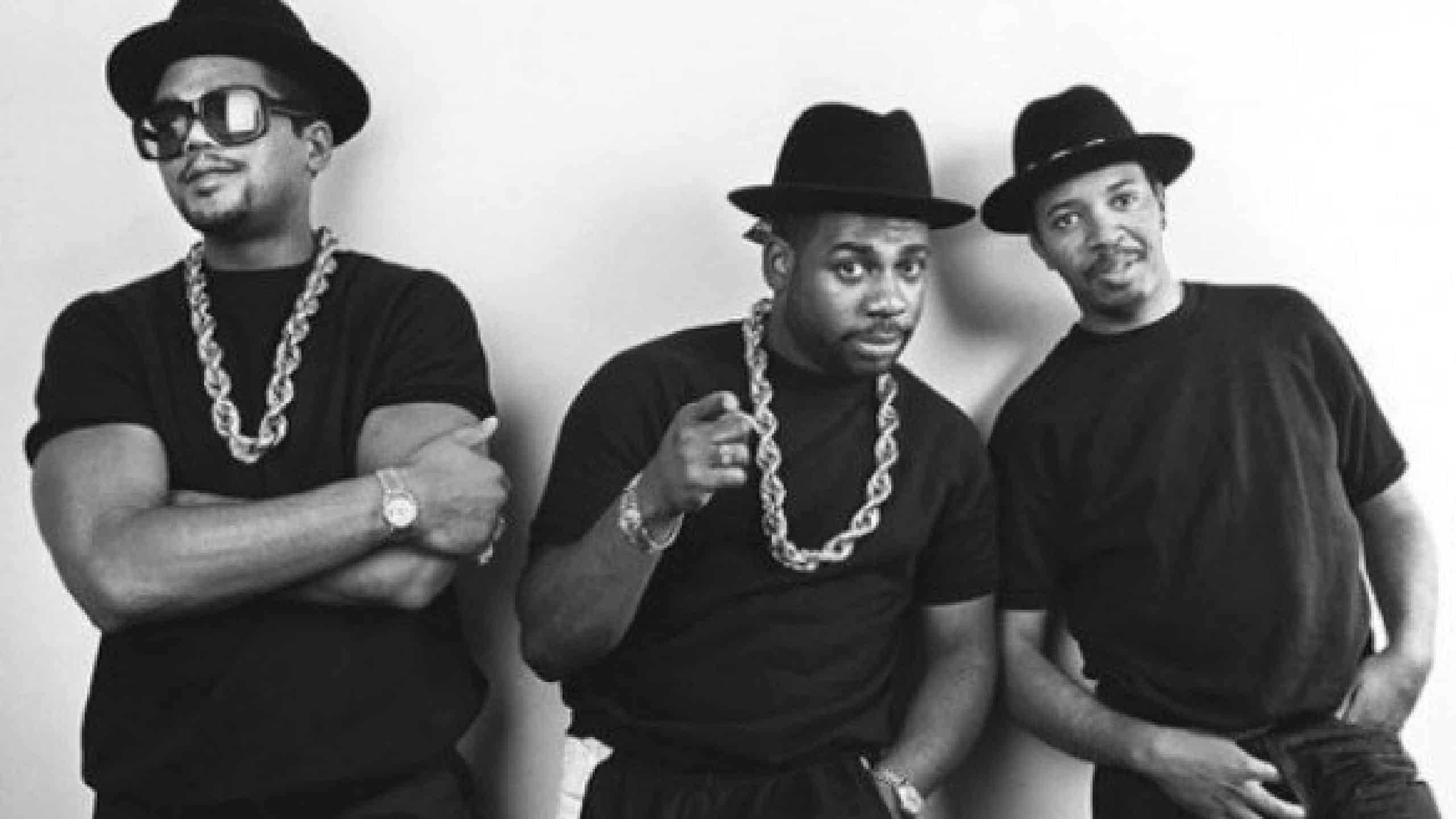
The Sugarhill Gang, a pioneering hip-hop group hailing from Englewood, New Jersey, etched their name in music history with the groundbreaking 1979 release of “Rapper’s Delight.” Comprising members Michael “Wonder Mike” Wright, Henry “Big Bank Hank” Jackson, and Guy “Master Gee” O’Brien, the trio became the first to bring rap music to the mainstream.
“Rapper’s Delight,” produced by Sylvia Robinson and recorded on the Sugar Hill Records label, was a cultural phenomenon. Clocking in at 14 minutes, the track showcased the group’s playful rhymes over a sample of Chic’s “Good Times.” Its infectious beats and catchy lyrics captivated audiences worldwide, and it became an anthem of the burgeoning hip-hop movement.
While The Sugarhill Gang faced challenges associated with being pioneers in an emerging genre, their impact on rap music is indelible. Beyond “Rapper’s Delight,” their other notable tracks include “Apache” and “8th Wonder.” The Sugarhill Gang’s influence on the development of hip-hop culture remains immeasurable, and their trailblazing contributions paved the way for the diverse and expansive landscape of contemporary rap music.
1. Get on Up
“Get on Up” is a funk and soul song by James Brown, a prominent figure in music, known as the “Godfather of Soul.” This track, released in 1973, was a chart-topping hit that embodies Brown’s energetic style and powerful vocals. It’s not directly associated with Sugarhill, which is a record label known for its role in the early days of hip-hop, particularly releasing the groundbreaking hit “Rapper’s Delight” by the Sugarhill Gang in 1979.
“Get on Up” is a quintessential James Brown track, characterized by its funky rhythm, horn section, and Brown’s dynamic performance. The song encourages listeners to get up, dance, and feel the rhythm, embodying the essence of funk music with its infectious groove and spirited vocals. While there might not be a direct connection between “Get on Up” and Sugarhill Records, both are significant in their respective genres, contributing to the legacy of funk and early hip-hop.
2. 8th Wonder
“8th Wonder” is a song by the Sugarhill Gang, released in 1981. It’s the title track of their second album and is known for its funky beat and catchy hooks. The track follows the success of their debut single “Rapper’s Delight” and showcases the group’s ability to create infectious rhythms and party-oriented lyrics.
“8th Wonder” features the Sugarhill Gang’s signature style of rapping over a vibrant and danceable beat. The lyrics boast about the group’s skills and their ability to rock the mic, accompanied by playful and entertaining verses.
While “8th Wonder” didn’t achieve the same level of mainstream success as “Rapper’s Delight,” it remains a notable track in the Sugarhill Gang’s discography, representing their contribution to the early days of hip-hop and their impact on the genre’s evolution.
3. 7′ Single Version
The 7″ single version of a song refers to a shortened, radio-friendly edit that is typically released as a promotional single. These versions often have a condensed structure and shorter run-time compared to the album or extended versions, making them more suitable for radio airplay. The 7″ single version provides a concise and catchy representation of the song, making it a popular choice for casual listeners or those in need of a quick musical fix.
4. Kick It Live From 9 to 5
This track, widely remembered for its catchy chorus and electronic beat, is one of The Sugarhill Gang’s most popular songs. ‘Kick It Live From 9 to 5’ is a classic rap song that captivated listeners with its playful lyrics and innovative approach to hip hop in the ’80s.
The song is an ode to the struggling working-class people who have to grind their way through office jobs every day. The track sets off with a soothing keyboard sound layered with an electronic beat as Big Bank Hank introduces himself. Later on, Master Gee energizes the crowd with his lively raps and Wonder Mike seals the deal with his charm and wit.
5. Funk Box
Exploring The Sugarhill Gang’s repertoire, we come across their iconic track, which can be referred to as ‘3. Funk Box.’ An apt description of the band’s funk-driven signature style showcased in this track.
A glimpse into their discography displays a table being drawn with columns such as ‘Song Name,’ ‘Album Name,’ ‘Year of Release,’ and ‘Duration.’ Amongst other titles like “Rapper’s Delight” and “Apache,” the Funk Box takes its place on the chart.
6. Rapper’s Delight
“Rapper’s Delight” is a pioneering hip-hop track by the Sugarhill Gang, released in 1979. It’s recognized as one of the earliest and most influential songs in the history of hip-hop music. The track introduced rap music to a global audience and played a pivotal role in popularizing the genre.
Clocking in at over 14 minutes in its full version, “Rapper’s Delight” features the Sugarhill Gang’s rapping over a funky beat sampled from Chic’s “Good Times.” The song showcases playful and boastful lyrics delivered in a rhythmic, spoken-word style, celebrating partying, bragging about skills, and showcasing the art of rapping.
“Rapper’s Delight” achieved widespread commercial success, becoming a chart-topping hit and reaching a broad audience beyond the confines of the burgeoning hip-hop scene. Its infectious beat, catchy hooks, and entertaining verses propelled it to mainstream success, paving the way for the acceptance and growth of hip-hop music in the music industry.
As a landmark in music history, “Rapper’s Delight” remains a beloved classic, celebrated for its cultural impact and its role in shaping the trajectory of hip-hop as a genre.
7. Apache (Jump On It)
“Apache (Jump On It)” is a song by The Sugarhill Gang, an iconic hip-hop group. Released in 1981, the track is a reworking of the instrumental hit “Apache” by the Incredible Bongo Band. The Sugarhill Gang’s version brought a fresh twist, incorporating new lyrics and an energetic performance.
“Apache (Jump On It)” became one of The Sugarhill Gang’s notable hits, known for its catchy chorus and infectious energy. The song gained further popularity when it was featured in the iconic dance scene of the 1990 sitcom “The Fresh Prince of Bel-Air,” where the character Carlton Banks, played by Alfonso Ribeiro, performs a unique dance routine to the song.
The track is celebrated for its fusion of hip-hop with the funk and breakbeat elements of the original “Apache.” The Sugarhill Gang’s playful lyrics and the energetic vibe of the song have made it a classic in both hip-hop and dance music, with its influence extending into popular culture through various references and adaptations over the years.
8. Funk You Up
“Funk You Up” is a song by The Sequence, released in 1979. It’s notable as one of the earliest commercially successful hip-hop songs by a female group and is often regarded as a pioneering track in the genre.
The Sequence, consisting of Angie Stone, Cheryl Cook, and Gwendolyn Chisolm, delivered “Funk You Up” as a catchy and spirited anthem that fused elements of funk and hip-hop. The song features rhythmic rhymes and a funky groove that encourages dancing and celebrating life.
“Funk You Up” is recognized for its infectious energy, party-friendly lyrics, and its contribution to the early days of hip-hop, especially for female artists. It paved the way for subsequent female hip-hop artists, contributing to the diversification and expansion of the genre.
The track’s impact on the evolution of hip-hop and its status as a pioneering record in the genre’s history solidify its place as an influential and memorable song in the early days of hip-hop music.
9. White Lines (Don’t Don’t Do It)
“White Lines (Don’t Don’t Do It)” is a classic hip-hop song by Grandmaster Melle Mel and The Furious Five, released in 1983. The song addresses the destructive impact of cocaine addiction and drug abuse. Grandmaster Melle Mel delivers powerful and socially conscious lyrics, warning against the dangers of drug use.
The song’s iconic bassline and melody were created by producer Sylvia Robinson, who was also responsible for producing The Sugarhill Gang’s “Rapper’s Delight.” “White Lines” features a prominent bass riff borrowed from Liquid Liquid’s track “Cavern.” The combination of Melle Mel’s forceful delivery and the infectious beat made the song a significant contribution to the hip-hop and dance music genres.
In addition to its musical influence, “White Lines” is notable for its impact on raising awareness about the dangers of drug addiction. The chorus includes the memorable lines: “Don’t do it, don’t do it / Crack, crack, cocaine, cocaine.” The song has been covered and sampled by various artists over the years, attesting to its enduring cultural relevance.
“White Lines (Don’t Don’t Do It)” remains a classic example of socially conscious hip-hop, addressing important issues through the power of music and lyrics.
10. The Message
“The Message” is a groundbreaking hip-hop track by Grandmaster Flash and the Furious Five, released in 1982. It’s widely celebrated as a seminal song that brought social commentary and storytelling to the forefront of hip-hop music.
The song diverged from the party-oriented themes prevalent in early hip-hop and delved into the harsh realities of urban life, particularly in marginalized communities. “The Message” explored themes of poverty, inner-city struggles, and the challenges faced by people living in impoverished neighborhoods.
Grandmaster Flash and the Furious Five’s lyrics vividly depicted the hardships and social issues encountered daily, painting a stark picture of life in the streets. Lines like “It’s like a jungle sometimes, it makes me wonder how I keep from going under” capture the grim realities faced by many.
Musically, “The Message” features a gripping narrative delivered over a minimalist beat, allowing the lyrics to take center stage. The song’s raw authenticity and storytelling set a new standard for hip-hop, emphasizing the genre’s potential for addressing social issues and delivering powerful messages.
“The Message” is regarded as a groundbreaking track that shifted the direction of hip-hop by introducing socially conscious themes. Its impact on the genre’s evolution and its enduring relevance in addressing societal challenges solidify its place as a timeless and influential hip-hop classic.

Edward Tomlin is a frequent contributor to Singers Room. Since 2005, Singersroom has been the voice of R&B around the world. Connect with us via social media below.









