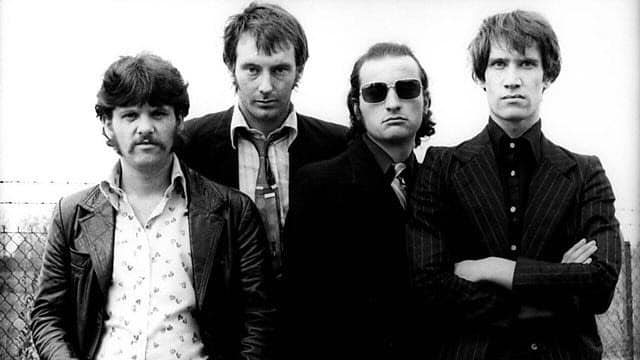
In the pulsating realm of alternative rock, few bands have left an indelible mark as profound as The Only Ones. As we embark on a sonic journey through their illustrious career, it becomes an exhilarating task to distill the essence of their musical prowess into a definitive list of the “10 Best The Only Ones Songs of All Time.” From the intoxicating allure of their self-titled debut album to the rebellious spirit encapsulated in later releases, The Only Ones have consistently pushed the boundaries of sonic expression. This compilation is not just a mere countdown; it’s a celebration of their artistic evolution and the timeless resonance of their creations. Each song on this list encapsulates a moment in music history when the ethereal met the tangible, resulting in a harmonious fusion that continues to captivate listeners across generations. Join us as we navigate the lyrical landscapes and guitar-driven melodies that define The Only Ones, unearthing the soul of a band whose impact has proven to be both enduring and transformative.
1. Another Girl, Another
“Another Girl, Another Planet” is a timeless punk rock anthem that emerged from the late 1970s British punk scene. Released by The Only Ones in 1978, the song is a sonic journey fueled by raw energy and a pulsating rhythm. Peter Perrett’s distinctive vocals convey a sense of urgency, echoing the restless spirit of the era. The lyrics, simultaneously cryptic and poignant, explore themes of escapism and the perpetual search for something elusive. The driving guitar riffs and infectious melody contribute to the song’s enduring appeal, making it a classic in the punk rock genre. “Another Girl, Another Planet” remains a soundtrack to rebellion, capturing the essence of a generation pushing against societal norms.
2. Lovers of Today
“Lovers of Today” is a melancholic ballad that encapsulates the bittersweet complexities of modern love. Penned and performed by The Only Ones, the song was released in 1979 as part of their influential self-titled album. Against a backdrop of jangling guitars and emotive vocals by Peter Perrett, the lyrics paint a vivid picture of the fleeting nature of contemporary relationships. The song explores the transient nature of love, the struggles of maintaining connections, and the inevitability of change. “Lovers of Today” is a poignant reflection on the fragility of romantic entanglements, showcasing The Only Ones’ ability to seamlessly blend introspective lyrics with captivating melodies. This track stands as a testament to the band’s versatility, demonstrating their prowess beyond the punk sound that characterized their earlier work.
3. The Whole of the Law
“The Whole of the Law” by The Only Ones is a sonic exploration that transcends traditional punk boundaries. Released in 1979 as part of their self-titled album, the song showcases the band’s evolution into a more diverse musical landscape. With a haunting melody and Peter Perrett’s distinctive vocals, the track delves into the darker realms of desire and consequences. The lyrics, enigmatic and evocative, weave a tale of forbidden love and the inevitable conflicts that arise. A departure from their earlier punk sound, “The Whole of the Law” reveals The Only Ones’ ability to craft complex, atmospheric compositions that linger in the listener’s mind.
4. Miles from Nowhere
“Miles from Nowhere” is a reflective and introspective piece that finds its home in the folk-influenced repertoire of Cat Stevens. Released in 1970 as part of his album “Tea for the Tillerman,” the song encapsulates a journey of self-discovery and a quest for inner peace. Stevens’ soulful vocals and acoustic guitar work create an intimate atmosphere, inviting listeners to join him on a contemplative exploration of life’s purpose and meaning. “Miles from Nowhere” remains a timeless anthem for those seeking solace and connection in the midst of life’s uncertainties.
5. Oh Lucinda (Love Becomes a Habit)
“Oh Lucinda (Love Becomes a Habit)” is a mesmerizing track from The Only Ones, released in 1980 as part of their album “Even Serpents Shine.” The song exudes a dreamlike quality, with Peter Perrett’s soulful vocals narrating a tale of love and addiction. The hypnotic guitar riffs and ethereal instrumentation create a sonic landscape that mirrors the tumultuous journey of romantic entanglements. The lyrics poetically explore the addictive nature of love, drawing parallels between passion and habit. “Oh Lucinda” showcases The Only Ones’ ability to infuse their music with emotional depth and sonic experimentation, solidifying their status as a band capable of pushing artistic boundaries while maintaining a poignant connection with their audience.
6. The Immortal Story
“The Immortal Story” is a captivating instrumental piece that serves as the title track for a film directed by Orson Welles. Composed by Erik Satie, the music encapsulates the enigmatic and timeless quality of Welles’ cinematic storytelling. Released in 1968, the soundtrack features Satie’s minimalist piano compositions, creating a haunting atmosphere that complements the film’s narrative. The melancholic yet beautiful melodies evoke a sense of nostalgia and introspection, transporting listeners into the atmospheric world of Welles’ visual masterpiece. “The Immortal Story” soundtrack stands as a testament to Satie’s ability to convey complex emotions through his minimalist and evocative musical style.
7. Trouble in the World
“Trouble in the World” is a soulful and socially conscious song that emerged from the dynamic collaboration between Coldplay and Pharrell Williams. Released in 2015 as part of the “Global Citizen EP,” the track addresses global issues and the need for collective action to bring about positive change. Pharrell’s distinctive vocals blend seamlessly with Coldplay’s anthemic sound, creating a powerful call to awareness and action. The lyrics explore themes of inequality, conflict, and the shared responsibility to make the world a better place. “Trouble in the World” not only showcases the musical synergy between two influential artists but also serves as a reminder of the potential of music to inspire social change and raise awareness about pressing global issues.
8. Flaming Torch
“Flaming Torch” is a bluesy, soulful gem that emerged from the collaboration between rockabilly legends Jerry Lee Lewis and Sam Phillips. Released in 1957, the song captures the fiery energy and dynamic piano playing that defined Lewis’s early career. The lyrics tell a tale of burning desire and unbridled passion, complemented by Lewis’s raw and powerful vocals. With its infectious rhythm and rollicking piano, “Flaming Torch” stands as a testament to the influence of rock and roll on the evolving musical landscape of the 1950s.
9. Cast Iron Arm
“Cast Iron Arm” is a rockabilly classic that showcases the unmistakable style of Peanuts Wilson. Released in 1957, the song tells a lively and humorous tale of resilience in the face of adversity, with Wilson’s charismatic vocals driving the narrative. The upbeat tempo, twangy guitar, and energetic rhythm contribute to the infectious nature of “Cast Iron Arm,” making it a standout in the rockabilly genre. Wilson’s spirited performance and the catchy melody ensure that this track remains a timeless example of the exuberance and storytelling prowess inherent in rockabilly music.
10. Language Problem
“Language Problem” is a post-punk masterpiece from the influential band The Only Ones, released in 1979 as part of their self-titled album. The song showcases the band’s distinctive sound, with Peter Perrett’s emotive vocals leading the way. The lyrics delve into the challenges of communication and the breakdown of interpersonal relationships, set against a backdrop of swirling guitars and dynamic rhythms. “Language Problem” not only exemplifies The Only Ones’ musical versatility, straddling the line between punk and post-punk, but also captures the band’s ability to infuse introspective themes into their energetic and innovative sound.

Samuel Moore is a frequent contributor to Singers Room. Since 2005, Singersroom has been the voice of R&B around the world. Connect with us via social media below.









