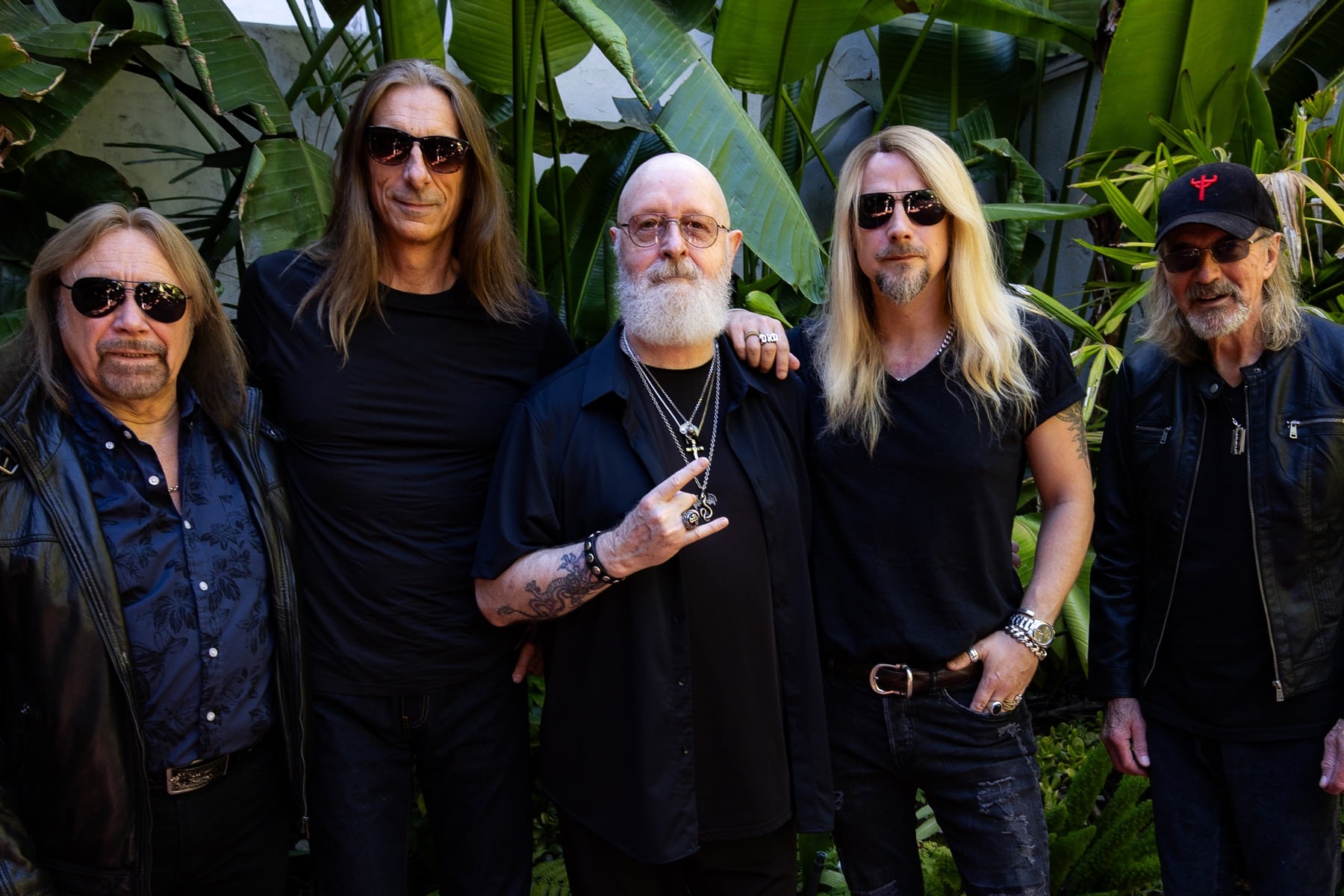
Judas Priest, a legendary heavy metal band hailing from Birmingham, England, stands as one of the genre’s pioneers and enduring icons. Formed in 1969, the band has left an indelible mark on the metal landscape with their powerful sound, distinctive twin-guitar harmonies, and the unmistakable operatic vocals of lead singer Rob Halford. Renowned for their leather-and-studs image, Judas Priest has not only shaped the sonic landscape of heavy metal but has also influenced the entire culture surrounding the genre.
Judas Priest’s discography spans decades, with groundbreaking albums like “British Steel,” “Screaming for Vengeance,” and “Painkiller.” These records showcase the band’s evolution from traditional blues-infused hard rock to a faster, heavier sound that helped define the New Wave of British Heavy Metal (NWOBHM).
Known for their anthemic tracks such as “Breaking the Law,” “Painkiller,” and the iconic “You’ve Got Another Thing Comin’,” Judas Priest has garnered a dedicated global fanbase. Rob Halford’s distinctive vocal range, Glenn Tipton and K.K. Downing’s dual guitar assault, and the rhythm section’s thunderous precision collectively contribute to the band’s enduring legacy. With a career spanning over five decades, Judas Priest remains a driving force in the world of heavy metal, leaving an everlasting impact on the genre’s evolution and cementing their status as metal gods.
1. Breaking the Law
“Breaking the Law” is a classic heavy metal anthem by the legendary British band Judas Priest. Released in 1980 as a single from their album “British Steel,” the song quickly became one of Judas Priest’s most iconic and recognizable tracks.
The song is characterized by its infectious guitar riff, powerful vocals by lead singer Rob Halford, and straightforward lyrics that resonate with rebellious energy. “Breaking the Law” tells the tale of a person who, feeling oppressed and disillusioned, decides to break societal norms and rebel against the system.
The chorus, with Halford emphatically singing “Breaking the law, breaking the law,” became a rallying cry for fans and an enduring symbol of defiance. The track’s memorable music video, featuring the band’s performance in a jail setting, further solidified its impact.
“Breaking the Law” played a pivotal role in defining Judas Priest’s sound during the early 1980s and contributed to the band’s mainstream success. Its enduring popularity has led to its inclusion in numerous “best of” compilations, and it remains a staple of the band’s live performances, continuing to energize audiences around the world.
With its rebellious spirit, anthemic chorus, and timeless appeal, “Breaking the Law” stands as a quintessential heavy metal classic and a testament to Judas Priest’s enduring influence on the genre.
2. You’ve Got Another Thing Comin’
“You’ve Got Another Thing Comin'” is one of Judas Priest’s most iconic and enduring songs. Released in 1982 as a single from their album “Screaming for Vengeance,” the track became a significant commercial success and is often regarded as one of the band’s signature anthems.
The song is characterized by its powerful and driving guitar riffs, courtesy of guitarists Glenn Tipton and K.K. Downing, along with the soaring vocals of Rob Halford. The lyrics convey a message of self-confidence and resilience, with the protagonist warning that if someone underestimates or challenges them, they’ve “got another thing coming.” The catchy chorus and memorable guitar solo contribute to the song’s lasting impact.
“You’ve Got Another Thing Comin'” played a crucial role in Judas Priest’s breakthrough into the mainstream. Its success on radio and MTV helped the band reach a broader audience. The song’s energetic and anthemic qualities have made it a favorite among fans and a staple in Judas Priest’s live performances.
Over the years, the track has been covered and referenced in various forms of media, solidifying its status as a classic in the heavy metal genre. Its combination of powerful instrumentation, Halford’s distinctive vocals, and a message of resilience make “You’ve Got Another Thing Comin'” a timeless and influential piece in Judas Priest’s extensive discography.
3. Living After Midnight
“Living After Midnight” is a classic anthem by the British heavy metal band Judas Priest, released on their 1980 album “British Steel.” The song quickly became one of their signature tracks, renowned for its catchy riffs, energetic tempo, and infectious chorus.
With its powerful guitar-driven sound and Rob Halford’s iconic vocals, “Living After Midnight” captures the essence of the hard rock and heavy metal scene of the late 1970s and early 1980s. The track’s upbeat and lively rhythm, coupled with its anthemic chorus, made it an instant hit among fans of the genre.
The song’s lyrics celebrate the exhilaration and freedom of the nightlife, embodying the rebellious spirit of rock ‘n’ roll. Its catchy chorus and energetic delivery invite listeners to join in the excitement, making it a staple in Judas Priest’s live performances and a favorite among their fans.
“Living After Midnight” remains a definitive example of Judas Priest’s ability to create high-energy, hard-hitting rock music that resonates with audiences. Its enduring popularity solidifies its place as a timeless classic within the realm of heavy metal and rock music.
4. Hell Bent for Leather
“Hell Bent for Leather” is an electrifying and anthemic song by Judas Priest, featured on their 1978 album of the same name, known as “Killing Machine” in the UK. The track is emblematic of the band’s signature heavy metal sound and their impact on the genre.
With its driving guitar riffs, powerful drumming, and Rob Halford’s soaring vocals, “Hell Bent for Leather” exemplifies the raw energy and intensity that defined Judas Priest’s music. The song’s fast-paced tempo and aggressive instrumentation became a hallmark of the band’s style.
Lyrically, the song embodies themes of freedom, rebellion, and the thrill of living on the edge. The title itself, “Hell Bent for Leather,” symbolizes a fearless and determined attitude, reflecting a commitment to living life on one’s own terms.
The track became a fan favorite and a mainstay in Judas Priest’s live performances, showcasing the band’s ability to deliver high-octane, adrenaline-fueled rock music that resonated with audiences.
“Hell Bent for Leather” remains a classic in Judas Priest’s repertoire, embodying the band’s energetic and rebellious spirit while cementing its place as an enduring anthem in the landscape of heavy metal music.
5. Electric Eye
“Electric Eye” is a powerful and iconic track by the legendary British heavy metal band Judas Priest. The song is featured on their 1982 album “Screaming for Vengeance.” Known for its aggressive guitar riffs, soaring vocals, and futuristic lyrical themes, “Electric Eye” has become a standout piece in Judas Priest’s extensive catalog.
The lyrics of “Electric Eye” explore the concept of surveillance, with the imagery of an all-seeing “electric eye” representing a pervasive and watchful presence. The song reflects on the potential intrusiveness of modern technology and the erosion of privacy, themes that resonate with both the societal concerns of the time and enduring issues in the digital age.
Musically, “Electric Eye” is characterized by its driving guitar work, courtesy of Glenn Tipton and K.K. Downing, and the powerful vocals of Rob Halford. The combination of Halford’s piercing screams and the galloping rhythm section creates a sense of urgency and intensity that aligns with the futuristic and dystopian themes of the lyrics.
“Electric Eye” has become a fan favorite and a staple in Judas Priest’s live performances. Its memorable guitar riff and anthemic qualities have contributed to its enduring popularity, and the song remains a classic representation of Judas Priest’s influence on the heavy metal genre.
6. Painkiller
“Painkiller” stands as one of the most iconic and intense songs by Judas Priest, serving as the title track for their 1990 album. The song represents a pinnacle of heavy metal, renowned for its blistering speed, powerful vocals by Rob Halford, and relentless guitar work.
With its lightning-fast drumming, aggressive guitar riffs, and Halford’s soaring vocals reaching incredible highs, “Painkiller” showcases Judas Priest’s mastery of the genre. The track’s frenetic pace and ferocious energy solidified its reputation as a quintessential metal anthem.
Lyrically, “Painkiller” explores themes of power, fury, and the forceful triumph over evil. The song’s imagery of a powerful and unstoppable figure embodies the archetype of a metal avenger, fighting against darkness and chaos.
The song’s technical prowess and adrenaline-pumping intensity made it an instant favorite among fans and a highlight of Judas Priest’s live performances. Its impact on the metal scene cemented its status as a definitive and influential track within the genre.
“Painkiller” remains an enduring symbol of Judas Priest’s prowess and innovation in heavy metal music, recognized for its uncompromising speed, aggression, and sheer sonic power.
7. The Hellion/Electric Eye
“The Hellion/Electric Eye” is a dynamic and influential track by Judas Priest, featured on their 1982 album “Screaming for Vengeance.” It is worth noting that “The Hellion” serves as an instrumental introduction to “Electric Eye” on the album, seamlessly transitioning into the main song.
“The Hellion” sets the tone with an ominous and theatrical instrumental piece, featuring strong guitar work and building anticipation. It creates a suspenseful atmosphere that smoothly leads into the high-energy opening riff of “Electric Eye.”
“Electric Eye” itself is a powerful heavy metal anthem, known for its iconic guitar riffs, energetic pace, and the distinctive vocal performance of Rob Halford. The lyrics of “Electric Eye” explore themes of surveillance and the invasive nature of modern technology, delivering a message of skepticism and resistance.
The combination of “The Hellion” and “Electric Eye” has become inseparable in the minds of Judas Priest fans, often performed together in live concerts. The pairing showcases the band’s ability to craft a cohesive musical experience, seamlessly blending atmospheric elements with a hard-hitting metal anthem.
“The Hellion/Electric Eye” is not only a standout track on “Screaming for Vengeance” but also represents Judas Priest’s mastery of creating impactful openings and delivering a one-two punch of musical intensity. The track has endured as a fan favorite and a testament to the band’s influence on the heavy metal genre.
8. Screaming for Vengeance
“Screaming for Vengeance” is the title track of Judas Priest’s 1982 album, an anthemic heavy metal masterpiece that embodies the band’s powerful sound and signature style. The song exemplifies the raw energy and aggression that characterized Judas Priest’s music during that era.
With its driving rhythm, memorable guitar riffs, and Rob Halford’s soaring vocals, “Screaming for Vengeance” became a rallying cry for fans of heavy metal. The track’s dynamic structure, featuring a blend of powerful verses and a catchy chorus, contributed to its widespread popularity.
Lyrically, the song captures a sense of rebellion and defiance, echoing the frustrations and desires for change. It speaks to the feeling of fighting against oppression and standing up for one’s beliefs, creating an anthem for those seeking empowerment and liberation.
“Screaming for Vengeance” became a concert staple for Judas Priest, known for igniting audiences with its electrifying energy and powerful performance. Its impact on the metal scene cemented its status as one of the band’s classic and influential tracks.
The song’s enduring popularity and its place in Judas Priest’s live repertoire reflect its significance in the band’s discography, serving as a testament to their ability to create anthems that resonate deeply with fans of heavy metal music.
9. Victim of Changes
“Victim of Changes” is an epic and influential song by Judas Priest, originally released on their 1976 album “Sad Wings of Destiny.” It is considered one of the band’s masterpieces and a classic in the heavy metal genre.
“Victim of Changes” is known for its dynamic structure, blending various musical elements seamlessly. The song consists of two parts: “Whiskey Woman,” written by original lead singer Al Atkins, and “Victim of Changes,” written by Rob Halford and Glenn Tipton. The transition between the two sections is marked by a distinct change in tempo and mood.
The song opens with a bluesy, soulful feel in “Whiskey Woman,” showcasing Al Atkins’ original lyrics. The transition into “Victim of Changes” introduces a heavier and more intense sound, featuring powerful guitar riffs, Rob Halford’s soaring vocals, and a memorable chorus.
Lyrically, “Victim of Changes” explores themes of heartbreak, despair, and personal transformation. Halford’s vocal range and emotional delivery add depth to the lyrics, creating a haunting and evocative atmosphere.
“Victim of Changes” has been praised for its progressive and innovative approach, contributing to Judas Priest’s reputation as trailblazers in the heavy metal genre. The song has remained a staple in the band’s live performances, showcasing their ability to create powerful and emotionally charged music.
With its complex structure, powerful vocals, and emotional depth, “Victim of Changes” stands as a timeless and influential piece in Judas Priest’s discography, earning its place among the great works of heavy metal.
10. Beyond the Realms of Death
“Beyond the Realms of Death” is a powerful and emotionally charged song by Judas Priest, featured on their 1978 album “Stained Class.” The track stands out for its haunting melody, poignant lyrics, and Rob Halford’s emotive vocals, showcasing the band’s ability to create a deeply resonant ballad within the heavy metal genre.
The song explores themes of despair, isolation, and the desire for escape from a life filled with suffering. Its introspective lyrics delve into the darkness of the human psyche, depicting a person contemplating suicide as a means to break free from their torment.
Rob Halford’s vocal performance adds a layer of emotional depth, conveying the anguish and turmoil of the song’s protagonist. The track builds gradually, culminating in a passionate and soul-stirring climax that encapsulates the emotional weight of the lyrics.
“Beyond the Realms of Death” is revered for its musical complexity and powerful delivery, showcasing Judas Priest’s ability to transcend the confines of traditional heavy metal by incorporating elements of introspection and profound emotion.
Despite its darker themes, the song resonates deeply with fans due to its sincerity and emotional authenticity. Its enduring legacy lies in its ability to connect with listeners on a deeply emotional level, making it a standout and revered track in Judas Priest’s discography.

Edward Tomlin is a frequent contributor to Singers Room. Since 2005, Singersroom has been the voice of R&B around the world. Connect with us via social media below.









