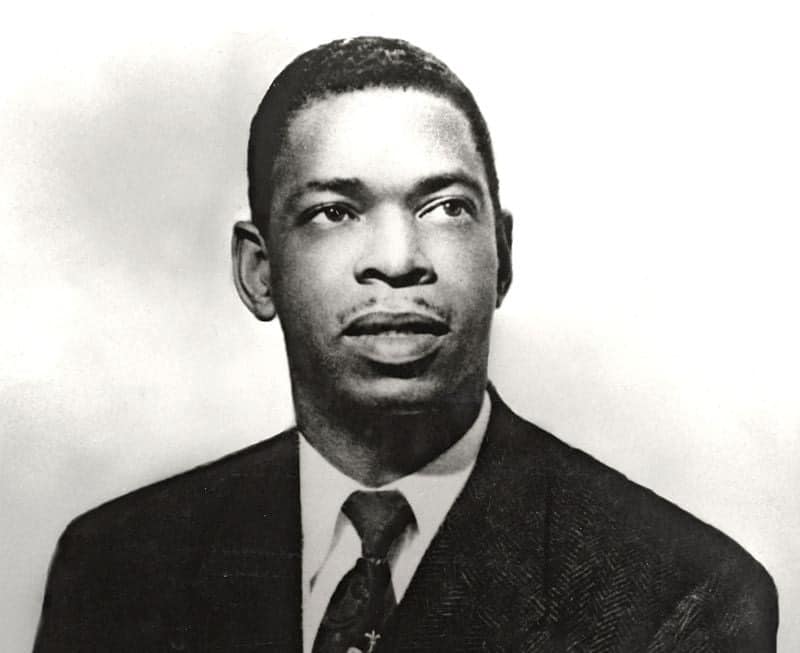
Elmore James, often hailed as the “King of Slide Guitar,” etched an indelible mark on the blues genre with his raw, electrifying sound and innovative slide guitar technique. Born in 1918 in Mississippi, his musical journey began in the juke joints and cotton fields of the South, where he absorbed the essence of Delta blues.
James revolutionized the blues landscape by incorporating amplified electric guitar and a distinctive slide technique, using a glass bottle neck on his finger to create haunting, wailing tones that defined his signature sound. His emotionally charged vocals perfectly complemented the fiery resonance of his guitar, creating a captivating and influential style that left an enduring impact on generations of musicians.
Hits like “Dust My Broom” and “Shake Your Moneymaker” catapulted him to fame in the 1950s, showcasing his masterful slide guitar prowess and emotive delivery. His influence rippled across genres, inspiring rock ‘n’ roll icons like Jimi Hendrix and Eric Clapton.
Despite a relatively short recording career due to his untimely passing in 1963, Elmore James left an everlasting legacy. His electrifying blues guitar and soulful voice continue to resonate, cementing his position as an iconic figure in the annals of music history.
1. “Dust My Broom”
“Dust My Broom” is a timeless blues classic that stands as one of Elmore James’ most iconic and enduring songs. Released in 1951, this electrifying track showcases James’ distinctive slide guitar technique and emotionally charged vocals, cementing its status as a cornerstone of the blues genre.
The song’s lyrics speak of heartache and the need to move on from a troublesome relationship. Its evocative imagery and powerful delivery resonate deeply with listeners, capturing the essence of the blues experience. The driving rhythm, punctuated by James’ slide guitar riffs, creates an intense and infectious energy that remains unmatched.
The title itself, “Dust My Broom,” refers metaphorically to the act of leaving or starting anew, a sentiment echoed in the lyrics. James’ impassioned vocals and searing guitar work convey a sense of urgency and determination, making it a quintessential blues anthem.
The song’s impact extended far beyond its initial release, influencing countless musicians and becoming a standard in the blues repertoire. Its infectious groove and timeless appeal continue to captivate audiences, ensuring its enduring legacy in the pantheon of blues music.
2. “The Sky Is Crying”
“The Sky Is Crying” is another quintessential blues masterpiece closely associated with the legendary Elmore James. Originally recorded by Elmore in 1959, this emotionally charged and evocative song captures the essence of heartbreak and despair through its haunting melody and poignant lyrics.
The track’s title serves as a metaphor for the sadness and sorrow that permeate the singer’s world. James’ soulful vocals, accompanied by his mesmerizing slide guitar work, create a deeply moving atmosphere that resonates with the listener’s emotions.
The lyrics themselves paint a vivid picture of a desolate landscape where the weeping sky mirrors the pain of lost love. The mournful tone and raw authenticity of James’ delivery infuse the song with a profound sense of longing and melancholy.
Despite its melancholic theme, “The Sky Is Crying” stands as a testament to Elmore James’ unparalleled ability to convey profound emotions through his music. His impassioned performance, coupled with the haunting melody, cements the song’s status as a blues classic.
Throughout the years, numerous artists have covered this iconic track, paying homage to Elmore James while keeping the essence of the original alive. “The Sky Is Crying” remains a poignant reminder of James’ enduring influence on the blues genre and his ability to capture the depths of human emotions through his music.
3. “It Hurts Me Too”
“It Hurts Me Too” is a blues standard that has been covered by various artists, but it is often associated with Elmore James. Elmore James was a slide guitar player and vocalist who played a significant role in the development of blues music.
The song “It Hurts Me Too” is a slow blues ballad that conveys the pain and heartache of unrequited love. The lyrics describe the singer’s anguish and the emotional toll of a troubled relationship. The title itself reflects the theme of emotional and physical pain caused by love.
Elmore James recorded “It Hurts Me Too” in 1957, and his version became one of the most well-known renditions of the song. His slide guitar playing, characterized by its raw and expressive sound, added a distinctive touch to the track. Over the years, many artists, including blues and rock musicians, have covered this song, keeping the blues tradition alive.
If you’re interested in experiencing the emotional depth of blues music, especially in the context of “It Hurts Me Too,” listening to Elmore James’ rendition would be a great place to start. The song has become a classic in the blues genre and continues to be appreciated by fans of authentic, soulful music.
4. “Shake Your Moneymaker”
“Shake Your Moneymaker” is a vibrant and energetic blues standard that embodies the infectious rhythm and groove of Elmore James’ music. Released in the early 1960s, this up-tempo song radiates with lively guitar riffs and a catchy, danceable beat that encapsulates the essence of his style.
The track’s title, “Shake Your Moneymaker,” is a colloquial expression encouraging movement and dance. James’ spirited vocals, combined with his electrifying slide guitar playing, create an irresistible momentum that urges listeners to move and groove along.
The song’s lyrics are playful and upbeat, inviting the audience to let loose and enjoy the moment. With its lively tempo and infectious energy, “Shake Your Moneymaker” became a crowd-pleaser, captivating audiences with its lively performance and dynamic instrumentation.
Its infectious rhythm and catchy chorus have made it a staple in blues performances and a favorite among fans of the genre. The song’s enduring popularity is a testament to Elmore James’ ability to infuse his music with infectious energy and an irresistible groove that continues to captivate audiences to this day.
5. “One Way Out”
“One Way Out” is a blues song that has been popularized by various artists, but it is often associated with The Allman Brothers Band. The song has a lively and energetic feel, characteristic of the Southern rock and blues-rock genres. It’s known for its driving rhythm, powerful vocals, and extended instrumental sections.
The Allman Brothers Band released their version of “One Way Out” on their 1972 live album “Eat a Peach.” The song was written by Elmore James, Marshall Sehorn, and Sonny Boy Williamson II. The Allman Brothers Band’s rendition is a high-energy performance featuring Duane Allman’s slide guitar work, which is a key element of the band’s sound.
The lyrics of “One Way Out” convey a sense of desperation and the desire to escape a difficult or problematic situation. The title suggests there’s only one way out of the predicament, adding to the urgency of the song.
The Allman Brothers Band’s live performances of “One Way Out” often featured extended improvisational sections, showcasing the band’s exceptional musicianship. The song has become a staple of their live shows and is celebrated for its dynamic and engaging presentation.
If you’re a fan of blues-rock or Southern rock, The Allman Brothers Band’s version of “One Way Out” is a classic that captures the essence of their musical style and prowess.
6. “I Can’t Hold Out”
“I Can’t Hold Out” is another blues standard that has been recorded by various artists. One notable version is by Elmore James, who is often associated with many classic blues songs.
Elmore James recorded “I Can’t Hold Out” in 1954. The song is a blues shuffle with James’ signature slide guitar playing and soulful vocals. Like many blues songs, it expresses the pain and heartache associated with love and relationships.
The lyrics convey a sense of longing and desperation, as the singer expresses an inability to hold out or endure the emotional challenges they are facing. The repetition of the phrase “I can’t hold out much longer” underscores the urgency and intensity of the emotions involved.
Elmore James’ influence on the blues genre, particularly with his slide guitar technique, is significant, and “I Can’t Hold Out” is a great example of his raw and expressive style.
If you’re a fan of traditional blues and appreciate soulful vocals combined with emotive guitar work, listening to Elmore James’ rendition of “I Can’t Hold Out” can provide a genuine and authentic experience of the blues genre.
7. “Madison Blues”
“Madison Blues” is a blues song that gained popularity through Fleetwood Mac, particularly through their early years when guitarist Peter Green was a prominent member of the band. The song was written by Peter Green and was included in Fleetwood Mac’s 1969 album “Blues Jam at Chess.”
“Madison Blues” is known for its upbeat tempo and lively rhythm, showcasing Peter Green’s guitar skills and the band’s ability to deliver a powerful blues performance. The song features a classic blues structure with dynamic guitar riffs and a driving beat.
Fleetwood Mac’s version of “Madison Blues” often included extended live performances, allowing Green to showcase his improvisational skills on the guitar. The song has become a fan favorite and is considered a classic example of the British blues sound that influenced many rock and blues musicians during the late 1960s and early 1970s.
If you enjoy blues-rock with a touch of British blues, exploring Fleetwood Mac’s rendition of “Madison Blues” can provide a glimpse into the vibrant blues scene of that era and the remarkable talent of Peter Green as a guitarist and songwriter.
8. “Stranger Blues”
“Stranger Blues” is a haunting blues track that showcases Elmore James’ prowess as a storyteller and musician. Recorded in the 1950s, this song delves into themes of loneliness, longing, and the enigmatic nature of life’s journeys.
With its melancholic melody and James’ emotive vocals, “Stranger Blues” paints a vivid picture of an individual grappling with a sense of alienation and detachment. The lyrics convey a profound sense of solitude, as the protagonist navigates through a world where they feel like a stranger, disconnected from the people and places around them.
Elmore James’ signature slide guitar adds an eerie yet captivating element to the song, creating an atmosphere that mirrors the feeling of wandering through life’s uncertainties. His emotive delivery captures the essence of longing and introspection, drawing the listener into the depths of the emotional narrative.
“Stranger Blues” stands as a testament to James’ ability to weave poignant tales through his music, touching on universal themes of isolation and the search for belonging. Its haunting melody and introspective lyrics resonate with audiences, showcasing the timeless quality of Elmore James’ contributions to the blues genre.
9. “Look on Yonder Wall”
“Look on Yonder Wall” is a blues song that has been recorded by several artists over the years. One notable version is by Elmore James, a blues slide guitarist known for his influential contributions to the genre.
Elmore James recorded “Look on Yonder Wall” in 1960. The song is a classic example of James’ distinctive slide guitar playing and emotive vocal delivery. The lyrics depict a narrative where the protagonist observes or contemplates something happening on a wall, which is often interpreted metaphorically in blues songs.
The phrase “Look on yonder wall” is a recurring theme in the song, and James’ expressive guitar work complements the overall bluesy atmosphere. The track features a combination of raw, emotional singing and the characteristic slide guitar sound that has made Elmore James a revered figure in the blues genre.
Over the years, “Look on Yonder Wall” has been covered by various artists, showcasing its enduring appeal within the blues repertoire. If you’re a fan of traditional blues and appreciate the soulful sound of slide guitar, exploring Elmore James’ version of “Look on Yonder Wall” can be a rewarding experience.
10. “Done Somebody Wrong”
“Done Somebody Wrong” is a blues classic that epitomizes Elmore James’ raw and impassioned musical style. Recorded in the early 1960s, this song encapsulates the essence of the blues with its powerful lyrics and electrifying instrumentation.
The track’s title encapsulates the central theme of remorse and regret for causing pain or harm to another person. Elmore James’ emotive vocals convey a sense of introspection and sorrow, reflecting on past actions that led to hurting someone dear.
Supported by his masterful slide guitar playing, James infuses “Done Somebody Wrong” with a compelling blend of emotion and intensity. His wailing guitar riffs punctuate the song, adding a layer of anguish and fervor to the narrative.
The song’s structure and delivery capture the essence of traditional blues while showcasing James’ distinctive style. Its soulful melody and heartfelt lyrics resonate with audiences, drawing them into the emotional depth of the song.
“Done Somebody Wrong” stands as a testament to Elmore James’ ability to convey profound emotions through his music, making it a timeless piece in the blues canon. Its blend of heartfelt remorse and powerful instrumentation solidifies its place as a classic within the blues genre.

Edward Tomlin is a frequent contributor to Singers Room. Since 2005, Singersroom has been the voice of R&B around the world. Connect with us via social media below.









