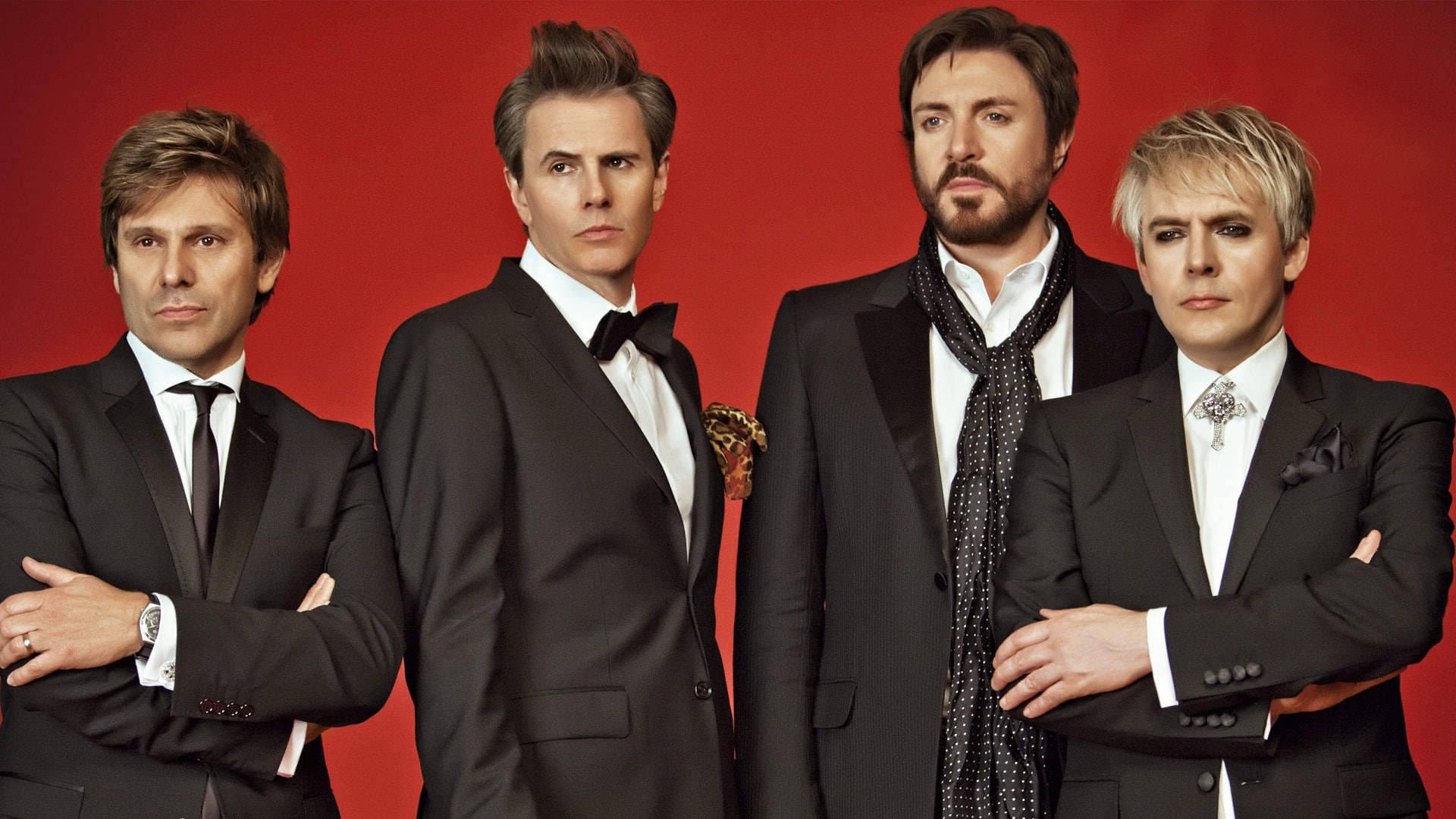
Duran Duran, the iconic British band formed in Birmingham in 1978, catapulted into global stardom with their unique blend of new wave, synth-pop, and dance-rock. The classic lineup—Simon Le Bon, John Taylor, Nick Rhodes, Roger Taylor, and Andy Taylor—crafted a sound that became synonymous with the glamorous and experimental spirit of the 1980s.
Their self-titled debut album, “Duran Duran” (1981), marked the beginning of their meteoric rise, introducing hits like “Girls on Film” and “Planet Earth.” However, it was “Rio” (1982) that solidified their status as international pop icons, featuring unforgettable tracks such as “Hungry Like the Wolf” and the title song, “Rio.”
Duran Duran’s visual identity, characterized by stylish music videos and a glamorous image, perfectly aligned with the MTV era. Their innovative use of synthesizers, catchy melodies, and Simon Le Bon’s distinctive vocals made them pioneers in the New Romantic movement. The band’s success continued with albums like “Seven and the Ragged Tiger” (1983), which included the chart-topping “The Reflex,” and their contribution to the James Bond film “A View to a Kill” with the eponymous hit in 1985.
Despite lineup changes and a temporary hiatus, Duran Duran’s influence endured. The original lineup reunited in the early 2000s, demonstrating a timeless quality to their music that resonates with both nostalgic fans and a new generation. With a career spanning decades, Duran Duran remains a symbol of artistic evolution, blending sophistication with the ever-changing landscape of popular music.
1. “New Moon On Monday” (from Seven And The Ragged Tiger, 1983)
“New Moon on Monday” is a song by the British rock band Duran Duran, released in 1983 as a single from their third studio album, “Seven and the Ragged Tiger.” The song was written by the band’s members, Simon Le Bon, Nick Rhodes, John Taylor, Roger Taylor, and Andy Taylor.
“New Moon on Monday” is characterized by its catchy and anthemic chorus, along with its synth-driven sound, which was a trademark of Duran Duran’s music during the early 1980s. The lyrics of the song convey a sense of longing and anticipation, with references to the symbolism of the new moon.
The accompanying music video, directed by Brian Grant, features a narrative involving political resistance and a romantic subplot. The video was notable for its cinematic quality and was well-received by fans.
While “New Moon on Monday” did not achieve the same level of commercial success as some of Duran Duran’s other hits, it remains a fan favorite and a recognizable part of their discography. The song reflects the band’s exploration of new wave and synth-pop elements during this phase of their career.
2. “Girls On Film” (from Duran Duran, 1981)
“Girls on Film” is a song by Duran Duran, released in 1981 as the third single from their eponymous debut album, “Duran Duran.” The song was written by the band’s members—Simon Le Bon, Nick Rhodes, John Taylor, Roger Taylor, and Andy Taylor.
“Girls on Film” is known for its danceable and energetic new wave sound, characterized by a prominent bassline and synth-driven instrumentation. The lyrics, penned by Simon Le Bon, touch on themes of fashion, glamour, and media culture.
The music video for “Girls on Film” gained attention for its controversial content, featuring scenes of suggestive and risqué imagery. Directed by Godley & Creme, the video was banned by the BBC but became widely popular and contributed to the song’s success.
“Girls on Film” became one of Duran Duran’s breakthrough hits, reaching the top five in the UK Singles Chart. The song’s popularity helped establish Duran Duran as one of the leading bands of the new wave and synth-pop movements in the early 1980s.
3. “Rio” (from Rio, 1982)
“Rio” is the title track from Duran Duran’s second studio album, released in 1982. The album and its title track played a pivotal role in defining the band’s sound and image during the New Romantic movement. The song “Rio” is a quintessential example of the band’s ability to fuse pop, new wave, and dance elements into an infectious and timeless anthem.
With its buoyant melody and rhythmic hooks, “Rio” captures the essence of carefree glamour and the exotic allure of the 1980s. The lyrics evoke a sense of escapism, painting vivid images of a sun-soaked paradise and the excitement of a romantic adventure. Simon Le Bon’s charismatic vocals, combined with the instrumental prowess of the band, create a sonic landscape that perfectly complements the song’s thematic vibrancy.
The music video for “Rio” further solidified Duran Duran’s reputation for visually striking and innovative productions. Featuring vivid colors, exotic locations, and the band’s trademark stylish aesthetic, the video became iconic and synonymous with the era.
“Rio” became one of Duran Duran’s signature songs and a chart success. Its enduring popularity is a testament to its infectious energy and the band’s ability to create music that transcends its original cultural context. The song remains a staple in Duran Duran’s live performances and continues to be celebrated as a classic in the realm of 1980s pop music.
4. “Ordinary World” (from Duran Duran – The Wedding Album, 1993)
“Ordinary World” is a poignant ballad by Duran Duran, released as a single in 1993 and featured on their self-titled album, often referred to as “The Wedding Album.” The song marked a significant moment in the band’s career, showcasing a more mature and introspective sound.
Released at a time when Duran Duran was experiencing a career resurgence, “Ordinary World” stands out for its emotional depth and sincerity. The lyrics, penned by lead singer Simon Le Bon, reflect on loss, longing, and the challenges of navigating the complexities of life. The song is a departure from the band’s earlier New Wave and dance-pop sound, embracing a more acoustic and contemplative musical approach.
“Ordinary World” received critical acclaim and commercial success, becoming one of Duran Duran’s biggest hits in the 1990s. The song’s introspective lyrics resonated with listeners, and its radio-friendly melody contributed to its widespread appeal. The accompanying music video, featuring evocative visuals and Le Bon’s heartfelt performance, added to the song’s impact.
As one of their standout tracks, “Ordinary World” remains a testament to Duran Duran’s ability to evolve with the times while maintaining the core elements that endeared them to fans worldwide. The song’s enduring popularity has solidified its place in the band’s catalog as a classic and emotionally resonant composition.
5. “Hungry Like The Wolf” (from Rio, 1982)
“Hungry Like the Wolf” is a song by Duran Duran, released in 1982 as the second single from their album “Rio.” Written by the band’s members—Simon Le Bon, Nick Rhodes, John Taylor, Roger Taylor, and Andy Taylor—the song is one of Duran Duran’s most iconic and successful tracks.
“Hungry Like the Wolf” is characterized by its energetic and infectious new wave sound, featuring a distinctive guitar riff and a memorable chorus. The lyrics evoke a sense of adventure and desire, with Simon Le Bon singing about the pursuit of a romantic interest.
The accompanying music video, directed by Russell Mulcahy, further contributed to the song’s success. Filmed in Sri Lanka, the video depicts a stylized jungle adventure and showcases the band’s image as glamorous and adventurous pop stars.
“Hungry Like the Wolf” became one of Duran Duran’s signature songs and a commercial success. It reached the top five in the UK Singles Chart and the Billboard Hot 100 in the United States. The song’s enduring popularity has made it a classic of the 1980s new wave era.
6. “Is There Something I Should Know?” (From Duran Duran, 1981)
“Is There Something I Should Know?” is a song by Duran Duran, released in 1983 as a stand-alone single but later included on the reissue of their debut album “Duran Duran” in 1983. The song played a significant role in solidifying the band’s success during the early 1980s.
The song is characterized by its catchy hooks, infectious melody, and the distinctive vocals of lead singer Simon Le Bon. The lyrics are introspective, exploring themes of uncertainty and romantic intrigue. The chorus, with its memorable line “Please, please tell me now,” became an iconic part of the song.
“Is There Something I Should Know?” topped the charts in the UK and became Duran Duran’s first number-one single in their home country. The success of the single contributed to the band’s rising popularity on both sides of the Atlantic. The music video, featuring the band’s stylish and visually engaging aesthetic, also played a role in boosting their image.
The song is often considered a quintessential example of Duran Duran’s early sound, blending New Wave, pop, and dance elements. “Is There Something I Should Know?” remains a fan favorite and a notable entry in Duran Duran’s discography.
7. “Save A Prayer” (from Rio, 1982)
“Save a Prayer” is a song by Duran Duran, released in 1982 as the third single from their album “Rio.” Written by the band’s members—Simon Le Bon, Nick Rhodes, John Taylor, Roger Taylor, and Andy Taylor—the song is known for its dreamy and atmospheric sound.
“Save a Prayer” features a slow-tempo, synth-driven melody with poignant lyrics that touch on themes of romance and longing. Simon Le Bon’s vocals contribute to the song’s introspective and emotive atmosphere.
The song’s music video, directed by Russell Mulcahy, was filmed in Sri Lanka and added to the exotic and cinematic feel of the song. “Save a Prayer” became associated with Duran Duran’s image as stylish and glamorous pop icons.
While “Save a Prayer” didn’t achieve the same level of commercial success as some of Duran Duran’s other hits, it remains a fan favorite and is often celebrated for its evocative and atmospheric quality. Over the years, the song has gained recognition as one of the band’s enduring classics from the “Rio” era.
8. “Electric Barbarella” (from Medazzaland, 1997)
“Electric Barbarella” is a song by Duran Duran, released in 1997 on their album “Medazzaland.” The track is notable for being the first single by a major artist to be sold as a digital download.
“Electric Barbarella” was written by the band members, and its sound reflects the techno and electronic influences of the late 1990s. The lyrics are characterized by a mix of futuristic and provocative themes, with references to technology and artificial intelligence. The song’s title itself combines the idea of an electronic, futuristic world with a touch of sensuality.
The decision to release “Electric Barbarella” as a digital download was a pioneering move, marking a moment of innovation in the music industry. The single was accompanied by a traditional physical release, but the digital aspect added a contemporary twist to Duran Duran’s approach.
While “Electric Barbarella” didn’t achieve the same commercial success as some of Duran Duran’s earlier hits, it remains an interesting chapter in their discography, reflecting the band’s willingness to experiment with evolving musical landscapes and distribution methods.
9. “The Reflex” Remix (7″ single, 1984)
“The Reflex” is a song by Duran Duran, originally released in 1983 as the third single from their third studio album, “Seven and the Ragged Tiger.” The 7″ single version of “The Reflex” was remixed by Nile Rodgers for its release in 1984.
Nile Rodgers, known for his work as a producer and musician (co-founder of Chic), brought his signature funk and dance influences to the remix of “The Reflex.” The reworked version emphasized a more pronounced beat, extended instrumental sections, and an overall dance-friendly vibe.
“The Reflex” remix became a massive success, reaching the top of the charts in multiple countries, including the United States and the United Kingdom. The song’s popularity was boosted by its catchy chorus, distinctive guitar riff, and the innovative production of Nile Rodgers.
The success of “The Reflex” marked a high point in Duran Duran’s career, and the remix by Nile Rodgers played a significant role in elevating the song to chart-topping status. The band and Rodgers successfully captured the spirit of the 1980s with this dance-pop anthem.
10. “What Are The Chances?” (from Paper Gods, 2015)
“What Are the Chances?” is a song by Duran Duran, released in 2015 on their fourteenth studio album, “Paper Gods.” The album marked the band’s return after a few years and showcased a mix of their classic new wave sound with contemporary influences.
“What Are the Chances?” is a melodic and reflective track that explores themes of love, fate, and the unpredictability of life. The song features Simon Le Bon’s emotive vocals and a musical arrangement that combines electronic elements with the band’s signature pop-rock sound.
“Paper Gods” as an album was well-received, and “What Are the Chances?” was noted for its mature and introspective lyrics. The track received positive reviews for its heartfelt and nostalgic quality, with some critics appreciating the band’s ability to evolve while maintaining a connection to their roots.
While it may not have been a chart-topping single, “What Are the Chances?” contributed to the overall success of “Paper Gods” and added another layer to Duran Duran’s extensive and diverse catalog of music. The song showcases the band’s continued creativity and their ability to resonate with both longtime fans and new audiences.

Edward Tomlin is a frequent contributor to Singers Room. Since 2005, Singersroom has been the voice of R&B around the world. Connect with us via social media below.









