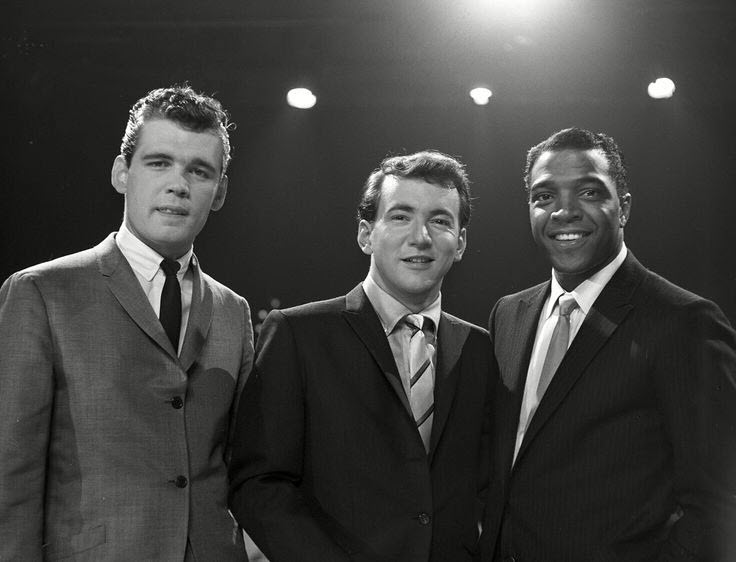
Bobby Darin, born Walden Robert Cassotto in 1936, was a multifaceted American singer, songwriter, and actor who left an indelible mark on the music landscape of the 1950s and 1960s. Darin’s career encompassed various genres, from pop and rock to jazz and folk, showcasing his versatility and dynamic talent.
Rising to prominence with his breakthrough hit “Splish Splash” in 1958, Darin’s chart-topping success continued with classics like “Mack the Knife,” which earned him a Grammy for Record of the Year in 1960. Known for his smooth vocals and charismatic stage presence, Darin seamlessly navigated the transition between rock and swing, capturing audiences with his magnetic performances.
Beyond his musical prowess, Darin delved into acting, earning an Academy Award nomination for his role in “Captain Newman, M.D.” (1963). His foray into folk music yielded poignant compositions like “If I Were a Carpenter.” Despite health challenges that impacted his later years, Darin’s legacy endures through timeless tunes and his influence on subsequent generations of artists. Bobby Darin’s ability to bridge musical genres and captivate audiences with his charm and talent solidifies his place as an enduring figure in the annals of American entertainment.
1. Mack the Knife
“Mack the Knife” is a classic song with music by Kurt Weill and lyrics by Bertolt Brecht. The song was originally written in German as “Die Moritat von Mackie Messer” for the 1928 musical “Die Dreigroschenoper” (“The Threepenny Opera”). The English lyrics were later adapted by Marc Blitzstein.
While “Mack the Knife” became a well-known standard, one of the most famous recordings is by Bobby Darin. Darin’s swinging, jazzy version was released in 1959 and became a massive hit, reaching the top of the charts. His rendition earned him the Grammy Award for Record of the Year in 1960.
The song tells the story of a notorious and charismatic criminal named Mack the Knife. Despite its catchy melody and upbeat arrangement, the lyrics describe dark and criminal activities, creating an ironic and intriguing contrast.
“Mack the Knife” has been covered by numerous artists in various genres, but Bobby Darin’s version remains the most iconic. The song’s enduring popularity lies in its blend of captivating storytelling, memorable melody, and Darin’s charismatic performance, making it a classic in the American songbook.
2. Splish Splash
“Splish Splash” is a lively and infectious rock and roll song performed by Bobby Darin. Released in 1958, the track became one of Darin’s signature hits and a classic in the early rock era. The song’s catchy, upbeat tempo and playful lyrics contributed to its widespread popularity.
Written by Bobby Darin along with DJ Murray “The K” Kaufman and Jean Murray, “Splish Splash” was reportedly composed in about 12 minutes. The song tells a humorous tale of a young man who spontaneously decides to take a bath but finds himself in a bit of a predicament when a party starts without him.
Upon its release, “Splish Splash” quickly climbed the charts, reaching the number three spot on the Billboard Hot 100. The song’s success helped establish Bobby Darin as a prominent figure in the rock and roll scene of the late 1950s.
With its energetic rhythm, catchy lyrics, and Darin’s charismatic delivery, “Splish Splash” remains a joyful and nostalgic representation of the early days of rock and roll. The song’s enduring popularity is a testament to its timeless appeal and its status as a classic in the genre.
3. Dream Lover
“Dream Lover” is a classic pop song written and recorded by Bobby Darin. Released in 1959, the song became one of Darin’s biggest hits and showcases his versatility as a singer and entertainer. The track is known for its catchy melody, upbeat rhythm, and Darin’s smooth vocals.
“Dream Lover” features a lively arrangement with a prominent horn section and a memorable doo-wop-inspired backing chorus. The lyrics express the singer’s yearning for an idealized and perfect “dream lover” and convey a sense of romantic optimism.
Bobby Darin’s charismatic performance, coupled with the song’s catchy and joyful nature, helped it climb the charts and become a staple in Darin’s repertoire. “Dream Lover” reached the number two spot on the Billboard Hot 100 chart.
The song’s enduring popularity has led to various covers and adaptations over the years. Bobby Darin’s “Dream Lover” remains a classic example of the early rock and pop sound of the late 1950s and early 1960s and is often remembered as one of his signature songs.
4. Beyond the Sea
“Beyond the Sea” is a classic pop song that has been performed by various artists, but Bobby Darin’s rendition is the most well-known. Originally titled “La Mer,” the song was written by Charles Trenet with French lyrics. Jack Lawrence later provided the English lyrics for the version popularized by Bobby Darin.
Darin’s rendition of “Beyond the Sea” was released in 1959, and it became one of his signature songs. The song features a lush arrangement and Darin’s smooth, crooning vocals. Its timeless melody and romantic lyrics evoke a sense of longing and wanderlust.
“Beyond the Sea” became a major hit for Bobby Darin, reaching the top 10 on the charts. The song’s enduring appeal is evident in its continued popularity and frequent use in films, television shows, and commercials. It has become a classic standard in the Great American Songbook.
Bobby Darin’s interpretation of “Beyond the Sea” showcases his versatility as an artist, transitioning seamlessly from the upbeat rock of “Splish Splash” to the sophisticated charm of this timeless ballad. The song remains a testament to Darin’s enduring influence on the landscape of popular music.
5. Clementine
“Clementine” is a traditional American folk song that has been adapted and recorded by numerous artists over the years. The song’s origins can be traced back to the 19th century, and it has become a popular standard in folk and country music.
The lyrics of “Clementine” tell a tragic tale about a miner’s daughter named Clementine, who meets an untimely demise. The narrative is often characterized by its melancholic and mournful tone, yet the song has endured as a beloved folk classic.
One notable rendition of “Clementine” is by Bobby Darin. His adaptation, released in 1960, maintained the song’s folk roots while incorporating Darin’s pop and rock sensibilities. Darin’s version features a more upbeat arrangement, adding a touch of his signature style to the traditional folk song.
Overall, “Clementine” has had a lasting impact on American folk music, and its timeless melody and narrative have made it a favorite for generations of listeners. The song’s enduring popularity has led to various interpretations by artists across different genres, cementing its place in the folk music canon.
6. Lazy River
“Lazy River” is a classic song that has been recorded by various artists, but Bobby Darin’s version is notable for its energetic and swinging interpretation. Originally composed in 1931 by Hoagy Carmichael with lyrics by Sidney Arodin, “Lazy River” captures the carefree spirit of a leisurely journey down a peaceful river.
Bobby Darin, known for his versatility and ability to tackle various musical styles, recorded “Lazy River” for his album “This Is Darin,” released in 1960. In Darin’s hands, the song takes on a lively and jazzy quality, showcasing his charismatic vocal delivery and the big band-inspired arrangements of the era.
The lyrics of “Lazy River” evoke a sense of relaxation and contentment, painting a vivid picture of drifting along the gentle currents of a meandering river. Darin’s rendition infuses the classic tune with his own brand of exuberance, making it a standout track in his extensive catalog.
While “Lazy River” has been covered by numerous artists, Bobby Darin’s version stands out for its infectious energy and the seamless fusion of jazz and pop elements. The song remains a delightful example of Darin’s ability to bring new life to timeless standards.
7. Multiplication
“Multiplication” is a song by Bobby Darin, released in 1961 as part of his album of the same name. The song showcases Darin’s versatility as an artist, combining elements of rock and roll, R&B, and swing.
“Multiplication” features lively and energetic instrumentation, with a driving beat and a catchy horn section. The lyrics playfully use the concept of multiplication as a metaphor for romantic attraction and the excitement of being in love. Darin’s charismatic and dynamic vocal delivery adds to the infectious and upbeat nature of the song.
The chorus of “Multiplication” includes the memorable lines:
“Multiplication, that’s the name of the game,
And each generation, they play the same.”
The song was well-received and became a hit for Bobby Darin. It showcases his ability to incorporate various musical styles into his repertoire, a trait that contributed to his success as a versatile entertainer in the 1960s. “Multiplication” remains a lively and enjoyable example of Darin’s contributions to the pop and rock music of that era.
8. Things
“Things” is a classic pop song that was recorded by Bobby Darin in 1962. It was written by Bobby Darin himself and became one of his well-known hits. The song is characterized by its mellow and melodic sound, featuring Darin’s smooth vocal delivery.
“Things” explores the theme of love and the various material possessions that can be associated with it. The lyrics express a sentiment that material wealth pales in comparison to the joy and fulfillment found in a loving relationship. The chorus emphasizes the refrain, “Things, like a walk in the park, things, like a kiss in the dark.”
Upon its release, “Things” became a commercial success, reaching the top of the charts. The song showcased Darin’s ability to craft catchy and emotionally resonant tunes. His sincere and heartfelt performance contributed to the enduring appeal of “Things.”
Bobby Darin’s rendition of “Things” remains a classic example of early 1960s pop music, and the song continues to be appreciated for its timeless melody and romantic lyrics. It stands as a testament to Darin’s songwriting talent and his impact on the music of that era.
9. You Must Have Been a Beautiful Baby
“You Must Have Been a Beautiful Baby” is a classic pop song written by Harry Warren and Johnny Mercer. The song was introduced in the 1938 movie musical “Hard to Get” and has since become a standard, recorded by numerous artists.
One notable rendition is by Bobby Darin, who released his version in 1961. Darin’s interpretation is characterized by his smooth vocals and a contemporary arrangement that blends pop, rock, and swing elements. The song’s lyrics express admiration for the perceived beauty of the person addressed in the song.
Bobby Darin’s “You Must Have Been a Beautiful Baby” was a commercial success and showcased his ability to bring a modern flair to classic tunes. The song is often associated with Darin’s charismatic style and his contributions to the popular music landscape of the early 1960s.
The enduring popularity of “You Must Have Been a Beautiful Baby” lies in its timeless melody, playful lyrics, and the charm brought to it by various interpreters over the years.
10. Artificial Flowers
“Artificial Flowers” is a poignant and socially conscious song recorded by Bobby Darin in 1960. The song, written by Sheldon Harnick and Jerry Bock, tells the story of a young girl named Rosie who is abandoned and left to fend for herself in a cold and indifferent world.
The lyrics paint a vivid picture of Rosie making artificial flowers to sell on the streets to survive. The contrast between the beauty of the flowers and the harsh reality of Rosie’s life adds a layer of irony and depth to the song. The narrative takes a tragic turn as Rosie succumbs to the harsh conditions of her existence.
Bobby Darin’s performance of “Artificial Flowers” is emotionally charged, and his vocal delivery captures the sorrowful essence of the song. The arrangement combines elements of pop and folk, contributing to the storytelling nature of the track.
“Artificial Flowers” addresses themes of poverty, neglect, and the impact of societal indifference. Despite its somber subject matter, the song became a commercial success, highlighting Bobby Darin’s ability to tackle substantive material in his music. The song remains a poignant reflection of the social issues of its time and a testament to Darin’s versatility as an artist.

Edward Tomlin is a frequent contributor to Singers Room. Since 2005, Singersroom has been the voice of R&B around the world. Connect with us via social media below.









