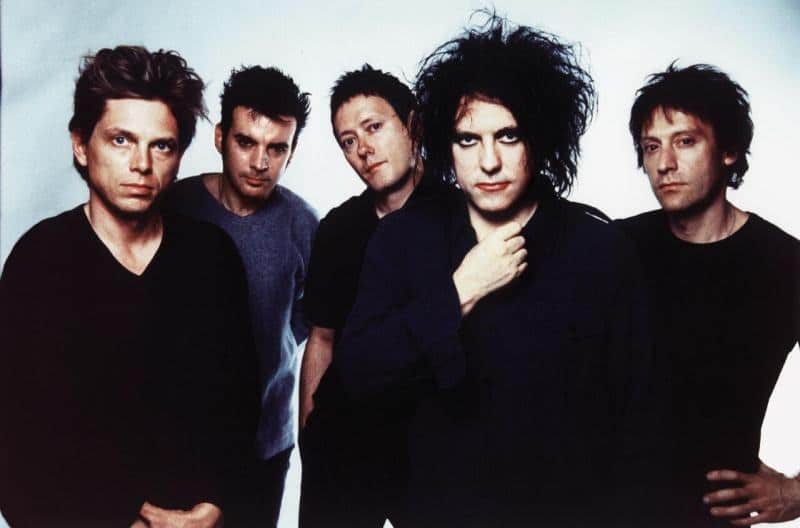
The Cure is an English rock band formed in Crawley, West Sussex in 1978. Led by singer and guitarist Robert Smith, the band’s music is known for its unique blend of post-punk, new wave, and gothic rock. The Cure has released several critically acclaimed albums, including “Disintegration,” “The Head on the Door,” and “Kiss Me, Kiss Me, Kiss Me.” The band’s music is characterized by its moody, introspective lyrics and Smith’s distinctive vocals and guitar work. The Cure’s music has influenced countless other artists in the alternative and gothic rock genres.
The band has gone through several lineup changes over the years, but Smith has remained the consistent driving force behind the group. The Cure’s music has touched on a variety of topics, including love, death, and existentialism. The band’s live shows are known for their moody and theatrical atmospheres, with Smith’s distinctive look and makeup adding to the band’s distinctive image.
Overall, The Cure’s impact on the rock music world is significant, with their music inspiring countless other artists and influencing the alternative and gothic rock genres. Their unique blend of moody introspection and catchy melodies has made them a beloved band to legions of fans around the world, and their music continues to resonate with new generations of listeners.
10. “Boys Don’t Cry”
“Boys Don’t Cry” is a new wave and post-punk song by The Cure, released in 1979 as a single and later included on their album “Three Imaginary Boys.” The song features a catchy and upbeat melody, with Robert Smith’s vocals delivering lyrics about a relationship gone wrong. The song’s title references the societal pressure on men to hide their emotions and the pain of heartbreak. “Boys Don’t Cry” became a hit for The Cure, known for its infectious energy and catchy chorus. The song remains a fan favorite and a classic of the post-punk genre, showcasing the band’s signature sound and Smith’s distinctive vocal style.
9. “Fascination Street”
“Fascination Street” is a moody and brooding track by British rock band The Cure, released in 1989. The song features a distinctive bassline and driving drums, with layered guitar riffs creating a dark and mysterious atmosphere. The lyrics speak of a search for escape and a desire for a life free from restrictions, with lead singer Robert Smith’s haunting vocals adding to the song’s sense of longing. “Fascination Street” is a standout track from The Cure’s discography, showcasing their ability to create atmospheric and introspective music that is both haunting and beautiful.
8. “From the Edge of the Deep Green Sea”
“From the Edge of the Deep Green Sea” by The Cure is a haunting and atmospheric track that combines elements of gothic rock, post-punk, and alternative music. The song’s swirling guitars, moody bassline, and Robert Smith’s ethereal vocals create an immersive and hypnotic soundscape. The lyrics are a poetic and introspective reflection on the fleeting nature of love, the pain of loss, and the beauty of life. The track’s emotional intensity builds to a climactic crescendo, with the guitars soaring and Robert Smith’s vocals reaching a fever pitch. “From the Edge of the Deep Green Sea” is a powerful and evocative song that showcases The Cure’s unique sound and songwriting prowess.
7. “The Same Deep Water as You”
“The Same Deep Water as You” is a dreamy and atmospheric song by The Cure, released in 1989 on their album “Disintegration.” The song features a slow and hypnotic tempo, with Robert Smith’s vocals delivering introspective and melancholic lyrics about the feeling of being lost and alone. The song’s haunting melody and atmospheric soundscapes make it a standout track on the album, showcasing the band’s ability to create complex and emotive songs that resonate deeply with listeners. “The Same Deep Water as You” remains a fan favorite and a powerful example of The Cure’s unique blend of post-punk, new wave, and gothic rock.
6. “Faith”
“Faith” is a haunting and melancholic track by British rock band The Cure, released in 1981. The song features sparse instrumentation, with a repetitive guitar riff, a simple drumbeat, and a moody bassline. Lead singer Robert Smith’s mournful vocals add to the song’s sense of despair and emptiness. The lyrics speak of a loss of faith and a sense of hopelessness, with lines like “I’m sinking in the quicksand of my thought.” “Faith” is a powerful and evocative song that showcases The Cure’s ability to create music that is both introspective and emotionally resonant.
5. “In Between Days”
“In Between Days” by The Cure is an upbeat and catchy new wave/post-punk track with a distinctive guitar riff and a driving rhythm. The song’s infectious melody and Robert Smith’s quirky and playful vocals create a buoyant and upbeat vibe. The lyrics are a tongue-in-cheek reflection on the ups and downs of a relationship, with a touch of self-deprecation and humor. The track’s energy and upbeat mood have made it a fan favorite and a staple of The Cure’s live shows. “In Between Days” is a quintessential example of The Cure’s ability to craft memorable and accessible songs while retaining their distinctive sound and sensibility.
4. “Disintegration”
“Disintegration” is the title track of The Cure’s 1989 album of the same name. The song features a slow and atmospheric tempo, with Robert Smith’s introspective lyrics delivering a poignant meditation on the feeling of being lost and disconnected. The song’s haunting melody and atmospheric soundscapes make it a standout track on the album, with its soaring guitar solo and Smith’s emotive vocals creating a powerful and cathartic experience for listeners. “Disintegration” is a fan favorite and a classic of the gothic rock genre, showcasing The Cure’s ability to create complex and emotive songs that resonate deeply with audiences.
3. “Just Like Heaven”
“Just Like Heaven” is a classic alternative rock song by British band The Cure, released in 1987. The song features a catchy, upbeat melody driven by a jangly guitar riff and an infectious chorus. The lyrics speak of a love so intense that it feels like a dream, with lead singer Robert Smith’s vocals conveying a sense of joy and wonder. “Just Like Heaven” is a timeless track that has become one of The Cure’s most beloved songs, and a staple of alternative rock radio. Its upbeat sound and romantic lyrics make it a perfect anthem for young love and carefree summer days.
2. “A Forest”
“A Forest” is a classic song by The Cure, released in 1980 as a single and later included on their album “Seventeen Seconds.” The song features a dark and brooding atmosphere, with Robert Smith’s haunting vocals delivering lyrics about being lost in a mysterious forest. The song’s sparse instrumentation, featuring a simple bassline and atmospheric synths, creates an eerie and atmospheric sound that perfectly captures the song’s themes. “A Forest” became a hit for The Cure and remains a fan favorite, showcasing the band’s unique blend of post-punk and gothic rock. The song’s haunting sound and introspective lyrics have made it a classic of the alternative music genre, with its influence still felt in modern music today.
1. “Pictures of You”
“Pictures of You” is a classic song by The Cure, released in 1989 on their album “Disintegration.” The song features a dreamy and atmospheric sound, with Robert Smith’s emotive vocals delivering poignant lyrics about lost love and memories. The song’s sweeping melody, lush instrumentation, and soaring guitar solos make it a standout track on the album, showcasing The Cure’s ability to create complex and emotive songs that resonate deeply with listeners. “Pictures of You” remains a fan favorite and a classic of the alternative music genre, with its timeless sound and emotional depth continuing to captivate audiences over 30 years later.

Edward Tomlin is a frequent contributor to Singers Room. Since 2005, Singersroom has been the voice of R&B around the world. Connect with us via social media below.