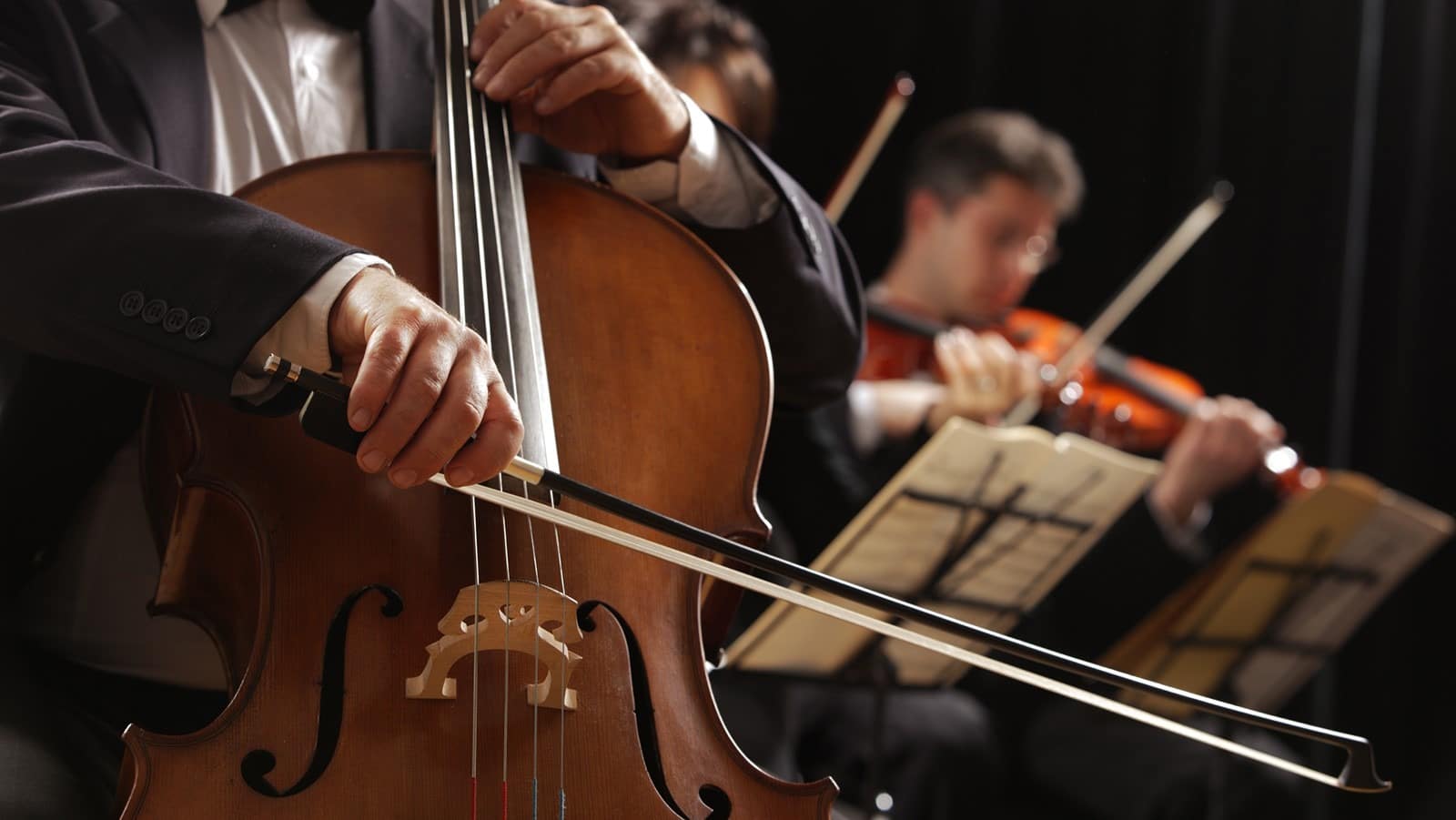
Classical music pieces are timeless works of art that have shaped the cultural landscape for centuries. Spanning different periods and styles, these compositions showcase the genius of composers who have left an indelible mark on the musical canon. From the intricate counterpoint of Johann Sebastian Bach to the emotional depths explored by Beethoven in his Ninth Symphony, classical music pieces are a testament to the expressive power of sound.
Mozart’s graceful “Eine kleine Nachtmusik” and Tchaikovsky’s enchanting “Swan Lake” exemplify the elegance and romanticism inherent in classical compositions. The genre also embraced innovation, as seen in Stravinsky’s revolutionary “The Rite of Spring,” which challenged conventional notions of rhythm and structure.
Each classical piece tells a unique story, from the evocative, dreamlike quality of Debussy’s “Clair de Lune” to the spirited fusion of jazz and classical elements in Gershwin’s “Rhapsody in Blue.” These masterpieces, often performed by orchestras, chamber ensembles, or soloists, continue to resonate across generations, captivating audiences with their emotional depth, intellectual richness, and the enduring beauty of their melodies. Classical music pieces serve as a profound reflection of the human experience, transcending time and cultural boundaries to inspire and uplift those who immerse themselves in their harmonious tapestry.
1. Gymnopedies by Erik Satie
Gymnopedies by Erik Satie is a collection of three beautiful and minimalist piano compositions. To fully appreciate and enjoy these pieces, follow these steps:
- Find a quiet and comfortable space to listen.
- Close your eyes and let the music transport you.
- Pay attention to the delicate melodies and subtle harmonies.
Pro-tip: Try listening to these pieces during moments of relaxation or meditation to enhance their calming effects.
2. Nuages gris by Franz Liszt
Nuages gris by Franz Liszt is a hauntingly beautiful piece of classical music that showcases Liszt's mastery of expressing deep emotions through music. With its somber and melancholic tones, Nuages gris evokes a sense of introspection and reflection. The piece was composed in 1881 and is often considered one of Liszt's most introspective works. Its minimalistic and atmospheric nature makes it a unique addition to the classical music repertoire. Listening to Nuages gris is like taking a journey through the depths of one's emotions, a truly immersive experience.
True story: I have a vivid memory of attending a piano concert where the pianist performed Nuages gris as the encore piece. The entire audience was captivated by the sheer beauty and emotional depth of the music. As the last notes faded away, there was a moment of silence, followed by thunderous applause. It was a truly magical experience, and it reminded me of the power of music to touch our hearts and souls.
3. Nessun dorma by Giacomo Puccini
"Nessun dorma" by Giacomo Puccini is widely regarded as one of the most exceptional classical music pieces of all time. This aria, from the opera Turandot, showcases Puccini's mastery of melody and emotion. With its soaring vocals and dramatic crescendos, "Nessun dorma" has become an iconic piece in the world of classical music.
Other notable classical music pieces include:
- Beethoven's Symphony No. 9
- Mozart's Symphony No. 40
For those interested in exploring more classical music, consider listening to:
- Bach's Brandenburg Concerto No. 3
- Tchaikovsky's Symphony No. 5
These pieces offer a diverse range of styles and emotions to experience.
4. Swan Lake by Pyotr Ilyich Tchaikovsky
Pyotr Ilyich Tchaikovsky's "Swan Lake" is a timeless masterpiece that has captivated audiences for generations. Its sweeping melodies, intricate orchestration, and emotional depth make it a true gem of classical music. The ballet tells the story of a prince who falls in love with a beautiful swan princess, and their tragic journey unfolds on stage. The combination of Tchaikovsky's brilliant composition and the breathtaking choreography creates a mesmerizing experience for both the eyes and ears.
I have a fond memory of attending a performance of "Swan Lake" with my grandmother when I was a child. As the music swelled, I was completely entranced by the graceful movements of the dancers. It was a magical moment that sparked my love for classical music and the arts. To this day, whenever I listen to "Swan Lake," I am transported back to that theater, reliving that enchanting evening with my grandmother.
5. Brandenburg Concertos by J.S. Bach
J.S. Bach's Brandenburg Concertos are a masterpiece of classical music that should not be missed. To fully appreciate these iconic compositions, here are five steps to guide you:
- Listen attentively to each concerto, immersing yourself in the intricate melodies and harmonies.
- Read about the history and context of the Brandenburg Concertos to better understand Bach's intentions and influences.
- Attend live performances or watch recordings by renowned orchestras to experience the energy and artistry firsthand.
- Explore different interpretations by various conductors and musicians to gain a broader perspective on the music.
- Share your love for the Brandenburg Concertos with others, introducing them to the beauty and brilliance of Bach's compositions.
6. Adagio for Strings by Samuel Barber
Samuel Barber's "Adagio for Strings" is a powerful and deeply emotional classical music piece. Its slow tempo and melancholic melodies evoke a sense of profound sadness and introspection. The piece has been widely acclaimed and has become one of the most beloved compositions in the classical music repertoire. Its timeless beauty and ability to connect with listeners on an emotional level have made it a staple in orchestral performances and a favorite among music enthusiasts.
True story: In 2001, following the September 11th terrorist attacks in the United States, the "Adagio for Strings" was performed at a memorial service in New York City. The music provided solace and comfort to the grieving audience, capturing the collective sadness and mourning of the nation. It served as a reminder of the power of music to heal and bring people together in times of tragedy.
7. Flight of the Bumblebee by Nikolai Rimsky-Korsakov
The renowned classical music piece "Flight of the Bumblebee" by Nikolai Rimsky-Korsakov is well-known for its fast-paced and intricate melodies. To fully appreciate and understand this piece:
- Listen to various interpretations by different orchestras and musicians to experience the nuances of each performance.
- Follow the sheet music or score while listening to identify the layered composition.
- Learn about the history and inspiration behind the piece, such as Rimsky-Korsakov's opera "The Tale of Tsar Saltan."
- Explore the technical challenges and virtuosity required to perform the piece, making it a favorite among musicians.
"Flight of the Bumblebee" was originally composed as an interlude for the opera and portrays the buzzing flight of a bumblebee. Its popularity has made it a staple in classical music and is often performed as a standalone piece, showcasing the skill and agility of the performer.
8. William Tell Overture by Gioachino Rossini
- Listen to the entire William Tell Overture by Gioachino Rossini.
- Pay attention to the iconic "Lone Ranger" theme in the opening section.
- Notice the contrasting sections, from peaceful melodies to thrilling and fast-paced passages.
- Appreciate the use of orchestral instruments, including strings, woodwinds, brass, and percussion.
- Observe the skillful composition and masterful orchestration techniques of Rossini.
- Learn about the inspiration behind the piece, which is based on the Swiss folk hero William Tell.
- Explore other compositions by Rossini, such as "The Barber of Seville" and "La Cenerentola."
- Pro-tip: Discover different interpretations of the William Tell Overture by various orchestras, conductors, and soloists to fully appreciate its richness and nuances.
9. Canon in D by Johann Pachelbel
Johann Pachelbel's Canon in D is a timeless masterpiece that continues to captivate audiences worldwide. This iconic composition showcases Pachelbel's genius in its beautifully layered melodies and harmonies. The piece has been beloved for centuries and has been performed in various settings, from weddings to concert halls. Its enduring popularity is a testament to its emotional depth and universal appeal. Whether you're a fan of classical music or just discovering it, Canon in D is a must-listen that will leave a lasting impression.
10. Ride of the Valkyries by Richard Wagner
- Listen to the original orchestral version of "Ride of the Valkyries" composed by Richard Wagner.
- Pay attention to the dramatic and powerful opening, characterized by the iconic brass fanfare.
- Notice the intense and fast-paced rhythm that creates a sense of urgency and excitement.
- Observe the use of leitmotifs, recurring musical themes associated with specific characters or ideas, throughout the piece.
- Appreciate the dynamic contrast between the bombastic sections and the more delicate and lyrical passages.
- Explore different interpretations of the piece, including recordings by renowned conductors and orchestras.
- Learn about the historical and cultural context of "Ride of the Valkyries" and its significance in Wagner's epic opera "Die Walküre."
- Consider the influence of "Ride of the Valkyries" in popular culture, as it has been featured in numerous films, TV shows, and commercials.
- Discuss and analyze the emotional impact and themes conveyed in the music, such as heroism, destiny, and the power of the Valkyries.
- Share your experience and thoughts about "Ride of the Valkyries" with others who appreciate classical music.
11. Moonlight Sonata by Ludwig van Beethoven
Moonlight Sonata by Ludwig van Beethoven is a timeless classical music piece that showcases the composer's genius. The hauntingly beautiful melody and delicate piano passages have captivated audiences for centuries. The piece is known for its emotional depth and introspective nature, making it a favorite among music lovers.
Other notable classical music pieces include:
- Bach's Brandenburg Concerto No. 3
- Mozart's Symphony No. 40
If you enjoy Moonlight Sonata, you may also like:
- Chopin's Nocturne in C-sharp minor
- Debussy's Clair de Lune
These pieces evoke similar emotions and showcase the beauty of classical music.
12. The Marriage of Figaro by Wolfgang Amadeus Mozart
"The Marriage of Figaro" by Wolfgang Amadeus Mozart is a renowned classical music piece known for its exquisite melodies, clever storyline, and multifaceted characters. This comedic opera delves into themes of love, deceit, and social hierarchies. Mozart's skillful composition and intricate vocal harmonies have made it a beloved choice among music enthusiasts.
Other noteworthy classical music pieces worth exploring include:
- Beethoven's Symphony No. 9
- Bach's Brandenburg Concerto No. 3
- Tchaikovsky's Symphony No. 5
These masterpieces demonstrate the brilliance and diversity of classical music and are sure to captivate listeners with their timeless beauty.
13. Eine kleine Nachtmusik by Wolfgang Amadeus Mozart
Eine kleine Nachtmusik von Wolfgang Amadeus Mozart ist eines der beliebtesten klassischen Musikstücke aller Zeiten. Komponiert im Jahr 1787, ist es eine Serenade für ein kleines Kammerensemble. Das Stück ist bekannt für seine Eleganz, seinen Charme und seine lebhaften Melodien. Es besteht aus vier Sätzen: Allegro, Romanze, Menuetto und Rondo. Eine kleine Nachtmusik zeigt Mozarts Meisterschaft in der Komposition und seine Fähigkeit, Musik zu schaffen, die sowohl fröhlich als auch anspruchsvoll ist. Seine anhaltende Beliebtheit und zeitlose Schönheit machen es auch heute noch zu einem Favoriten unter den Liebhabern klassischer Musik.
Wolfgang Amadeus Mozart komponierte Eine kleine Nachtmusik in nur wenigen Tagen während des Sommers 1787. Es wird vermutet, dass das Stück von Mozarts Gönner, Graf Franz von Walsegg, in Auftrag gegeben wurde. Es gibt jedoch keine konkreten Beweise, die diese Behauptung unterstützen. Der genaue Zweck und Anlass, für den die Serenade komponiert wurde, bleiben ein Rätsel. Trotz der Unsicherheit über seine Herkunft hat Eine kleine Nachtmusik die Zuschauer seit Jahrhunderten mit seiner melodischen Brillanz begeistert und wird weiterhin als eines von Mozarts größten Werken gefeiert.
14. The Four Seasons by Antonio Vivaldi
- Take the time to listen to "The Four Seasons" in its entirety to fully appreciate the beauty and complexity of each season.
- Pay attention to the various musical themes and motifs that represent each season.
- Notice the skilled use of musical techniques such as virtuosic violin solos, rhythmic patterns, and dynamic contrasts.
- Immerse yourself in the range of emotions conveyed by the music, from the joyful energy of spring to the melancholic introspection of winter.
- Explore the different interpretations and recordings of "The Four Seasons" by renowned orchestras and soloists.
Fact: "The Four Seasons" is one of the most recorded and performed classical music compositions in history, with countless renditions by musicians around the world.
15. Symphony No. 5 by Ludwig van Beethoven
Symphony No. 5 by Ludwig van Beethoven is an iconic classical music piece renowned for its powerful and recognizable motifs. Composed in the early 19th century, it has stood the test of time and continues to captivate audiences worldwide. The symphony's dramatic and emotional themes, showcased through its four movements, make it a must-listen for any classical music enthusiast.
For those who enjoy Symphony No. 5, other notable classical music pieces to explore include:
- Mozart's Symphony No. 40
- Tchaikovsky's Symphony No. 5
- Beethoven's Symphony No. 9
These compositions offer a similar level of brilliance and musical excellence.

Edward Tomlin is a frequent contributor to Singers Room. Since 2005, Singersroom has been the voice of R&B around the world. Connect with us via social media below.









