
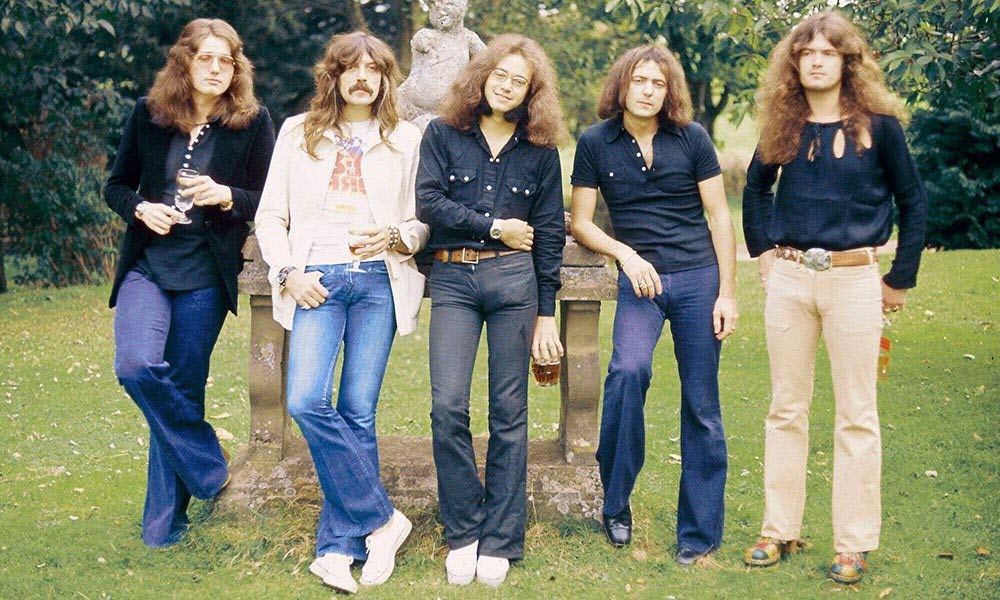
Deep Purple is a legendary rock band that has left an indelible mark on the world of music since its formation in Hertford, England, in 1968. Known for their pioneering contributions to hard rock and heavy metal, Deep Purple has earned a reputation as one of the most influential and enduring bands in rock history.
The band’s classic lineup, often referred to as the “Mark II” lineup, featured some of the most iconic musicians in the genre. Ian Gillan provided powerful and distinctive vocals, Ritchie Blackmore’s guitar work was legendary, Jon Lord’s keyboard wizardry added a unique dimension to their sound, Roger Glover held down the bass, and Ian Paice’s drumming provided a thunderous backbone.
Deep Purple’s breakthrough came with the release of their 1972 album “Machine Head,” which included the timeless hits “Smoke on the Water” and “Highway Star.” These songs became anthems of the rock genre and catapulted the band to international stardom. The iconic riff from “Smoke on the Water” is recognized by music enthusiasts around the world.
Throughout their career, Deep Purple released a string of successful albums, including “In Rock,” “Fireball,” and “Burn.” Their music showcased a unique blend of rock, blues, and classical elements, often characterized by virtuosic instrumental solos and Gillan’s distinctive scream.
Deep Purple’s influence on the development of hard rock and heavy metal cannot be overstated. They laid the foundation for countless bands that followed, and their live performances were renowned for their energy and intensity. Even as the lineup changed over the years, Deep Purple continued to produce music and tour, maintaining their status as rock legends.
Deep Purple’s enduring legacy is a testament to their musical prowess and the impact they have had on generations of rock fans. With a rich discography spanning decades, they have solidified their place in the pantheon of rock and roll icons.
1. “Smoke on the Water”
“Smoke on the Water” is one of the most iconic and instantly recognizable rock songs in history. It was created by Deep Purple and released on their 1972 album “Machine Head.” The song’s distinctive guitar riff, played by Ritchie Blackmore, is etched into the collective memory of music enthusiasts worldwide.
Lyrically, “Smoke on the Water” tells the true story of an incident that occurred in Montreux, Switzerland, where Deep Purple was planning to record their album. The lyrics describe a fire that broke out during a Frank Zappa and The Mothers of Invention concert, which is vividly remembered by the band members.
Musically, the song’s heavy guitar riff, coupled with Ian Gillan’s powerful vocals, creates an atmosphere of intensity and excitement. Jon Lord’s Hammond organ solo and Ian Paice’s solid drumming contribute to the song’s enduring appeal. The interplay between the instruments, especially during the iconic guitar solo, showcases the band’s virtuosity.
“Smoke on the Water” became an instant classic, and its influence on the development of hard rock and heavy metal is immeasurable. The song has been covered by countless artists and remains a staple of rock radio playlists and live performances. Its enduring popularity is a testament to its timeless appeal.
2. “Highway Star”
“Highway Star” is another powerhouse track by Deep Purple, featured on their 1972 album “Machine Head.” This song exemplifies the band’s mastery of hard rock and their ability to deliver high-energy performances.
Lyrically, “Highway Star” is an ode to the thrill of the open road and the exhilaration of fast cars. Ian Gillan’s lyrics paint a vivid picture of a high-speed adventure, capturing the essence of a free-spirited and adrenaline-fueled journey.
Musically, the song is driven by Ritchie Blackmore’s blistering guitar work and Jon Lord’s virtuosic keyboard playing. The opening keyboard and guitar exchange sets the tone for an electrifying ride. Ian Paice’s drumming and Roger Glover’s bass provide a relentless rhythm that propels the song forward.
One of the standout features of “Highway Star” is its instrumental section, where each member of the band showcases their exceptional skills with thrilling solos. The song’s dynamic structure and shifting tempo make it a favorite among fans and a challenging piece for aspiring musicians.
“Highway Star” remains a staple of Deep Purple’s live performances, where it continues to captivate audiences with its unbridled energy and musicianship. Its status as a quintessential rock anthem solidifies its place in the annals of rock history.
4. “Hush”
“Hush” is a classic rock song that was originally written by Joe South and later popularized by Deep Purple on their 1968 debut album, “Shades of Deep Purple.” This infectious track marked an early milestone in the band’s career.
Lyrically, “Hush” tells the story of a man pleading for a woman’s attention, urging her to stop and listen to his heartfelt plea. The lyrics are delivered with a sense of urgency, emphasizing the desire to be heard and acknowledged.
Musically, “Hush” features a catchy and memorable melody with a bluesy rock feel. Ian Gillan’s vocals are soulful and expressive, while Ritchie Blackmore’s guitar work adds a distinctive flair to the song. The upbeat rhythm and spirited organ solo by Jon Lord contribute to its infectious quality.
“Hush” became a hit for Deep Purple, propelling them into the spotlight and establishing their reputation as a formidable rock band. It remains a fan favorite and a testament to the band’s early prowess in blending rock, blues, and soul influences.
5. “Perfect Strangers”
“Perfect Strangers” is a powerful and anthemic song by Deep Purple, released in 1984 as the title track of their comeback album. The track signifies a return to form for the band after a period of hiatus and lineup changes.
Lyrically, “Perfect Strangers” explores themes of reunification and the rekindling of a connection between individuals who have been separated for a long time. The lyrics convey a sense of nostalgia and the hope of rediscovering a once-close bond.
Musically, the song features a soaring and melodic arrangement with Ritchie Blackmore’s distinctive guitar work at the forefront. Ian Gillan’s vocals are emotive and dynamic, capturing the song’s powerful and anthemic nature. Jon Lord’s keyboard contributions add depth and grandeur to the composition.
“Perfect Strangers” marked a successful return for Deep Purple, with the album of the same name revitalizing their career and introducing a new generation of fans to their music. The song’s epic qualities and memorable melody have made it a highlight of their live performances and a cherished part of their catalog.
6. “Space Truckin'”
“Space Truckin'” is a high-energy and iconic track by Deep Purple, featured on their 1972 album “Machine Head.” The song exemplifies the band’s ability to create exhilarating rock and roll experiences.
Lyrically, “Space Truckin'” is an imaginative and playful exploration of space travel and the thrill of interstellar adventures. The lyrics convey a sense of excitement and escapism, inviting listeners to join in the cosmic journey.
Musically, the song is driven by Ritchie Blackmore’s electrifying guitar riffs and Ian Gillan’s dynamic vocals. Jon Lord’s keyboard work adds a cosmic element to the composition, enhancing the sense of intergalactic exploration. Ian Paice’s drumming and Roger Glover’s bass provide a propulsive rhythm that propels the song forward.
“Space Truckin'” is known for its exhilarating instrumental section, where each member of the band unleashes their musical prowess with dazzling solos. The song’s infectious energy and lively tempo make it a favorite among fans and a standout track in Deep Purple’s live performances.
With its rock and roll spirit and space-age theme, “Space Truckin'” encapsulates the adventurous and boundary-pushing nature of Deep Purple’s music. It remains a timeless classic in the world of rock music, celebrated for its ability to transport listeners to the far reaches of the musical cosmos.
7. “Black Night”
“Black Night” is a lively and energetic rock song by Deep Purple, released as a single in 1970 and later included on the “Deep Purple in Rock” album. The song is known for its infectious riff and catchy melody.
Lyrically, “Black Night” is a straightforward and upbeat rock anthem. The lyrics describe a night of revelry and celebration, encouraging listeners to join in the fun. The chorus features the catchy refrain “Black night is not right, I don’t feel so bright. I don’t care to sit tight. Maybe I’ll find on the way down the line that I’m free, free to be me.”
Musically, the song is characterized by its memorable guitar riff, played by Ritchie Blackmore, which serves as the song’s driving force. Ian Gillan’s vocals are energetic and exuberant, adding to the song’s overall sense of joy and abandon. The rhythm section, consisting of Roger Glover on bass and Ian Paice on drums, provides a solid and infectious groove.
“Black Night” was a commercial success and became a fan favorite at Deep Purple’s live concerts. Its straightforward rock and roll sound and catchy chorus have contributed to its enduring popularity, making it a staple of classic rock radio.
8. “Woman from Tokyo”
“Woman from Tokyo” is a melodic and captivating song by Deep Purple, featured on their 1973 album “Who Do We Think We Are.” The song is notable for its memorable guitar and keyboard melodies.
Lyrically, “Woman from Tokyo” paints a vivid picture of a woman from the city of Tokyo, Japan. The lyrics express admiration and fascination for this mysterious and alluring figure, creating a sense of intrigue and wonder.
Musically, the song features a melodic and rhythmic arrangement with Ritchie Blackmore’s guitar work and Jon Lord’s keyboard contributions taking center stage. The song’s opening riff and keyboard melody are instantly recognizable and set the tone for the rest of the track. Ian Gillan’s vocals are smooth and melodic, adding to the song’s overall appeal.
“Woman from Tokyo” received positive reviews and became a fan favorite. Its catchy melody and memorable instrumental sections have made it a standout track in Deep Purple’s discography. The song’s fusion of rock and melody showcases the band’s versatility and ability to create captivating and accessible music.
9. “Soldier of Fortune”
“Soldier of Fortune” is a poignant and emotionally charged ballad by Deep Purple, featured on their 1974 album “Stormbringer.” The song stands in contrast to the band’s more energetic and hard-rocking tracks, showcasing their ability to deliver heartfelt and introspective music.
Lyrically, “Soldier of Fortune” is a reflection on love, heartbreak, and the passage of time. The lyrics convey a sense of vulnerability and melancholy as the singer reminisces about a lost love. The chorus features the powerful refrain, “I can hear the sound of violins, long before it begins.”
Musically, the song is characterized by its gentle and melodic arrangement. Ritchie Blackmore’s guitar work is soulful and expressive, while David Coverdale’s vocals convey a deep sense of emotion. The song’s restrained instrumentation and emotional delivery create an atmosphere of introspection and longing.
“Soldier of Fortune” has been praised for its emotional depth and is often regarded as one of Deep Purple’s finest ballads. Its poignant lyrics and soulful melody have resonated with listeners, making it a cherished and enduring part of the band’s catalog.
10. “Burn”
“Burn” is a high-octane and electrifying rock song by Deep Purple, released as the title track of their 1974 album. The song showcases the band’s signature blend of hard rock and blues influences.
Lyrically, “Burn” is a fiery and passionate declaration of desire and intensity. The lyrics convey a sense of urgency and the burning desire for a love that consumes and exhilarates. The chorus features the powerful refrain, “You know we had no time, we could not even try. You know we had no time, you and I.”
Musically, the song is driven by its powerful and relentless rhythm. Ritchie Blackmore’s guitar riffs are electrifying, and David Coverdale’s vocals are filled with raw energy. Jon Lord’s keyboard work adds a dynamic and dramatic element to the song, while the rhythm section of Glenn Hughes on bass and Ian Paice on drums provides a thunderous foundation.
“Burn” is celebrated for its explosive energy and electrifying performance. The song’s instrumental sections feature impressive solos and interplay between the band members, showcasing their virtuosity. It remains a fan favorite and a highlight of Deep Purple’s live concerts, where it continues to captivate audiences with its relentless power and intensity.

David Morrison is a frequent contributor to Singers Room. Since 2005, Singersroom has been the voice of R&B around the world. Connect with us via social media below.









