
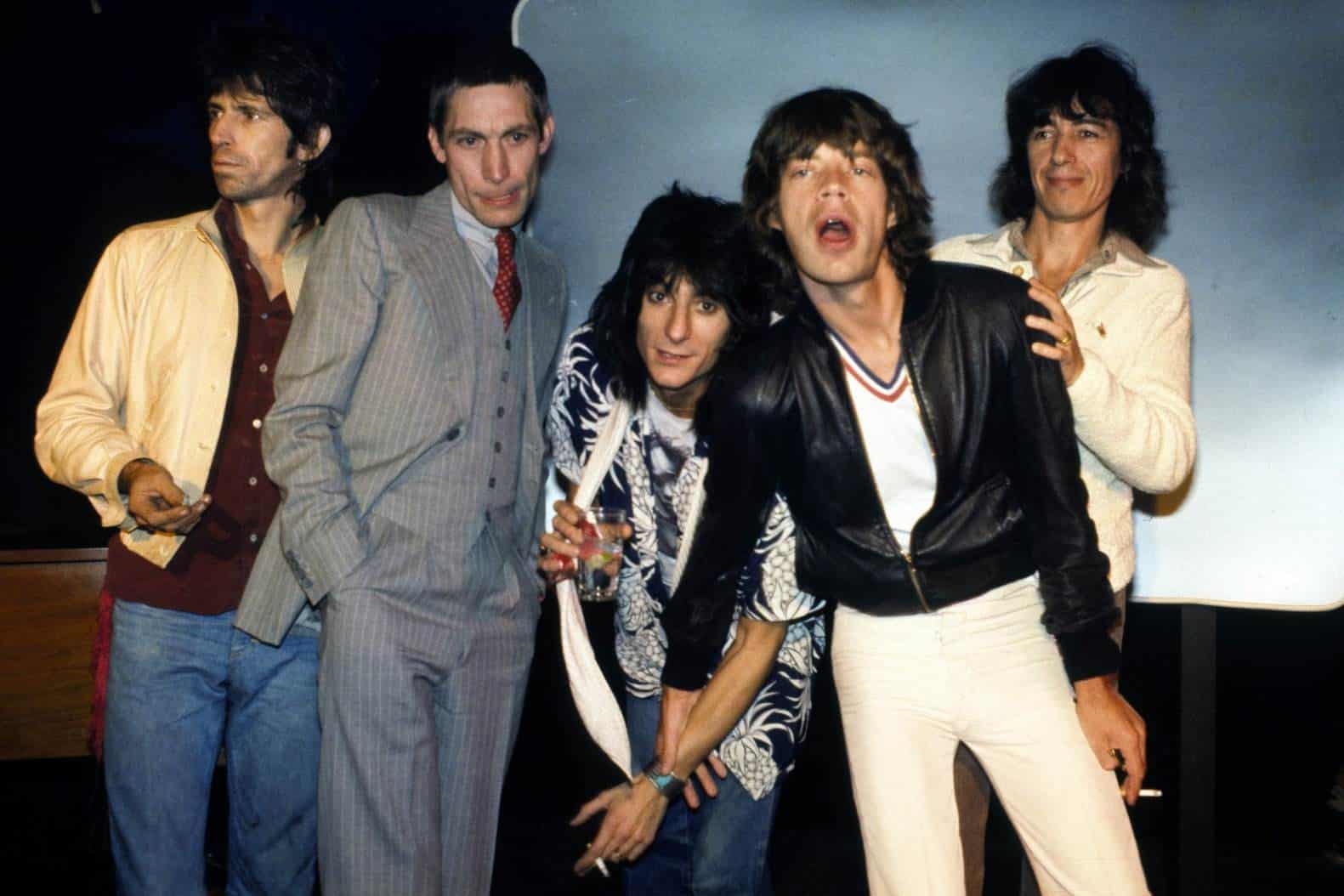
The Rolling Stones are one of the most iconic and enduring rock bands in music history. Formed in London in 1962, the band’s core members include Mick Jagger (vocals), Keith Richards (guitar), Charlie Watts (drums), Ronnie Wood (guitar), and Bill Wyman (bass, retired). Throughout their illustrious career, the Stones have solidified their reputation as rock ‘n’ roll legends, earning a devoted global fan base and influencing generations of musicians.
The Stones’ music is characterized by a blend of rock, blues, and rhythm and blues, creating a signature sound that oozes raw energy and attitude. With hits like “Paint It Black,” “Sympathy for the Devil,” “(I Can’t Get No) Satisfaction,” and “Angie,” they have produced a remarkable catalog of classic songs that have stood the test of time.
Mick Jagger’s charismatic stage presence and Keith Richards’ iconic guitar riffs are at the heart of the band’s live performances, making their shows legendary spectacles. The Rolling Stones have consistently filled stadiums and arenas around the world, showcasing their enduring appeal and vitality.
Beyond their music, the Stones have been known for their rebellious image and cultural impact, reflecting the spirit of rock ‘n’ roll itself. Their longevity, resilience, and dedication to their craft have made them cultural icons and a symbol of rock music’s enduring power. With a career spanning more than six decades, The Rolling Stones continue to rock on, leaving an indelible mark on the world of music.
1. “(I Can’t Get No) Satisfaction”
“(I Can’t Get No) Satisfaction” is one of The Rolling Stones’ most iconic and enduring songs, released in 1965 as a single and later included on their album “Out of Our Heads.” The song features a driving guitar riff that has become instantly recognizable and synonymous with rock ‘n’ roll itself.
Mick Jagger’s vocals exude youthful frustration and defiance as he laments the inability to find satisfaction in a consumer-driven world. The lyrics capture the spirit of a generation grappling with the pressures of advertising and commercialism, making it an anthem of rebellion and nonconformity.
The song’s simple yet powerful structure, anchored by Keith Richards’ memorable guitar riff, contributes to its timelessness. Charlie Watts’ steady drumming and Bill Wyman’s bass provide a solid foundation for the track, creating an irresistible groove that’s impossible not to move to.
“(I Can’t Get No) Satisfaction” not only catapulted The Rolling Stones to international stardom but also became a defining moment in rock history. It remains a classic rock staple and a symbol of the band’s enduring influence on popular music.
2. “Paint It Black”
“Paint It Black” is a haunting and evocative song by The Rolling Stones, released in 1966 as a single and later included on their album “Aftermath.” The song is notable for its dark and mesmerizing atmosphere, created by a combination of eastern-influenced melodies and introspective lyrics.
The song opens with a distinctive sitar riff, played by Brian Jones, which immediately sets a brooding and enigmatic tone. Mick Jagger’s vocals convey a sense of melancholy and introspection as he sings about the grief and pain of a lost love. The chorus, with its repeated line “I see a red door and I want it painted black,” reflects a desire to escape from the past and embrace change.
“Paint It Black” features a dynamic interplay of instruments, with Charlie Watts’ drumming adding a driving rhythm and Keith Richards’ guitar work providing a sense of urgency. The song’s dramatic shifts in dynamics and intensity make it a captivating and emotionally charged listening experience.
The track’s fusion of rock with elements of psychedelia and world music was ahead of its time, showcasing The Rolling Stones’ willingness to experiment with new sounds and styles. “Paint It Black” remains a standout in the band’s catalog, known for its unique sound and enduring appeal.
3. “Angie”
“Angie” is a beautiful and melancholic ballad by The Rolling Stones, released in 1973 as part of their album “Goats Head Soup.” The song is a departure from the band’s typical rock ‘n’ roll sound, showcasing their versatility and ability to craft emotionally charged ballads.
The track features delicate acoustic guitar work by Keith Richards, which sets a contemplative and intimate tone from the start. Mick Jagger’s vocals are filled with longing and regret as he sings about a lost love, and the lyrics are reflective and introspective.
“Angie” is characterized by its emotional depth and restrained instrumentation. The song’s simplicity allows Jagger’s vocals to shine, and the melody is hauntingly beautiful. The chorus, with its repeated plea “Angie, Angie, when will those clouds all disappear?,” conveys a sense of yearning and heartache.
The song’s enduring appeal lies in its ability to evoke a genuine sense of emotion and vulnerability. “Angie” is a testament to The Rolling Stones’ songwriting prowess and their ability to connect with listeners on a deeply personal level. It has remained a beloved classic and a testament to the band’s ability to excel in both rock and balladry.
4. “Start Me Up”
“Start Me Up” is a high-octane rock anthem by The Rolling Stones, released in 1981 as a part of their album “Tattoo You.” The song is instantly recognizable for its infectious guitar riff and energetic vibe.
The track opens with Keith Richards’ iconic guitar riff, which is one of the most recognizable in rock history. Mick Jagger’s vocals are filled with swagger and attitude as he sings about desire and anticipation. The lyrics suggest a sense of longing and excitement, making it a perfect soundtrack for the thrill of new beginnings.
“Start Me Up” is characterized by its driving rhythm, propelled by Charlie Watts’ powerful drumming and Bill Wyman’s steady bassline. The chorus is catchy and anthemic, making it a favorite at concerts and sporting events.
The song’s timeless appeal lies in its ability to capture the essence of rock ‘n’ roll’s exhilaration and rebellious spirit. “Start Me Up” has remained a classic rock staple and a testament to The Rolling Stones’ enduring ability to craft infectious and memorable songs.
5. “Sympathy for the Devil”
“Sympathy for the Devil” is a provocative and enigmatic masterpiece by The Rolling Stones, released in 1968 as part of their album “Beggars Banquet.” The song stands as a testament to the band’s willingness to explore different musical styles and themes.
The track features a hypnotic and seductive rhythm, driven by Charlie Watts’ percussion and congas, which create an exotic and primal atmosphere. Mick Jagger’s vocals take on the persona of the devil, narrating the history of humanity’s dark deeds and temptations.
Lyrically, “Sympathy for the Devil” is a tour de force, referencing historical events and figures while challenging the listener’s perspective on evil and morality. The chorus, with its repeated plea “Please allow me to introduce myself, I’m a man of wealth and taste,” adds to the song’s mysterious allure.
The song’s dynamic structure and ever-evolving musical elements, including Brian Jones’ maracas and Keith Richards’ guitar work, make it a captivating and immersive experience. “Sympathy for the Devil” is not just a song; it’s a sonic journey that invites introspection and contemplation.
As one of The Rolling Stones’ most enduring and thought-provoking compositions, “Sympathy for the Devil” has transcended time and genre, earning its place as a landmark in the annals of rock music.
6. “Brown Sugar”
“Brown Sugar” is a gritty and infectious rock song by The Rolling Stones, released in 1971 as part of their album “Sticky Fingers.” The song is known for its provocative lyrics and irresistible groove.
The track kicks off with a catchy and memorable guitar riff by Keith Richards, instantly drawing the listener in. Mick Jagger’s vocals exude passion and sensuality as he sings about a complex and forbidden love affair. The lyrics, though controversial, are a reflection of the band’s willingness to push boundaries and explore taboo subjects.
“Brown Sugar” features a tight and driving rhythm section, with Charlie Watts’ drums and Bill Wyman’s bass providing a solid foundation for the song’s infectious groove. The chorus is anthemic, and the song’s overall energy is impossible to resist.
The track’s combination of rock ‘n’ roll swagger and bluesy influences is a hallmark of The Rolling Stones’ sound. “Brown Sugar” remains a fan favorite and a staple of their live performances, showcasing the band’s ability to create music that is both provocative and undeniably catchy.
7. “You Can’t Always Get What You Want”
“You Can’t Always Get What You Want” is a poignant and introspective ballad by The Rolling Stones, featured on their 1969 album “Let It Bleed.” The song is notable for its lush and soulful arrangement, incorporating a choir and horn section.
The track opens with a gentle acoustic guitar and Mick Jagger’s emotive vocals, setting a reflective tone. The lyrics convey a message of acceptance and resilience in the face of life’s disappointments and setbacks. The choir’s harmonies add a sense of grandeur and hope, culminating in a transcendent musical experience.
“You Can’t Always Get What You Want” is a testament to The Rolling Stones’ versatility as musicians, showcasing their ability to seamlessly transition from high-energy rock to heartfelt ballads. The song’s timeless message resonates with audiences of all generations, making it one of the band’s most enduring and beloved compositions.
8. “Jumpin’ Jack Flash”
“Jumpin’ Jack Flash” is a rock ‘n’ roll classic by The Rolling Stones, released in 1968 as a single and later included on various compilation albums. The song is celebrated for its infectious energy and iconic guitar riff.
The track bursts into life with Keith Richards’ instantly recognizable guitar riff, a riff that has become synonymous with rock ‘n’ roll itself. Mick Jagger’s vocals are brimming with swagger and attitude as he narrates the tale of the enigmatic “Jumpin’ Jack Flash.”
“Jumpin’ Jack Flash” is characterized by its raw and raucous sound, with Charlie Watts’ thunderous drumming and Bill Wyman’s driving bass adding to the song’s infectious groove. The chorus is catchy and anthemic, making it a favorite at concerts and a staple of classic rock playlists.
The song’s enduring popularity lies in its ability to capture the essence of rock ‘n’ roll’s rebellious spirit and unfettered energy. “Jumpin’ Jack Flash” is a timeless rock anthem that continues to ignite excitement and evoke a sense of liberation.
9. “Honky Tonk Women”
“Honky Tonk Women” is a rollicking and infectious rock song by The Rolling Stones, released in 1969 as a single and later included on their compilation album “Through the Past, Darkly (Big Hits Vol. 2).” The song is known for its memorable guitar riff and playful lyrics.
The track opens with a distinctive cowbell sound and Keith Richards’ guitar riff, instantly setting a lively and danceable mood. Mick Jagger’s vocals are filled with charisma and wit as he tells the story of encounters with women from different walks of life.
“Honky Tonk Women” is characterized by its upbeat tempo and catchy melody, making it a favorite on dance floors and a classic rock radio staple. The song’s lyrics are cheeky and humorous, showcasing The Rolling Stones’ ability to infuse their music with humor and personality.
With its infectious groove and timeless appeal, “Honky Tonk Women” has remained a fan favorite and a testament to the band’s ability to create songs that are both musically captivating and lyrically entertaining.
10. “Wild Horses”
“Wild Horses” is a tender and heartfelt ballad by The Rolling Stones, featured on their 1971 album “Sticky Fingers.” The song stands as a testament to the band’s ability to shift from high-energy rock to introspective and soulful compositions.
The track opens with gentle acoustic guitar and Mick Jagger’s emotive vocals, creating an intimate and melancholic atmosphere. The lyrics reflect themes of love, longing, and vulnerability, and they are delivered with a sense of vulnerability and sincerity.
“Wild Horses” is notable for its emotional depth and melodic beauty. Keith Richards’ guitar work adds a layer of tasteful restraint to the song, allowing the heartfelt lyrics to take center stage. The chorus, with its poignant refrain “Wild horses couldn’t drag me away,” has become an iconic and timeless moment in rock music.
The song’s enduring popularity is a testament to its universal themes and timeless beauty. “Wild Horses” remains one of The Rolling Stones’ most cherished and beloved ballads, capturing the band’s ability to connect with audiences on an emotional level.

David Morrison is a frequent contributor to Singers Room. Since 2005, Singersroom has been the voice of R&B around the world. Connect with us via social media below.









