
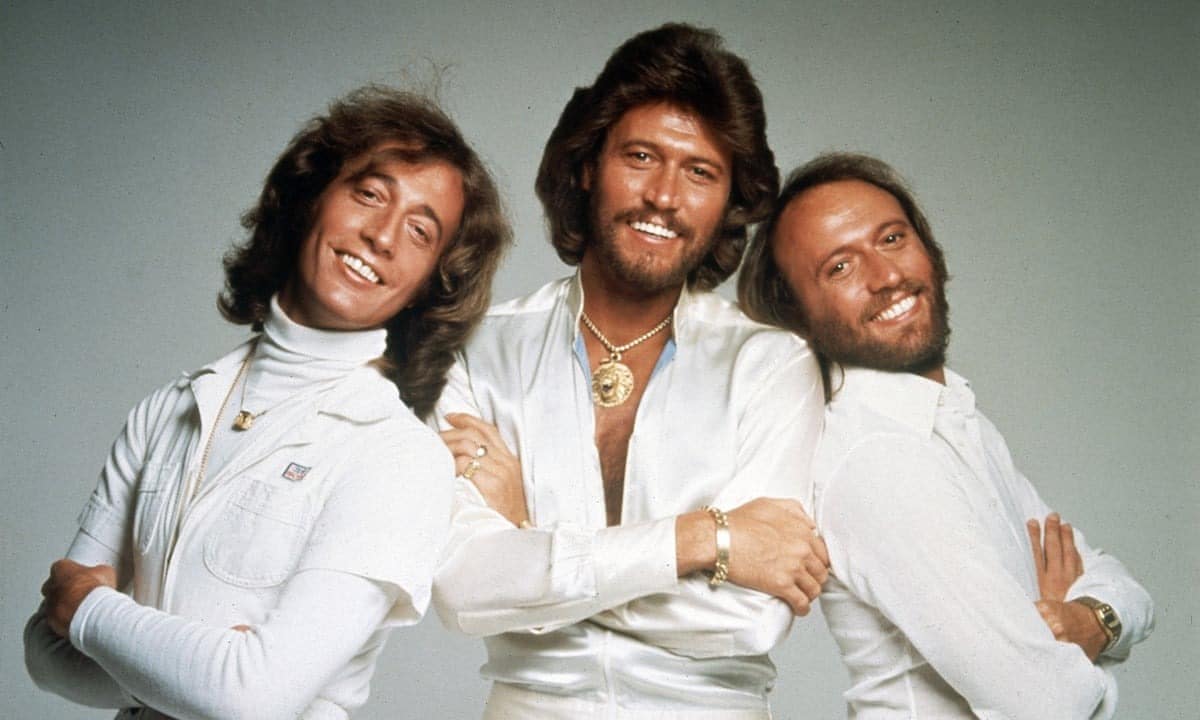
The Bee Gees, short for the “Brothers Gibb,” were a legendary British-Australian pop and disco group that left an indelible mark on the music industry. Comprising three brothers—Barry, Robin, and Maurice Gibb—the Bee Gees were known for their exceptional songwriting, close harmonies, and versatile musical style.
Their career spanned several decades, beginning in the 1960s when they gained recognition as a Beatles-influenced pop group. However, their evolution was marked by their transition to the disco genre in the late 1970s, a move that would define a generation. The Bee Gees’ soundtrack for the film “Saturday Night Fever” became a cultural phenomenon, featuring iconic hits like “Stayin’ Alive,” “How Deep Is Your Love,” and “Night Fever,” which catapulted them to international superstardom.
The Bee Gees’ contributions to music extended beyond their own hits; they were prolific songwriters for other artists, penning chart-topping songs for artists like Barbra Streisand, Diana Ross, and Kenny Rogers. Their ability to craft timeless melodies and their distinctive falsetto harmonies made them one of the most successful and influential acts in the history of popular music.
Despite facing challenges and changing musical landscapes over the years, the Bee Gees remained enduring and celebrated figures in the world of music, earning numerous awards and accolades throughout their career. Their legacy continues to influence artists across genres, and their music remains a cherished part of the soundtrack of our lives.
1. “Stayin’ Alive”
“Stayin’ Alive” is an iconic disco anthem that defined an era and became one of The Bee Gees’ most recognizable hits. Released in 1977 as part of the “Saturday Night Fever” soundtrack, the song is characterized by its infectious groove, pulsating rhythm, and unforgettable falsetto vocals.
The track captures the essence of the disco phenomenon that swept the 1970s, with its danceable beat and lyrics that exude confidence and resilience. “Stayin’ Alive” is not just a dancefloor filler; it’s a cultural touchstone, a symbol of survival and perseverance. Its unmistakable opening guitar riff and Barry Gibb’s soaring falsetto vocals make it an instantly recognizable and timeless classic.
The song’s association with the disco era has made it an enduring emblem of that period, and it remains a staple in pop culture. “Stayin’ Alive” continues to energize dance floors and inspire new generations of music enthusiasts, cementing its status as one of the most iconic songs in the history of popular music.
2. “How Deep Is Your Love”
“How Deep Is Your Love” is a tender and evocative love ballad that showcases The Bee Gees’ exceptional songwriting and harmonizing skills. Released in 1977 as part of the “Saturday Night Fever” soundtrack, the song is a departure from the group’s disco sound, showcasing their versatility.
The track is characterized by its lush and romantic melody, with the brothers’ harmonies creating a sense of emotional depth and sincerity. The lyrics explore the depths of love and longing, asking the question, “How deep is your love?” Barry Gibb’s smooth lead vocals are complemented by the gentle backing of his brothers, creating a heartfelt and timeless piece.
“How Deep Is Your Love” achieved widespread acclaim and became one of The Bee Gees’ signature songs. It earned them a Grammy Award for Best Pop Performance by a Duo or Group with Vocals and remains a beloved classic that continues to resonate with audiences around the world. Its enduring appeal lies in its ability to capture the universal experience of profound love and connection.
3. “Night Fever”
“Night Fever” is a quintessential disco track that exemplifies the electrifying energy of the late 1970s dance music scene. Released in 1977 as part of the “Saturday Night Fever” soundtrack, the song’s pulsating beat, catchy melody, and soaring falsetto vocals by The Bee Gees make it an iconic anthem of the era.
The lyrics of “Night Fever” capture the excitement and anticipation of a night out on the town, where the dance floor becomes a place of liberation and connection. The upbeat tempo and infectious groove invite listeners to let loose and dance the night away.
The Bee Gees’ harmonious vocal arrangement adds depth and dimension to the song, with their distinctive falsetto voices creating an unforgettable sonic experience. “Night Fever” became a chart-topping hit and contributed significantly to the success of the “Saturday Night Fever” soundtrack, helping to propel the disco movement to new heights.
Decades later, “Night Fever” remains a beloved and frequently played track at parties, clubs, and events, serving as a timeless reminder of the disco era’s vibrant spirit and enduring impact on music and culture.
4. “More Than a Woman”
“More Than a Woman” is a captivating love song that showcases The Bee Gees’ ability to craft emotionally resonant melodies and harmonies. Originally featured on the “Saturday Night Fever” soundtrack in 1977, the song combines smooth vocals with a heartfelt message of devotion.
The lyrics express a profound depth of feeling, with the singer declaring their love and commitment to someone who means more to them than words can express. The Bee Gees’ signature harmonies, particularly their falsetto, infuse the song with a sense of sincerity and longing.
“More Than a Woman” has a timeless quality that transcends its disco-era origins. It remains a classic love song that continues to touch the hearts of listeners with its universal message of love and affection.
5. “You Should Be Dancing”
“You Should Be Dancing” is a high-energy disco anthem that captures the infectious spirit of the dance music era. Released in 1976, this track is a prime example of The Bee Gees’ contribution to the disco movement.
With its upbeat tempo, funky bassline, and catchy melody, “You Should Be Dancing” invites listeners to hit the dance floor and let loose. The song’s lyrics encourage movement and celebration, making it a go-to party anthem.
The Bee Gees’ harmonious vocals, including their distinctive falsetto, inject a sense of joy and enthusiasm into the song. “You Should Be Dancing” not only became a chart-topping hit but also solidified The Bee Gees’ reputation as masters of the disco genre.
Decades after its release, the song’s enduring popularity continues to make it a staple at dance parties and disco-themed events, a testament to its enduring groove and the Bee Gees’ influence on the disco era.
6. “Tragedy”
“Tragedy” is an electrifying disco-rock track that showcases The Bee Gees’ ability to blend genres and create music with immense energy and power. Released in 1979, the song combines disco rhythms with rock elements, resulting in a unique and unforgettable sound.
The lyrics of “Tragedy” touch on themes of heartbreak and despair, with the singer expressing the feeling of being caught in a tragic love affair. The Bee Gees’ harmonies, particularly their falsetto, lend a dramatic and emotional intensity to the song.
The driving beat, soaring vocals, and guitar-driven melody make “Tragedy” a standout track in The Bee Gees’ catalog. It became a major hit and further solidified the group’s place in music history.
“Tragedy” remains a beloved classic that showcases The Bee Gees’ musical innovation and their ability to evolve their sound while staying true to their unique style. It continues to be a favorite among fans and a powerful reminder of the band’s impact on the disco and rock genres.
7. “Jive Talkin'”
“Jive Talkin'” is a funky and infectious track that marked The Bee Gees’ transition into the disco era. Released in 1975, this song features a distinctive rhythm created by the group’s innovative use of a synthesizer to mimic the sound of a pulsating heartbeat.
The lyrics of “Jive Talkin'” are a playful exploration of the language of love, with the singer trying to decipher the cryptic messages of their partner. The song’s upbeat tempo and irresistible groove make it a dancefloor favorite, and it quickly became a chart-topping hit.
The Bee Gees’ harmonious vocals, including their signature falsetto, add a layer of sophistication and charm to the track. “Jive Talkin'” is a testament to The Bee Gees’ ability to adapt to changing musical landscapes and create music that resonates with a wide audience.
8. “To Love Somebody”
“To Love Somebody” is a soulful and heartfelt ballad that showcases The Bee Gees’ songwriting prowess and emotional depth. Originally released in 1967, this song became one of the group’s early hits and a classic in their repertoire.
The lyrics express a profound yearning and desire to be loved by someone deeply. The Bee Gees’ harmonies, led by Barry Gibb’s emotive vocals, convey the intense emotions of unrequited love. The song’s melody and arrangement create a timeless and haunting atmosphere.
“To Love Somebody” has been covered by numerous artists over the years, attesting to its enduring appeal and the universal themes it explores. It remains a poignant and moving piece that captures the essence of love’s complexities and the depth of human emotions.
9. “Massachusetts”
“Massachusetts” is a melodic and folk-influenced track that highlights The Bee Gees’ versatility as songwriters and performers. Released in 1967, this song marked a departure from their earlier sound and showcased their ability to explore different musical styles.
The lyrics of “Massachusetts” reflect a sense of nostalgia and longing for a distant place, capturing the feeling of homesickness and yearning for a lost love. The song’s acoustic guitar-driven melody and gentle harmonies create a wistful and introspective mood.
“Massachusetts” was a commercial success for The Bee Gees, earning them recognition beyond their pop and rock roots. It remains a classic in their catalog, appreciated for its introspective lyrics and evocative melody.
10. “Words”
“Words” is a tender and introspective ballad that highlights The Bee Gees’ ability to craft emotionally resonant songs. Released in 1968, this track features heartfelt lyrics and melodic harmonies that became a hallmark of the group’s early work.
The lyrics of “Words” express the power of words to convey love and emotions, with the singer reflecting on the importance of communication in a relationship. The song’s gentle arrangement, led by Barry Gibb’s emotive vocals, creates a sense of vulnerability and sincerity.
“Words” became a hit for The Bee Gees and remains a classic in their repertoire. It showcases the group’s ability to connect with listeners on a deep emotional level and their talent for crafting timeless songs that continue to touch hearts and resonate with audiences worldwide.

David Morrison is a frequent contributor to Singers Room. Since 2005, Singersroom has been the voice of R&B around the world. Connect with us via social media below.









