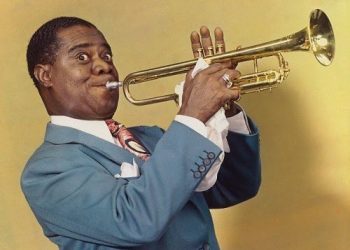
The world of music has been graced by extraordinary vocalists whose talent transcends boundaries and touches the hearts of listeners across generations. These exceptional singers possess a unique ability to convey deep emotions, tell compelling stories, and capture the essence of the human experience through their voices. Their artistry is marked by impeccable control, unmatched range, and the power to evoke profound feelings with each note.
The best singers are not merely performers; they are storytellers, interpreters, and conveyors of raw, unfiltered emotions. Their voices carry the weight of their experiences, infusing each lyric with authenticity and vulnerability. Whether belting out soul-stirring ballads or effortlessly navigating intricate melodies, these singers command attention and leave audiences in awe of their vocal prowess.
What sets these artists apart is not just their technical skill but also their ability to connect with listeners on a profound level. Their performances are more than just music; they are shared moments of catharsis, solace, and joy. These singers have the gift of making listeners feel seen, understood, and inspired, leaving an indelible mark on the world of music and reminding us of the transformative power of the human voice.
1. Stevie Wonder
Stevie Wonder, born Stevland Hardaway Judkins, is a musical genius whose extraordinary talent and creativity have made him one of the most iconic and influential singers in the history of music. Blind from birth, Wonder’s heightened sense of sound enabled him to master various musical instruments at a young age, including the piano, harmonica, and drums.
Wonder’s career began at the age of 11 when he signed with Motown Records. His early hits, including “Fingertips, Pt. 2,” showcased his exceptional vocal abilities and musical prowess. As he matured, Wonder’s music evolved, incorporating elements of soul, funk, R&B, and jazz. His groundbreaking albums, such as “Talking Book” (1972), “Innervisions” (1973), and “Songs in the Key of Life” (1976), displayed his remarkable songwriting skills, profound lyrics, and innovative production techniques.
What sets Stevie Wonder apart is not just his soulful voice but also his mastery of diverse instruments and his ability to create deeply emotional and socially conscious music. Songs like “Superstition,” “Isn’t She Lovely,” and “Living for the City” are timeless classics that have left an indelible mark on the music industry.
Beyond his musical achievements, Wonder’s activism and philanthropy have made him a respected figure, using his fame to advocate for social and political change. Stevie Wonder’s contributions to the world of music and his impact on society continue to inspire and uplift generations of listeners, solidifying his legacy as one of the greatest singers of all time.
2. Mariah Carey
Mariah Carey, often referred to as the “Songbird Supreme” and the “Queen of Christmas,” is a powerhouse vocalist and one of the best-selling female artists in the history of music. With her extraordinary five-octave vocal range, emotive delivery, and impressive whistle register, Carey has redefined the standards of contemporary pop and R&B music.
Carey’s career took off in the early 1990s with her self-titled debut album, featuring hits like “Vision of Love” and “Love Takes Time.” Her incredible vocal range and melismatic style set her apart, and she quickly became a global sensation. Throughout her career, Carey has released chart-topping albums, including “Emotions” (1991), “Music Box” (1993), and “Daydream” (1995), each showcasing her ability to blend pop, R&B, and soul effortlessly.
One of Carey’s most remarkable achievements is her mastery of the holiday genre. Her perennial hit “All I Want for Christmas Is You” has become a Christmas anthem and is widely regarded as one of the most popular holiday songs of all time.
Beyond her vocal prowess, Carey is also a prolific songwriter, penning many of her own hits. Her songwriting skills, combined with her vocal talent, have earned her numerous awards, including multiple Grammy Awards and Billboard Music Awards.
Throughout her career, Mariah Carey has influenced countless artists and continues to be a source of inspiration for aspiring singers. Her ability to convey deep emotions through her music, coupled with her impressive vocal abilities, solidify her legacy as one of the greatest and most enduring singers in the history of popular music.
3. Aretha Franklin
Aretha Franklin, often referred to as the “Queen of Soul,” was a trailblazing singer, songwriter, and pianist whose powerful and emotive voice reshaped the landscape of American music. Born in 1942 in Memphis, Tennessee, Franklin began her musical journey singing gospel in her father’s church. Her exceptional talent quickly became evident, and she signed with Columbia Records in her teens. However, it was her move to Atlantic Records in the mid-1960s that catapulted her to stardom.
Franklin’s voice, marked by its incredible range, soulful delivery, and unmatched passion, made her a force to be reckoned with in the music industry. Her hits like “Respect,” “Natural Woman,” “Chain of Fools,” and “Think” became anthems of the civil rights and feminist movements, capturing the spirit of the era.
Known for her ability to infuse raw emotion into her performances, Franklin’s gospel roots were evident in her soul-stirring renditions. Her talent extended beyond singing; she was a gifted pianist and a prolific songwriter. Her album “Lady Soul” (1968) and the live recording “Amazing Grace” (1972) are considered classics and showcase her ability to blend gospel, R&B, and rock influences seamlessly.
Over her illustrious career, Franklin earned multiple Grammy Awards, including a Lifetime Achievement Award, and became the first woman to be inducted into the Rock and Roll Hall of Fame. Her impact on the music industry is immeasurable, and her legacy as a symbol of empowerment, resilience, and artistic excellence continues to inspire generations of musicians and listeners. Aretha Franklin’s voice, often described as unparalleled, remains a beacon of soul and inspiration, reminding the world of the enduring power of music.
4. Whitney Houston
Whitney Houston, with her unparalleled voice and captivating stage presence, was one of the most extraordinary singers in the history of music. Born into a musical family in 1963, Houston’s talent was evident from a young age. She began her singing career in gospel choirs and quickly transitioned into mainstream music, signing with Arista Records.
Houston’s voice was characterized by its exceptional range, flawless technique, and emotional depth. Her ability to convey profound feelings through her music made her a global icon. Her self-titled debut album, released in 1985, featured hits like “Saving All My Love for You” and “How Will I Know,” establishing her as a superstar.
The 1992 film “The Bodyguard,” in which Houston starred alongside Kevin Costner, catapulted her to even greater fame. The film’s soundtrack, featuring Houston’s rendition of Dolly Parton’s “I Will Always Love You,” became a massive success, becoming one of the best-selling albums of all time. The song’s soul-stirring vocals and heartfelt delivery became synonymous with Houston and remain an enduring classic.
Throughout her career, Houston continued to release chart-topping albums, including “Whitney” (1987), “I’m Your Baby Tonight” (1990), and “My Love Is Your Love” (1998). She achieved numerous awards, including multiple Grammy Awards, and her impact on the music industry was immeasurable.
Despite personal challenges, Houston’s talent and influence endured. Her voice, often described as heavenly, left an indelible mark on the world of music. Whitney Houston’s legacy as a vocal powerhouse and pop icon continues to inspire and resonate with audiences, reminding the world of her unmatched talent and the enduring power of her music.
5. Paul McCartney
Paul McCartney, a name synonymous with musical genius, is one of the most influential and beloved figures in the history of popular music. As a founding member of The Beatles alongside John Lennon, George Harrison, and Ringo Starr, McCartney played a pivotal role in shaping the band’s groundbreaking sound and global success during the 1960s.
McCartney’s talent as a singer, songwriter, and multi-instrumentalist became evident early in his career. His melodic prowess, coupled with his ability to craft emotionally resonant lyrics, led to some of The Beatles’ most enduring hits, including “Hey Jude,” “Let It Be,” and “Yesterday,” which remains one of the most covered songs in history.
After The Beatles disbanded in 1970, McCartney embarked on a solo career that further solidified his musical legacy. He formed the band Wings, producing hits like “Band on the Run” and “Live and Let Die.” McCartney’s solo albums, including “Ram,” “Tug of War,” and “Flowers in the Dirt,” showcased his versatility, exploring a wide range of musical styles.
Beyond his contributions to music, McCartney’s activism, philanthropy, and dedication to causes like animal rights have made him a respected public figure. His collaborations with other artists, such as Michael Jackson and Stevie Wonder, resulted in chart-topping hits, demonstrating his enduring influence.
McCartney’s live performances are celebrated for their energy, passion, and the timeless appeal of The Beatles’ classics. His enduring creativity and unwavering commitment to his craft have cemented his status as one of the greatest musicians of all time, leaving an indelible mark on the world of music and inspiring generations of artists and fans alike.
6. John Lennon
John Lennon, an iconic musician, songwriter, and peace activist, was a founding member of The Beatles, one of the most influential bands in the history of music. Born in Liverpool, England, in 1940, Lennon’s partnership with Paul McCartney, George Harrison, and Ringo Starr in The Beatles transformed the landscape of popular music during the 1960s.
Lennon’s contributions to The Beatles’ songwriting were marked by his introspective lyrics, raw emotion, and experimental approach. His compositions, such as “Imagine,” “Revolution,” and “All You Need Is Love,” became anthems of peace and social change, capturing the spirit of the era. His solo work, after The Beatles disbanded in 1970, continued to reflect his artistic depth and social consciousness.
Apart from his musical achievements, Lennon and his wife, Yoko Ono, became prominent peace activists, staging “bed-ins” for peace and using their fame to advocate for non-violence and human rights. Lennon’s solo albums, including “John Lennon/Plastic Ono Band” (1970) and “Imagine” (1971), showcased his introspective songwriting and willingness to address personal and societal issues.
Tragically, Lennon’s life was cut short when he was fatally shot outside his apartment in New York City in 1980. Despite his untimely death, his music and message continue to resonate. Lennon’s legacy as a musical innovator, peace advocate, and cultural icon endures, inspiring generations of artists and activists to make the world a more compassionate and harmonious place.
7. Bruce Springsteen
Bruce Springsteen, often referred to as “The Boss,” is a legendary American musician, singer-songwriter, and humanitarian. Born in New Jersey in 1949, Springsteen rose to fame in the 1970s with his distinctive blend of rock, folk, and Americana. His lyrics, often depicting working-class struggles, dreams, and the American experience, resonated deeply with audiences, making him one of the most influential artists of his generation.
Springsteen’s breakthrough came with the release of his third album, “Born to Run” (1975), featuring the iconic title track and other classics like “Thunder Road” and “Jungleland.” The album’s cinematic storytelling and anthemic sound catapulted him to fame, establishing him as a rock and roll icon.
Throughout his career, Springsteen released critically acclaimed albums, including “Darkness on the Edge of Town” (1978), “The River” (1980), and “Born in the U.S.A.” (1984). The latter, with hits like “Dancing in the Dark” and the title track, became one of the best-selling albums of all time and solidified Springsteen’s status as a global superstar.
Springsteen’s live performances are legendary, characterized by his high-energy shows, heartfelt connection with the audience, and marathon concerts that often exceed three hours. His E Street Band, known for its exceptional musicianship, has been a staple of his live performances for decades.
Beyond his musical contributions, Springsteen is known for his social and political activism. His songs often tackle themes of social justice, inequality, and the American working class. He received critical acclaim for his album “The Ghost of Tom Joad” (1995), addressing the plight of marginalized communities.
Bruce Springsteen’s impact on the music industry, his ability to capture the American spirit, and his dedication to social causes have made him a revered figure, earning numerous awards, including multiple Grammy Awards and an Academy Award. His music continues to inspire and uplift listeners around the world, solidifying his legacy as one of the greatest artists in rock history.
8. Prince
Prince, born Prince Rogers Nelson in 1958, was a musical virtuoso, innovator, and cultural icon. He redefined the music industry with his eclectic style, blending rock, funk, R&B, and pop in a way that was uniquely his own. With his exceptional talent as a singer, songwriter, multi-instrumentalist, and producer, Prince became one of the most prolific and influential musicians in the history of popular music.
Prince’s career took off in the late 1970s with albums like “For You” (1978) and “Prince” (1979). His breakthrough came in the 1980s with the albums “Dirty Mind” (1980), “Controversy” (1981), and the blockbuster “Purple Rain” (1984), both the soundtrack to the film of the same name and a defining moment in his career. The album showcased hits like “Purple Rain,” “When Doves Cry,” and “Let’s Go Crazy,” earning him international acclaim and several Grammy Awards.
Known for his androgynous style, electrifying stage presence, and mastery of various instruments, including guitar, keyboards, and drums, Prince was a true musical polymath. His live performances were legendary, characterized by his dynamic energy, guitar solos, and powerful vocals.
Prince continued to release innovative albums throughout his career, experimenting with new sounds and genres. His artistic evolution was evident in albums like “Sign o’ the Times” (1987) and “Love Symbol Album” (1992), showcasing his versatility as an artist.
In addition to his solo career, Prince collaborated with and mentored numerous artists, leaving a lasting impact on the music industry. He was known for his fiercely independent approach, challenging conventional norms and advocating for artists’ rights, which earned him a reputation as a trailblazer and pioneer.
Prince’s untimely death in 2016 was a significant loss to the music world, but his legacy lives on through his extensive catalog of music, his influence on subsequent generations of artists, and his enduring impact on the evolution of popular music. His ability to blend genres, push boundaries, and create timeless hits cements his status as one of the greatest and most innovative musicians in history.
9. Michael Jackson
Michael Jackson, often referred to as the “King of Pop,” was a global phenomenon and one of the most influential entertainers in the history of popular music. Born in 1958, Jackson began his career as a child star, performing with his siblings in the Jackson 5. His exceptional talent and charisma quickly made him the group’s standout member.
In the late 1970s, Jackson embarked on a solo career, releasing albums like “Off the Wall” (1979) and “Thriller” (1982). “Thriller” became a cultural phenomenon, breaking numerous records and becoming the best-selling album of all time. The album produced iconic hits such as “Billie Jean,” “Beat It,” and the title track “Thriller,” which featured a groundbreaking music video that transformed the medium into an art form.
Jackson’s impact on the music industry extended beyond his chart-topping albums and singles. He was a visionary artist, known for his innovative music videos, intricate choreography, and unique fashion sense. His performance style, marked by his signature moonwalk and electrifying stage presence, set a new standard for live shows.
Beyond his musical achievements, Jackson was a philanthropist, supporting various charitable causes, including children’s hospitals and humanitarian initiatives. His advocacy for social issues was reflected in his music, with songs like “Heal the World” and “Man in the Mirror” promoting messages of unity and positive change.
Despite facing controversies later in his life, Jackson’s contributions to music and pop culture remain unparalleled. His albums, including “Bad” (1987), “Dangerous” (1991), and “HIStory: Past, Present and Future, Book I” (1995), continued to showcase his creative brilliance.
Michael Jackson’s untimely death in 2009 marked the loss of a true musical icon, but his legacy endures. His influence on subsequent generations of artists, dancers, and entertainers, as well as his groundbreaking contributions to music videos and live performances, solidify his status as one of the greatest entertainers of all time.
10. Elvis Presley
Elvis Presley, often referred to as the “King of Rock and Roll,” was a cultural icon and one of the most significant and celebrated musicians of the 20th century. Born in 1935 in Tupelo, Mississippi, Presley’s influence on the music industry, his charismatic stage presence, and his fusion of various music genres transformed him into a global superstar.
Presley’s career took off in the mid-1950s when he began recording at Sun Records in Memphis, Tennessee. His unique style, which blended rockabilly, blues, and country music, captivated audiences. His early hits, such as “That’s All Right” and “Heartbreak Hotel,” propelled him to fame, and he became a symbol of the burgeoning rock and roll movement.
Elvis’s impact extended beyond his music; his energetic performances, hip-shaking dance moves, and magnetic charisma made him a sensation on television and in movies. He starred in a series of successful films, including “Jailhouse Rock” (1957) and “Viva Las Vegas” (1964), becoming a popular actor as well.
Presley’s talent for interpreting songs from various genres, including rock, gospel, and ballads, showcased his versatility as a vocalist. His gospel recordings, such as “How Great Thou Art,” earned him multiple Grammy Awards, demonstrating his ability to convey deep emotion and spirituality through his music.
Despite his immense success, Presley faced personal challenges, and his later years were marked by struggles. He passed away in 1977 at the age of 42, leaving a void in the music world. However, his legacy lived on, and he continues to be celebrated for his contributions to rock and roll, shaping the course of popular music and inspiring countless artists. Elvis Presley’s enduring influence and cultural impact secure his place as one of the greatest and most enduring figures in the history of music.
11. Madonna
Madonna, often referred to as the “Queen of Pop,” is a pioneering artist, singer, songwriter, actress, and businesswoman whose influence on the music industry and popular culture is immeasurable. Born in 1958, Madonna Louise Ciccone rose to fame in the 1980s and quickly became a global icon, known for her provocative image, groundbreaking music videos, and innovative approach to music.
Madonna’s debut self-titled album, released in 1983, introduced her to the world with hits like “Holiday” and “Lucky Star.” However, it was her album “Like a Virgin” (1984) that catapulted her to superstardom, featuring the iconic title track and “Material Girl.” Throughout her career, Madonna reinvented herself multiple times, exploring different musical styles, fashion trends, and cultural themes. Her albums, including “True Blue” (1986), “Like a Prayer” (1989), and “Ray of Light” (1998), showcased her artistic evolution and ability to stay relevant in changing musical landscapes.
Beyond her musical achievements, Madonna’s impact on visual arts and music videos is profound. She is known for pushing boundaries with her provocative imagery, challenging societal norms, and addressing taboo subjects in her music and visuals. Her music videos, such as “Vogue,” “Express Yourself,” and “Like a Prayer,” set new standards for the industry and became cultural touchstones.
Madonna’s influence also extended to her advocacy for social causes, including LGBTQ+ rights, AIDS awareness, and female empowerment. Her philanthropic efforts, combined with her artistic creativity, solidified her status as a cultural icon and role model.
In addition to her music career, Madonna has achieved success as an actress, starring in films like “Desperately Seeking Susan” (1985) and “Evita” (1996), for which she won a Golden Globe Award.
Madonna’s ability to reinvent herself, her fearlessness in pushing artistic boundaries, and her resilience in the face of criticism have made her a trailblazer in the music industry. Her legacy as a pop culture icon, business mogul, and feminist icon continues to inspire artists and audiences around the world.
12. Elton John
Elton John, born Reginald Kenneth Dwight in 1947, is a British singer, songwriter, pianist, and composer who has left an indelible mark on the music industry. With a career spanning over five decades, Elton John’s innovative approach to music, flamboyant stage presence, and remarkable songwriting have made him one of the most beloved and enduring artists in the history of popular music.
John’s breakthrough came in the early 1970s with his album “Elton John” (1970), featuring hits like “Your Song” and “Border Song.” His partnership with lyricist Bernie Taupin resulted in a prolific songwriting collaboration, producing timeless classics like “Rocket Man,” “Tiny Dancer,” and “Bennie and the Jets.” His 1973 album “Goodbye Yellow Brick Road” further solidified his status as a musical powerhouse, showcasing his versatility and songwriting prowess.
Known for his flamboyant fashion sense and extravagant stage costumes, Elton John’s live performances are legendary. His electrifying energy and charismatic persona have made his concerts unforgettable experiences for fans around the world.
Elton John’s contributions to the music industry go beyond his chart-topping hits. He has been a vocal advocate for LGBTQ+ rights and HIV/AIDS awareness, establishing the Elton John AIDS Foundation, which has raised millions for research and support services.
In 1994, he was inducted into the Rock and Roll Hall of Fame, and his honors include multiple Grammy Awards, an Academy Award, and a knighthood from Queen Elizabeth II. In recent years, he announced his retirement from touring, embarking on a “Farewell Yellow Brick Road” tour to bid farewell to his fans.
Elton John’s enduring appeal lies not only in his musical talent but also in his ability to connect with audiences on a profound level. His emotional lyrics, memorable melodies, and powerful performances continue to resonate, making him one of the greatest and most influential artists in the history of popular music.
13. Freddie Mercury
Freddie Mercury, born Farrokh Bulsara in 1946, was the legendary lead vocalist and songwriter of the iconic rock band Queen. With his extraordinary vocal range, theatrical stage presence, and charismatic persona, Mercury became one of the most revered and influential performers in the history of rock music.
Mercury’s career took off in the 1970s when he formed Queen with guitarist Brian May, drummer Roger Taylor, and bassist John Deacon. His unique voice, capable of reaching remarkable highs and lows, became synonymous with Queen’s signature sound. The band’s groundbreaking albums, such as “A Night at the Opera” (1975) and “A Day at the Races” (1976), showcased Mercury’s incredible talent as a songwriter and performer.
One of Mercury’s defining moments came with the operatic rock epic “Bohemian Rhapsody” (1975), a song that pushed the boundaries of conventional rock music and became a worldwide phenomenon. His ability to blend various musical styles, from rock and opera to ballads and disco, set Queen apart as a genre-defying band.
Mercury’s stage presence was electrifying. His dynamic performances and interactions with the audience made Queen’s live shows legendary. He was known for his flamboyant fashion sense, expressive gestures, and unmatched ability to captivate crowds, exemplified in the band’s iconic performance at Live Aid in 1985, widely regarded as one of the greatest live performances in rock history.
Tragically, Freddie Mercury’s life was cut short in 1991 due to complications from AIDS, but his legacy endures. His songwriting brilliance, vocal prowess, and fearlessness in pushing creative boundaries continue to inspire generations of musicians and fans. In 1992, the remaining members of Queen organized the tribute concert “Freddie Mercury Tribute: Concert for AIDS Awareness” at Wembley Stadium, honoring his memory and raising funds for AIDS research.
Mercury’s influence on the music industry and his status as a cultural icon are immortalized, making him one of the greatest performers in the annals of rock and roll history.
14. Bob Dylan
Bob Dylan, born Robert Zimmerman in 1941, is a singer-songwriter, poet, and cultural icon whose influence on the world of music and literature is immeasurable. Emerging in the early 1960s, Dylan became a leading figure in the folk music revival, known for his poignant lyrics, distinctive voice, and profound social commentary.
Dylan’s early folk albums, such as “The Freewheelin’ Bob Dylan” (1963) and “The Times They Are a-Changin'” (1964), featured powerful protest songs that became anthems of the civil rights and anti-war movements. His ability to capture the zeitgeist of the era made him the voice of a generation.
In 1965, Dylan controversially shifted from folk to rock music with the album “Bringing It All Back Home,” followed by “Highway 61 Revisited” and the seminal “Blonde on Blonde” (both released in 1965). These albums showcased his evolution as an artist, blending folk, rock, and blues influences, and included iconic tracks like “Like a Rolling Stone.”
Dylan’s lyrics were marked by their poetic depth, exploring themes of love, politics, and the human condition. His songwriting style revolutionized popular music, introducing intricate, metaphorical lyrics into the mainstream. He was awarded the Nobel Prize in Literature in 2016, recognizing his contributions to the literary world through his songwriting.
Throughout his career, Dylan continued to experiment with various musical styles, from country to gospel, producing critically acclaimed albums such as “Blood on the Tracks” (1975) and “Time Out of Mind” (1997). His “Never Ending Tour,” which began in 1988, demonstrated his enduring commitment to performing live.
Dylan’s influence on subsequent generations of musicians and songwriters is immeasurable, and his impact on the evolution of popular music is unparalleled. He remains a symbol of artistic integrity and creative exploration, inspiring artists and listeners alike with his timeless music and poetic brilliance.
15. Frank Sinatra
Frank Sinatra, often referred to as “Ol’ Blue Eyes” or “The Chairman of the Board,” was a legendary American singer, actor, and producer. Born in 1915, Sinatra’s career spanned several decades, making him one of the best-selling music artists of all time. His smooth voice, impeccable phrasing, and emotional delivery endeared him to audiences worldwide.
Sinatra’s rise to fame began in the 1940s as a crooner with the Harry James and Tommy Dorsey orchestras. He later pursued a successful solo career, releasing numerous chart-topping albums and singles. His signature songs, including “My Way,” “Strangers in the Night,” “New York, New York,” and “Fly Me to the Moon,” became timeless classics that defined the Great American Songbook.
Sinatra’s ability to interpret songs with unparalleled emotion and nuance made him a masterful storyteller. He was known for his ability to convey complex emotions, making listeners feel deeply connected to his music. His collaboration with arrangers and conductors like Nelson Riddle and Quincy Jones resulted in some of the most iconic recordings in music history.
In addition to his music career, Sinatra was a talented actor, starring in acclaimed films such as “From Here to Eternity” (1953) and “The Man with the Golden Arm” (1955), for which he won an Academy Award. He continued to act in movies and television shows throughout his career.
Sinatra’s influence extended beyond the entertainment industry. He was a cultural icon, known for his charisma, style, and swagger. He played a significant role in the Rat Pack, a group of entertainers that included Dean Martin, Sammy Davis Jr., and others, who defined the cool and sophisticated lifestyle of the 1960s.
Sinatra’s impact on music and popular culture is immeasurable. His legacy as a timeless entertainer, acclaimed vocalist, and charismatic performer continues to inspire generations of artists and audiences, making him one of the greatest and most enduring figures in the history of music.

Edward Tomlin is a frequent contributor to Singers Room. Since 2005, Singersroom has been the voice of R&B around the world. Connect with us via social media below.