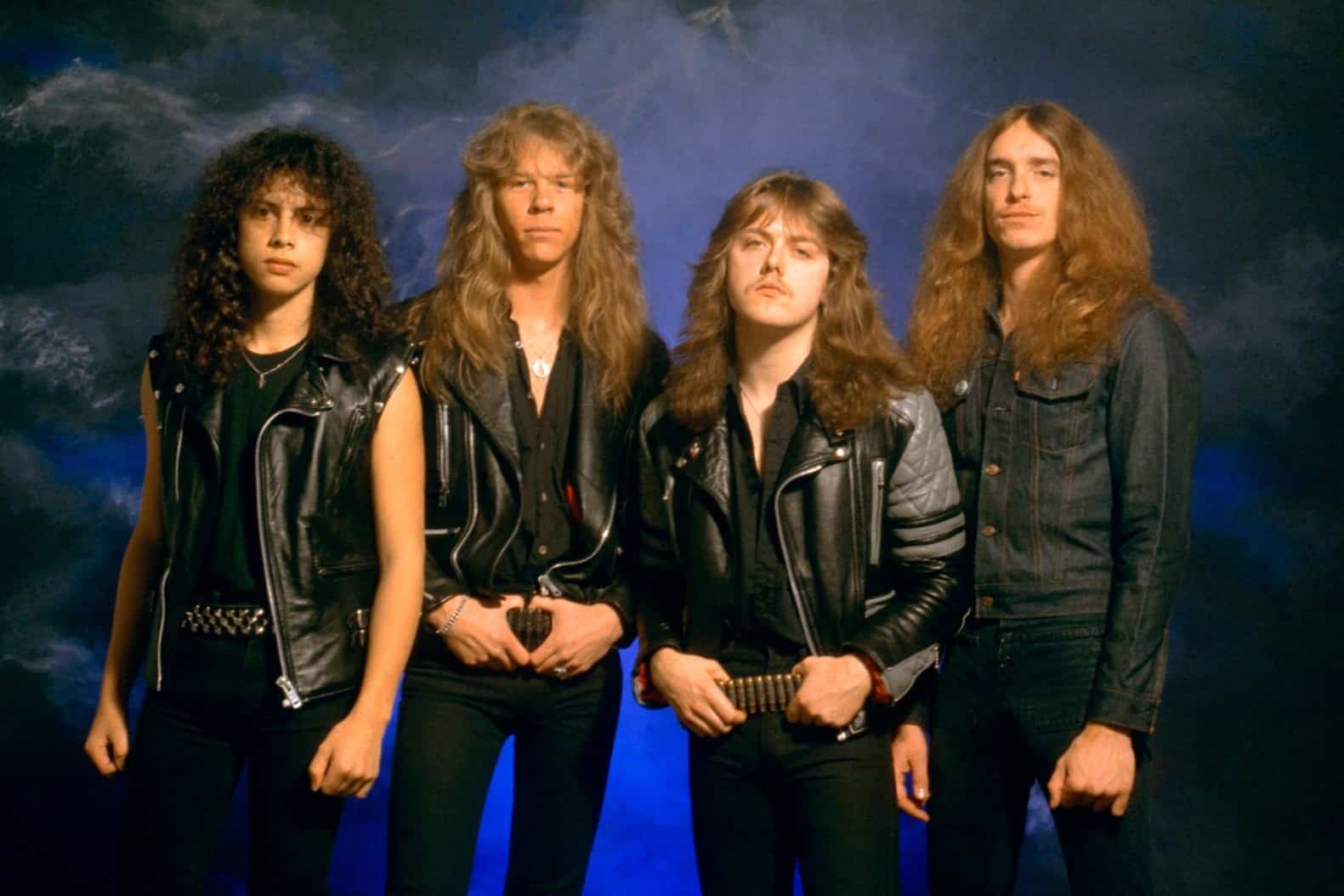
Metallica is one of the most influential and iconic heavy metal bands in the world. Formed in Los Angeles, California, in 1981, the band has had a profound impact on the genre and has amassed a dedicated global fanbase. Metallica is known for its powerful and aggressive music, marked by intricate guitar work, thunderous drums, and lyrics that often explore a wide range of themes, including social and political issues.
The band’s original lineup consisted of James Hetfield (vocals and rhythm guitar), Lars Ulrich (drums), Dave Mustaine (lead guitar), and Ron McGovney (bass). However, over the years, the lineup has seen several changes, with Kirk Hammett replacing Dave Mustaine as the lead guitarist in 1983, and Jason Newsted and later Robert Trujillo taking over bass duties.
Metallica’s breakthrough came with their third album, “Master of Puppets” (1986), which is widely considered one of the greatest heavy metal albums of all time. The band continued to gain popularity with albums like “…And Justice for All” (1988) and their self-titled album, commonly referred to as “The Black Album” (1991).
Some of their most iconic songs include “Enter Sandman,” “Master of Puppets,” “One,” “Fade to Black,” and “The Unforgiven.” Their music often combines elements of thrash metal, hard rock, and even classical music, showcasing their diverse influences and musical range.
Metallica’s live performances are known for their high energy and elaborate stage setups. The band has also played a significant role in popularizing heavy metal music and culture, and they are credited with bringing the genre to a mainstream audience.
Throughout their career, Metallica has won numerous awards, including multiple Grammy Awards, and they have sold over 125 million records in the United States alone, making them one of the best-selling music artists of all time. Their influence on heavy metal and rock music continues to be felt, and they remain a prominent force in the music industry.
1. Orion
“Orion” is an instrumental track by the iconic heavy metal band Metallica. It appears on their 1986 album “Master of Puppets.” Known for its intricate musical composition and its status as one of Metallica’s most celebrated instrumentals, “Orion” is a showcase of the band’s musical prowess and ability to craft complex, progressive, and emotionally resonant compositions.
The song is characterized by its rich and dynamic instrumental arrangement, featuring multiple guitar harmonies, intricate basslines, and powerful drumming. It’s a piece that seamlessly blends heavy metal with progressive and classical influences, demonstrating Metallica’s versatility and innovative approach to their craft.
“Orion” is often considered a tribute to the band’s late bassist, Cliff Burton, who tragically died in a bus accident in 1986. Burton’s bass guitar skills were a key component of Metallica’s sound, and “Orion” serves as a fitting homage to his musical legacy. The song features a prominent bass solo in the middle section, showcasing Burton’s virtuosity and his profound impact on the band.
The title “Orion” refers to the constellation in the night sky, and the song’s music and atmosphere evoke a sense of cosmic and otherworldly grandeur. “Orion” is a departure from the traditional song structure with vocals, and it has been praised for its intricate composition, making it a standout piece in Metallica’s catalog.
Over the years, “Orion” has become a fan favorite and a staple of Metallica’s live performances. It remains an enduring testament to the band’s musical excellence and the lasting influence of their music on the heavy metal genre.
2. The Unforgiven
“The Unforgiven” is a song by the American heavy metal band Metallica. It was released as a single from their 1991 self-titled album, commonly referred to as “The Black Album.” The song is notable for its combination of heavy metal and rock elements with introspective and emotional lyrics, making it one of Metallica’s most recognizable and enduring tracks.
Lyrically, “The Unforgiven” explores themes of individualism, self-discovery, and the struggle for personal freedom. It tells the story of a person who has been held back by others but ultimately decides to break free from societal expectations and limitations. The song’s title and lyrics suggest a sense of redemption and the pursuit of self-acceptance.
Musically, “The Unforgiven” features a more melodic and subdued sound compared to many of Metallica’s earlier, more aggressive tracks. It incorporates acoustic and electric guitar elements, as well as orchestral arrangements, creating a dynamic and emotionally charged atmosphere. The song showcases James Hetfield’s emotive vocals and the band’s ability to craft powerful ballads with a thought-provoking message.
“The Unforgiven” was a commercial success and remains a fan favorite, often performed by Metallica in their live shows. It’s the first in a series of three songs, followed by “The Unforgiven II” on the album “Reload” and “The Unforgiven III” on “Death Magnetic,” continuing the theme and musical style of the original.
The song’s introspective and philosophical lyrics, combined with its memorable musical composition, have made “The Unforgiven” a significant part of Metallica’s discography and a testament to the band’s ability to evolve and experiment while staying true to their core identity as a pioneering heavy metal group.
3. Nothing Else Matters
“Nothing Else Matters” is a renowned rock ballad by the American heavy metal band Metallica. Released in 1992 as part of their self-titled album, commonly known as the “Black Album,” the song is considered one of Metallica’s most iconic and enduring compositions.
The lyrics of “Nothing Else Matters” delve into themes of introspection, vulnerability, and personal connection. Written by Metallica’s lead vocalist and rhythm guitarist, James Hetfield, the song reflects on the importance of trust and openness in a romantic relationship.
Musically, the song is characterized by its melodic and emotive guitar work, particularly in the introspective opening. The juxtaposition of soft, introspective verses and powerful, anthemic choruses gives the song a dynamic quality that resonates with listeners.
“Nothing Else Matters” showcases a departure from Metallica’s more aggressive and thrash-oriented style, displaying their versatility as musicians. The song’s universal themes and emotive delivery have made it a favorite among fans of various musical tastes.
Over the years, “Nothing Else Matters” has become a staple in Metallica’s live performances and is often considered one of their signature tracks. Its enduring popularity and impact on listeners around the world attest to its status as a timeless classic in the rock music canon.
4. Master Of Puppets
“Master of Puppets” is one of the most iconic and revered songs by the American heavy metal band Metallica. It is the title track from their 1986 album, which is widely regarded as a classic of the heavy metal genre. The song is known for its intense and intricate musical composition, powerful lyrics, and dark themes.
Lyrically, “Master of Puppets” explores themes of control, addiction, and the destructive forces of substance abuse. The song portrays the feeling of being manipulated and enslaved by external forces, such as drugs or other vices, and the struggle to break free from their grip. The metaphor of the “master of puppets” suggests a puppeteer who pulls the strings and controls the marionettes, symbolizing the power that external influences can have over an individual.
Musically, “Master of Puppets” is characterized by its fast and aggressive guitar riffs, complex instrumental sections, and a driving rhythm. It is a showcase of Metallica’s technical prowess and their ability to craft intricate compositions. The song features extended instrumental sections, including guitar solos and a blistering double-bass drum section, which contribute to its intense and energetic sound.
“Master of Puppets” is a fan favorite and a staple of Metallica’s live performances. It has become an anthem for the band and a defining track in the heavy metal genre. The album of the same name is also considered one of the greatest and most influential metal albums of all time.
The song’s lasting impact on the world of heavy metal and its powerful portrayal of inner struggles and addiction continue to resonate with fans and music enthusiasts. “Master of Puppets” is a timeless classic that has left an indelible mark on the history of rock and metal music.
5. One
“One” is a powerful and iconic song by the American heavy metal band Metallica. It was released in 1988 as a part of their album “…And Justice for All.” The song is known for its complex musical structure, emotionally charged lyrics, and intricate guitar work.
Lyrically, “One” is inspired by the 1938 novel “Johnny Got His Gun” by Dalton Trumbo, which tells the story of a soldier who is severely wounded in World War I and left in a state of total sensory deprivation. The song explores themes of isolation, despair, and the horrors of war.
Musically, “One” is characterized by its dynamic shifts, including a haunting acoustic introduction that gives way to intense, high-energy sections. The song’s memorable guitar solos, performed by James Hetfield and Kirk Hammett, are particularly notable, showcasing their exceptional musical talent.
The music video for “One” is also notable, featuring footage from the 1971 film adaptation of “Johnny Got His Gun” combined with performance clips of the band. The video’s stark imagery and powerful message further amplified the impact of the song.
“One” is widely regarded as one of Metallica’s greatest achievements and a masterpiece in the heavy metal genre. It has received critical acclaim and remains a fan-favorite, frequently cited as one of the best metal songs of all time. The song’s enduring popularity and cultural significance have solidified its place in the annals of rock and metal music history.
6. Spit Out The Bone
“Spit Out the Bone” is a song by the American heavy metal band Metallica. It appears on their 2016 album “Hardwired… to Self-Destruct.” The track is known for its intense and fast-paced sound, making it a throwback to the band’s earlier, more thrash-oriented style.
Lyrically, “Spit Out the Bone” delves into themes of dystopia, technological control, and the potential consequences of humanity’s reliance on artificial intelligence and automation. The song paints a grim picture of a future in which machines and technology have become the masters, controlling and dehumanizing society. The lyrics express a desire to fight against this oppressive future and to preserve humanity.
Musically, “Spit Out the Bone” is a relentless and aggressive piece characterized by fast guitar riffs, powerful drumming, and a thundering bass line. The song’s pace and energy are reminiscent of Metallica’s earlier thrash metal classics, and it’s been praised for its return to the band’s roots.
“Spit Out the Bone” has been well-received by fans and critics alike, and it has become a standout track on “Hardwired… to Self-Destruct.” It’s often featured in the band’s live performances, offering a high-energy and intense experience for fans.
The song’s themes of technological dystopia and the battle to retain human identity in the face of automation reflect modern anxieties and continue to resonate with Metallica’s audience, showing the band’s ability to address contemporary issues while staying true to their signature sound.
7. For Whom The Bell Tolls
“For Whom the Bell Tolls” is a song by the American thrash metal band Metallica. It was released in 1984 as a track from their critically acclaimed album “Ride the Lightning.”
The title and lyrics of the song are inspired by Ernest Hemingway’s novel of the same name, which is set during the Spanish Civil War. The novel explores themes of death, sacrifice, and the human cost of conflict. Metallica’s song similarly delves into these themes, offering a reflection on mortality and the impact of war.
Musically, “For Whom the Bell Tolls” is characterized by its distinctive bass introduction, played by Cliff Burton, and its powerful, driving rhythm. The song’s memorable guitar riffs, courtesy of James Hetfield and Kirk Hammett, contribute to its intense and anthemic sound.
The song’s composition and arrangement showcase Metallica’s ability to combine melodic elements with aggressive thrash metal, creating a dynamic and impactful listening experience. The distinctive bell tolling sound at the beginning of the song adds a haunting atmosphere, further emphasizing the gravity of the subject matter.
“For Whom the Bell Tolls” has become one of Metallica’s most beloved and enduring tracks. It remains a staple in their live performances and is often considered a highlight of their discography. The song’s cultural significance and enduring popularity have solidified its status as a classic in the realm of heavy metal music.
8. Creeping Death
“Creeping Death” is a classic song by the American heavy metal band Metallica. It was released on their 1984 album “Ride the Lightning” and has since become a fan favorite and a staple in the band’s live performances. The song is known for its intense and aggressive sound, showcasing Metallica’s signature thrash metal style.
Lyrically, “Creeping Death” draws inspiration from the biblical story of the Ten Plagues of Egypt, specifically focusing on the final plague, where the Angel of Death is sent to kill the firstborn sons of Egypt. The song’s lyrics describe this dramatic event, with the repeated refrain of “Die by my hand” emphasizing the deadly nature of the Angel of Death. The chorus of “Die, die, die, by my hand” has become an iconic and memorable part of the song.
Musically, “Creeping Death” features fast and relentless guitar riffs, a powerful rhythm section, and James Hetfield’s characteristic aggressive vocals. The song’s energetic and pounding sound has made it a crowd-pleaser at Metallica’s concerts, often eliciting enthusiastic audience participation.
“Creeping Death” is one of the defining tracks of Metallica’s early career and their emergence as pioneers of the thrash metal genre. It remains a timeless classic in the band’s catalog and has left an indelible mark on the history of heavy metal music. The song’s vivid storytelling, aggressive sound, and memorable chorus make it a standout piece in the world of rock and metal.
9. The Memory Remains
“The Memory Remains” is a song by the American heavy metal band Metallica. It was released in 1997 as a single from their album “Reload.” The song features guest vocals from Marianne Faithfull, a British singer and actress known for her distinctive, husky voice.
Lyrically, “The Memory Remains” explores the idea of fame and its fleeting nature. The lyrics suggest that even when fame fades, the memories of it linger on. The song’s title reflects the enduring impact that past success and notoriety can have on an individual.
Musically, “The Memory Remains” is characterized by its catchy, memorable chorus and the haunting quality of Marianne Faithfull’s vocals. The song’s composition blends elements of heavy metal with a melodic, radio-friendly sound, showcasing Metallica’s ability to experiment with different musical styles.
The music video for “The Memory Remains” features a surreal, circus-like setting, which complements the theme of faded glory and the remnants of a once-great spectacle. The video’s visuals, combined with the song’s memorable melody, contributed to its popularity.
“The Memory Remains” remains a fan-favorite and is often performed by Metallica in their live shows. It stands as a testament to the band’s willingness to explore new musical territories and experiment with their sound. The song’s enduring popularity attests to its status as a notable entry in Metallica’s discography.
10. Enter Sandman
“Enter Sandman” is one of the most iconic and recognizable songs by the American heavy metal band Metallica. It is the opening track from their 1991 self-titled album, commonly referred to as “The Black Album.” The song’s powerful and memorable riff, along with its anthemic quality, has made it a rock classic and a staple in the band’s live performances.
Lyrically, “Enter Sandman” delves into themes of nightmares, fear, and childhood innocence. The lyrics tell the story of a child’s bedtime prayer and the potential transformation of innocent dreams into night terrors. The line “Exit light, enter night, take my hand, we’re off to never-never land” serves as the song’s chorus and has become one of the most iconic and recognizable phrases in rock music.
Musically, “Enter Sandman” is characterized by its distinctive and heavy guitar riff, courtesy of Kirk Hammett, and its powerful rhythm section. The song features James Hetfield’s characteristic vocals and showcases Metallica’s ability to craft a memorable and accessible hard rock song while maintaining their signature heavy sound.
“Enter Sandman” was a commercial success and played a significant role in bringing heavy metal to a mainstream audience. The song’s music video, which features a young boy experiencing a series of nightmarish scenarios, also received widespread attention.
The song’s lasting impact, both as a rock anthem and as a representation of Metallica’s ability to craft accessible yet powerful music, has solidified its place as one of the band’s most iconic and end

Edward Tomlin is a frequent contributor to Singers Room. Since 2005, Singersroom has been the voice of R&B around the world. Connect with us via social media below.









