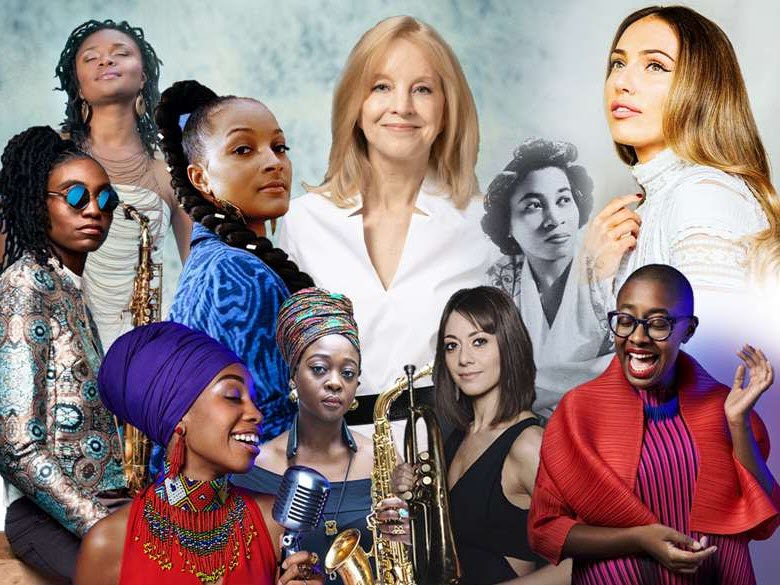
Jazz artists are musical innovators and creative visionaries who have shaped and redefined the genre throughout its history. From the early roots of New Orleans jazz to the avant-garde movements of the 20th century, jazz artists have pushed boundaries, embraced improvisation, and created a vast and diverse landscape of musical expression.
At the heart of jazz is the spirit of individuality and self-expression, and jazz artists embody this ethos. They are masters of their instruments, demonstrating technical virtuosity and a deep understanding of harmony, rhythm, and melody. Jazz artists possess the ability to spontaneously create intricate improvisations, weaving together complex musical ideas in real-time.
Throughout the decades, countless jazz artists have left an indelible mark on the genre. From the iconic sounds of Louis Armstrong and Duke Ellington to the groundbreaking innovations of Charlie Parker and John Coltrane, these pioneers have influenced generations of musicians and continue to be celebrated for their contributions to jazz.
Jazz artists thrive in collaborative environments, engaging in spirited musical dialogues with their fellow musicians. Whether performing in small combos or large ensembles, they demonstrate an intuitive understanding of collective improvisation, engaging in dynamic interplay and creating mesmerizing musical conversations.
Jazz artists also embrace a wide range of styles and influences, blending elements of blues, swing, bebop, cool jazz, fusion, and more. They experiment with new harmonies, unconventional rhythms, and novel approaches to instrumentation, constantly pushing the boundaries of what jazz can be.
Beyond their instrumental or vocal prowess, jazz artists embody a deep emotional connection to the music. They have the ability to convey a wide range of emotions, from joy and exuberance to introspection and melancholy, allowing listeners to embark on a sonic journey of feelings and experiences.
Jazz artists are cultural ambassadors, bridging gaps between different musical traditions and inspiring musicians and audiences across the globe. Their creativity, innovation, and commitment to artistic exploration have made jazz a universal language of expression and a powerful force in the world of music.
1. Louis Armstrong
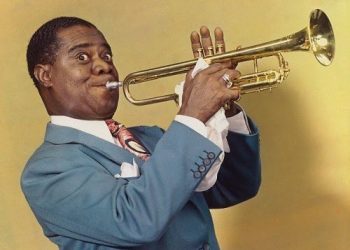
Louis Armstrong – the renowned jazz artist, known for his exceptional trumpet skills and iconic voice – is revered as one of the greatest musicians ever. His contributions to jazz are incomparable, leaving an unforgettable imprint on the genre. Let's introduce some intriguing facts about this remarkable figure!
Born on August 4th, 1901 in New Orleans, Louisiana, Armstrong was a master of the trumpet and renowned for his improvisation, soulful vocals, and stage presence. Despite the racial discrimination he encountered during his career, he broke boundaries and became an important figure in both jazz and popular music.
It's time to explore the timeless music of Louis Armstrong. Delve into his legacy and discography, feel the emotion pulsing through his trumpet solos, and witness the joyous energy of his performances. Don't miss out on experiencing the unique magic of Louis Armstrong! Step into his world and let his melodies transport you to a time when jazz music was at its peak. Appreciate why he remains one of the greatest jazz artists of all time and let his music sweep you off your feet!
2. Duke Ellington
Charlie Parker: Where jazz meets birdwatching! This saxophonist was renowned for tweeting melodies that left listeners in a flurry of musical joy.
Duke Ellington: A legendary jazz artist, Duke remains one of the most influential figures in the genre's history. His musical prowess and pioneering compositions have confirmed his status as a true jazz icon.
Let's take a closer look at this remarkable musician with an insightful table that highlights his accomplishments:
| Artist | Birthdate | Nationality | Notable Works |
|---|---|---|---|
| Duke Ellington | April 29, 1899 | American | "Take the A Train" |
Duke Ellington brought jazz a fresh outlook with his unveiling of new layers of creativity and sophistication. His music embraced various styles and sounds, while transcending boundaries.
An interesting tidbit about Duke Ellington is his ability to seamlessly blend different elements into his compositions. From incorporating classical influences to experimenting with complex harmonies, he revolutionized jazz music.
The origin of Duke's nickname is quite intriguing. Edward Kennedy Ellington acquired it as a child due to his classy manners and refined air. This moniker would eventually become synonymous with greatness in the world of jazz.
Thanks to Duke Ellington's immeasurable talent and boundary-breaking approach, his impact on jazz is indisputable. His influence still lives on today, inspiring countless artists and molding the genre for generations to come.
3. Charlie Parker
Charlie Parker – a legendary jazz artist – revolutionized the genre with his virtuosic saxophone playing and unique approach to melody. Born on August 29, 1920 in Kansas City, Kansas, U.S., this iconic musician made a huge impact on the world of music.
Bebop, a complex and fast-paced style that emerged in the 1940s, was greatly influenced by Charlie Parker. His improvisational skills and innovative use of harmony and rhythm set him apart from other musicians. His melodic phrasing and inventive solos still inspire aspiring jazz artists today.
Delve into Charlie Parker's discography to get a better understanding of his artistry. Tracks like "Ornithology" and "Confirmation" showcase his technical brilliance and creative genius. Live recordings allow listeners to experience the energy and spontaneity of his performances.
To further appreciate Charlie Parker's music, consider studying his transcriptions or taking lessons from experienced jazz educators. Additionally, listening to other bebop pioneers and contemporaries can broaden one's understanding of the genre. Musicians such as Dizzy Gillespie, Thelonious Monk, and Bud Powell played an important role in forming bebop alongside Parker.
Charlie Parker's artistic legacy has left a lasting impression on the jazz world. His groundbreaking compositions and unmatched improvisational skills will always be remembered and admired. To truly appreciate his influence, aspiring jazz musicians should embrace his music and study his techniques – this will foster growth and creativity.
4. Miles Davis
Miles Davis, the legendary jazz artist, takes the spotlight as the fourth entry on the list. Let's delve into his fascinating life and career. Explore his musical genius and contributions to the genre.
We'll uncover some unique details about Miles Davis. He's known for his innovative approach to improvisation and ability to cross musical boundaries. He pushed the limits of jazz with groundbreaking albums like "Kind of Blue" and "Bitches Brew". Fusing traditional jazz with elements of rock and electronic music set him apart.
Innovative and influential, Miles Davis continues to inspire future generations. His timeless classics transport us to a world where music knows no bounds. Don't miss out on exploring his incredible repertoire.
5. John Coltrane
John Coltrane, a jazz icon, is renowned as one of the greatest musicians ever. His improvisational skills and take on jazz mesmerize audiences around the world.
His albums such as 'A Love Supreme', 'Giant Steps', and 'Blue Train' demonstrate his talent on the saxophone. He was paramount in inventing modal jazz and free jazz, crafting something new and challenging the established music norms. His iconic album 'A Love Supreme' is a testament to his genius.
If you're yet to be acquainted with John Coltrane's musical journey, then now is the time. Listen to his captivating tunes and feel the depths of emotion his music conveys. Don't miss out on experiencing the brilliance of one of the most iconic jazz artists of all time!
Ella Fitzgerald, the "Queen of Jazz", had a voice so astounding that even birds were envious and began practicing scales.
6. Ella Fitzgerald
Ella Fitzgerald, an icon of jazz music, amazed with her voice and scat singing. Her skill at improvisation gave each performance a unique touch. Ella was known as the "First Lady of Song," and her career spanned many years. She could easily transition between swing, bebop and big band.
Ella's improvisational talent was remarkable. She'd add her own twist to classic jazz standards, or scat, and always captivate listeners. At the Apollo Theater in Harlem in 1954, she forgot the lyrics to the popular song "Mack the Knife." But, she didn't falter. Instead, she improvised with new lyrics, charming the audience.
Ella Fitzgerald's influence on jazz is immeasurable. She had a remarkable vocal range, effortless improvisation and undeniable charisma – making her one of the best jazz artists of all time.
7. Billie Holiday
Dizzy Gillespie, the 7th artist on the list of the best jazz artists ever, was a jazz sensation who filled the air with his sweet trumpet-playing. He was renowned for his dynamic performances and captivating style.
Here's a table that highlights some key facts about Dizzy Gillespie:
| Category | Information |
|---|---|
| Birth Name | John Birks Gillespie |
| Birth Date | October 21, 1917 |
| Place of Birth | Cheraw, South Carolina, U.S. |
| Genre | Jazz |
| Notable Songs | "Salt Peanuts," "Night in Tunisia" |
In spite of his tremendous success, Gillespie encountered many obstacles. He was subject to racial discrimination and legal issues. Nevertheless, he kept creating music that resonated with fans around the world.
An interesting fact about Gillespie is that his track "Night in Tunisia" is considered one of the most influential jazz compositions of all time. It was inspired by a song from Tunisia and was a tribute to the African-American struggle for freedom.
8. Dizzy Gillespie
The legendary jazz artist, Dizzy Gillespie, is renowned among jazz greats. Let's get to know this influential musician better! His birth name: John Birks Gillespie. He was born on October 21, 1917 in Cheraw, South Carolina, US. Genres include jazz and bebop. He was an extraordinary trumpet player, composer and bandleader.
Dizzy Gillespie's unique style was formed by combining complex harmonies with Latin rhythms and his signature bent horn and puffed-up cheeks while playing. He made a massive contribution to the development of bebop music. Despite facing racial prejudice, his talent spoke for itself. He collaborated with other jazz greats like Charlie Parker and Thelonious Monk, constantly pushing the boundaries of traditional jazz. His iconic composition, "A Night in Tunisia", is a must-listen.
To understand Dizzy Gillespie's true influence on our cultural heritage, immerse yourself in his timeless recordings. Let his vibrant melodies invigorate your soul and inspire you to explore the depths of jazz. Discover the brilliance of his music or re-discover it, and let it transport you into a world of rhythm and emotion. Let the sounds of his trumpet captivate your senses, leaving an indelible mark on your musical journey.
Don't forget the maestro of swing, Count Basie; he can even make a cocktail napkin tap its toes and crave for a martini!
9. Count Basie
Count Basie, the world-renowned jazz artist, is at number 9 on the all-time greats list. His sound was a mix of swing and blues, captivating people everywhere.
He was born William James Basie on August 21, 1904 in Red Bank, New Jersey, U.S. His genres were Jazz, Swing and Big Band. He played the piano, organ, saxophone, clarinet and sang. He was active from 1923 to 1984.
Count Basie and his Orchestra performed at famous places such as the Savoy Ballroom and Apollo Theater. He had a minimalistic style of piano playing which created a powerful rhythm section with his band. Count Basie's influence is still influencing jazz music today.
He won nine Grammy Awards for his contributions to jazz music. Thelonious Monk, another jazz master, had an unusual and idiosyncratic piano playing which was like his fingers were moonwalking.
10. Thelonious Monk
Thelonious Monk holds the 10th position on the list of renowned jazz artists. His contribution to jazz is immeasurable and his style is unique. Let's dive into his life and career.
Born: October 10, 1917
Died: February 17, 1982
Nationality: American
Main Instrument: Piano
Genres: Jazz, bebop, hard bop, post-bop
Notable Works: "'Round Midnight", "Well, You Needn't", "Straight, No Chaser"
Theolonious Monk revolutionized jazz with his creative approach to composition and improvisation. His use of dissonance and angular melodies was distinct.
He faced obstacles throughout his career. In 1961, he lost his cabaret card due to an arrest on drug charges. This prevented him from performing in New York City venues for several years. Despite this, Monk continued to compose and record music, demonstrating his dedication to jazz.
Thelonious Monk's influence lives on today. His style and contributions make him one of the greatest jazz musicians of all time. Dave Brubeck had piano skills that would even make a metronome question its purpose in life.
11. Dave Brubeck
Dave Brubeck, the jazz legend, was an American pianist and composer. His style and melodies have left a lasting impact on jazz. Let's take a look at his life and work.
| Born | December 6, 1920 |
| Died | December 5, 2012 |
| Main Instrument | Piano |
| Famous Albums | 'Time Out', 'Take Five', 'Brubeck Plays Brubeck' |
Brubeck was open to experimenting. He didn't just stick to jazz. He blended classical music into his compositions. His album "Time Out" had unusual time signatures like 5/4 and became very popular.
He stirred up controversies by supporting racial integration during the civil rights movement. But he still kept pushing boundaries with his music.
Discover Dave Brubeck's unique mix of jazz and rhythms. Enjoy his discography and be captivated by the brilliance of this iconic musician. Also, marvel at Charles Mingus' precision and skill with the double bass – making it look like a regular-sized instrument in his giant hands!
12. Charles Mingus
Charles Mingus – an iconic figure in the jazz world. His talent and compositions have left a mark. Let's get to know him better.
| Artist Name | Charles Mingus |
|---|---|
| Birthdate | April 22, 1922 |
| Nationality | American |
| Main Instrument | Double bass |
| Key Achievements | Blended bebop, gospel, & classical music; albums like "Mingus Ah Um" & "The Black Saint and the Sinner Lady" |
Mingus pushed boundaries. He blended elements from various genres, inspired by blues & gospel. He created a unique sound.
Pro Tip: To appreciate his work, explore his discography. Each album shows his growth – a glimpse of his genius. Sonny Rollins – the sax master – will blow you away with his talent. But stay back – you might get blown away too!
13. Sonny Rollins
Theodore Walter "Sonny" Rollins, the renowned American jazz artist, is ranked 13th among the best jazz artists of all time. His iconic contributions to jazz still resonate today.
Sonny Rollins' amazing career and achievements:
- Birth Name: Theodore Walter "Sonny" Rollins
- Birthplace: New York City, U.S.
- Instrument: Tenor Saxophone
- Active Years: 1949 – Present
Sonny Rollins has earned tons of praise for his improvisational style and soulful melodies. His dynamic performances have lasted decades, leaving a permanent impression on the jazz world.
Pro Tip: Listen to Sonny Rollins' discography to experience his immense depth and versatility as a jazz great.
14. Sarah Vaughan
Sarah Lois Vaughan, famously known as "The Divine One," was a remarkable jazz vocalist and pianist. She had a velvety tone, a remarkable range, and excellent improvisational abilities.
Sarah often accompanied herself on the piano while singing, adding more intricacy to her performances. She effortlessly shifted between different jazz genres – from bebop to pop to R&B – yet retained her unique sound.
Not only was she a highly-praised artist, but she was also the first black woman to win a Grammy Award for "Best Female Vocal Performance." This remarkable feat opened the door for future African American musicians.
Sarah Vaughan's impact on jazz music can never be overstated. Her combination of technical skill and emotional depth left a lasting impression on listeners worldwide. Even after her passing in 1990, her legacy continues to live on as a symbol of jazz and a source of inspiration for upcoming artists.
15. Art Blakey
Art Blakey, a jazz legend, holds the 15th spot on our 'Best Jazz Artists of All Time' list. Let's find out more about this influential musician and his influence on jazz.
Birth: October 11, 1919
Death: October 16, 1990
Instrument: Drums
Genre: Hard bop, bebop
Notable works: Moanin', A Night in Tunisia
Blakey co-founded the Jazz Messengers. This group gave young talents like Wayne Shorter and Wynton Marsalis a platform to shine. Blakey's hard-hitting style and ability to bring out the best in his band members made a mark on the jazz scene.
Another thing he was known for was mentoring young musicians. He encouraged them to discover their creativity. Blakey's dedication to nurturing emerging talent contributed to the evolution of jazz.
Something else interesting about Art Blakey is that he was an ambassador of African-American culture. During a time of racial tension, he used his music to bridge cultural divides and promote unity. He believed that jazz was a universal language that could bring people together.

Edward Tomlin is a frequent contributor to Singers Room. Since 2005, Singersroom has been the voice of R&B around the world. Connect with us via social media below.