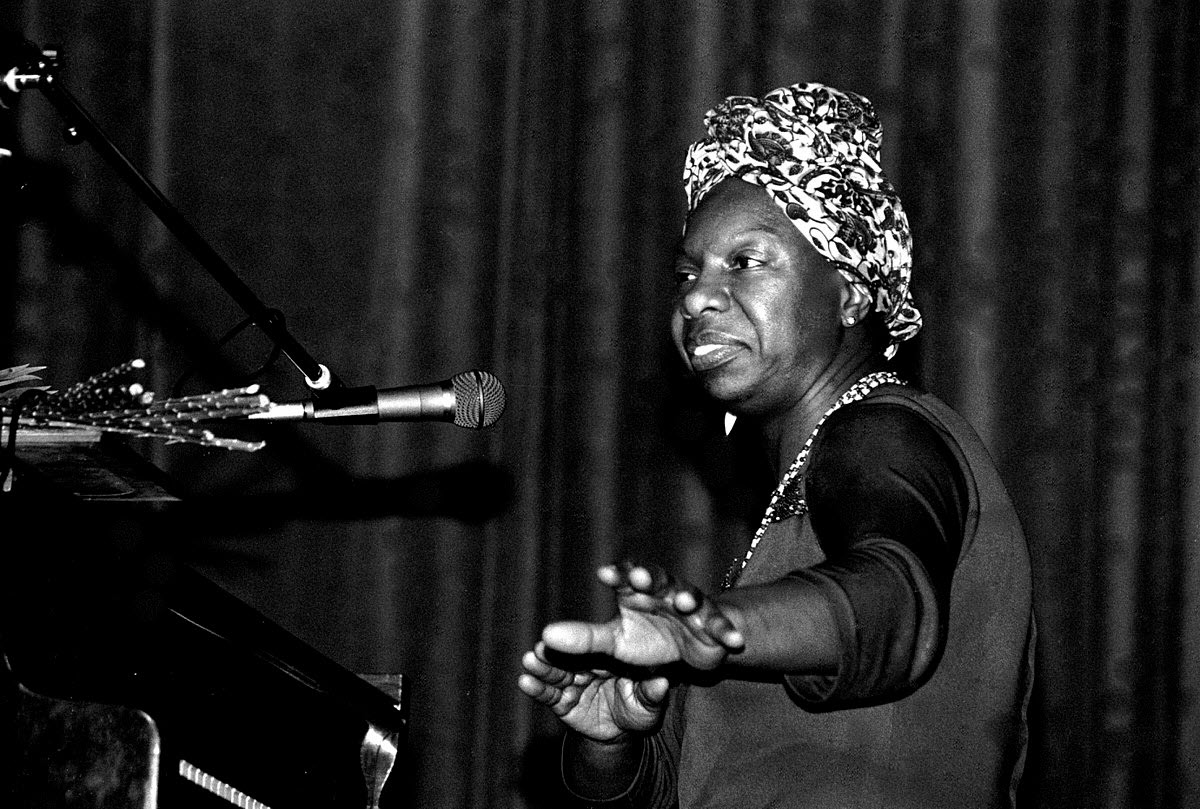
Nina Simone, born Eunice Kathleen Waymon, was an immensely talented and influential American singer, songwriter, pianist, and civil rights activist. She emerged as a prominent figure in the music industry during the mid-20th century and left an indelible mark on various genres, including jazz, blues, soul, gospel, and folk.
Born in 1933 in North Carolina, Nina Simone displayed prodigious talent as a classical pianist from an early age. However, faced with racial barriers and discrimination, she turned to popular music and began performing in clubs under the stage name Nina Simone. Her distinctive voice, combined with her virtuosic piano skills and deeply emotive interpretations, garnered attention and admiration from audiences and critics alike.
Simone’s repertoire encompassed a wide range of musical styles, and she effortlessly blended genres, creating a unique sound that defied categorization. Her performances were characterized by their intensity, passion, and ability to evoke a broad spectrum of emotions. Songs like “Feeling Good,” “I Put a Spell on You,” and “Sinnerman” became iconic examples of her powerful vocal delivery and interpretive prowess.
Beyond her musical contributions, Nina Simone used her platform to address and confront social and political issues of her time. She became deeply involved in the civil rights movement, advocating for racial equality, and singing songs that reflected the struggles and aspirations of African Americans. Tracks like “Mississippi Goddam” and “To Be Young, Gifted and Black” became anthems of the era and demonstrated her activism and commitment to social justice.
Nina Simone’s legacy extends far beyond her musical achievements. Her artistry, uncompromising spirit, and dedication to fighting injustice continue to inspire generations of musicians and activists. Her influence can be felt in the works of contemporary artists, and her impact on the music industry and civil rights movement remains profound and enduring.
1. My Baby Just Cares for Me
Nina Simone's "My Baby Just Cares for Me" is a timeless classic. It was released in 1958 and belongs to the genres of Jazz and Blues. It is part of the album "Little Girl Blue".
Many artists have covered this song due to its captivating melody and lyrics. It has also been featured in films and commercials.
Initially, it went unnoticed, but gained immense popularity when it was used in a 1980s Chanel No. 5 commercial. Now, it is one of Simone's most recognized songs worldwide.
Feeling Good? Put on Nina's version and dance like you just won the lottery!
2. Feeling Good
Feeling Good is an iconic song by Nina Simone. Its catchy melody and meaningful lyrics make it a timeless classic. Let's take a look at why this song is so special!
- It has an upbeat sound and strong vocals that bring out a feeling of positivity and strength.
- The lyrics create a vivid image of self-discovery and enjoying life's small moments.
- It mixes jazz, soul, and R&B to show Nina Simone's artistic versatility.
- It's been covered by many, but Nina's version stands out with its emotional depth and authenticity.
Apart from its musical greatness, Feeling Good also bears historic importance. It was written for 1965's "The Roar of the Greasepaint – The Smell of the Crowd" musical, but gained recognition when Nina released her version in 1966.
Therefore, Feeling Good serves as a reminder of Nina Simone's immense talent and its timeless message encourages us to stay hopeful and resilient.
3. Don’t Let Me Be Misunderstood
Text:
Nina Simone's 'Don't Let Me Be Misunderstood' is a powerful and emotional song showcasing her soulful voice. The lyrics express the fear of being misunderstood and the longing for understanding and compassion. Everyone can relate to this song, as it speaks of a universal experience.
Song: 'Don't Let Me Be Misunderstood'
Artist: Nina Simone
Album: "Broadway-Blues-Ballads"
Year: 1964
Genre: Jazz, blues
Pro Tip: Best appreciate Nina Simone's talent by exploring her live performances of this song. These recordings capture the intensity and passion she brings to each rendition.
I Wish I Knew How It Would Feel To Be Free. After listening to Nina Simone's soul-stirring rendition, I still don't know. But this song makes me want to break free from the mundane!
4. I Wish I Knew How It Would Feel To Be Free
Nina Simone's iconic song, "I Wish I Knew How It Would Feel To Be Free," expresses a longing for liberation. Her soulful vocals and emotive delivery capture the essence of this profound desire.
Simone paints a vivid picture of freedom from societal constraints. She lyrically conveys the universal yearning for liberation, touching on themes of self-discovery, empowerment, and the pursuit of personal truth.
Her impassioned rendition fuels the listener's imagination, inspiring them to reflect on their own desires for liberation and questioning what it truly means to be free. This remarkable piece stands as a testament to Simone's enduring talent and profound impact on music.
Listen to the heartfelt intensity of "I Wish I Knew How It Would Feel To Be Free" and allow yourself to be transported by Nina Simone's unparalleled artistry. Contemplate what it means for you personally to experience true freedom.
Discover what it truly feels like to be free. Put on this extraordinary song and let it ignite your spirit with its message of liberation. Immerse yourself in the experience and be moved by one of Nina Simone's most powerful works.
5. I Put a Spell on You
Text: Nina Simone's 'I Put a Spell on You' is a mesmerizing tune. It ensnares listeners with its captivating melody and potent lyrics. Here's the low-down on this remarkable song:
| Genre | Soul, Blues |
| Release Year | 1965 |
| Album | 'I Put a Spell on You' |
| Lyricist | Screamin' Jay Hawkins |
| Length | 2 minutes and 36 seconds |
Let's delve into the unique details of 'I Put a Spell on You'. Nina Simone's rendition oozes raw emotion. The song's haunting atmosphere and Simone's talent make it stand out.
To get the most out of 'I Put a Spell on You', focus on Simone's soulful performance and her effortless transitions between notes. Also, take in the emotive lyrics that express deep longing. By immersing yourself in the music, you can appreciate the artistry behind this extraordinary composition.
6. Ain’t Got No, I Got Life
"Ain't Got No, I Got Life" is a renowned classic by the talented Nina Simone. Her powerful vocals and unique style shine in this song. It conveys the struggles of life while also showcasing the strength to overcome them.
Artist: Nina Simone
Album: 'Nuff Said!
Release Year: 1968
Genre: Soul
This track became an anthem for civil rights movements due to its captivating lyrics and delivery. It captures the essence of Nina Simone's artistry and her capability to relate to listeners.
Fun Fact: "Ain't Got No, I Got Life" was featured in the musical "Hair." Thanks to Nina Simone's adaptation, it achieved mainstream success (per Rolling Stone). "Sinnerman" is the only song that can make you dance and question your life choices simultaneously.
7. Sinnerman
"Sinnerman" is a spellbinding song by Nina Simone, highlighting her special talent and skill of combining genres, leaving listeners mesmerized by its intensity.
What makes it so special? Here are the details:
- Genre: Jazz, Gospel, Soul
- Released: 1965
- Length: 10:19 minutes
- Lyricist: Nina Simone
- Composer: Nina Simone (Traditional folk song)
The song's dynamic structure is captivating. It begins with a reflective piano intro and then builds up into an exciting crescendo. The mix of Nina Simone's soulful singing and the strong rhythm section creates a completely immersive experience.
Interesting fact: "Sinnerman" is from a traditional African-American spiritual song. It was first recorded by several artists in the early twentieth century. In her album, Four Women, Nina Simone proves that four powerful voices can shake the very foundations of society, and an entire album can shake our souls.
8. Four Women
Text:
Nina Simone's 'Four Women' song is powerful! It dives into the complex experiences of four African-American women. Each one represents a different aspect of black identity and history.
Aunt Sarah: A maid with a troubled past, scarred by slavery's legacy. Mezzo-Soprano vocal range.
Saffronia: A biracial woman, ashamed of her mixed heritage. Soprano vocal range.
Sweet Thing: A young prostitute struggling to survive. Alto vocal range.
Peaches: A proud and defiant woman. Refuses to be defined by society. Soprano vocal range.
Simone artfully combines jazz and soul elements to tell these stories. The melodies and lyrics transport listeners into their lives. We gain a deeper understanding of the racial inequality faced by these women.
We can also appreciate Simone's stunning vocal range. She switches octaves and conveys emotions through her voice. This can be an inspiration for all aspiring singers and musicians.
Youth, Gifted, and Black: Nina Simone's anthem that reminds us that being young, talented, and melanin-rich is the perfect recipe for success. It's also great for a dance party!
9. Young, Gifted, and Black
Nina Simone's classic "Young, Gifted, and Black" is a powerful anthem celebrating the resilience of the black community. Its soulful lyrics and captivating melodies make it one of her most beloved works. Let's explore its unique elements:
| 1. Lyrics | The lyrics are empowering and affirming, inspiring listeners to embrace their identity and persevere. |
| 2. Vocals | Nina Simone's vocal talent is powerful, emotional, and vulnerable. |
| 3. Musical Arrangement | Jazz, gospel, and soul blend together for a distinctive sound. |
| 4. Cultural Impact | This anthem became a symbol of the civil rights movement in the 1960s. |
The timeless message of "Young, Gifted, and Black" still resonates today. During a 1976 concert in Montreux, Nina Simone's passionate performance moved the audience to tears.
To sum it up, this song is a masterpiece that demonstrates Nina Simone's talent and dedication. It is an eternal anthem of strength and inspiration. Get ready to be moved as Nina Simone sings her way into your heart with 'Why? (The King of Love is Dead)'!
10. Why? (The King of Love is Dead)
In honor of the great Nina Simone, we take a look at the impacting and thought-provoking song "Why? (The King of Love is Dead)". This powerful song is about the assassination of civil rights leader Martin Luther King Jr.
See the details below:
- Album: 'Nuff Said!
- Writers: Gene Taylor, Larry Suggett
- Producer: Harold Leventhal
- Release date: 1968
- Genre: Soul, gospel
This song blends soul and gospel in a moving way. Nina Simone's voice captures the sorrow felt in America after Dr. King's death. It shows Simone's talent and all the African Americans fighting for equality. Her music expresses the collective grief and disbelief at the time.
Fun Fact: Nina Simone sang "Why? (The King of Love is Dead)" at the Westbury Music Fair only three days after Dr. King's assassination. The audience was captivated by her passionate performance.
Sources:
- – 'Nuff Said! album liner notes

Edward Tomlin is a frequent contributor to Singers Room. Since 2005, Singersroom has been the voice of R&B around the world. Connect with us via social media below.









