
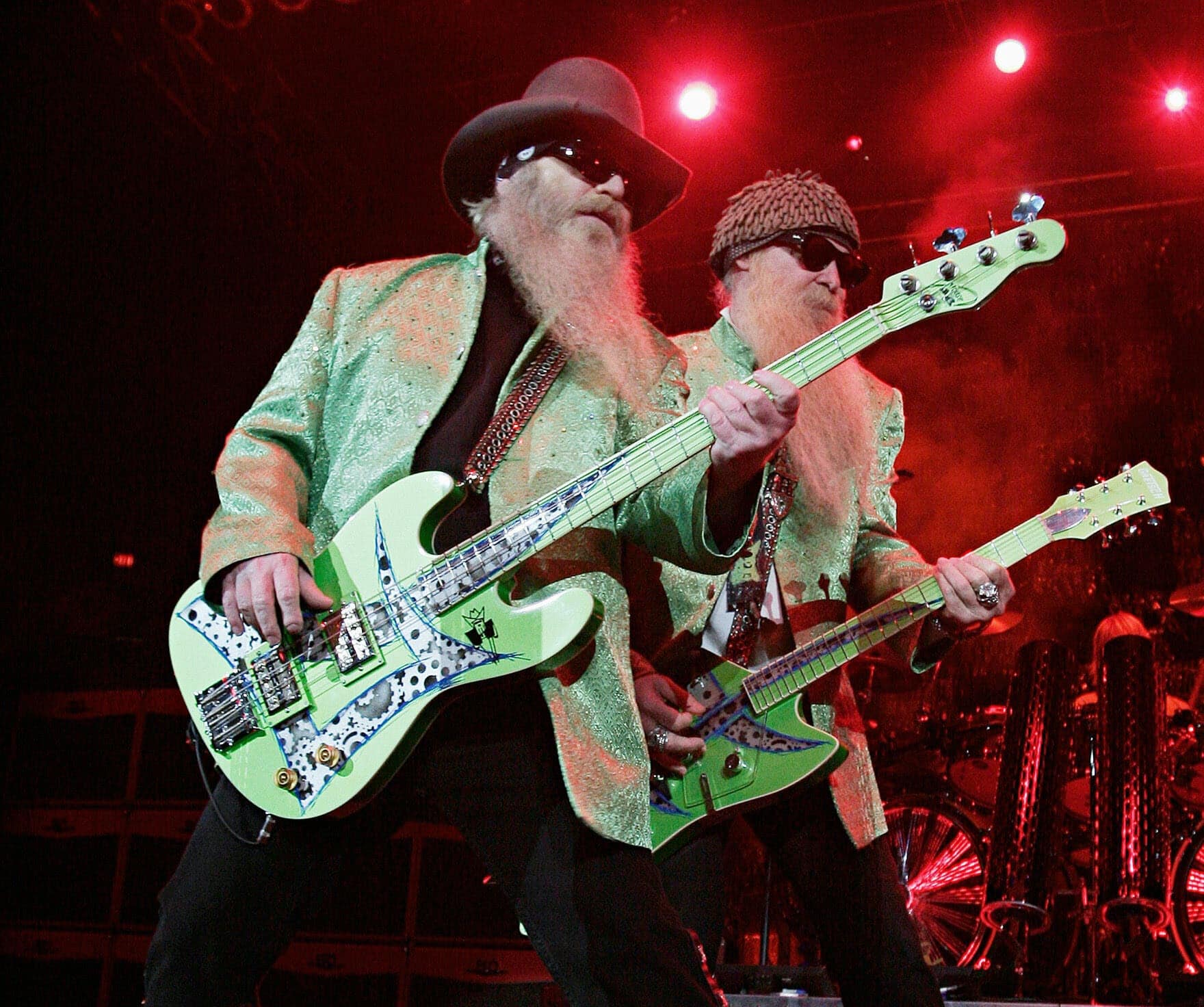
Texas grit meets chrome sheen. That is ZZ Top at full throttle. Three players learned the alchemy of space and swagger, turning a pocket into a highway and a riff into a grin you can hear from the next county. Their boogie can be sleazy or sleek, their hooks can lounge or lunge, and the tones always feel like hot wires under neon. These ten staples trace a line from juke joint grease to glossy MTV myth while keeping the same core truth. Keep it tight, keep it tough, and let the groove do the talking. Clean shades on. Engines ready.
1 La Grange
The first seconds are a promise. Billy Gibbons drags his pick across the strings and the amp says welcome to the room. Then the band slips into that eternal shuffle where drums breathe, bass strolls, and the guitar riff stalks like a panther that knows every step. La Grange is a master class in economy. There are only a few moving parts, yet the track feels alive with motion. Frank Beard places each snare like a tap on the shoulder and Dusty Hill’s line nudges the groove forward without crowding it. Gibbons works those two note punches and sly bends until the air starts to vibrate. What makes the performance immortal is tension. The vocal teases and the playing smirks, but the band holds back just enough, saving heat for tiny eruptions that feel like sparks in dry grass. The break opens the doors and suddenly the guitar is a coyote sprinting downhill, then it snaps back to the pocket as if nothing happened. You can hear roadhouse sawdust and studio finesse holding hands. It is blues made aerodynamic, boogie made sculptural, and proof that restraint can sound more dangerous than frenzy. Put it on a good system and the room tilts toward Texas.
2 Sharp Dressed Man
Studio polish meets barroom strut. Sharp Dressed Man rides a brisk pulse where the kick drum feels like polished boots on a sidewalk and the bass hums like a long car at idle. The guitars are cut to fit, all clipped chords and glassy harmonics that leave plenty of space for the hook to flash. Billy Gibbons sings with a sly smile, leaning into the title line with confident swing while Dusty Hill shadows the melody with a grin of his own. The blend of human groove and synthetic sheen is crucial. You can hear the band play inside a frame that is wide enough to hold radio gloss without losing grit. The solo is an engineer’s dream and a fan’s delight, phrases stacked in ladder shapes, tone thick and singing, then a clean return to the chorus like a gentleman adjusting a cufflink. Lyrically it is a celebration of presentation and the music dresses the part. Everything sparkles without becoming stiff. The bridge buys a breath, then the last minute doubles down on the chant until it feels like a street wide parade. This is ZZ Top building a bridge between jukebox boogie and global pop and doing it with effortless charm.
3 Gimme All Your Lovin’
The kick is a heartbeat, the synth is a low glow, and the guitar riff is a sign on the highway pointing straight at the chorus. Gimme All Your Lovin’ is streamlined desire, a three minute machine that purrs and pounces. Billy Gibbons phrases the verses like a note slid across a bar table. Then the hook arrives and the whole track seems to stand taller. Dusty Hill’s harmonies add velvet to the edges, and Frank Beard keeps the motion unhurried but inevitable. The production is a study in contrasts. There is polish everywhere, yet the guitars still spit sawdust when they need to. The solo splits the difference between swagger and melody, never wasting a note, never losing the grin. What elevates the cut is proportion. The band understands exactly how long to ride a section before dropping a new color into the frame. Handclaps and keyboard stabs appear like good company arriving at the right moment. This is classic seduction as arrangement. It asks nicely, it insists gently, and it leaves the room warmer than it found it. Play it while you drive at night and you will swear the streetlights are nodding along.
4 Legs
Legs moves like a customized coupe, all clean lines and chrome. The beat is precise but never cold, a dance floor pulse that invites shoulder movement as much as footwork. Synths glow at the edges while guitars deliver clipped responses that keep the air crisp. Billy Gibbons sings from a respectful distance with playful poise, letting the chorus do the heavy lifting. The hook is pure design. A few words, a rising shape, and a repeat that feels like a wink. Dusty Hill stands just behind the lead with harmonies that make the melody feel plush. The solo is a model of restraint. Phrases step out, show some leg, then return to the groove before the spell breaks. Sonically you can hear the band leaning into modern textures without surrendering their identity. The rhythm section breathes under the circuitry, which is why the track still feels human. There is humor here too. The story sits in the world of fantasy and fashion, yet the performance never tips into parody. It is a celebration of stance and style, and the way a killer strut can rearrange a room. Turn it up and watch your posture change.
5 Tush
A bar door swings open and the band is already cooking. Tush is compact joy, a blast of Texas boogie that spends zero seconds on prelude. Billy Gibbons grabs a riff that feels like steel strings snapped against oak and Dusty Hill answers with a vocal that grins and growls at once. Frank Beard’s beat is a friendly shove in the back. You can hear the cymbals smile. The lyric is pure weekend philosophy, direct, funny, and alive with appetite. What separates this from a thousand bar band thumpers is touch. The trio leaves tiny pockets of air between the hits, and those pockets make the groove bounce. Gibbons’ solo is a model of tone and timing. No flashy runs, just sentences that say exactly enough and land with authority. The whole thing feels like a set opener and a last call at the same time. Put it on a playlist and watch every room get brighter. It is the band’s country blues DNA condensed into two minutes plus, proof that you do not need complexity to achieve liftoff. You need chemistry, timing, and fearless commitment to the pocket. Tush brings all three and leaves nothing but satisfied grins.
6 Cheap Sunglasses
A strut in slow motion. Cheap Sunglasses leans back on the beat and lets the attitude do the talking. The rhythm guitar lopes with a lazy grin, the bass line walks like a guy who knows every doorman in town, and the drums sprinkle ghost notes that keep the sidewalk moving. Billy Gibbons narrates with deadpan cool, tossing off observations like a street poet with a new pair of frames. The chorus is a chant built for crowds, easy to learn and easier to love. Tonally the track is a candy store. Wah inflections, octave tricks, pinched harmonics that squeal just enough, all tucked into a mix that leaves space around every gesture. The solo is a tour through tone color more than speed, each phrase a new shade held up to the light. What makes this cut durable is the way it turns style into substance. The sunglasses are a joke and a shield and a bit of theater, and the band plays the same game. They keep it light while playing with surgical focus. By the last refrain you feel taller and cooler and ready for evening, which is exactly the point. It is swagger in song form, tailor made for city lights.
7 Jesus Just Left Chicago
Here is the slow burn heart of ZZ Top. Jesus Just Left Chicago moves at the speed of a long train through warm night air. The guitar tone is fat and vocal, each note tapered so it hangs in the space like smoke. Billy Gibbons sings with gentle authority, storyteller calm rather than pulpit thunder, and Dusty Hill shades the harmonies like stained glass. Frank Beard’s drumming is restraint itself. Brushes and light sticks create motion you feel more than hear, which lets the phrases bloom. The lyric stitches myth to map, placing the sacred on bus routes and back roads and leaving room for the listener to find meaning. Musically it is a lesson in breathing. The trio leaves generous silence between statements, and those spaces become part of the rhythm. When the guitar climbs into a short cry, it feels like a window opening. This is not a track that chases attention. It holds the room by refusing to hurry. The result is a kind of secular gospel where tone becomes testimony and patience becomes power. Play it after midnight and watch the walls lean in.
8 Waitin’ For The Bus
Waitin’ For The Bus is motion made friendly. The groove sits at a clip that suggests morning errands and easy conversation, and the band layers detail with almost architectural care. Harmonica curls through the intro like steam off coffee. Guitar answers with a chime, then locks into a sturdy chord figure that gives Billy Gibbons room to tell the tale with front porch ease. Dusty Hill’s harmony doubles the warmth and Frank Beard places tiny fills that feel like nods from across the street. The hook is modest and perfect. It lands like a shrug that somehow turns into a smile. Sonically the track is the doorway to what comes next on the album, but it stands alone as a postcard from everyday Texas. You can hear road dust and bus bench metal and a sky that promises heat by noon. The solo is tidy and melodic, more handshake than fireworks, because the focus stays on the ride. By the end you feel slightly sunlit and ready for the next tune. That is the genius. The band can roar when they want, yet they understand the power of unforced groove. This is their welcome mat and it still feels brand new.
9 Got Me Under Pressure
Straight to the point and tough as rebar. Got Me Under Pressure bolts out with a clipped riff and a drum pattern that snaps like a jump rope. The mix is lean so every attack reads, and the bass line darts between roots and quick runs that keep the floor alive. Billy Gibbons spits the verses with street level bite, commas doubling as drum hits, then opens the melody just a little on the title line so the hook sticks in the teeth. This is the Eliminator aesthetic at its most athletic. The slick surfaces are present, but the band inside the gloss is heavy and agile. The guitar solo is a series of short strikes and slurs that never leave the pocket, proof that taste can outmuscle flash. Lyrically the song sketches a tug of war that sounds equal parts exasperation and thrill. The arrangement answers with small releases between tightly wound sections, so the listener rides the same tension. It is city night music, chrome and concrete, with just enough neon to make the edges gleam. Spin it loud and the room tightens around the snare, exactly as intended.
10 Tube Snake Boogie
Joy on wheels. Tube Snake Boogie is a grin that learned to play guitar. The beat sits up straight and the guitars pop like bottle caps, a bright boogie figure that refuses to sit still. Billy Gibbons tells the story like a man letting you in on a good secret, every line placed with barroom timing so the punch lines land. Dusty Hill and Frank Beard push and pull the groove with the lightest possible touch, creating that wonderful illusion where the train is flying yet the ride feels smooth. The chorus is chant and invitation. It lands quickly, then returns often enough to feel like a familiar friend. The solo rides a little hot, all squeals and slides, but never forgets to sing. Texture wise, the track is a time capsule of early eighties ZZ Top just before the synth glow took over, still raw enough to smell the tubes but streamlined enough for radio. It is a road song that does not need a destination. It just asks for a clear lane and good company. By the last hit you will swear your shoes got lighter. That is the power of a perfect boogie done by a band that invented its own grin.

David Morrison is a frequent contributor to Singers Room. Since 2005, Singersroom has been the voice of R&B around the world. Connect with us via social media below.









