
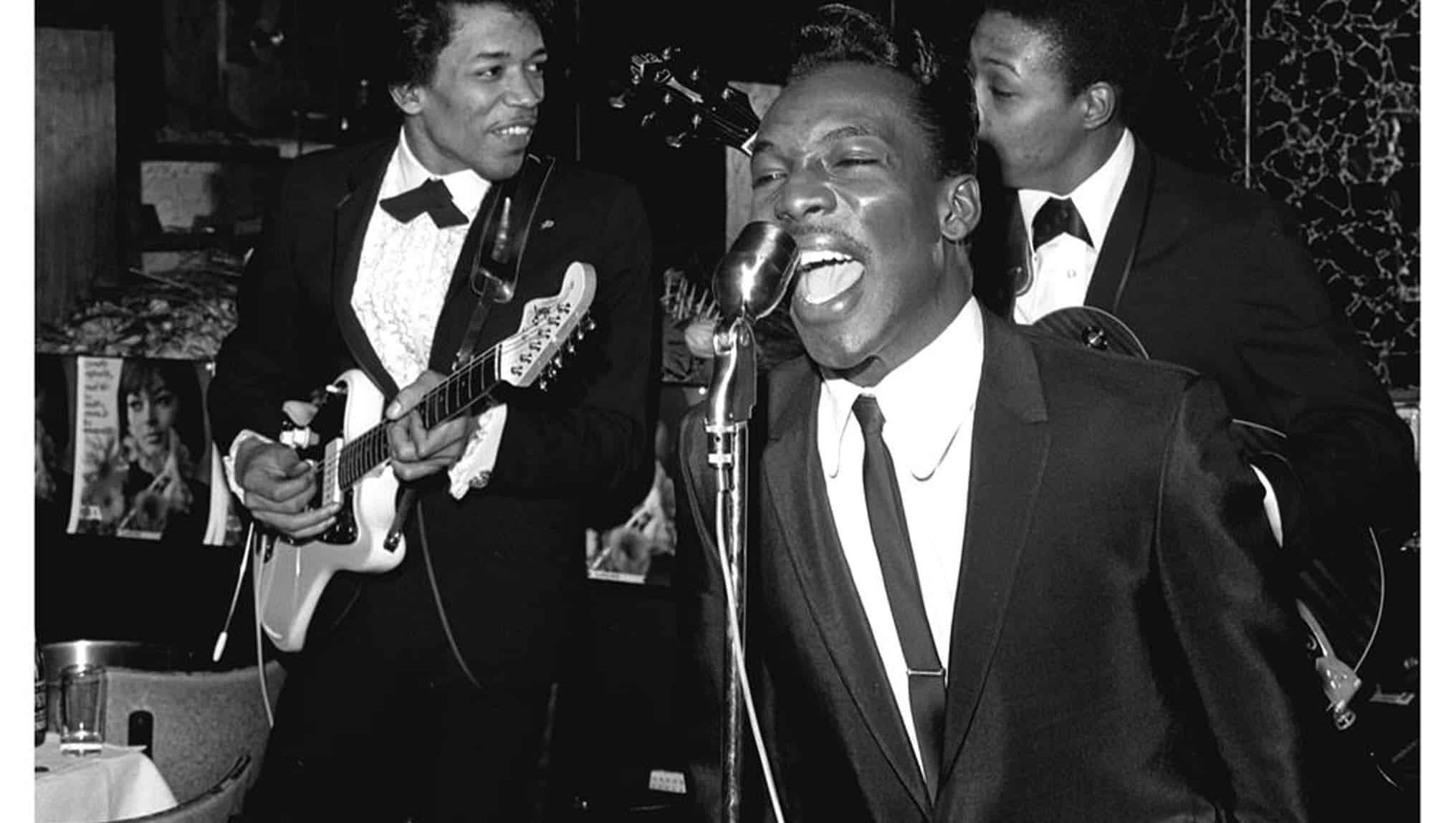
Wilson Pickett’s voice could crack paint and then soothe it smooth again. He carried gospel fire into gritty dance floors, poured blues through chrome microphones, and made studio rooms feel like Saturday night and Sunday morning at the same time. Horns would flash like sunlight on a river. Guitars would strut or sting. Drums would plant their feet, and then that voice would step forward with a grin and a growl. These ten essentials show the Wicked one at full voltage and at full heart. Put on your best shoes or your worst ones. Either way the floor is about to move.
1. In the Midnight Hour
The first snap of snare lands with a promise. Bass walks in relaxed steps, guitar chops a lean figure, and the horns hold their fire like a brass smile waiting for just the right moment. Wilson Pickett enters with a preacher’s timing and a street singer’s swagger. He shapes the title phrase with a tide like swell, lifting it just enough to make the whole band lean forward. The arrangement is a study in proportion. Nothing clutters the middle. Drums keep the pocket unbreakable. Guitar is rhythm first, ornament second. When the horns finally flare, they do it like stage lights, bright and quick, then gone. Lyrically it is a vow set at a precise time, which lets the listener imagine the whole scene without extra words. What gives the record its permanent engine is the balance of grit and glide. Pickett rasps, then softens, then rasps again, always landing dead center on the beat. You can feel Muscle Shoals sweat in the groove, yet the polish never dulls the heat. By the last chorus it becomes a ritual. The hour arrives, the love arrives, the band lands on the one, and the room remembers why soul was built.
2. Mustang Sally
A piano lick waves you in, then the rhythm section settles into a friendly bump and sway that could power a long ride with the top down. Pickett plays the role of coach and admirer at once. He teases, he warns, he flatters, and every line carries that famous rasp that makes simple syllables feel like fireworks. The magic lives in the call and response. Background voices answer like friends gathered on a curb, horns pop in with quick punctuation, and the guitar keeps that chugging pattern steady as a heartbeat. The chorus is built for crowds. Two words and a name you can shout with your hands in the air. Listen to the way he bends vowels on ride and Sally, small turns that make the hook move inside your body. The band never overplays. Drums keep the swing crisp. Bass sits in the pocket with a smile. Each stop time before the refrain tightens the floor and then releases it. This is dance craft disguised as a joy ride. It honors the blues roots while giving radio the clean lines it loves. By the final run you feel both the chrome and the dust, and you are happy to chase that tail light again.
3. Land of 1000 Dances
From the count off to the last shout this is kinetic joy turned into a two minute carnival. Drums stomp and skip like feet on a wood floor. Bass punches short phrases that keep the center tight. Horns bray in bright clusters, each figure like a banner flapping above the crowd. Pickett’s vocal is pure ringmaster. He calls out moves like a coach and a comedian, tossing names that blur into rhythm until the words themselves dance. The famous na na chant is rhythm made language, a hook that works in any country because it belongs to breath more than to meaning. The band understands dynamics. Verses tighten. The chant opens the ceiling. Then back to the grind and back to the lift. Guitars scratch with percussive insistence and never seek the spotlight, which lets the horn section steal glances without stealing the show. What keeps the record from novelty is attack. Pickett sings as if the microphone might break if he eases up, and yet he never loses pitch or pocket. It is a celebration of movement that also documents his control. Put it on and the room becomes a little parade, even if the room is only you and a kitchen chair.
4. 634 5789 Soulsville U S A
The groove opens like a front porch door on a summer evening. Guitar chops a courteous hello, bass strolls with neighborly pride, and the horns hang warm lanterns above the melody. Pickett offers a number and a promise. Call me and I will be there. It is romance as logistics, and it works because the delivery is pure charm. He keeps the verses conversational, then leans into the hook with a lift that feels like a hand reaching out. The backing voices are essential. They do not crowd the lead. They echo it like friends who know the plan and approve. The arrangement respects space. You can hear air around the snare. You can hear fingers on strings. That clarity turns each small flourish into something you notice without being distracted. There is a hint of church in the harmony and a lot of street corner in the rhythm, which is exactly where Soulsville lives. The song sells devotion without perfume, and it does so with craft that hides in plain sight. By the fade the number has become a mantra. You know it, you believe it, and you can hum it on your walk home.
5. Funky Broadway
Here the band leans into a heavier strut. Drums place the snare a touch late so the hips have time to catch up. Bass thumps with a rubbery grin. Guitar chops in short flashes, like streetlights flicking down an avenue. Horns trade short sentences over the top, confident but never polite. Pickett narrates a neighborhood in motion with that hickory smoked rasp that makes every corner feel real. He tosses phrases like a man waving from a stoop, telling you who to see and what to watch for as the night warms up. The charm is the pocket. It never loosens and never turns stiff. Every part sits just behind the beat enough to create drag and glide at once. The lyric is simple by design. It points, it names, it celebrates. The band turns that pointer into a living scene. You can almost smell fried food, car exhaust, and perfume as the horns answer his shouts. The breakdowns are short and sly, like alley shortcuts, then the main groove returns with more swagger than before. Put simply, this is a map you can dance to, drawn in brass and grit, signed by a singer who knows the block by heart.
6. Ninety Nine and One Half Wont Do
A churchy organ hums, the drums plant a marching stride, and Wilson Pickett lays down a rule that sounds like it was carved in stone. The theme is commitment without fractions. The delivery is fierce but welcoming, as if the congregation includes the dance floor. Guitar licks spark at the edge of the mix, bass walks with sermon ready dignity, and the horns punctuate like a responsive choir. Pickett’s phrasing is masterful. He barks the hard lines, then rounds a vowel to show mercy. The chorus lands with the certainty of a proverb. No fancy rhyme scheme needed when the truth scans this clean. The middle eight loosens the frame so the band can testify a little, then he brings it all back to the headline. This is a perfect example of his gift for blending sacred fire with secular sway. You can imagine it shaking pews or shaking a nightclub, and in both places it would feel at home. What lasts is the standard it sets. Give all or do not pretend. He sings it like advice from an elder and a challenge to himself. The fade does not dim the claim. It leaves you humming the measure you now have to meet.
7. Dont Fight It
The band slides into a mid tempo mover that keeps its shoulders loose. Drums tuck their accents in close. Bass traces quick steps that feel like small nods. A bright horn figure peeks around the corner of each verse. Against that frame Pickett suggests surrender of the best kind. Do not overthink the current. Let the feeling move through. His vocal toggles between coaxing and command, a silky line here, a sandpaper edge there. The chorus is a simple invitation, and he lands it with a smile in the throat. Guitar stays percussive, which lets the rhythm breathe without clutter. The bridge gives the horns a little more sky and they use it for glow rather than fireworks. This is the side of Wilson that does not need to shout to be irresistible. He believes in the groove and trusts the listener to recognize the offer. The record also shows how arrangement finesse can make a three minute track feel complete. No solo overstays, no line repeats past its natural sweetness, and yet when the fade comes you are ready to spin it again. It is advice and it is design, and both feel good.
8. Engine Number 9
A clicking hi hat and a sly bass figure start the train rolling, then the full drum kit grabs the rails and the horns wave from the platform. This is city motion turned into funk. Pickett rides the pocket like a conductor who knows every stop and every shortcut. The lyric uses rail images to talk about pursuit and escape, and the cadence gives each image snap. Guitar stabs answer the vocal lines, brass paints quick arrows above the rhythm, and the organ lays a steady glow beneath it all. The chorus does not aim for poetry. It aims for traction. You feel the wheels bite and the car lean. The charm is how the band toggles between clean hits and greasy slides without ever losing time. That is the Gamble and Huff world meeting Wilson’s raw edge, and the match fits. By the break the track has built enough pressure that even a small drum fill feels like a tunnel burst. Then the chant returns and the wheels spin again. Momentum is the theme and the method, and it carries straight through to the last bar.
9. I Found a Love
Before the solo fame there was the Falcon who learned how to plead without losing dignity. This version carries that history in its bones. The tempo is unhurried. Guitar picks a gentle lattice. Organ sighs like a patient friend. The rhythm section moves as if it can see the couple on the floor and wants to give them space. Pickett sings with open clarity, letting the consonants land sure and the vowels linger just long enough to bloom. He does not over ornament. He simply tells the truth of a new shelter found after cold days. Harmony parts circle him like witnesses who are proud to testify. Horns come in late and soft, saving their power for the lift near the end. The recording feels close to the room, which adds to the sense of confession. What sets it apart from a standard ballad is the weight under the sweetness. You can hear the miles behind the joy, which makes the joy legitimate. It is a love song that trusts plain language and careful tone, and it still turns four walls into a warm place wherever it plays.
10. Hey Jude
A familiar melody arrives dressed in Southern fire. The band starts respectful, piano and organ mapping the outline while the rhythm section lays a steady walk. Then Wilson Pickett begins to stretch the vowels and the room lifts. He treats the lyric like a living thing that can handle more heat, pushing the edges without losing the tune. A certain guitar from a young ace throws sparks across the last minutes, and the call and response between voice and strings becomes a kind of dare. The extended coda turns into a revival. Horns jump in, drums add little pushes, choir like backing voices answer each phrase, and the lead vocal climbs a staircase of its own invention. This is not imitation. It is transformation. A pop hymn becomes soul testimony, and the arrangement proves the point bar by bar. The key to why it works is fearlessness guided by taste. Pickett never abandons the center of the song, yet he refuses to keep it on a leash. By the time the final shouts fade, the piece feels both brand new and absolutely inevitable. A master interpreter shows how to honor and reinvent in the same breath.

David Morrison is a frequent contributor to Singers Room. Since 2005, Singersroom has been the voice of R&B around the world. Connect with us via social media below.









