
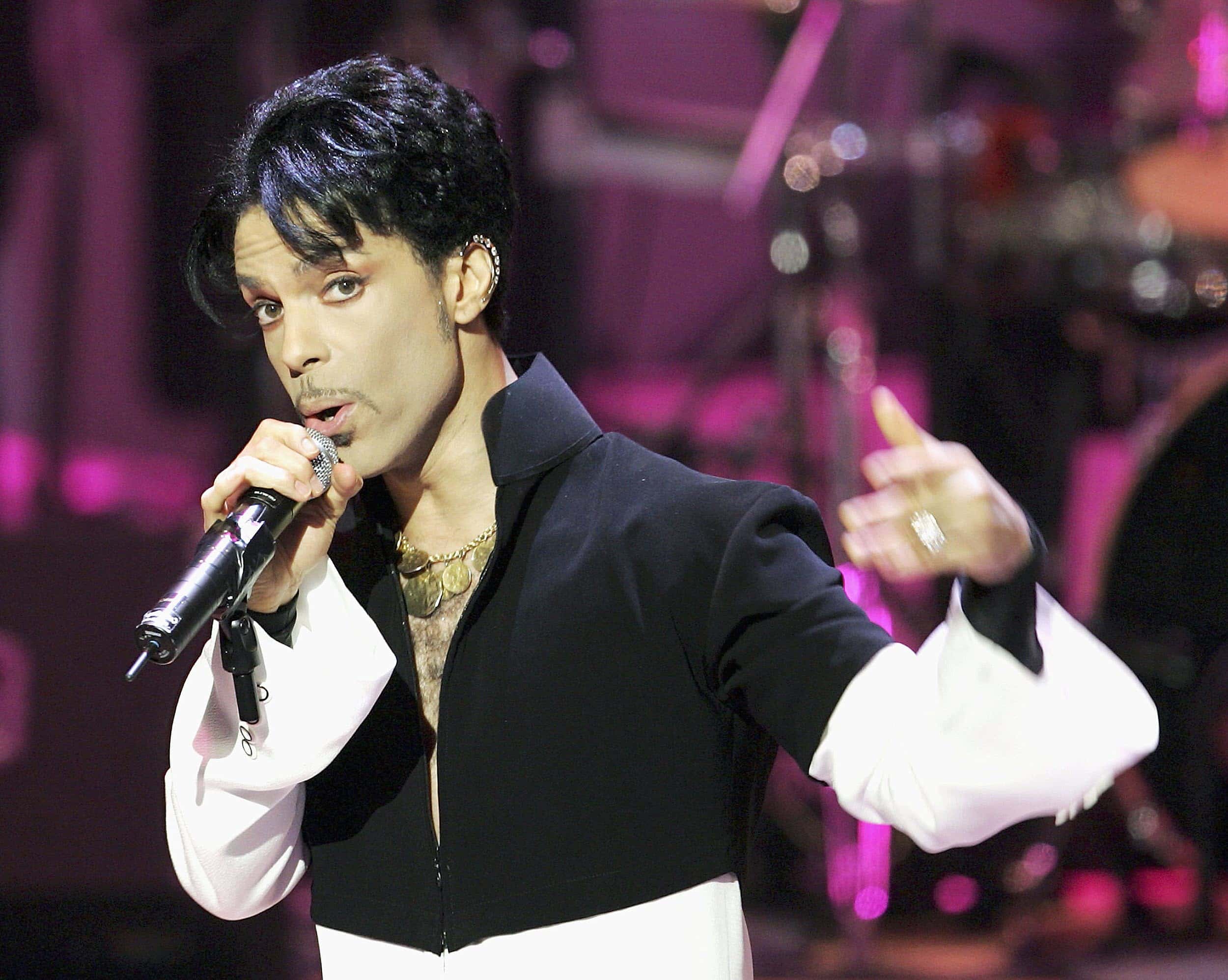
Prince made pop feel like a private theatre where funk and rock changed costumes without warning. His records breathe with the confidence of a bandleader who plays every instrument in the building and the tenderness of a poet who knows when to whisper. Drum machines sit next to gospel claps, guitars scratch like matches, and synths glow like stained glass. Hooks arrive with a wink and then turn into life advice you can dance to. These ten essentials map a city of color and nerve, from neon joy to velvet ache. Clear some space. The groove will find you wherever you are.
1. Purple Rain
The opening guitar feels like a curtain being pulled back on a quiet stage. A slow build begins, simple and unhurried, and Prince sings as if he is confiding in one friend at the back of the room. The verses unfold with conversational warmth, then the chorus widens like a night sky. What gives the song its strange electricity is patience. Drums sit back, bass walks with dignity, and the keyboards place soft light around the vocal so the melody can rise without strain. When the guitar solo arrives it is not a race, it is a story in bends and sighs, a line that seems to climb a stair you did not notice until now. The performance holds equal measures of devotion and farewell, which is why it speaks to people who have never seen the film or studied a note. It sounds like shelter during a storm and a promise made at last call. Every return to the title phrase lands with a deeper glow. The craft is exquisite and invisible. You hear honesty, not technique, and that is the trick. Elegance serves emotion and the emotion endures.
2. When Doves Cry
First the drum machine snaps like a jaw, then a guitar blurts a strange bark, and suddenly there is no bass at all. The absence becomes design. Prince stretches a lean frame across the song so that every clap, every synth twitch, every breath has weight. He sings both sides of a conversation with himself, lover and witness, sinner and scientist, slipping from falsetto silk to a rasp that catches on the microphone. The verses move in crisp images, mirrors and purple rooms and family ghosts, and the pre chorus floats like a staircase into the open sky of the hook. That drum pattern never gets busy, which gives the edges of the track a clean, sculpted feel. It is dance music that also behaves like theatre, a study in how space can throb when the parts are placed just so. The video showed a band, but the recording is one mind arranging a small orchestra of textures. By the ending chants you feel both lifted and unsettled, which is exactly right for a song about love that cannot find its own floor. This is innovation that still thrills the body first.
3. Kiss
A dry drum groove taps the shoulder and a guitar scratches out a rhythm you could balance a glass on. Prince slides into the frame with a grin you can hear, tossing lines that mix romance and mischief with perfect economy. Every element is tiny and crucial. Handclaps keep the air bright, a single keyboard squiggle writes a smile into the corner, and the guitar never once forgets that it is the drummer’s cousin. The vocal flips between feathery falsetto and sly asides, and the phrasing acts like a top hat he keeps tipping at the exact right beat. There is no bass for long stretches, which makes the groove feel even tighter, like a dancer working on a small square of floor. Then, as if to prove a point, a few low notes arrive and the room jumps another inch. Prince loved to argue that less can be more, and this is the strongest brief he ever filed. The hook is an instruction and a compliment at once. It asks for joy without apology and gets it. The track is minimal on paper, yet it owns the room within five seconds.
4. 1999
A synth chord spreads like purple neon and a drum machine wakes up with a smile. Different voices step forward in turn, as if various parts of the city have agreed to share the mic. The message is simple and generous. If the calendar insists on drama, reply with a party that knows why it exists. The groove is a motor that never needs a tune up. Kicks thump, snares crack, handclaps bounce off the walls, and the bass line walks in tight circles that keep the floor springy. Prince deploys call and response like a neighborhood ritual. The video will show a band, but what you hear is an arranger who understands how colors blend. Synths do not smear, they talk to one another. Guitars jab and then retreat, like a friend cracking a good joke from the side of the dance floor. The chorus turns fear into a toast, and every time it comes around the room feels lighter. There is optimism in the design, not just the words. Here is proof that celebration can be architecture, and that architecture can last for decades.
5. Little Red Corvette
The drum machine pads forward like a heartbeat heard through a wall, and a guitar sighs a slow arc that sets the color of the night. Prince sings in a voice that mixes awe and caution, a traveler caught between desire and a street wise sense that fast can be expensive. The groove is soft enough to lure and firm enough to steer. Synths paint smooth lanes, bass marks the center line, and a few sparkles of guitar catch the ear like passing headlights. What makes the record live forever is the proportional grace. Verses glide without hurry. Pre choruses add a tiny lift. The hook arrives with a gentle flash and never once shouts. Listen for the way he leans on certain vowels and then lets the consonants land like small brakes. The imagery is clever without winking. It treats speed and intimacy as neighbors and refuses to judge either one. The solo is short and fond of melody, exactly the right length for a late drive. This is a master class in restraint used as invitation. It is the sound of wanting to go further while knowing exactly how much gas is in the tank.
6. Raspberry Beret
Strings flutter like curtains in a warm shop and percussion tickles the room with friendly chatter. Prince tells a small story with big charm, every detail a brushstroke, every rhyme a wink. The groove is playful and precise. Acoustic guitar bounces in easy eighth notes, snare kisses the beat rather than slapping it, and the bass twirls little melodic figures that feel like laughter. The melody is one of his most generous, a sing along that never grows heavy even after a dozen repeats. What makes it special is how the arrangement honors the tale. Flutes peep in at the edges, a tinkling keyboard adds sunshine to the corners, and the strings behave like daydreams taking the long way home. Prince performs with a storyteller’s patience. He lets the images land, then he lets them glow. There is innocence here, but not naiveté. The narrator remembers with a smile that knows better now and still chooses joy. It is impossible to hear without seeing the color in your mind and impossible to finish without feeling lighter. The secret to this confection is craft. Lightness requires care, and there is care in every bar.
7. Lets Go Crazy
A sermon begins, organ humming like a neon chapel, and then a snare shot opens the door to a room filled with cheerful chaos. Guitars chop with dance floor discipline, drums sprint with perfect posture, and the bass keeps the center warm while everything swirls. Prince plays master of ceremonies, philosopher, and guitar hero without taking a breath. The verses bounce on tight rhythmic lines and the pre chorus turns advice into a street chant. When the chorus lands it feels both comic and profound, a reminder to grab joy by the lapels before the elevator closes. The arrangement is a thrill of moving parts that never collide. Handclaps spur the crowd, a rock solo slices the air, and the band returns on a dime as if you had dreamed the detour. It is not simply a shout of release. It is design that allows release to keep its balance. In the final run, when the tempo nudges upward and the guitar rips through the ceiling, the message becomes sensation. Ecstasy needs a frame, and here the frame is a perfect square.
8. Sign O The Times
A bare drum program taps out a steady report, and a rubbery bass patch answers with a few careful notes. Prince stands in the middle of the room and reads the newspaper to melody, line after line of world detail delivered with steady breath. The track refuses decoration so that each word can carry its own light. Synth stabs act like underlines, a tiny guitar figure peeks through once in a while, and those small choices feel like editorial marks in the margin. The chorus is almost a shrug, which is why it stings. It does not scold, it catalogs, and the catalog becomes judgment. The video famously uses scrolling text and symbols rather than faces, which suits the song’s role as dispatch rather than drama. What keeps it on repeat is the groove. Even with its sober stance, the pocket never sags. You nod while you think. Few artists could put the nightly news into a rhythm box and make it feel both urgent and replayable. This is Prince as civic poet, trusting clarity over polish, and finding a way to make hard facts move.
9. I Wanna Be Your Lover
The first thing you feel is lift. A springy synth line hops over a clean drum machine and a bright rhythm guitar draws a tight frame around the dance floor. Prince sings in a buoyant falsetto that carries both sweetness and game face, and the lyric keeps its cards close while letting its grin show. The verses make promises, the pre chorus leans in, and the hook blooms with a shoulder roll you can hear. Halfway through, the song quietly rebrands itself as a groove showcase and never looks back. Keyboards trade little sparks, guitar chucks carve neat angles, and the bass line develops a sly melody of its own. This early hit already contains the Prince blueprint. Play almost everything yourself, write a hook that flatters motion, and give the back half room to stretch. The economy is breathtaking. No part overstays, yet nothing feels tossed off. It is a song about desire sung by a young creator who knows that charm is rhythm. The last minute is pure joy, a small clinic on pocket that plays just as well in clubs as in kitchens.
10. Nothing Compares 2 U
A soft count off and you are inside a rehearsal room where grief and grace learn to share a chair. The tempo walks with careful steps, drums almost whispering, bass choosing notes the way a friend chooses words at a wake. Prince sings with disarming plainness. There is no grand pose, only a voice that knows the shape of absence and refuses to decorate it. Strings thread through in long, sighing lines, and a saxophone adds a single ribbon of daylight. The lyric keeps to the simplest math. These many hours since you left, this much of the world now looks empty, this much of me still waits. Because the arrangement is so transparent, tiny choices carry the charge. A breath before a phrase, the soft pinch of a consonant, a held note that does not rise yet seems to expand the room. Although another artist made the song a global torch, this take feels like a letter from the desk where it was written. It asks for nothing and gives everything. Music seldom feels more like a hand on the shoulder. That quiet truth is its power, and the power does not fade.

David Morrison is a frequent contributor to Singers Room. Since 2005, Singersroom has been the voice of R&B around the world. Connect with us via social media below.









