
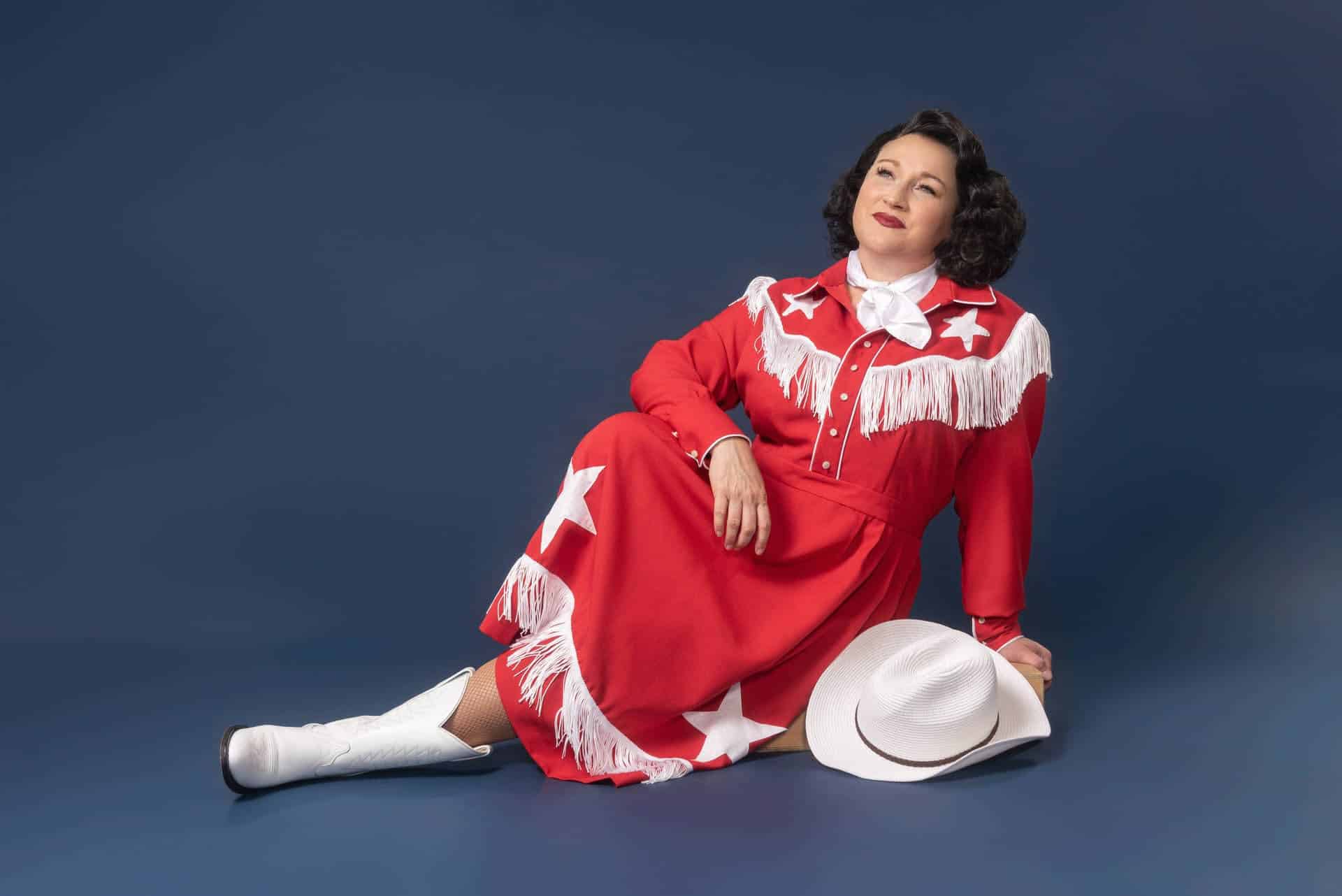
Some singers visit a feeling. Patsy Cline built a house in it and left the porch light on. Her voice carried satin and gravel in the same breath, with phrasing that made everyday words sound like confidences. Arranger Owen Bradley set her inside warm rooms where steel guitar glowed, piano murmured, and the Jordanaires folded around her like a kind choir. She could lean into twang or drift toward torch, always keeping the center of a song perfectly clear. These ten recordings show grace under pressure, heartbreak with dignity, and melodies that seem to know the listener by name before the first chorus arrives.
1. Crazy.
Crazy is the ballad that turned quiet into thunder. The piano enters like a lamp switched on at dusk, then a tender slip of steel guitar paints the edges of the room. Patsy arrives in the first line with a softness that feels conversational, as if she has decided to share a private conclusion rather than perform a scene. Willie Nelson gave her a melody full of long curves, and she rides each one with measured breath so that the ache appears before the consonants. The Jordanaires move like a gentle tide behind her, adding lift without stealing focus. Listen to the small bend on the word blue and the gentle fall at the end of lonely. Each choice shapes time, creating a slow sway that feels like acceptance wrapped in wonder. Owen Bradley keeps the rhythm unhurried, brushes whispering on the snare, bass walking in calm steps that never tug. The modulation arrives like a window opening. The emotion blooms, but Patsy never pushes. She trusts the song and the listener. That restraint is why the last refrain lands with such power. It is heartbreak, yes, but it is also poise, a portrait of someone telling the truth with beautiful clarity.
2. I Fall to Pieces.
I Fall to Pieces takes the everyday choreography of running into an old love and turns it into a measured study in grace. The arrangement places electric guitar in bright little arcs while piano answers with calm phrases that feel like a steadying hand. Patsy sings the verses as if walking down a sidewalk you know by heart, each step placed so cleanly that the lyric becomes a lived moment rather than a posed lament. The chorus is pure inevitability. The title line does not shout. It unfurls, the melody widening while the Jordanaires lift the horizon a notch. Bradley’s production leaves space between accents so the listener can feel each phrase settle. There is country color in the steel, pop shine in the strings, and a careful balance that keeps sorrow from curdling into self pity. Patsy’s control is the secret. She holds back vibrato until it matters, lets vowels bloom, then closes them with a hint of resolve. The bridge adds a small harmonic turn that tastes like memory, and when she returns to the hook the voice has a little more light in it. The song became a standard because it finds dignity inside collapse, truth spoken with steady hands.
3. Walkin’ After Midnight.
A midnight stroll set to a gentle strut, Walkin’ After Midnight introduced a singer who could make longing sound like motion rather than paralysis. The rhythm section keeps a relaxed click, brushed snare kissing the beat while bass writes a friendly second melody. Guitar adds bright droplets that shimmer like streetlights on wet pavement. Patsy’s vocal is the story. She shapes each line with a smile at the corner of her mouth, letting the words walk as much as they sing. The melody is simple by design, which allows the phrasing to carry the romance. Listen to the way she leans on moonlight, the vowel stretched just enough to catch a breath of cool air. The Jordanaires step in for soft answers, never crowding the center. Owen Bradley gives the mix a slight echo that reads as open sky rather than studio trick. There is a touch of blues in the turns, a touch of pop polish in the transitions, all serving a lyric that honors persistence as a kind of faith. By the final refrain the listener has traveled the whole small town with her, and the world feels kinder for the company. This is yearning that keeps moving, love as a quiet walk to clear the mind.
4. She’s Got You.
She’s Got You is inventory as revelation. The verses itemize everyday keepsakes, a photo, a class ring, a record, and each object becomes a little chapel where memory still kneels. Patsy sings as if opening a drawer and finding a whole life folded inside. The melody sits in her middle range where the grain of her tone carries both velvet and iron. Owen Bradley frames the voice with piano and softly glowing steel, and the Jordanaires arrive like a gentle chorus of neighbors who already know the story. What makes the record sting is the turn at the chorus. The title phrase is not bitter. It is clear. The arrangement gives the line air so the truth can ring. Patsy controls vibrato with a painter’s touch, letting the ends of phrases bloom and then fall back into calm. The bridge shifts the harmony just enough to deepen the ache before returning to those dear, ordinary items that outlast promises. It is a master class in restraint, in how to say more by saying a little less. Many singers have tried this song. Few carry the combination of poise and ache that makes her version feel definitive, a catalog of love that becomes a portrait of loss.
5. Sweet Dreams.
Sweet Dreams pours torch song elegance into Nashville glass. The opening swell of strings feels like curtains parting, then piano and rhythm settle into a slow dance that leaves room for the voice to float. Patsy enters with a glow that never turns syrupy. She respects the shape of Don Gibson’s melody, taking long lines in one breath so the feeling gathers quietly across the bar. The lyric is an admission that the mind returns where it should not, and the arrangement honors that loop by keeping motion steady and unhurried. Steel guitar supplies gentle sighs between phrases, while the Jordanaires cushion the chorus with a soft halo. The famous rise on the word dreams reads like a wish lifting into the air and losing itself in the chandelier. Bradley’s production treats space like a partner. Nothing crowds the center, which is why the smallest shift in Patsy’s tone can feel like a turn in the story. The final refrain does not try for spectacle. It leans into acceptance. This is one of those recordings that prove her gift for making grandeur feel intimate, a reminder that the biggest rooms belong to a singer who knows how to let silence speak.
6. Faded Love.
In Faded Love the old Texas waltz becomes a study in mature sorrow. The fiddle line at the top is a ribbon that remembers every dance it has ever seen. Then Patsy enters with a tone as warm as lamp light, and the lyric’s simple sentences take on the weight of years. Bradley keeps the tempo patient and lets the rhythm breathe. Bass steps gently, brushes whisper, steel guitar places tears in the corners without drawing attention to itself. Patsy does the heavy lifting through time and color. She draws out the word faded until it seems to pale as you listen, then she rounds the last syllable of love with a softness that suggests gratitude rather than spite. The Jordanaires support in low harmony that feels like the presence of old friends. There is no drama here, only a careful framing of acceptance. The bridge tilts the harmony just enough to remind you of the road not taken, then the chorus returns with wider calm. This performance shows how tradition lives inside a modern voice. She honors the dance hall and the parlor, the goodbye at the doorway and the long memory after. It is country wisdom polished to quiet glow.
7. Leavin’ On Your Mind.
Leavin’ On Your Mind is direct talk wrapped in velvet. The lyric asks for honesty now, not later, and Patsy delivers that request with a steadiness that makes the plea sound like care rather than accusation. The band keeps a gentle sway, guitar flickering in clean figures while piano lays down warm chords that feel like a hand on the table between two people. The melody follows a graceful arc, rising in small steps that set up the title phrase to land squarely without theatrics. Listen for the way she lightens the consonants so the vowels can carry the feeling. Her timing is conversational, a fraction ahead here, a breath behind there, as if she were watching the listener’s face. Bradley’s arrangement keeps the low end tidy and leaves the top open, which gives the Jordanaires room to add soft light at the chorus. The bridge deepens the color for a moment before the return to the main line. There is bravery in this performance. It is the sound of someone choosing clarity even when it will sting. That choice is what makes the final line resonate. The truth may hurt, but it will not shake the foundation of her self.
8. Back in Baby’s Arms.
Few recordings capture relief with such elegant bounce as Back in Baby’s Arms. The rhythm steps out with a light two beat feel, bass walking in rounded notes while the snare keeps a friendly click. Guitar plays clipped chords that glitter like kitchen sunlight, and piano answers with neat little curls. Patsy sings from the smile in her tone, not a grin but a glow that tells you the storm has passed. The verses feel like someone straightening up a familiar room. By the chorus she is twirling that ring of a melody in the air and letting it catch the light. Bradley preserves the sense of open windows. You can hear the space around the instruments, which lets her phrasing float above the band without strain. The Jordanaires tuck harmonies under the hook like a soft cushion. A short instrumental turn lets steel guitar add a ribbon of contentment, then the voice returns with renewed ease. It is a lesson in how jubilation can be tidy and how craft can make happiness sound grounded. The charm is not only the sentiment. It is the proportion. Every part knows when to speak, and nobody talks over the singer. Joy, arranged with taste.
9. So Wrong.
So Wrong is apology sung with the slow dignity it deserves. The tempo lingers just enough for each word to settle, and the arrangement is all brushed snare, tender piano, and steel that sighs like a window in evening wind. Patsy’s tone glows from the center of her range. She shapes the verses as if approaching a door that needs a careful knock. The melody unfolds in steps that feel inevitable, making the title phrase read like a verdict delivered with love rather than a plea for sympathy. Bradley places the Jordanaires at a respectful distance to widen the frame. The bridge adds a hint of storm in the harmony and then passes the moment back to calm. What makes the performance special is the way Patsy balances sorrow with resolve. She does not crumble. She does not pose. She tells the truth about a mistake and offers the best part of herself in return. That quiet confidence turns a sad song into a sturdy one. The last chorus carries more light than the first because the act of speaking has changed the room. This is country music as grown conversation, a portrait of remorse handled with poise.
10. Three Cigarettes in an Ashtray.
A tiny drama staged at a cafe table, Three Cigarettes in an Ashtray proves how much theater Patsy can conjure with hushed means. The arrangement is minimal by design. Guitar and bass move like careful actors, and the steel draws thin lines of smoke between the phrases. Patsy sings the first verse with a wide, unforced vibrato that belongs to an earlier era, yet she grounds every syllable in lived feeling. The lyric is pure economy. Two people, a stranger, the third cigarette, and the slow burn of realization. She lets the images do the work. When the melody climbs on the word away the heart hears the chair scrape across the tile. By the second verse her tone darkens a shade, as if the cafe’s light had shifted. No extra decoration is needed. Bradley keeps the touches small and the pauses meaningful. That restraint reveals the bones of the story and the craft of the singer. The last line falls on a gentle cadence that refuses melodrama. It is a sigh that respects itself. In two short minutes the record sketches a whole life lesson, proof that a classic voice and a wise producer can turn quiet into cinema.

David Morrison is a frequent contributor to Singers Room. Since 2005, Singersroom has been the voice of R&B around the world. Connect with us via social media below.









