
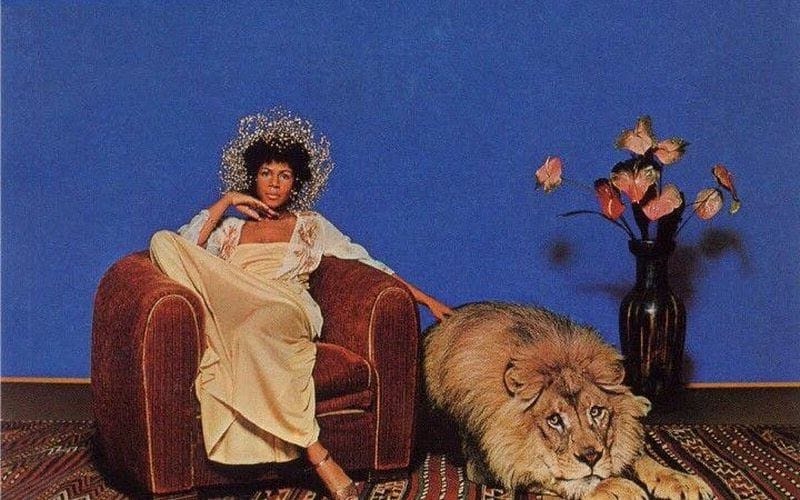
A voice like sunlight through stained glass. That is how Minnie Riperton still feels. She could float above a melody then return to earth with a smile in her tone, all while keeping the groove graceful and sure. Her catalog moves from chamber soul to cinematic pop to dance floor sparkle, each track revealing new colors of that astonishing range. These recordings are more than showpieces for high notes. They are living stories about devotion, desire, memory, and joy. Press play and you will hear a singer who made ambition feel natural and intimacy feel vast. Here are ten that still bloom.
1 Lovin’ You
At first blush Lovin’ You sounds like a lullaby that wandered into a dream. Listen closer and you hear a marvel of studio poise and interpretive focus. Minnie Riperton keeps the arrangement spare so the song can breathe. Electric piano walks softly. A gentle pulse marks time like a heartbeat. Over that calm she shapes phrases with jewel like clarity, holding vowels until they shimmer and then releasing them like light from a prism. The famous whistle tones feel less like tricks and more like extensions of the melody, a way of saying the feeling cannot be contained by ordinary range. Her diction is tender without becoming precious, which lets the lyric feel sincere rather than ornamental. Notice the micro dynamics too. She leans into a word, backs away to a hush, then returns with a glint of playful vibrato. The performance is intimate enough to feel private yet universal enough to cross every border. That paradox is why the record endures. It is simple and it is sophisticated. It invites you closer and then opens the sky. Few love songs achieve such weightless intensity. Fewer still make you believe that devotion can sound both fragile and unstoppable at the same time.
2 Inside My Love
Inside My Love is a study in elegant boldness. The lyric speaks plainly about desire, but the delivery is courtly, almost ceremonial, which gives the song a special charge. Minnie Riperton rides a velvety groove where bass is patient, drums are unhurried, and keys bloom like lamps in a soft room. Her voice moves through three distinct temperatures. There is the conversational warmth of the verse where she places consonants with jazz like care. There is the floating light of the pre chorus where vowels lengthen and the melody begins to hover. Then the chorus arrives and a radiant intensity takes over. High notes do not shout. They glow. She uses melisma sparingly so that a single turn at the end of a line carries the emotional lift of the whole section. The background harmonies work like a tide, pulling the lead forward and back in slow arcs. What makes the performance special is her sense of proportion. Even while singing about intimacy she never crowds the listener. She offers invitation rather than insistence, which is rarer than it should be in soul music. Inside My Love is daring because it is gentle. It proves that candor and grace can occupy the same breath.
3 Les Fleurs
Les Fleurs unfurls like a procession. The introduction is stately, almost pastoral, with piano and strings sketching a dawn that becomes more vivid with each bar. Then Minnie Riperton enters and the picture brightens again. Her tone is luminous yet anchored, a bell that carries across a garden. She sings with the clarity of art song and the warmth of soul, letting each syllable land with intention. The arrangement builds in terraces. Woodwinds trace delicate lines. Percussion flickers like sunlight on leaves. When the choir arrives it feels less like a chorus and more like a community appearing to celebrate growth and renewal. Riperton keeps her vibrato narrow so the melody shines without blur, then widens it for a single held note that seems to open the air above the rhythm section. The text imagines the world flowering from within and her performance mirrors that idea by blooming gently into grandeur. There is no strain. There is only ascent. Decades later this recording still sounds contemporary because it refuses easy genre borders. It is orchestral soul, spiritual pop, and a classic of arrangement craft. Most of all it is a testament to a singer who could make joy feel architectural and wonder feel inevitable.
4 Memory Lane
Memory Lane is a portrait of reflection that manages to be both clear eyed and tender. The rhythm section moves with a slow confident stride, giving Minnie Riperton the space to paint in long lines. She shapes the verse like conversation, gently accenting key words so the story feels spoken rather than recited. Then the chorus arrives and everything tilts toward revelation as her voice climbs with a glow that suggests recognition rather than regret. Listen for the way the electric guitar curls through the spaces between phrases, almost like thoughts drifting across the mind. Strings appear for color, not for clutter. The famous whistle notes surface only where the emotion needs them. They are not decoration. They are memory itself, a flash of feeling too bright for ordinary language. What impresses most is her command of silence. She lets breaths become part of the phrasing, which means the pauses carry meaning, too. The lyric walks the listener through photographs and old rooms and the vocal makes the journey feel safe, even when it stings. This is the sound of wisdom arriving softly. By the last chorus you are not just remembering with her. You are standing in your own past with new light on everything.
5 Adventures In Paradise
Adventures In Paradise glides with the assurance of a sleek yacht on calm water. The tempo is relaxed but purposeful. Bass lines roll forward like waves. Electric piano fans out chords that feel warm to the touch. Over this rich surface Minnie Riperton sings with polished ease, keeping her tone conversational on the verses before lifting into the chorus with a beam of sheer light. The track is a master class in restraint. Instead of chasing drama, the band builds small surges that ripple under her lines. You can hear how she slightly delays a syllable to sit just behind the beat, then jumps ahead to give the next phrase a flash of momentum. The bridge opens a skylight where her upper register appears for a moment, not as a stunt but as a promise that the paradise in the title is a state of spirit as well as a place. Background vocals are placed like cushions, soft and supportive. The mix favors clarity, which lets the listener appreciate the little choices that make the whole thing float. This is grown folks soul. It whispers that leisure can be a philosophy, that romance can be an atmosphere, and that elegance is a groove you carry inside.
6 Young Willing And Able
Young Willing And Able captures the sparkling optimism of late seventies dance floors while keeping Minnie Riperton’s musical intelligence front and center. The groove is propulsive without hurry. Rhythm guitar flicks keep the engine bright. Strings draw quick arcs that hint at celebration. Minnie enters with a smile you can hear, singing the verse with playful precision, emphasizing the triplets in the melody so the lyric bounces rather than struts. When the chorus hits the record becomes a declaration of agency. She sounds confident and fizzy at once, an irresistible combination. There are no wasted gestures here. Handclaps appear right where your ear wants them. A brief horn accent adds a flash of gold. Harmonies stack in neat tiers, each one placed so that the hook lands clean as glass. She never oversings, which means the energy comes from rhythm and arrangement as much as from raw vocal power. That choice gives the track longevity. It feels refreshing in every era because it is built with clarity and good taste. Put it on and you are transported to a room where open windows let in summer air and every face carries the same thought. Tonight is for feeling alive.
7 Perfect Angel
Perfect Angel is one of those mid tempo treasures that reveals its riches slowly. The band keeps the pocket deep and relaxed. Guitar parts chime in gentle patterns. Electric piano lays down a cushion of harmony that perfumes the whole room. Minnie Riperton sings as if she were standing a foot from the microphone, confiding rather than performing. Her tone is glowingly intimate, with just enough natural rasp around the edges to keep things human. She moves between chest voice and head voice like a dancer changing levels, never breaking the line. The lyric is simple devotion and she treats it with respect, focusing on small inflections that make each promise feel specific. On the refrain she lets the vowel on angel lengthen into a little ribbon that ties the section together. There are gorgeous production touches throughout. A subtle tambourine brightens the back half of the chorus. Background harmonies open like a window and then close to return the spotlight to the lead. Nothing is over sweet. Everything is balanced. The result is a love song that avoids bombast and chooses radiance instead. It is the sound of admiration that has grown into steadiness. It is romance rendered as shelter.
8 Baby This Love I Have
Baby This Love I Have is a groove record with a poet’s heart. The opening bass figure sets a mood of focused motion. Drums are crisp and unshowy, keeping a tight pocket that makes everything feel inevitable. Minnie Riperton threads her melody through that pocket with the agility of a saxophonist, clipping certain consonants for rhythmic pop and then letting vowels bloom in the spaces between snare hits. She builds tension by saving her highest flights for carefully chosen moments, so when the voice rises the whole track seems to lift with it. The arrangement is a master work in contrast. Chiming guitar parts add sparkle at the edges. Electric piano sprinkles little harmonies that taste like citrus. The lyric turns a declaration of affection into a manifesto for steady devotion and she sings it with purposeful warmth. You can hear the discipline behind the ease. Every line sits where it should. Every crescendo feels earned. Deep listeners know this cut as a secret handshake among crate diggers and vocal aficionados, but it is also an unfailing mood setter for anyone who wants music that feels both sophisticated and grounded. It proves that Minnie could be both studio artisan and emotional truth teller at once.
9 Seeing You This Way
Seeing You This Way is springtime in musical form. The piano enters with a jaunty figure that seems to skip across the room. Guitar answers with a bright little riff. Then Minnie Riperton arrives and the whole picture comes into focus. She sings the verse with quick footed phrasing, riding just ahead of the beat as if she cannot wait to tell you what the sight of this person has done to her heart. The chorus is a burst of clear light where the melody climbs and then lands with perfect poise. There is an acoustic quality to the recording that keeps everything crisp and close, which suits the lyric marvelously. This is not a fantasy. It is the delighted recognition of love seen in the daylight. Listen for the backing vocals. They do not crowd the lead. They smile behind it, widening the grin of the hook. The bridge lets her show a flash of high register glory before returning to the breezy stride of the main groove. The track demonstrates her range in a different way. Not through extreme notes, though they appear, but through her ability to sound utterly spontaneous while maintaining immaculate control. Joy, here, is precision wearing a sundress.
10 Can You Feel What I’m Saying
Can You Feel What I’m Saying glows with city night energy. The rhythm section slides forward on a silky bass line and a drum pattern that whispers more than it speaks. Over that glide Minnie Riperton delivers a vocal that balances invitation and challenge. She is asking a question, but the confidence in her tone suggests she already knows the answer. The verses are conversational, almost essay like in how they unfold one idea at a time. Then the chorus opens and the melody swells in a way that feels like streetlights passing across a windshield. Arranged details reward careful listening. There are little keyboard flares that flare up and recede. Hand percussion murmurs at the edges of the stereo field. Background harmonies step in like friends nodding in agreement. She saves her most dazzling flights for the tail ends of phrases, so the high notes feel like afterglow rather than display. The lyric wonders if two souls can meet without pretense and the performance makes that wonder feel practical, even urgent. It is a quiet classic in her catalog, proof that she could make sophistication sound easy and candor sound luxurious. By the final refrain you are answering her question with a smile.

David Morrison is a frequent contributor to Singers Room. Since 2005, Singersroom has been the voice of R&B around the world. Connect with us via social media below.







