
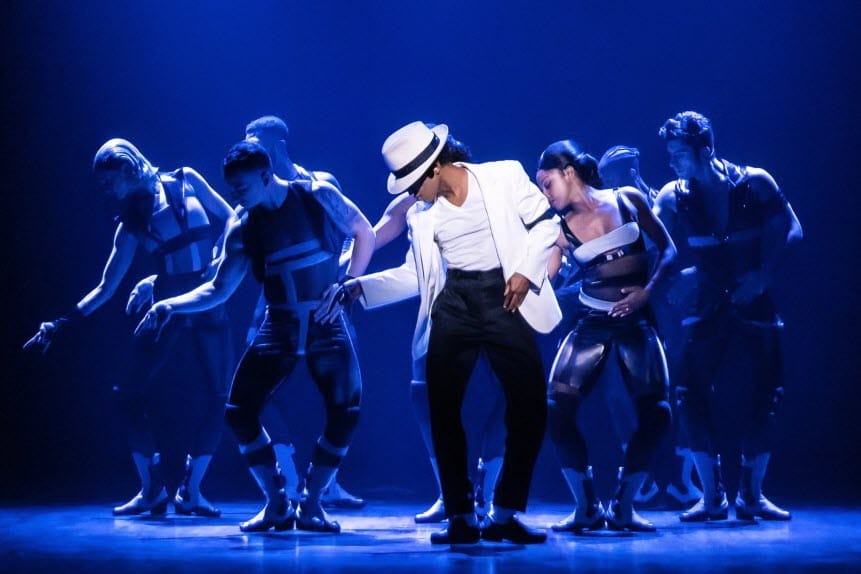
Michael Jackson fused pop sparkle with soul gravity, turning rhythm into spectacle and feeling into choreography. His catalog stretches from sleek dance floor ignition to reflective ballads that hush an arena, each track shaped with a studio artisan’s care and a stage visionary’s flair. Here are ten beloved essentials that showcase the scope of his craft. Hear how he stacks vocal harmonies like stained glass, pushes bass lines that tilt your posture forward, and drops melodic hooks that take up citizenship in your memory. Press play, clear a little space, and let that unmistakable voice glide, rasp, and cry until the room feels electric.
1. Billie Jean
The magnetism of Billie Jean begins with a bass line that feels like a heartbeat you cannot ignore. It is spare and exact, a repeating figure that lures the ears before any lyric arrives. Over that pulse, a dry drum pattern ticks like a watch while glassy keyboards etch thin beams of light. Michael Jackson enters with a voice that mixes whisper and warning, placing phrases just behind the beat to build suspense. The lyric reads like a noir vignette in a neon alley, full of claim and doubt, and he treats each line as a clue. Listen to the subtle shifts in texture as the story deepens. Short string stabs flash and vanish, background voices drift in like fog, and the iconic hiccup of breath lands as both groove and punctuation. The chorus is a study in architecture. It lifts without bloating, and the melody sticks without strain. Producer Quincy Jones and engineer Bruce Swedien leave air in the mix, which turns space into drama. That is the secret here. Restraint creates gravity, and gravity creates motion. When the final vamp arrives, the song feels inevitable, like a city night that never quite sleeps. Timeless not because of nostalgia, but because the design still feels new.
2. Thriller
Thriller is pop theater that grins while it bares its teeth. The groove walks with confidence, a mid tempo strut powered by a kick that thumps in the chest and a bass that prowls underfoot. Synths shimmer at the edges, horns flare in quick accents, and the rhythm guitar scratches out sly comments between lines. Michael Jackson performs like a ringmaster who knows the crowd will follow him anywhere. He slides from silky croon to playful growl, using breaths and gasps as musical ornaments. The lyric invites monsters to the dance, and the arrangement translates that idea into sound. There are eerie pads that seem to float from the ceiling and orchestral hits that leap like jump scares. The famous spoken section arrives as both parody and homage, a wink to midnight movies delivered with grand poise. Yet the magic is not only spectacle. The chorus is tidy and aerodynamic, built for instant recall and long life. Every element has a task. That economy makes the record bulletproof across decades and devices. Play it softly and it still tingles. Play it loud and a room turns communal. Thriller proves that joy and a little fear can be close friends when the pocket is perfect.
3. Beat It
Beat It blends street tough attitude with pop precision until the result feels inevitable. The opening guitar motif is a siren, urgent and lean, and the drums answer with a martial snap that keeps bodies honest. Michael Jackson sings with flint in his tone, pushing consonants forward like jabs, then melting into vowels for release. The lyric is not about surrender. It is about refusing spectacle, walking away with self respect intact. That stance gives the track moral spine while the arrangement supplies fireworks. Listen to how the rhythm guitar layers build a mesh that both supports and provokes the vocal. Bass sits dead center, simple but insistent, while short synth figures flicker like street lights. Then the solo erupts and blows a hole in the middle of the song, only to drop you back into the hook with more appetite than before. The mix is clean and forward. No haze, no clutter, just focus. The chorus uses repetition not as a crutch but as a rallying cry, and by the final passes it has transformed into a chant you feel in your sternum. Beat It endures because it marries message to motion, toughness to craft, spark to structure.
4. Smooth Criminal
Smooth Criminal is a chase scene written for ears. The intro breath is a loaded silence, then a syncopated figure slices the air and refuses to let go. The drum pattern hops in tight steps, bass darts like a shadow, and staccato keyboard stabs sketch angular shapes that feel almost visual. Michael Jackson uses his voice like a set of spotlights, snapping across syllables, pointing to details, and then vanishing around a corner. The lyric becomes a case file through rhythm. Names, locations, questions, all delivered with dancer timing. What makes the track addictive is the conversation among the parts. Every instrument seems to reply to another, and the hook clicks into place like a lock. The chorus ascends, not in a sweeping arc, but in compact leaps that heighten tension. You can hear shoes on a floor even when you are alone with headphones. The arrangement creates motion through subtraction as much as addition. Breaks drop out to skeletal rhythm, then the full machine returns with harder shine. The final vamp is a kinetic loop that dares you to stay still. Smooth Criminal succeeds because it treats groove as plot and plot as groove, a thriller told at dance speed.
5. Man in the Mirror
Man in the Mirror is a gospel tinged pop prayer that turns personal resolve into communal uplift. The arrangement begins almost spare, piano stepping forward with unassuming calm while soft pads add a gentle glow. Michael Jackson enters with measured humility, a lead that does not rush to proclamation. He shapes lines with care, shading words like change and heart so they carry both weight and warmth. As the song unfolds, the architecture widens. Percussion arrives with subtle insistence, then a choir gathers, each entrance raising the emotional temperature without blurring the message. The craft is impeccable. Dynamic swells are timed to the lyric, modulations feel like doors opening, and tiny bits of vocal harmony are tucked into corners like stained glass pieces. The recording is not about showiness, though the voice can soar. It is about invitation. The chorus does not scold. It asks. It insists through repetition that accountability can sound like hope. By the bridge the performance has shifted from reflection to resolve, and the choir becomes a community echoing that shift. The last refrains carry the force of a pledge and the warmth of a hand on a shoulder. The result is affirmation set to melody.
6. Bad
Bad is attitude refined into rhythm. From the first chord stab, the track stands chest out, chin up, ready to prove. The drums are crisp and forward, the bass struts in precise steps, and compact synth phrases jab like boxer combos. Michael Jackson rides this frame with a lead that flips between glint and grin. He growls a consonant, then lets a note glide, using silence as effectively as sound. The lyric is a play on bravado, but the performance gives it dimension. It sounds like a character fully inhabited, fun and a little dangerous, never sloppy. Production wise, the record is a marvel of lean choices. There is no fat in the arrangement. Every accent earns its place, every shout adds kinetic energy. Background vocals are deployed like a street corner chorus, punctuating claims and turning the hook into a chant that invites a crowd. The bridge tightens the screws, then the final choruses explode with even more bite. Bad works because it distills confidence into a clean design. You hear swagger, but you also hear discipline. That balance keeps the record fresh across styles and speakers. Turn it up and the room changes posture. That is power you can measure.
7. Black or White
Black or White fires a message of unity through the engine of a stadium ready rocker. The introduction sets the tone with playful storytelling that dissolves into a bright guitar figure, then the rhythm section lands with a bounce that encourages instant movement. Michael Jackson sings with clear purpose and open throat, phrasing lines so they scan like chants without losing musicality. The lyric is direct, but the arrangement ensures variety. Riffs shift shape, percussion details flicker in the margins, and little vocal answers decorate the spaces between phrases. There is a rap break that arrives like a mid course swerve, which expands the palette without derailing the momentum. The chorus is a masterclass in insistence. It uses a few choice words to deliver a wide lens idea, and the melody lodges itself on first contact. Production sparkle is everywhere yet never gaudy. Guitars crunch and shimmer, drums punch and dance, and the mix places the lead voice at the center as if lit by a white spotlight. What keeps the track sturdy is joy. The plea for common ground never turns dour. It thumps and smiles, convinced that rhythm can help people share a room. That optimism feels current every time the hook returns.
8. Dont Stop Til You Get Enough
Dont Stop Til You Get Enough is a declaration that the groove is a destination. The glassy opening is both invitation and warm up, then the full beat arrives and everything turns kinetic. Bass walks with nimble confidence, guitars flick bright accents that bounce like sunlight on water, and strings swirl as if the ceiling just rose a few feet. Michael Jackson floats above this motion with a falsetto that is elastic yet focused. He shapes vowel sounds like instruments, bending and stretching them to ride every pocket. Lyrically the track is a celebration of sensation, and it keeps language elemental so the body can listen. The arrangement is meticulous. Percussion layers tick and shimmer in complementary patterns, horn lines dart in for exclamation, and the breakdowns are timed to reset the ears before the next lift. The chorus functions like a mantra. Repetition does not dull it, repetition deepens it, like steps taken on the same dance floor that somehow keep revealing new angles. The mix uses space as a frame, letting parts breathe so nothing turns muddy. By the end, the song has transformed from single to ritual. You do not finish it, you come back to it, again and again, until the word enough becomes a smiling challenge.
9. The Way You Make Me Feel
The Way You Make Me Feel swings like a city street in golden hour, playful and full of intent. The percussion bounces with a lightly insistent snap, bass leans forward, and handclaps land like friendly taps on the shoulder. Michael Jackson turns flirtation into melody, teasing the beat with soft pushes and then pouncing on downbeats when the chorus hits. His ad libs curl around the groove like ribbon, decorating without cluttering. The lyric is simple in the best way. It is a list of effects more than a catalog of traits, which makes the feeling itself the focus. Production details elevate the familiar form. Background voices braid into tight harmonies, call and response figures add street corner warmth, and small horn stabs punctuate transitions with a grin. The middle section strips the arrangement to its bones, then rebuilds it piece by piece until the final hook lands with extra glow. What makes the record endure is balance. It is confident but never smug, sweet but never sticky, polished yet alive. Play it quietly and it smiles. Play it loud and it becomes a sidewalk parade. Few tracks bottle infatuation with such precision and such ease.
10. Remember the Time
Remember the Time is memory turned into motion. The beat is supple and springy, a patient pocket that invites elegant movement rather than frenzy. Smooth keys ripple in gentle patterns, guitar sketches quick filigrees, and subtle percussive ticks keep the surface lively. Michael Jackson sings with warmth that borders on wonder, phrasing like a storyteller who likes the story he is telling. The lyric is about a first spark revisited, and he paints each scene with small sensory touches that feel lived in. Production is sleek but human. Harmonies enter like soft light through a curtain, and the pre chorus blooms just enough to make the chorus feel like a door opening to a familiar room. The bridge is a delicious pivot, a brief float before the rhythm arrives again with even more grace. The mix puts the vocal forward, yet there is air around everything, which lets the track breathe on any system. What lingers after the fade is gratitude. The song does not beg the past to return. It thanks the past for shaping the present and invites the body to celebrate that gift. The result is a mid tempo jewel that glows with affection and craftsmanship.

David Morrison is a frequent contributor to Singers Room. Since 2005, Singersroom has been the voice of R&B around the world. Connect with us via social media below.









