
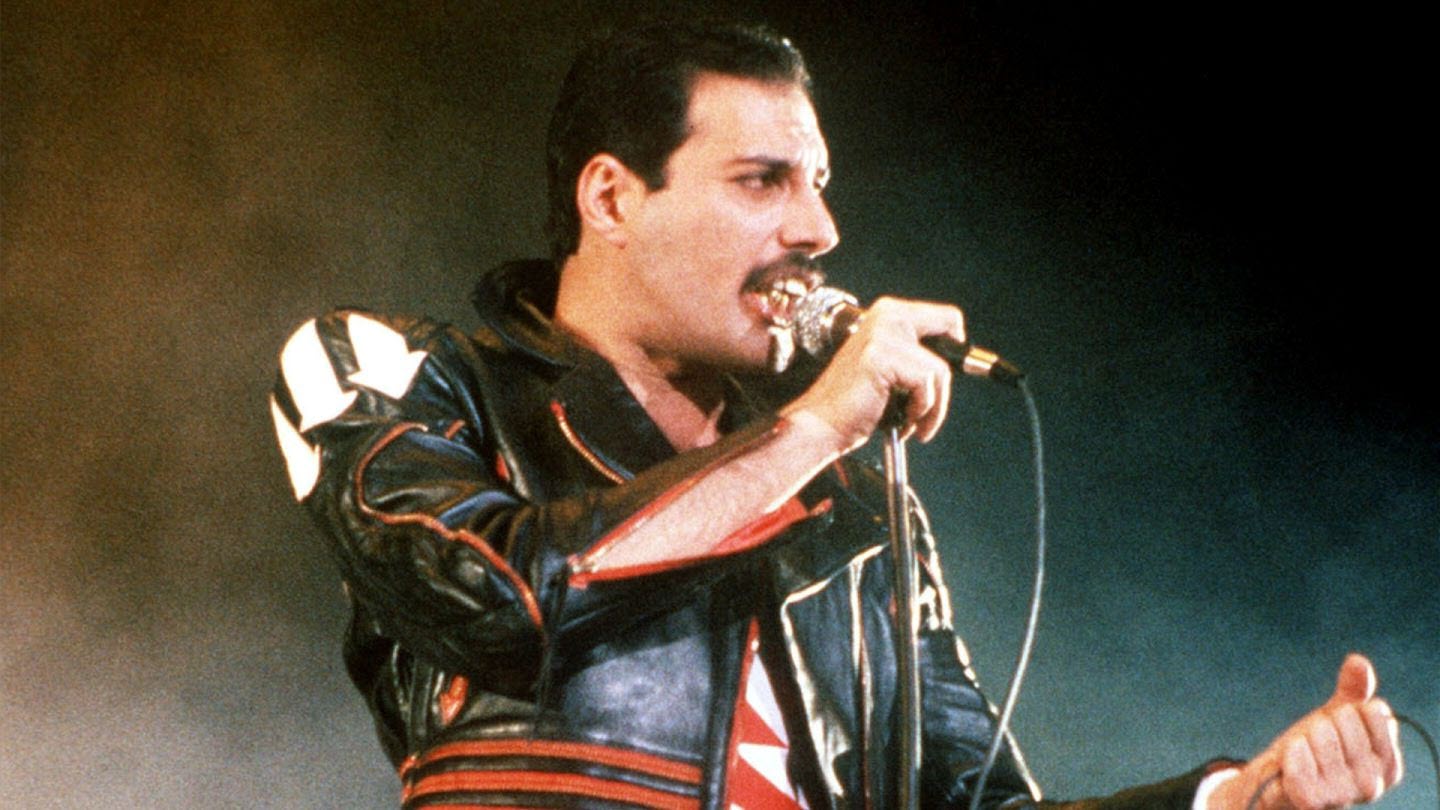
Freddie Mercury turned melody into theater and turned stages into home. That elastic voice could whisper like velvet or leap like a comet, and his writing framed both moves with daring harmony and precise rhythm. From piano torch songs to stomp and clap anthems to fearless experiments that stitched opera to rock, he treated emotion as a palette with endless colors. There is wit in every aside, romance in every lift, and showman spark in all the seams. These ten essentials capture the joy and nerve that still pull strangers into a single chorus. Turn it up. The lights already know what to do.
1. Bohemian Rhapsody
A piano confession turns into a choral comet and then lands in a guitar storm that still sounds like tomorrow. Freddie Mercury writes and performs as a ringmaster of feeling, moving from tender self inquiry to courtroom drama to headbanger release without losing the thread. The opening is intimate and close to the microphone, a lullaby with questions. Then the room widens as stacked harmonies arrive, precise and playful, every vowel shaped like a piece of stained glass. The opera section is giddy and serious all at once, proof that curiosity can be spectacle. By the time Brian May’s guitar steps in, the emotional arc has earned the voltage. The band slams into a groove that feels like relief and bravado in equal parts, while Freddie rides the crest with a smile you can hear. What keeps this epic from collapsing under its own weight is design. Every section knows its length and purpose, every return to the piano helps the heart keep count. The final hush does not resolve as much as glow, like a candle lit after a storm. Play it for a crowd and watch a room become a choir. Play it alone and feel seen by a work that refused small categories.
2. Somebody to Love
Gospel joy and pop intelligence meet at the piano and shake hands. Freddie starts with a prayer you can dance to, channeling church cadences through a voice that can soar yet never loses its human grain. The choir behind him is the band itself, multitracked into a jubilant congregation that answers every plea with bright harmony. The rhythm section swings with clean authority, letting the verses rise and fall like a set of steps built for dancers and believers alike. The lyric is simple and brave. It asks out loud for what many hide, then turns the asking into a pulse that moves bodies. Listen for the little pushes in Freddie’s phrasing, the way he leans on love one moment and flips a quick run the next. Brian May’s solo sings rather than shreds, and the band pulls back just enough before the last lift to make the final release feel like sunrise. The magic is conviction. The theatrics serve truth instead of hiding it. By the coda, when voices stack into that glorious wave, the question has already become an answer made of rhythm and breath.
3. Dont Stop Me Now
A rolling piano figure clicks on like a bright engine and suddenly the night is yours. Freddie sings as a guide who knows exactly which corner will bloom into neon next. The tempo is quick without panic, drums skipping with dancer poise, bass walking lines that feel both athletic and friendly. Guitar decorates in small bursts, leaving the song’s center to the voice and keys. The lyric is a list of flights and sparks, rockets and laser beams served with a grin. Yet the jubilation is not empty. It is an argument for unashamed joy. Freddie’s timing is a marvel, clipping consonants to ride the pocket, then opening the title phrase so it feels like tall windows thrown wide. Backing vocals pop in like party guests with perfect comic timing. Each return to the hook earns a little more air. The bridge drops the floor half an inch before the final sprint and that tiny shift keeps the rush fresh. This is velocity you can trust. It takes you fast, but the craft keeps hands steady on the wheel. Rooms brighten when it plays because it invites everyone to say yes at once.
4. We Are the Champions
Triumph can be loud. Here it is also wise. Freddie frames a simple chord sequence with a vocal that narrates struggle without self pity and victory without gloat. The tempo is a stately walk that lets every listener step in time, stadium and living room alike. Piano sets the pillars, bass reinforces the floor, and drums arrive with measured emphasis that turns phrases into milestones. The melody climbs through a gentle key lift that feels like a hand placed on a shoulder. Freddie’s diction is immaculate, every word shaped to carry across distance, yet nothing sounds forced. Brian May’s guitar floats like a banner, melodic and firm, while the choruses stack voices into a communal vow. What keeps the anthem evergreen is balance. It is big enough for crowds, but the verses feel close enough to keep your story inside it. You do not just sing along. You remember why you get back up. The final repeat holds a few extra beats of silence around the last word, like a ring of light after a camera flash. That afterglow is the record’s secret gift.
5. Love of My Life
Whispered devotion, captured with the patience of a chamber piece. Freddie sings as if the room were small and the stakes enormous, and the microphone becomes a confidant rather than a spotlight. The harmony is full of tender turns, chords that tilt just enough to tug the chest, and the arrangement mostly stays out of the way. Brian May’s acoustic guitar is a second narrator, arpeggios breathing under the vocal like steady compassion. Strings arrive sparingly and therefore glow. The lyric is direct and unguarded. It asks and it promises without a single wasted flourish. The performance lives on control. Freddie holds back just enough air on certain words to make them intimate, then opens a phrase so it carries warmth rather than show. In concert this became a communal hymn, entire arenas singing the melody back to its author, which says everything about the simple rightness of the tune. On record you hear privacy and courage in perfect measure. It is the sound of someone choosing tenderness and letting the world watch.
6. Killer Queen
Champagne wit on a clockwork groove. Freddie paints a portrait in small decadent details, every line a wink, every rhyme a balancing act between cabaret and cutting edge pop. The rhythm section keeps immaculate posture. The bounce is elegant, never stiff, and that let us in swing makes the vocal acrobatics read as effortless. Brian May’s guitar becomes a chorus of voices, harmonized lines darting and dovetailing with precision that still feels playful. Handclaps and piano join the party at the perfect angles, giving the production its canteen of sparkle. The melody hops across intervals that would crumble under a lesser singer, and Freddie lands each leap with feline grace. The song is a master class in economy. Two and a half minutes, no fat, and yet a whole world of character walks through. Novelty would have dated it. Character protects it. By the last flourish, with voices and guitars braided into a final grin, you understand how a clever story can be a sturdy pop classic when the craft is this exact.
7. Under Pressure
A bass figure as simple as a heartbeat becomes the floor for a conversation between two singular voices. Freddie meets David Bowie in a duet that treats stress as both subject and stage direction. The lyric moves from street snapshots to a plea for kindness, and the melody follows with lines that strain and then soothe. Drums and piano drive a steady climb, while Brian May’s guitar adds quick lifts like hands helping over a wall. The arrangement breathes, giving each singer room to phrase with their own instinct before they interlace in harmonies that sound like argument learning to become agreement. Freddie’s high notes in the late moments are dazzling, but the fragile lines are where his generosity shows. He makes space for a partner and for the message. The famous break where everything falls quiet before the final declaration is theater that serves meaning. When the hook returns, it lands as a recognition rather than a trick. The track remains a handbook for collaboration and compassion dressed in a groove that cities will always understand.
8. The Show Must Go On
Mortality walks into the studio and meets courage dressed as craft. Written with his bandmates, sung with a will that turns fragile breath into bright fire, this performance has become a legend because it sounds like a promise kept. The verses climb over elegant chord changes, minor to major like weather over water, and Freddie shapes the arc with actor precision and singer warmth. The rhythm section keeps the ground firm, while synth and guitar trace constellations above the melody. Brian May’s solo speaks in complete sentences, lyrical and sure. Freddie’s final choruses are not loud so much as decisive. Every vowel is placed, every consonant lands, and the title line becomes more than a trope. It becomes a statement of how to carry on without pretending the cost is small. Production wise, the track balances sheen and heart. Nothing is cluttered, everything supports the vocal truth. By the last held note, the singer has turned private struggle into shared strength, which is a rare alchemy even among giants.
9. Crazy Little Thing Called Love
A rockabilly postcard written in a few minutes of bath time inspiration becomes a stage favorite because it wears its joy so well. Freddie plays rhythm guitar and front man with a grin, tipping his hat to early rock while keeping Queen crisp and contemporary. The groove snaps and struts, drums and slap style bass moving like good shoes on clean floorboards. Guitar tone is sunlit and tasteful, with a brief solo that sings rather than shouts. The lyric is feather light, a set of flirty lines that let the melody do most of the work, and Freddie’s phrasing knows exactly when to wink. Backing vocals add friendly lift without crowding the pocket. The charm is the touch. No one overplays. The energy is high, but the parts breathe. You can hear how much fun the band is having without a single indulgent flourish. Some songs change the world by being huge. This one improves the hour by being perfect at what it wants to be, which is sometimes the greater trick.
10. Barcelona
A fearless conversation between rock star and opera diva becomes a civic anthem and a lesson in curiosity. Freddie teams with Montserrat Caballé and writes a piece that treats the city as muse and stage. Synth brass and orchestral colors build a ceremonial frame, drums give modern pulse, and the vocal lines soar and entwine with delight. Freddie meets operatic phrasing head on, not as a tourist but as a respectful partner, shaping vowels with open throat clarity and lifting into head voice that gleams. Caballé answers with majestic ease, and the two trade leads until they become a single instrument. The chorus blooms like a square filled with flags, yet the verses leave room for intimacy and wonder. This is audacity married to taste. The production could have turned gaudy. It does not, because the melody is strong and the singers listen to each other. The result is neither crossover gimmick nor novelty. It is a real collaboration that honors tradition while planting new flowers in its garden. By the final cadence, joy feels like architecture, and the city in the title feels like a living character that has just learned your name.

David Morrison is a frequent contributor to Singers Room. Since 2005, Singersroom has been the voice of R&B around the world. Connect with us via social media below.









