
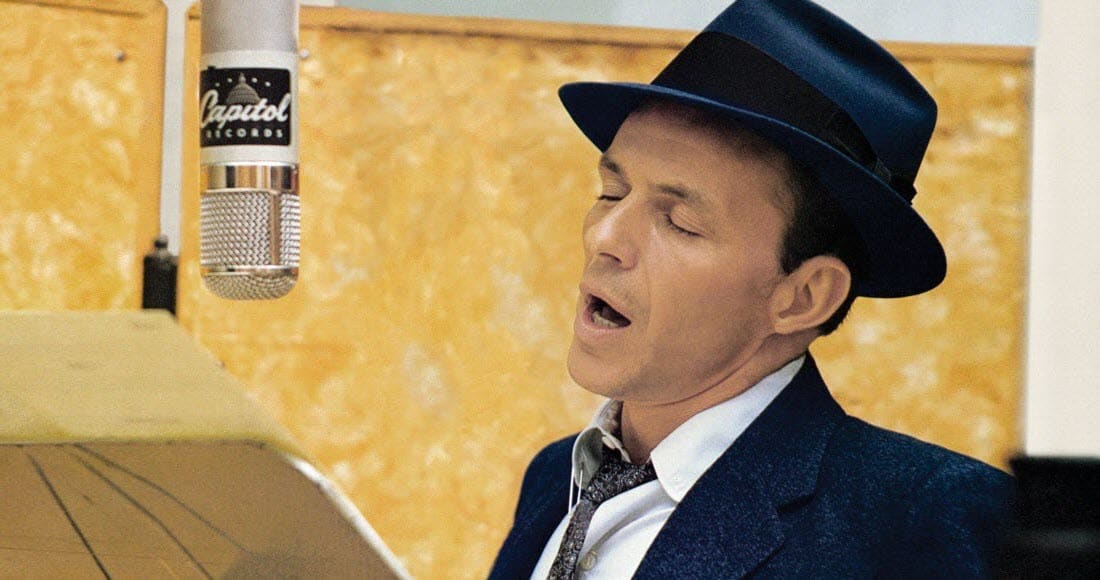
Frank Sinatra could melt a room with a whisper or swing a city with a grin. He sang like he was holding your gaze across a small table while an orchestra painted light behind him. Breath control became drama. Time felt elastic in his hands. He could float over a rhythm section, land exactly on the beat for a smile, then lean back again as if to say trust me. These ten fixtures show craft and charisma turning classic American songwriting into lived experience. Brass shouts, strings sigh, and that voice explains love, luck, loss, and second chances with unhurried authority.
1. My Way
The song moves like a ceremony. A quiet introduction invites the room to lean in, and the first verse arrives with conversational poise. The arrangement grows by careful degrees, strings widening, rhythm section stepping forward, never stealing light from the vocal. What makes this performance endure is control. Sinatra shapes each line as if he were folding a letter for someone he respects. Consonants have spine, vowels carry warmth, and the pauses feel like hard earned thought rather than empty silence. The lyric could easily sound boastful in other hands. Here it sounds like a private inventory shared with honesty. The melody opens its arms at the title phrase, then settles back to reflection, which lets the final ascent feel inevitable rather than forced. Listen to how the orchestra answers him, brief brass halos, a timpani whisper, a string climb that behaves like breath. The closing bars are not a roar, they are a steady raising of the curtain to show daylight. It is the sound of resolve without swagger, dignity without distance. People choose this for milestones because it makes courage feel like a daily habit, not a slogan. You finish it standing a little taller.
2. Theme From New York, New York
From the first bar the brass has curbside sparkle. Drums take a confident stroll, and the piano lays out the route like street signs. This reading turns a city into a personal vow. Sinatra sings the opening lines with almost teasing restraint, then leans into the first lift as if stepping off the curb and finally seeing the lights. The arrangement understands theater. Reeds chatter in the corners, trumpets throw confetti at the chorus, and the rhythm section keeps the stride clean so the vocal can swing without hurry. The charm lives in phrasing. He stretches the word start just enough to make the promise feel real, then snaps the consonants on brand new art like a ribbon cutting. The middle section pulls the dynamic back to a simmer, which sets up the return like a skyline reveal. When the last refrain widens, the room widens with it. You can almost see hats rise in the air. The coda does not shout to be heard. It rides final figures that sound like taxis and midnight windows and a grin that knows tomorrow will be louder. Put it on for any new chapter. It turns ambition into a friendly companion.
3. Fly Me To The Moon
Here is swing with star dust on the lapels. The rhythm section sets an easy glide, cymbals whispering, bass walking with gentlemanly confidence. Sinatra enters like a dance partner who guides without pushing. The melody is a sequence of small arcs, each one placed to let the lyric land with grace. He toys with the beat, leaning back a breath on love you, then landing square for the payoff, which makes the whole thing feel like conversation that happens to rhyme. The band comments in quick smiles, piano comping with city light sparkle, brass answering key words like an elegant amen. The magic sits in balance. The performance keeps the romance weightless without losing depth. Mentions of spring and Jupiter stay pictures rather than costume. The last chorus tightens focus and adds just enough lift to make the final cadence feel like a window opening. It is a master class in how to make a standard fresh through timing and tone. Play it late with friends or early while coffee steams. It always lands as casual perfection, the kind that takes a lifetime to learn.
4. Strangers In The Night
A gentle pulse starts the scene and the orchestra rests its elbow on the melody with relaxed confidence. Sinatra tells the story like a witness who enjoys the suspense. He keeps the lines short and clear, easing into the title phrase as if approaching someone across a crowded room. The hook is not shouted. It is coaxed. That restraint makes the later ad libbing feel like an earned smile rather than a trick. Strings carry a soft glow, reeds paint corners with pastel color, and a drum brush keeps the floor polished. The famous closing scatting is a wink that belongs to the moment, never a detour. What gives this record its pull is mood. It captures the hour when a place is noisy and intimate at once, when chance feels like it has good manners. Sinatra rides the tempo just behind the beat so that each confession sounds unhurried. The bridge narrows the room, the final chorus widens it, and the last line leaves a door slightly open. It is a portrait of possibility sung with assurance and a hint of mischief. It keeps turning strangers into partners on every dance floor it visits.
5. Ive Got You Under My Skin
This is swing architecture at its most elegant. A light setup, a knowing glance of a verse, then the rhythm locks and the flirtation begins. Sinatra moves through the lyric like a dancer tracing the edge of a rug. He gives the line do so well with a sideways smile, then leans into the admission I would sacrifice anything with a little extra air so the consequence feels real. The orchestration is a marvel of patience. Woodwinds tickle, brass lays back, and the famous build arrives in slow sturdy steps, tension rising bar by bar until the release lands with bright delight. A trombone solo speaks in full sentences, sly and warm, before the vocal returns a shade bolder. The secret is dynamics. Everything breathes. Nothing is rushed. The groove is firm but elastic, which lets the singer stretch emotion without losing stride. By the last chorus the arrangement is shining yet still transparent, and the final tag lands like a toast that turned sincere mid laugh. It is a confession set to motion, urbane but not slick, and it teaches a room how to swing simply by existing.
6. The Way You Look Tonight
A hush, then a melody that walks with roses in its hands. This is tender craft, built on long lines that ask for breath control and emotional patience. Sinatra sings as if he were talking softly to one person in a quiet kitchen after a long day. He smooths syllables without flattening them, gives glow the tiniest lift so that the word earns its light, and lets the consonants kiss the ends of phrases rather than snap them shut. The arrangement wraps him in soft strings and a patient rhythm, never crowding the center. Piano hangs a lantern on key moments, and reed lines float like the thought you have half a second before you speak. The heart of this performance is sincerity. There is no grand gesture, only a steady pledge that admiration can be a daily habit. The bridge raises the temperature just enough to make the return feel like a held hand. It is a lesson in singing with respect for the lyric, for the room, and for the listener. You finish with the sense that romance can be quiet and still feel larger than a city.
7. Come Fly With Me
Here is a ticket and a grin. The rhythm section sets a brisk cruise, and the horns wave from the jetway with bright welcomes. The lyric is a postcard tour written by a charming guide who knows the best tables and how to tip. Sinatra rides the groove like a pilot who enjoys smooth air. He clips certain lines for bounce, elongates others to show the view, and always lands right on time. The band colors the map with splashes of brass and quick reed chatter, while the drums keep a light kick that feels like wheels leaving the runway. The joy sits in imagery served with timing. Exotic place names become rhythm toys, and the chorus opens as if cabin shades were lifting at once. There is showbiz sparkle here, yet it never feels canned because the phrasing keeps a human wink in every measure. The middle section eases up for a breath, then the final lap lifts again and brings everyone home smiling. Play it before a trip and it feels prophetic. Play it after a long day and it turns the couch into a window seat.
8. Thats Life
A piano gambit, a brass shrug, and then a voice that has seen the calendar and is still in the mood to sing. This is resilience with a swing in its step. The verses list the stumbles and the comeback plan with equal relish. Sinatra chews the consonants like a comedian who knows how to time a punch line, then opens the chorus with a bark that turns into a grin. The band plays like a pep talk wrapped in velvet. Trumpets testify, saxes nod, the rhythm section stays tight but loose enough to keep the shoulders rolling. The secret engine is attitude. Defiance never turns bitter. Wisdom never turns heavy. He sells grit as a choice you can make again tomorrow. A brief pause in the bridge lets the lyric lean closer, then the final stretch returns with extra spark rather than extra volume. It works at closing time, at a graduation, on a Tuesday when the week already feels long. You leave with the sense that setbacks can be narrators, not jailers, and that a good band helps. The last phrase lands like the door swinging open for another round at the same good place.
9. Luck Be A Lady
The curtain lifts on a city of dice and silk. The orchestra walks with theatrical poise, low brass murmuring like a backroom argument while the high brass flashes a gambler’s smile. Sinatra treats the lyric as a stage scene. He addresses luck directly, part plea and part charm offensive, and each repetition of the title tightens the focus. The tempo is measured, which lets tension bloom. Drums place accents like chips on felt. Woodwinds whisper in sly little runs. The vocal shapes a character who believes persuasion is an art. He rides the groove just behind center, that classic move that makes confidence sound effortless. What makes the record addictive is contrast. Swagger stands next to vulnerability, elegance next to street sense. The arrangement builds a grand staircase, yet the singer never loses eye contact. The final figures open the doors to an imagined midnight where everything seems possible for one more hour. Even away from the stage the performance feels cinematic. Put it on and the room gets brighter and a little more dangerous in the best way.
10. It Was A Very Good Year
Oboe and strings place a late evening halo on the first line, then the story unfolds in measured paragraphs. This is memory written with a fountain pen. Sinatra sings with patient diction, giving each age its own color without sentimentality. The orchestra supports like a thoughtful narrator, cellos providing the undertow, flutes adding brief light to the portraits. The tempo never hurries, which invites listening the way a good novel invites turning pages slowly. The key to the performance is perspective. The singer is neither bragging nor apologizing. He is accounting with gratitude. Phrasing is unhurried, breaths placed so the listener can picture every streetlamp and window. The final stanza widens the frame from youth to seasons, and the last notes settle like a book being closed with care. It is an example of how a popular song can carry the weight of literature without strain. Play it when the year turns or when the house is quiet and you need to measure what time has given and taken. It will make inventory feel like grace, which is a rare gift in any art.

David Morrison is a frequent contributor to Singers Room. Since 2005, Singersroom has been the voice of R&B around the world. Connect with us via social media below.









