
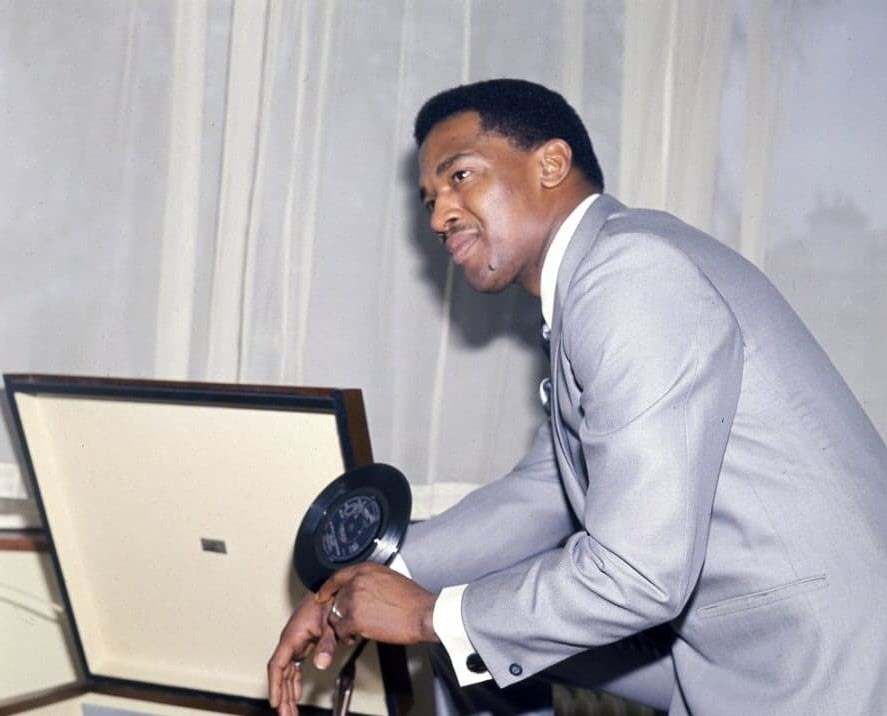
Edwin Starr sang like a fuse already lit. His voice was gravel and gold, a trumpet and a sermon, a smile with its sleeves rolled up. From Detroit sidewalks to global stages, he turned rhythm into resolve and pleasure into purpose. Horns punched like sunshine through blinds. Drums marched with the certainty of a crowd that knows where it is going. Even the quiet moments felt charged with promise. These ten essentials show a master of message and movement, a singer who made records that lift bodies first and then leave you thinking for days after the last note fades.
1. War
The first seconds are a summons. Drums square their shoulders, horns stand tall, and then the voice arrives with grit that feels like the truth clearing its throat. Edwin Starr does not sell this song. He testifies. He drives the lead line like a rallying cry while the backing voices answer like a determined crowd. The groove has muscle and glide, a rare blend that lets you move while you measure the cost of what the lyric weighs. Brass lines jab and shimmer, guitars keep a taut lattice underfoot, and the rhythm section never loosens its grip. What makes this recording endure is the way the performance marries clarity and heat. There is no fog. The message is as plain as daylight and yet the arrangement delivers real drama without empty decoration. Listen to the way Starr shapes single words, the way he lands on consonants like a verdict and stretches vowels just enough to let feeling breathe. The ad libs are not garnish. They are sparks thrown from the engine. By the time the last chorus circles back, the track has become a ritual, equal parts dance and demand, the rare single that can turn a room into a discussion while it shakes the floorboards.
2. Twenty Five Miles
Feet first. That is how this classic works. A marching snare sets the pace, handclaps click into place, and bass strides with cheerful insistence. Then Edwin Starr barrels in, a traveler who is tired but unbroken, counting down steps like a promise to self. The verses swing with bright guitar slashes and little horn replies that feel like landmarks on a long walk home. The chorus is pure lift, a melody you can sing while lacing boots or leaning on a bus stop pole. There is craft everywhere. The arrangement holds back just enough in the verses so that each return to the hook feels like turning a corner and seeing the porch light. Starr’s vocal is a master class in stamina as expression. He rasps and soars, then drops to a talk like confidence that keeps the story human. The bridge opens a brief window of reflection, then the beat snaps back and the march resumes. You can hear the Motown school of momentum in the way the drum pattern nudges you forward without strain. Most travel songs are about scenery. This one is about will, and it remains the finest soundtrack for any day when the goal is close, your legs are burning, and you know you are going to make it.
3. Stop the War Now
Companion piece to a famous anthem, this record chooses a different lens. The tempo eases a notch, the pocket widens, and the message turns from slogan to plea. You hear layered backing voices that sound like neighbors leaning out of windows on the same block, adding warmth rather than echoing slogans. The rhythm section moves with deliberate calm. Cymbals breathe, bass draws long lines, and strings rise like distant weather. Over this grounded canvas, Edwin Starr delivers a vocal that is more coaxing than scalding, the voice of someone who believes that patience can be fierce. The arrangement is a study in dynamic control. Horns blaze at chosen moments then step back. Guitar phrases sketch gentle commentary. There is a lovely sense of space that invites the listener to consider each thought as it passes. It is easy to miss how hard it is to sing with this kind of restraint. Starr keeps the power coiled and only lets it loose in brief flashes, which gives those moments their weight. The last climb gathers the ensemble into a steady wave and then lets the shore have the final word. It is a protest song that trusts melody and conversation, and that is why it continues to feel persuasive rather than only historic.
4. Agent Double O Soul
A spy caper done in soul colors, swaggering but smiling. The horns strut like a secret mission in broad daylight. The drum kit keeps a crisp shuffle, and the bass puts a wink on the second beat so the whole track moves like a confident walk down a busy street. Edwin Starr inhabits the role with charm that never turns into costume. He sings as a man who knows the assignment is romance and the gadgets are rhythm and voice. The verses roll on call and response patterns that feel like quick camera cuts, and the chorus lands with such ease that you remember it immediately. There is delightful detail everywhere. Guitar stabs that flicker like neon. A brief break where the band steps aside just enough for Starr to flash a grin before the horns re enter. The record is also a snapshot of mid sixties Detroit studio craft, tight rooms and tighter bands, where parts interlock without fuss and every bar advances the story. What endures is the tone of the performance. It is playful without self parody, cool without distance, and it proves how naturally Starr could make character pieces feel like personal confession. Put it on and the room gets brighter by several shades.
5. Stop Her on Sight SOS
Northern soul fuel at its most efficient and exhilarating. From the count off this is motion, a brisk drum pattern pushing a bright horn carousel and a bass line that hops like good news. Edwin Starr rides the top line with clipped urgency, a lover who has turned detective without losing his optimism. The verses are built from compact phrases that click together like a code, then the title phrase arrives with a melody that grabs you by the collar. The arrangement is lean yet rich. Tambourine sprays just enough sparkle. Guitar stays close to the pocket, offering rhythmic teeth without chewing scenery. Those trumpet and sax punches are the secret engine. They comment, they underline, they make the air feel electric. Starr’s phrasing is deliciously precise. He snaps consonants and then opens vowels so the energy never feels cramped. Listen for the way the band drops out for a heartbeat at key moments and how that breath makes the return of the groove feel like a new start. The track is two and a half minutes of proof that urgency can be joyful. On dance floors from Detroit to Wigan it has done exactly what it promises. It stops you, then it sends you flying.
6. Funky Music Sho Nuff Turns Me On
This one is a furnace lit by the first bar. Drums lock into a thick pocket, bass walks with a grin, and the guitars chatter like a friendly argument. Horns do not decorate. They exhort. Edwin Starr sounds delighted to be inside this engine, praising rhythm with preacher cadence and club born ease. The lyric is simple by design. It is a testimonial to the art that feeds the room, delivered with a smile you can hear. What separates the performance from lesser funk shout outs is the discipline in its heat. The groove never frays. Parts repeat with intention, creating a trance of forward motion that feels communal rather than mechanical. Starr’s timing is impeccable. He knows exactly when to pull back into a conversational aside, then lean forward and fan the flame. The breakdown is small but perfect, a few bars of reduced pressure so that the full band hit lands like a door flung open. You can also hear a lineage here, the way gospel call and street corner brag became soul celebration. Put it on loud and notice how every person in the room finds a different corner of the beat to enjoy. The record is a shared language where joy is the whole message.
7. Contact
Late night city lights refracted through a disco prism. Strings sweep and wink, rhythm guitar ticks like a friendly clock, and the drum pattern sets a steady four to the floor that never stiffens. Edwin Starr steps into this world with authority, using that famous sandpaper tone to etch the word contact into neon. The lyric plays with space age imagery as code for romantic reach, but the performance keeps feet on the street. Bass carries the melody as much as the chords do, a reminder that dance music breathes from the low end up. The arrangement is full but smart. Handclaps appear in the right places, never clogging the runway. Synth accents flash and vanish. Those high strings lift the chorus without turning it sugary. Starr sings like a man pleased to have a second wind, knowing exactly how to ride a groove that belongs to a new decade while sounding unmistakably himself. The middle break gives the arrangement room to flex, then the hook returns with more shine. It is easy to hear why this record connected on both radio and floor. It is a handshake between grit and gloss, a proof that conviction travels beautifully when wrapped in velvet rhythm.
8. H.A.P.P.Y. Radio
A smile you can dance to. The premise is homely and perfect. Morning arrives, the dial clicks, and a voice from a box reminds you that a day can begin with music as fuel. The track hustles without hurry. Drums keep a friendly bounce, bass writes a cheerful counter melody, and keys add bright splashes that feel like sunlight on a kitchen table. Edwin Starr leans into the role of companion, not star over your shoulder but neighbor through the speaker. The chorus spells its joy with a grin and lands so quickly you cannot help but echo it. The disco toolkit is present, strings, syncopated guitar, steady kick, yet the arrangement keeps the humanity in view. What makes it work is tone. This is not irony or cool detachment. It is an unembarrassed appreciation for the way a song can change your posture and your plans. Starr sings with an ease that suggests a man who has learned enough about the world to welcome simple miracles. Listen for the little background vocal replies that behave like a room of friends agreeing in rhythm. By the fade you feel taller and lighter, which is as fine a measure of success as any chart number.
9. Headline News
Here is vintage Detroit street theater pressed into a two and a half minute thrill. The beat is brisk, as if the band had a train to catch, and the horns write exclamation points around every phrase. Edwin Starr delivers the lyric like a reporter with style, narrating the urgency of romance as if it were front page copy. The tension in the track comes from its delightful contrasts. The rhythm section is tight as a drum, yet the vocal floats, darting in and out of the pocket with sly smiles. The chorus pops like a headline in large type then yields to verses full of quick detail. Tambourine and handclaps function as crowd noise and confetti. Guitar lays down a percussive carpet that keeps shoes moving. What elevates the record is the sense of motion inside each bar. Nothing sags. Even the briefest instrumental turn feels like an alley shortcut. Starr’s phrasing is crisp without stiffness. He bites into key words, then relaxes into the groove to let the band finish the sentence. It is a gem of the Ric Tic period, an example of how he could make youthful energy feel fully professional, and why dancers around the world still flock to this cut when a DJ wants a room to lift.
10. There You Go
A seventies single that feels like a well cut suit. The groove sits low and confident, bass walking with intention while the drums keep a relaxed but undeniable push. Horns color the corners with warm flourishes, never barking, always speaking. Edwin Starr sings with gentleman fire, a voice that can grin and warn in the same breath. The composition is a study in balance. Verses unfold with conversational ease, lines that sound like talk overheard on stoops and in clubs. Then the title phrase arrives with melody that glides rather than punches, and suddenly the scene snaps into focus. You hear echoes of classic soul craft in the backing vocals, carefully placed and always supportive. You also hear the forecast of modern funk in the rhythm guitar and the way the bass assumes part of the lead role. The bridge opens a short window for reflection, then the main pattern resumes with slightly deeper color, as if the narrator had taken a breath and found the exact tone he wanted. The performance is not flashy. It is confident. That confidence lets small moments shine, a little turn of a vowel, a tiny horn answer, a drum fill that lasts only a heartbeat. It is proof that Edwin Starr could take any room size and fill it with presence and poise.

David Morrison is a frequent contributor to Singers Room. Since 2005, Singersroom has been the voice of R&B around the world. Connect with us via social media below.









