
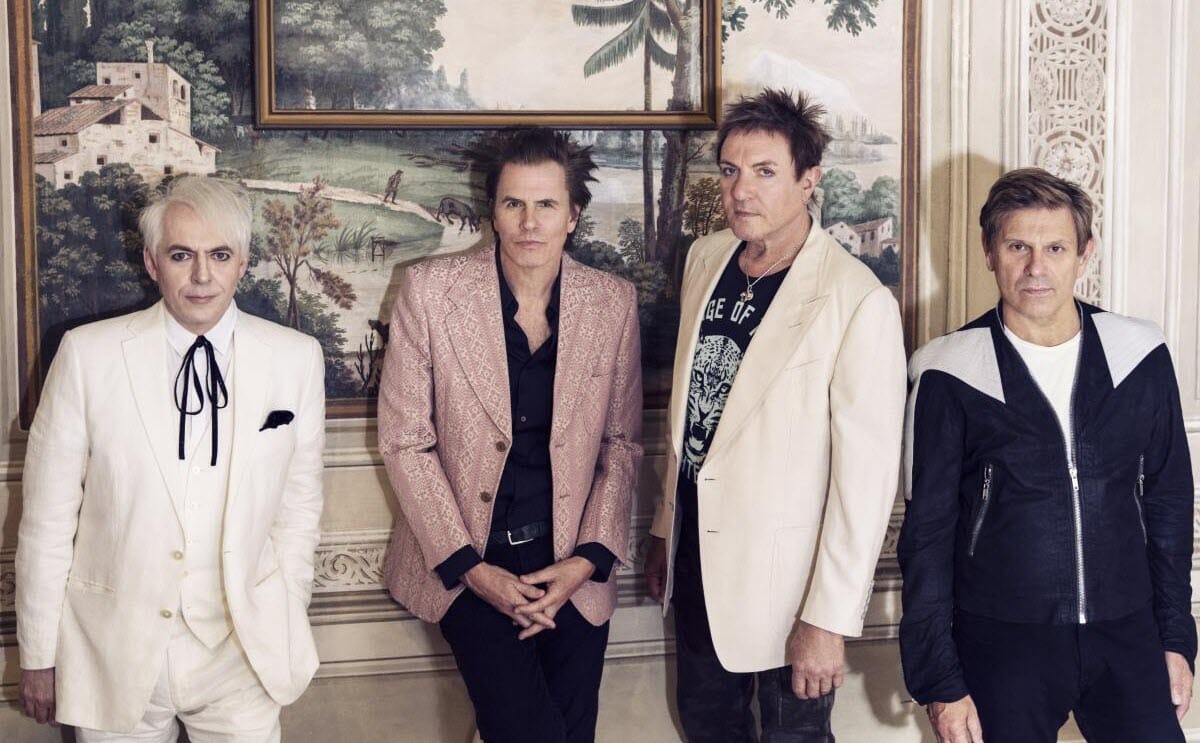
Duran Duran built a world where satin suited glamour met dance floor grit and somehow both won. Their songs sparkle like neon reflected on rain and still land with the punch of a great rock band. Bass lines purr and prowl. Keyboards paint skylines. Guitars slice in bright diagonals while drums keep the runway lit. At the center is a voice that can flirt, narrate, and confess without changing outfits. These ten essentials map the band’s long arc from art school thrill to widescreen anthems and late night ballads. Press play and you can almost feel the camera pan as the chorus arrives.
1. Hungry Like the Wolf
From the first chiming riff the air tilts forward. A clipped drum pattern begins to stride and the bass adds a sly grin that never leaves. The vocal makes a game of tension and release, savoring consonants, elongating vowels, then letting the hook pounce. What feels most modern is the balance of precision and appetite. Every part is tidy yet the whole track suggests motion that cannot be fenced in. The keyboards do not simply shimmer, they sketch alleys and open squares, places where the chorus can turn a corner and arrive with a full view. Backing lines answer the lead like reflections in a fast shop window. The verses build through short phrases that feel like snapshots, then the pre chorus tightens focus so the refrain can burst cleanly. Nothing lingers longer than it should. Even the famous laugh is structural, a hinge that flips the picture and invites the next chase. Play it loud and the room suddenly shares one heartbeat. Play it in headphones and you notice tiny details, the soft lift into a syllable, the quick guitar aside, the synth that draws a faint horizon. Control lets the animal spirit stay elegant, which is why it still sounds brand new.
2. Rio
A bright keyboard fanfare opens like sun on water, and the rhythm section steps in with an effortless strut. The bass writes curves that feel aerodynamic, the drums keep a steady smile, and the vocal rides the verses with storyteller poise before opening wide on the title line. There is romance in the lyric, yes, but there is also geometry. This is pop that knows how to place each color so the whole painting glows. Listen to how the guitars flicker in the margins, adding sparkle without crowding the center. A saxophone slips in like a sea breeze, lifts the temperature by a degree, and leaves before you can name the shade. The chorus does not aim to flatten you. It aims to make the room taller, and the melody achieves that with a clean leap that any crowd can sing. The bridge acts like a dock. It resets balance, lets the bass and keys show their forms again, then sends you back into the open with fresh momentum. The lasting trick here is joy engineered with care. Every element smiles but none of them winks. As a result the glamour feels generous rather than exclusive, and the song keeps turning ordinary afternoons into widescreen.
3. Ordinary World
A quiet guitar figure opens like a door in rain and the voice arrives with a steadiness that trusts the listener. The tempo is patient, letting each image settle, and the harmony moves through changes that feel like a slow walk toward daylight. Strings widen the sky without stealing focus from the singer. Keyboards add soft lanterns in the corners. The chorus climbs just enough to carry the message across distance, and the melody answers sorrow with resolve rather than thunder. What gives the track its depth is the diction. The lines are simple, the vowels rounded, the consonants clear, and that clarity lets grief and hope share the same room. Guitar steps forward for a lyrical solo that feels like a thought finally said aloud, then returns you gently to the next verse. The arrangement refuses spectacle, which means the last chorus can glow without pushing. By the fade you are breathing easier, not because anything has been denied but because the song has offered language for how to keep going. It is the band’s great reminder that elegance can be a form of strength and that a soft light often shows the map better than a flash.
4. Save A Prayer
This one moves like tide, a slow pulse that never loses time. Guitar arpeggios glisten while the bass traces long, graceful lines beneath them. The vocal sits close, confiding rather than declaring, turning the verses into scenes you can see in the corner of your eye. The chorus opens a little more air and asks you to sing along without raising your voice. The magic is in the band’s patience. Nothing hurries. The drums land with gentle certainty. Keyboards bloom and recede like light through leaves. A short instrumental rise gives the melody space to float, then the calm returns, richer for the journey. The lyric is about the moment between impulse and memory, and the arrangement honors that by refusing to force anything. You hear musicians who trust the shape of the song and understand that restraint is not the same as absence. By the end the hook feels less like an announcement and more like something you already knew but needed to hear in this exact tone. It is romantic and reflective at once, a rare mixture that keeps the track fresh in any setting from midnight headphones to sunrise kitchens.
5. Girls on Film
A camera click turned into rhythm, that is how the opening feels. The groove is lean and chic, bass stepping with dancer confidence while the drum part snaps like good tailoring. Keyboards add flashes of chrome and the guitar chops frame each phrase with sharp edges that never cut the vocal. The lyric is both celebration and critique, a look at image making that understands the thrill and the cost. What makes it work decades later is the tone. The band keeps its posture elegant, and the singer delivers lines with a knowing smile rather than a lecture. The chorus is a chant that fits clubs, cars, and festival fields with equal ease. You hear a group inventing its own brand of glamour in real time, where fashion serves feeling instead of hiding it. A brief middle passage adds color, then the main motif returns with fresh polish. Even the small backing vocal accents feel like camera flashes catching a perfect angle. Put it on during a party and conversation lifts. Put it on when you are alone and you notice how every little part is placed with care so the whole picture keeps moving.
6. The Reflex
Here is an anthem built from rhythm games and bright angles. The verse rides a playful seesaw between bass and keys, the drums place crisp markers that make the floor feel spring loaded, and the vocal teases lines that land a half step before you expect. Then the chorus arrives and the whole room turns into one giant vowel. The famous studio tricks are decoration on a solid frame. What really carries the song is the band’s sense of architecture. Each section hands momentum to the next with designer precision. The guitar does not hog space, it sketches diagonals that make the geometry pop. The bridge behaves like a balcony view, offering a wider look before you tumble back into the hook. It is relentlessly catchy without ever becoming a chant you forget five minutes later. That staying power comes from small musical jokes that keep paying off, little syncopations, vocal yelps that bounce off the beat, keyboard flourishes that feel like confetti tossed at exactly the right moment. It is the sound of five players who know they can be both clever and communal, and that mixture turns a pop single into a civic event.
7. A View to a Kill
Drama enters before the first word. Strings and synths lean into a regal stride and the rhythm section gives the whole scene its city walk. The vocal keeps a cool center, shaping each phrase so the consonants strike like cufflinks catching light. This is a theme that respects the room while still sounding like the band. The chorus does not explode so much as unfurl, the melody rising in clean steps that any crowd can lift, while the bass continues to prowl with elegant threat. Guitar provides sleek glints rather than grit, and that sheen is part of the charm. The track succeeds because the musicians treat cinema as a partner, not a costume. They keep their identity intact inside the larger frame. The middle section gives a brief aerial view and then returns to street level for the final run. By the end you realize how carefully the parts have been placed to feel inevitable. It is a rare bond between franchise grandeur and band chemistry, a performance that can command a theater and still feel like a late night city drive with the volume perfect.
8. Come Undone
Velvet and water. The production moves like both. A soft beat starts the heartbeat, bass threads a dark ribbon through it, and the vocal slips in with a poised hush that feels intimate without ever turning fragile. The lyric is a study in shade, a confession wrapped in invitation, and the melody carries that tension with unhurried grace. Backing voices answer like a distant mirror. Guitar strokes are minimal and exact, while the keyboards float pale colors just behind the silhouette. The chorus rises a single floor and discovers a larger view instead of a louder one. That decision is everything. This record trusts atmosphere to tell the truth. There is a brief instrumental bloom in the center, melodic enough to sing, then the singer returns with a slightly altered hue, as if the room has learned something. Put it on late and it seems to lengthen the night in the best way. Put it on early and it makes the day softer at the edges. The craft is exquisite and the mood is generous, a combination that turns private reflection into something you can share without losing mystery.
9. Notorious
The first hit of the title chant is a calling card and a promise. Then the groove arrives, lean and confident, and the bass takes the spotlight with a line that struts while keeping the pocket deep. The drums are all clean punctuation, tight snare, tasteful fills, exactly what a dance floor needs when it also wants a band. Guitar chops in rhythmic squares, leaving room for the vocal to deliver side eyed lines with playful bite. Horns flash like tailored lapels, adding color without clutter. The secret is swing inside sophistication. Every part is designed, yet nothing feels stiff. The chorus is a crowd magnet, but the verses do the heavy lifting by keeping conversation and motion in perfect balance. A short break lets the rhythm section flex, then the hook returns with even more shine. This is the group building a bridge from club to chart to stage without ever taking off its own shoes. The result is a pop lesson in how elegance can be funky and how authority can smile. You finish taller than you started, and you are probably walking a little cooler too.
10. The Wild Boys
Sirens of synth, drums like iron on concrete, and a chant that turns any room into a single bold line. This is cinema turned into music, and it works because the band brings muscle and focus. The bass hammers a motif that feels like an engine. Percussion throws sparks everywhere. Keys paint a metallic skyline while the vocal alternates between command and release. The verses are brief dispatches, the pre chorus tightens the knot, and the refrain swings it open with a phrase you can shout from a moving car or sing with eyes closed. A mid song sequence gives the track room to show its structures, then the hook slams back with renewed voltage. Texture matters here. Guitars are more about edges and air than riffs, which lets the rhythm do most of the talking. That choice keeps the momentum uncluttered and massive. The lyric touches on bravado and survival, and the performance honors both without tipping into parody. It remains one of the band’s defining storm moments, not because it is loud but because it is disciplined thunder, the sound of a group that understands spectacle and still cares about how every bar lands.

David Morrison is a frequent contributor to Singers Room. Since 2005, Singersroom has been the voice of R&B around the world. Connect with us via social media below.









