
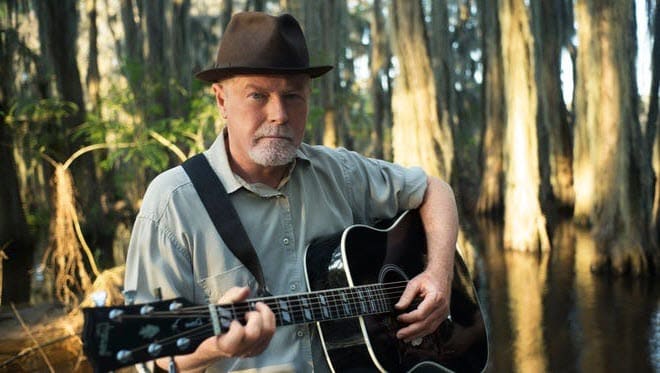
Don Henley sings with the steadiness of a lighthouse and the bite of shoreline wind. The rasp is warm, the phrasing exact, and the songwriting keeps inviting rock muscle into conversation with reflective piano, smart percussion, and harmonies that glow without fuss. His best work paints American rooms at dusk, when the day’s noise has softened and meaning steps forward. These ten songs take you from neon boulevards to quiet kitchens to memory filled highways. The drums are a pulse you can trust. The guitars carry weather and silhouette. The voice tells the truth in plain language, then lets melody finish the sentence.
1. The Boys of Summer
That first synth sheen feels like late light on water, and then the drum part draws a straight white line into the distance. The Boys of Summer is a road that keeps revealing more road, and Henley rides it with a narrator’s calm that turns personal memory into a shared map. He sings in a measured register, letting consonants land cleanly so the story can breathe, and he stretches certain vowels just enough to glow. Guitars arrive as glints along the guardrail, sometimes chiming, sometimes snarling, always in service of the scene. The chorus opens like a view after a turn, and it does not shout to be felt. It recurs the way seasons recur, bringing the same facts while changing everything around them. You can hear smart restraint everywhere. The bass writes long supportive curves. Keyboards widen the frame without fogging it. The last pass feels bigger even though the volume barely moves because the performance has earned its weight. The song understands memory as both comfort and decision. That mixture is why it keeps living in gyms, cars, and quiet rooms alike. It is summer as craft, not just weather.
2. Dirty Laundry
A drum machine snaps to attention, bass gets conversational, and a satirical grin slides across the lyric. Dirty Laundry dances with its teeth showing. Henley leans into rhythmic phrasing that feels like a headline broken into syllables, each word riding the pocket with reporter timing. The groove is lean and superbly engineered. Synth hooks flicker like studio lights, and guitars add clipped commentary that never crowds the center. The chorus is sticky as wet ink, a simple shape that anyone can chant while the verses do the analytic work. What keeps the track interesting long after the jokes land is the musical architecture. There are small builds and smart releases, keyboard figures that return as signposts, and a bridge that rotates the view rather than piling on volume. Henley’s vocal is controlled but not cold. He sounds amused and annoyed at the same time, which grants the song its human center. The production favors clarity, which lets you feel the sting without losing the dance. It is rare to hear a critique that also throws a great party. This one does, and it leaves you humming while the questions keep echoing.
3. The End of the Innocence
A stately piano figure sets the scene like evening light through long curtains, and Henley steps into the room with a voice that sounds both weathered and generous. The End of the Innocence uses classic harmony to carry modern unease. The verses move with storyteller patience, each image placed carefully so that the listener can sit with it. Strings glide in as a kind of measured empathy, and guitar slips gentle colors around the edges without stealing the focus. The drums favor lift over force, which allows the lyric to do delicate work. The chorus ascends just enough to feel like a decision, not a spectacle. Henley’s diction is beautifully clear here. You can hear the shape of every line, which makes the poetry read as truth rather than ornament. The arrangement understands space. Silence and sustain play as important a role as any flourish, so when the melody returns you feel it rather than merely notice it. By the final refrain the title has become a lens, gently focused by piano and voice. It is a song that respects adulthood and offers grace even as it names loss, which is why it keeps growing alongside its listeners.
4. The Heart of the Matter
There is a particular ache that asks for dignity more than drama. The Heart of the Matter gives it exactly that. A patient guitar figure opens the door, and the rhythm section settles into a tempo that feels like honest breathing. Henley sings the verses as if he were talking to a friend who knows the whole story. Then the chorus lifts with an undoubted melody and a message that resists bitterness. Backing vocals arrive like neighbors who have come to help carry something heavy, and piano ties the sections together with tasteful voicings. The lyric is about the work of forgiveness, and the arrangement models that work. Nothing hurries. Nothing shows off. Each part contributes and then steps aside. The bridge is a thoughtful pause rather than a show of fireworks, which allows the last chorus to land with earned conviction. Listen to how the consonants soften as he pronounces the title phrase, and how the sustain on the final vowel hangs like a small benediction. The track is a lesson in adult pop values, where musicianship supports clarity and the hook makes room for meaning. It is comfort music without denial, which is rare and needed.
5. All She Wants to Do Is Dance
The drum groove struts into view with clean sneakers and a mission. All She Wants to Do Is Dance marries social snapshot to joyful motion, and it succeeds because the arrangement is tight enough to show you every detail while the chorus turns into a room wide grin. Guitars chop and shimmer with perfect economy. Keyboards sketch neon signs and radio glow. The bass line keeps conversation with the kick, pushing each verse forward like a friend tugging your sleeve toward the floor. Henley’s vocal approach is a savvy mix of observer and participant. He never lectures, he describes, and his rhythmic delivery lets small barbs land without interrupting the party. The hook is one of those phrases that explains itself musically. The vowels are made to travel and the cadence invites hands to find the beat. A short solo offers color rather than grandstanding, then the track returns to its central motion. The charm is in the balance between edge and ease. It is a dance song with a reporter’s notebook folded in the jacket pocket, and it still works because the band never loses the dancer’s first priority. The pocket rules, the lights gleam, the crowd says yes.
6. Sunset Grill
City air at night, a little smoke, a little neon, and a lyricist who understands how ordinary corners turn mythic when you stand in them long enough. Sunset Grill begins with a slow sway and a keyboard texture that feels like sodium light reflecting off concrete. The bass is a singer here, drawing elegant lines that hold the harmony while the groove keeps a calm shoulder roll. Henley’s voice stays close to the microphone, narrating with empathy and curiosity, never pushing the volume to be heard. The chorus is a wide lens that gathers working people and late night dreamers into the same frame. You can hear careful craft in the way each instrument leaves space. Guitars enter with glassy harmonics, then step back. A synth pad widens the sky, then fades so the vocal can breathe. That patience lets the story bloom. The song treats a burger stand as a kind of secular chapel, a place where time becomes briefly gentle and the world feels possible again. It is a testament to arrangement as storytelling, and it rewards repeat listens because the mix is full of small kindnesses you catch at different hours.
7. New York Minute
Piano sets a spare stage, the drum part places careful footprints, and suddenly the city is both huge and intimate. New York Minute works like a short film, full of small human frames that add up to a portrait of speed and fragility. Henley sings with controlled ache, letting the melody do the lifting where sentiment might be tempted to push. The harmony moves with quiet sophistication, minor colors yielding to measured light, and the arrangement keeps faith with the lyric by never overplaying its hand. Backing voices glide in as gentle witnesses, and the bass keeps the line steady like a train you can count on. The chorus turns a common saying into a moral, and the delivery respects the phrase by refusing to shout it. You feel the weight because the performance lets you bring your own moments to it. A brief instrumental release provides air, then the story returns with a little more compassion each time. This is a city song for people who have loved and lost at walking speed. It shines because it tells the truth softly and trusts the listener to hear.
8. The Last Worthless Evening
There is a certain kind of promise that must be sung calmly to be believed. The Last Worthless Evening understands this, and it builds an arrangement that treats patience as romance. The guitar tone is warm and lightly overdriven, the drums keep a heartbeat that refuses to rush, and the bass draws round phrases that invite the vocal to sit comfortably. Henley’s delivery mixes courtship with candor. He does not boast. He offers steadiness. The verse melody steps forward like a person approaching from across a room, and the chorus opens its arms without show. Backing vocals cushion key phrases, and piano slips in tasteful reflections between lines. What makes the track memorable is its sense of proportion. The bridge adds just enough height to make the final chorus feel like something has been earned, and the outro respects the mood by not staying a moment too long. This is adult pop as craft and care. You could propose with it, or you could nurse a quiet hope with it. Either way, it keeps faith with the idea that love often arrives sounding like clarity rather than thunder.
9. Not Enough Love in the World
A luminous guitar figure opens like morning through blinds, and Henley enters with conversational phrasing that makes each line feel handwritten. Not Enough Love in the World balances introspection with momentum, moving at a mid stride that allows the lyric to speak plainly while the band keeps the room alive. The chorus is both lament and pledge, a melody that rises just far enough to carry across distance without grandstanding. Production choices are thoughtful everywhere. The snare sits smartly, crisp yet never brittle. Keyboards add small halos around the edges, and the bass picks spots to be melodic so the verses never flatten. The short solo sings rather than races, echoing the tune and then handing it back. What gives the song its staying power is tone. Henley’s voice does not scold the world. It admits weariness and then reaches for better. That posture lets the track feel personal and communal at once. You can put it on when you need a compass, and you can put it on when you simply want to admire the way good musicians make space for one another. Either way the title keeps sounding like a task we can share.
10. The Garden of Allah
A noir keyboard landscape unfurls, a guitar line slinks along the curb, and a storyteller strides in with a voice that can smirk and warn at the same time. The Garden of Allah is a cinematic parable, full of lines that click like camera shutters and textures that suggest late night streets where bright promises live beside expensive mistakes. The rhythm section walks with cool certainty while synths and guitars trade glints of chrome. Henley uses his lower register for conversational bite, then arcs up for emphasis in ways that feel theatrical yet grounded. The chorus does not go for size. It goes for spell. It repeats like a sign you keep passing on a long drive until its meaning changes. The track’s middle passages open into instrumental montage, where the guitar speaks in complete sentences and the keys add modern shimmer without blurring the outlines. The production respects narrative pacing. New colors enter to mark chapters, then exit so the singer can frame the next scene. It is a rare pop recording that manages to be moody, witty, and muscular all at once. You finish it feeling as if a short novel has just clicked shut in your hands.

David Morrison is a frequent contributor to Singers Room. Since 2005, Singersroom has been the voice of R&B around the world. Connect with us via social media below.









