
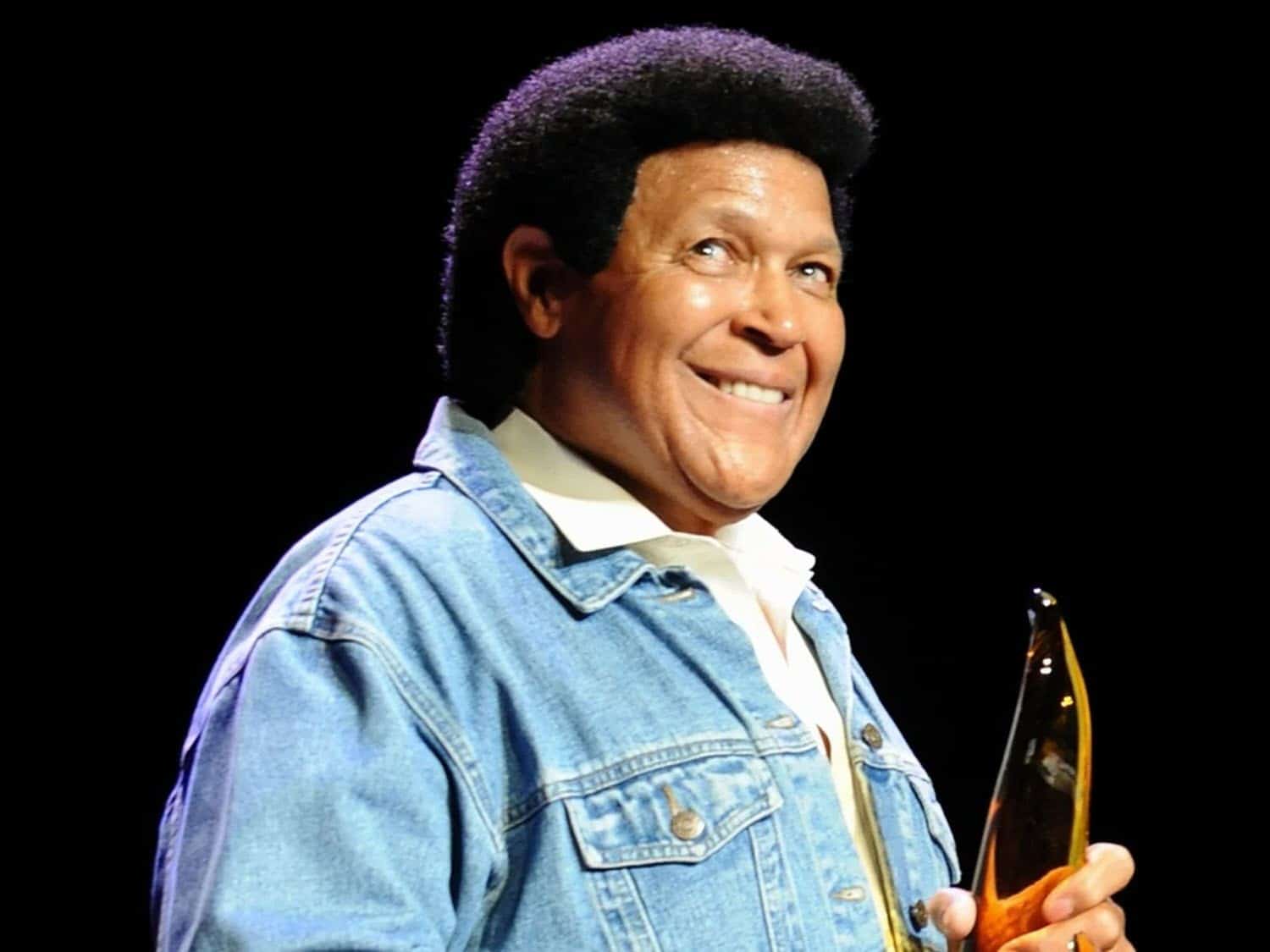
A voice can spark a dance craze. A dance can change who feels welcome on a floor. Chubby Checker did both. With a grin in his tone and a director’s sense of pacing, he turned three chords into instruction manuals that every age could understand. Horns punch like handclaps. Drums hop with trampoline bounce. Guitars flicker like neon. Then that voice counts you in and the room becomes a party where even your uncle cannot stand still. These ten essentials explain how one singer helped rewrite the rules of fun and made American pop feel like a neighborhood block in full celebration.
1. The Twist
The Twist is more than a song. It is a blueprint for a new kind of social permission. The groove lands with a cheerful stomp, the snare right on the money, the bass bouncing like a ball that never loses air. Chubby Checker’s vocal is both host and teacher. He keeps the melody simple enough to chant, then sprinkles little shouts that feel like a friend egging you onto the floor. What makes the record endure is how it removes embarrassment from dancing. You do not need a partner’s formal steps. You need hips, shoulders, and a willingness to smile. The arrangement is spare and perfectly judged. Guitar chops sit tight. Sax curls in and out with quick flashes of brightness. The call to action is the hook itself. Come on baby is an invitation that never ages. On first listen it is pure fun. After dozens you hear craft. The stops arrive at just the right moments to reset the room. The return of the chorus always feels a shade bigger. In three minutes the track moves from novelty to ritual. People who do not know one another share timing and laughter. That is pop alchemy, and this record still performs it without breaking a sweat.
2. Let’s Twist Again
Let’s Twist Again takes the original spark and adds showman polish. The horns flare at the edges like spotlights warming up, and the backbeat has a spring that makes every clap feel a little louder. Checker’s phrasing is a joy. He leans into the consonants just enough to turn words into percussion, then slides into vowels that float over the band. The lyric is a memory and a dare at once. Remember last year becomes a way of saying that joy is renewable and that last summer can be this afternoon if you want it. The chorus opens wider than before, stacking voices into a friendly wall of sound. Guitar and sax trade smiles between lines, and the handclaps work like a second drum kit. The genius is pacing. The song nudges rather than shouts, then explodes at the chorus with gleeful precision. By the time the final refrain comes around, the band is cooking and the listener has become part of the choir. Plenty of hits ask you to dance. This one shows you how to claim a memory while your feet are moving. It is a sequel that feels like a celebration of the first idea’s freedom and its future.
3. Pony Time
Pony Time is dance instruction delivered like a party favor. The beat sits high and bouncy, drums clicking along with a shuffle that suggests sneakers on a gym floor. Checker steps into the teacher role with charm, turning moves into slogans that the whole room can catch on the first pass. The verses dart by with quick snapshots of the step, then the chorus lands as a chant you can repeat whether or not you remember the words. Saxophone lines swirl like ribbons in the air, and the guitar scratches keep the rhythm engine purring. The recording is tight in the best way. Every part knows its job, and the mix leaves space so hands and feet hear exactly where to go next. What gives the track staying power is generosity. There is no cool wall here. The dance is yours if you want it. Checker’s voice smiles through the microphone, and the band pats you on the back each time the hook returns. Dance crazes often fade because they feel like a gimmick. This record feels like a neighborhood invention that belongs to anyone willing to try. Play it and the floor wakes up without needing further persuasion.
4. Limbo Rock
Limbo Rock is carnival energy trimmed into pop precision. The rhythm section is a steady parade step, a lean pattern that invites bodies to dip and rise together. Checker does not oversing. He narrates with a ringmaster’s rhythm, letting the chant like chorus handle the heavy lifting. Every limbo boy and girl becomes a photograph in sound, the exact moment when a group decides to try something slightly ridiculous and therefore unforgettable. Guitar and percussion bring island color without caricature. A bright sax riff adds quick exclamation marks, and the callouts between phrases keep the game feeling supervised but free. The magic here is in the negative space. The band leaves air between accents so the listener has room to imagine the bar, the laughter, the near misses. On a good system you can hear the groove breathe. That makes the record agile on the floor. It turns caution into play and play into community. When the last chorus rolls through, the stakes feel sweetly higher even if the bar is exactly the same height. The song sells a shared challenge and wins because it never forgets to be a song first and a set of instructions second.
5. The Fly
The Fly takes a simple image and spins it into a kinetic mood. The beat is clipped and quick, riding a hi hat whisper and a snare that snaps like fingers in time. Checker’s vocal is all momentum. He invites, he demonstrates, he encourages, using short phrases that feel like steps. The band gives him a trampoline. Guitars tick in eighth notes, and the sax bites in with jabs that echo the title insect’s darting path. The hook descends and rises with a neat little contour that keeps the ear engaged. What separates this record from lesser dance templates is tone. There is humor here but not parody, energy without panic. You can feel Checker’s instinct for pacing a room. He knows when to hold a syllable and when to cut it short so the next bar lands with extra sparkle. After the middle break the performance returns with added lift, as if the floor has figured it out and the celebration can now move from instruction to release. It is a snapshot of early sixties pop at its leanest and most effective. A crisp groove, a friendly leader, and a hook that keeps landing exactly where your shoulders want to go.
6. Dance The Mess Around
Dance The Mess Around is bar band joy upgraded for radio. The title tells the truth. This is not choreography. This is permission to loosen the tie and let elbows talk. The intro slides in on guitar chug and handclaps, then the saxophone answers with a voice like a bright horn over a busy street. Checker leans into the comic spirit of the lyric, tossing asides and little laughs that make the verses feel like he is standing on a table grinning at friends. The chorus lands with a collective shout and then steps back to let the rhythm carry the day. Under the hood the musicianship is sharp. The drumming is a master class in placement, making every backbeat feel like a friendly shove. Bass lines outline the harmony with a dancer’s patience. The sax solo is short and satisfying, more wink than workout, which suits the song’s do not overthink it philosophy. The big trick is balance. The record sounds loose but is actually tightly arranged, a classic case of hard work hiding inside apparent effortlessness. It is the sound of a Saturday night becoming a little brighter just because the right song showed up at the right time.
7. Twistin’ U.S.A
Twistin’ U.S.A. maps an entire country through a single motion. Checker rattles off city after city with the speed of a radio DJ rolling tour dates, and the band pushes forward with the swagger of a bus that never loses its schedule. The guitar riff is brisk and cheerful, the sax lines arrive like postcards with exclamation points, and the drums keep everyone leaning into the next bar. The lyric is civic pride turned kinetic. Every town finds itself in the groove, which is the secret of its charm. You can hear teenagers and parents recognizing themselves in a shared beat. Production keeps it lean. Nothing clutters the corridor between the snare and the voice, so the chant of the title hits clean each time. A short break lets the sax speak, then the chorus returns slightly taller. The roll call form could feel mechanical in lesser hands. Checker avoids that by keeping his phrasing playful. He turns place names into rhythm toys and makes the country sound like a single room with many doors open. The result is both snapshot and invitation. Wherever you are, the song says, the party is already happening in your zip code if you just step in.
8. Slow Twistin’
Slow Twistin’ lowers the tempo and raises the temperature. Instead of the usual hop, the drums settle into a gentle sway, and the bass writes a curvy line that suggests dancers moving closer. Checker’s voice softens its edges without losing grin, and the call and response with the female voice adds a conversational warmth that feels like a wink across the floor. The lyric is sly. It insists the dance works just as well when you take your time, turning a craze into a form that can flirt as easily as it can shout. The arrangement mirrors that idea. Sax answers are breathier, guitar scratches are tucked in tight, and the snare lays back with relaxed confidence. This is a showcase for control. It proves that the brand of fun Checker popularized does not need speed to be effective. The final choruses grow in glow rather than in volume, and the last tags feel like a promise that the evening has many chapters left. In a catalog packed with uptempo invitations, this cut broadens the palette and demonstrates how rhythm can be a conversation rather than a race.
9. Dancin’ Party
Dancin’ Party is a checklist of good news set to a buoyant beat. From the count in you can feel the room brighten. The drums bounce like a wooden floor with a crowd already on it, and the bass anchors the optimism with a round tone that never crowds the vocal. Checker lists dances like a host making sure everyone is included. The refrain ties the varieties together in a single celebration. Sax and guitar toss quick ribbons of melody between phrases, and the handclaps act like a second chorus that the listener can join without thinking. What elevates the track is the sense of proportion. It is big without bluster, cheerful without sugar, tidy without stiffness. The break is short, exactly long enough to refresh legs, then the song dives back into the hook with an extra half smile. The recording captures the communal spirit that runs through these singles. It is about the thrill of many small choices made together in time. No pretense, just a well cut suit of a tune that makes every room feel a little more friendly. Put it on and even the shy folks start to find the beat under their shoes.
10. The Hucklebuck
The Hucklebuck ties fifties R and B swagger to Checkers early sixties charm. The horn riff is the hook, a zigzag that grins with each return. Drums sit in a relaxed pocket, allowing hips to move without hurry, while guitar adds precise little jabs that keep the rhythm sparkling. Checker approaches the classic with a showman’s respect. He lets the melody stand and adds just enough playful commentary to make the performance his own. The lyric is a map of moves, delivered with the confidence of someone who knows that the instructions will turn into laughter as soon as bodies try them. The solo section is pure club flavor, sax speaking in complete sentences rather than running a marathon. What comes through most is the band’s sense of ease. The track is tight but it never feels cramped. It is the sound of a tradition alive in the present tense, a bridge between jump blues joy and the pop dance floor that Checker helped democratize. As the final chorus lands, you can hear why the tune stays in rotation. It is a handshake across eras, inviting everyone to join a line that keeps looping back to delight.

David Morrison is a frequent contributor to Singers Room. Since 2005, Singersroom has been the voice of R&B around the world. Connect with us via social media below.









