
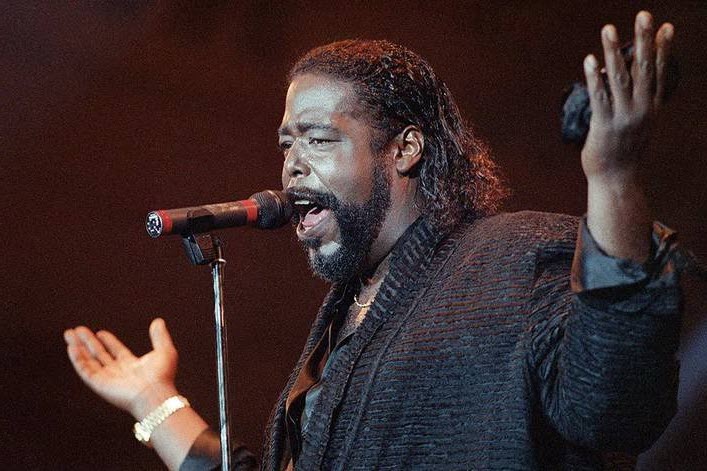
Barry White built a universe where romance feels cinematic and every bass note seems to glow. His recordings marry velvet voiced confession with orchestral sweep and a rhythm section that never hurries yet never loosens its grip. Across club classics and candlelit ballads, the Maestro did not simply sing about love, he engineered a sound that taught listeners how to feel it. What follows celebrates ten of his most beloved performances, the cuts that made dance floors sway and living rooms dim their lights. Pour something smooth, set the volume to generous, and let these essentials remind you why Barry’s groove remains eternal.
1. You’re the First, the Last, My Everything
A towering declaration of devotion, this anthem opens with strings that sparkle like city lights and a rhythm figure that struts with easy confidence. Barry White takes a lyric of absolute commitment and sings it with a smile you can hear, his baritone carrying both weight and levity. Listen to how the arrangement builds in carefully measured layers. The bass holds a steady pulse while the piano comping adds little bursts of sunshine, and then the Love Unlimited voices lift each chorus with airy grace. Producer and arranger Barry White understood the power of contrast. He lets the verses glide, saving the full orchestral bloom for the hook, so the payoff lands with radiant warmth. Gene Page’s arrangement threads lush strings around a guitar part that stays deliciously restrained, which keeps the groove front and center. The song works at weddings, in convertibles, and on late night radio because it captures a universal promise without melodrama. It is celebratory but never overblown, confident but never smug. Above all it is irresistibly danceable. When the final refrains arrive, Barry leans into elongated phrases, savoring syllables like a crooner from an earlier era while riding a modern soul engine. Romance as propulsion is the signature here, and it never loses its shine.
2. Can’t Get Enough of Your Love, Babe
Here is Barry White at full command, turning desire into architecture. The track begins with that conversational baritone, an intimate aside that invites the listener into the room, then the rhythm section locks, and everything is suddenly wide screen. The strings are plush yet precise, never masking the pocket set by drums and bass. Notice the interplay between the syncopated guitar and the woodsy low end, a classic Barry formula that gives the song momentum without rushing. The chorus arrives like a tide, rising and receding in waves, each return a little more generous. As a record maker Barry was a master of texture. He places congas against a crisp hi hat pattern, tucks harp and celeste details into the stereo field, and lets the Love Unlimited backgrounds bloom on key phrases. The effect is sensual but also meticulously crafted. Lyrically the message is simple, a devotion that feels inexhaustible, and he sells that feeling through dynamics rather than vocal acrobatics. He uses space, letting lines breathe so the groove can speak. The production rewards close listening through headphones, yet it also works instantly through a club system. That duality explains its enduring appeal. It is both a study in arrangement and a pure body mover, unmistakably Barry from the first second.
3. Never, Never Gonna Give Ya Up
This slow burning masterpiece embodies Barry White’s philosophy that patience can be more intense than speed. The intro stretches luxuriously, an invitation that teases resolution. Drums brush and tap rather than pound, bass circles a hypnotic figure, and a tremolo electric piano sways like candlelight. When Barry enters he adopts the role of storyteller as much as singer, confiding in a tone that is equal parts reassurance and promise. The arrangement feels almost cinematic. Strings do not simply decorate, they comment, rising gently under key words, then stepping back to let the groove reclaim the frame. Listen for the subtle guitar fills, little curls of melody that appear and vanish. The chorus is a vow stated with clarity, and the way he elongates the word never functions like a musical underline. Gene Page’s orchestration uses restraint as drama, keeping the rhythm section dry and unadorned while the symphonic elements lift the emotion. This recording taught generations of producers how to balance intimacy with scope. It is a bedroom record that still sounds enormous. Barry’s phrasing is conversational yet impeccably timed, placing consonants right on the pocket. By the outro the insistence of the groove has become its own argument. Commitment becomes rhythm, and rhythm becomes truth.
4. I’m Gonna Love You Just a Little More Baby
Few recordings announce an aesthetic as clearly as this debut hit does for Barry White. The opening orchestral flourish raises the curtain, and then the rhythm section settles into a supple glide that feels both intimate and expansive. Barry whispers and purrs before he sings, a spoken prelude that frames the performance as a private exchange. What follows is a master class in arrangement. The bass explores a melodic path rather than merely marking time, while strings float above like velvet drapery. Hand percussion flickers at the edges, adding shimmer without clutter. The chorus arrives with a gentle lift, not a shout, which suits a lyric about patience and attentiveness. Barry’s vocal technique is deceptively complex. He uses vibrato sparingly, opens vowels to enhance warmth, and places little micro pauses before emotional words to heighten anticipation. The musicianship is equally thoughtful. Guitar picks out restrained arpeggios, and the drum kit favors a laid back pattern that keeps the tempo unhurried yet focused. This is not a song that chases a climax. It is a gradual unfolding that treats romance as ritual, where each added instrument signifies increasing closeness. By the time the final refrains entwine with the string lines, the track has achieved a floating quality. It feels like time has slowed to the pace of devotion.
5. Let the Music Play
Disco era Barry White did not trade subtlety for volume; he refined propulsion into elegance. Let the Music Play captures a night out from first ticket to last dance, narrated by a voice that owns the room without raising it. The groove is taut, built on a crisp kick and a nimble bass figure that keeps stepping forward. Over that engine float strings that sparkle, horns that punctuate phrases, and female backgrounds that answer Barry’s lines with sly commentary. The storytelling is vivid. He is not just singing, he is directing scenes. You can picture the club lights and the crowded floor, the moment of indecision, the decision to let rhythm choose. Producer Barry White and arranger Gene Page design the track in chapters, adding and subtracting elements so the story advances. A key moment arrives when the arrangement drops to rhythm and voice, then returns with a larger swirl of instruments, an emotional zoom that feels like the dance breaking open. What makes it endure is balance. The record satisfies dancers who want escapism and listeners who crave craft. Every tambourine shake and string gliss has purpose. By the fade, the title has become instruction and philosophy. Trust the beat, let feelings follow, and the night will take care of itself.
6. It’s Ecstasy When You Lay Down Next to Me
This track is a study in luxurious groove. The bass line is sinuous and memorable, answering the kick drum with a conversation that never stops. Electric piano washes the edges while muted guitar outlines gentle syncopations, and then the string section arrives like soft moonlight. Barry White rides this architecture with a vocal that fuses swagger and tenderness. He leans into certain consonants, then relaxes into open vowels, crafting a performance that feels both spontaneous and meticulous. The lyric is direct, yet he frames it with remarkable taste. Nothing is rushed. He lets the band prove the point, which is pleasure expressed through motion. The arrangement reveals new details on repeat plays. There are flutes that flicker in the choruses, small horn swells that emphasize transitions, and background voices that cushion the melody. The recording quality is satin smooth, the low frequencies deep but never muddy. As a piece of production, it demonstrates Barry’s knack for making large ensembles feel intimate. You sense a full studio of players, yet the result feels like one organism breathing in time. The song’s title promises a big claim, and the record delivers by making ecstasy sound like carefully measured bliss, where every instrument contributes to a shared exhale.
7. What Am I Gonna Do with You
Here Barry White finds drama in the baffling joy of being knocked off balance by love. The string intro is pure theater, a curtain rise that sets expectation for something grand. Then the rhythm section stakes its claim with a buoyant pulse, and Barry enters with a vocal that mixes wonder and authority. The melodic line climbs and settles in graceful arcs, and the chorus lands with satisfying inevitability. Arranger Gene Page frames Barry with orchestral writing that never crowds the beat. Violins sketch sighing figures, cellos support the bass movement, and horns add subtle exclamations. The production favors clarity. Each instrument occupies its place, a hallmark of Barry’s sessions where engineering serves emotion. The lyric reads like a question, but his delivery makes it an exclamation of surrender. He is delighted to be overwhelmed, and the music echoes that feeling with generous harmony. Listen closely to the backgrounds; their interjections are miniature hooks of their own. The bridge tightens the groove before returning to a final chorus that feels brighter than the first. This is a song about letting go of control in the most satisfying way. By the close, the question no longer needs an answer. The feeling itself is the resolution, sung with radiant certainty.
8. Practice What You Preach
In the nineties Barry White returned to the center of the conversation by doing what he always did best, speaking frankly over an impeccable groove. Practice What You Preach updates his sound without abandoning its DNA. The rhythm bed is tighter, the drums more forward, and the keyboards lean toward modern textures, yet the essential ingredients remain the same. A confident baritone, conversational asides, and an arrangement that blossoms when the chorus arrives. The lyric flips the script with wit. Instead of promise alone, he asks for action that matches words, and he does it with charm rather than accusation. The hook is addictive, shaped to live on radio yet rich enough for home stereos. Production details reward attention. There is a snaking guitar figure weaving through the verses, subtle organ pads that cushion the harmony, and a background vocal arrangement that adds sparkle without crowding Barry’s lead. The record proved that the Maestro could converse with a new generation while maintaining his signature elegance. It is a lesson in how classic soul values thrive in contemporary settings. By the fade Barry sounds amused and assured, the rare artist who can offer advice with a smile. The result is timeless and thoroughly persuasive.
9. Playing Your Game, Baby
Seduction as choreography, that is the essence of this sultry cut. The groove is unhurried, built on a bass pattern that glides rather than stomps, while the drums keep a satin pocket. Electric piano ripples in soft waves and guitar paints light strokes at the edges. When Barry begins to sing, the mood tightens like a camera zooming in. His phrasing is intimate, almost conspiratorial, and the melody folds around him like a tailored suit. The string arrangement is a study in restraint. Lines appear as gentle sighs rather than constant presence, which lets the rhythm instruments breathe. Lyrically the song is about meeting a partner on their terms, and Barry frames that idea as respect rather than contest. The recording has been sampled and referenced because the atmosphere is so complete. Everything in the track whispers invitation. Notice the way the chorus lands softly, then deepens on each repeat, a dynamic arc that mirrors the lyric’s theme of gradual surrender. The mix places Barry in the foreground yet leaves enough space to feel the room. It is music for late hours, for small lamps and patient hearts. By the final measures, the performance has woven a quiet spell. The game is mutual, the reward shared, and the groove absolute.
10. Your Sweetness Is My Weakness
A celebration of devotion dressed in a buoyant mid tempo groove, this track showcases Barry White’s gift for pairing romantic exuberance with compositional care. The opening sets the tone with bright keys and an affirmative bass line that walks with purpose. Barry’s entrance is warm and playful, his baritone rolling over the beat with relaxed authority. The lyric centers on the disarming power of tenderness, and the arrangement mirrors that idea by wrapping the vocal in a cushion of strings and background harmonies. Gene Page’s charts add rhythmic lift through short staccato figures, allowing the drums and congas to dance underneath. The chorus is sticky without being sugary, a perfect balance that keeps the record grounded. Listen for the horn accents that spark transitions, and the guitar that sketches quick flourishes before disappearing. The production feels like sunlight on polished wood, smooth yet full of texture. What distinguishes the song is its emotional clarity. It celebrates vulnerability as strength, a theme Barry often returned to and here articulates with special grace. By the final chorus the message feels communal, something to be sung along with a partner. The track endures because it makes generosity sound cool. It is sweet in the best sense, never cloying, always sincere, and built to last.

David Morrison is a frequent contributor to Singers Room. Since 2005, Singersroom has been the voice of R&B around the world. Connect with us via social media below.









