
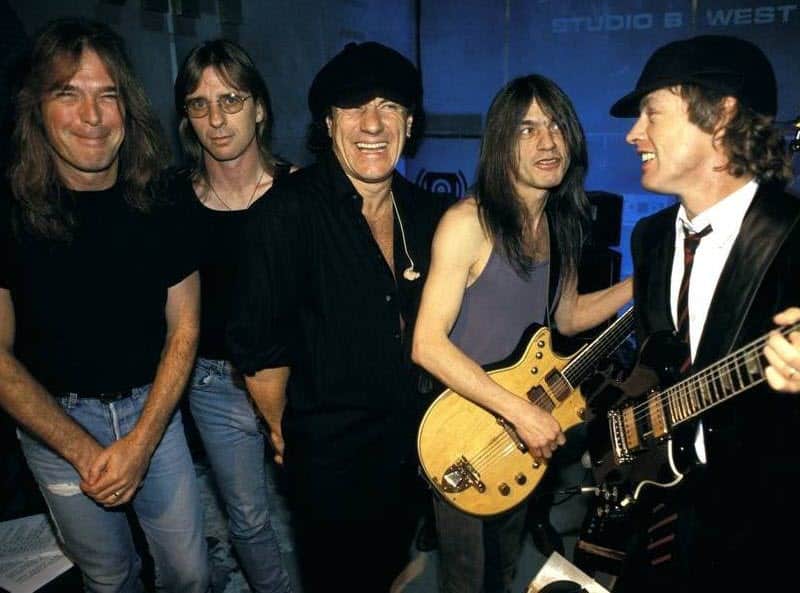
AC/DC songs are like architecture built from electricity. Riffs snap on like floodlights. The drums draw a straight line through the middle of the room, and the bass keeps the floor solid while voices grin or snarl from the stage. There is menace and humor in equal measure. Choruses never wander. They arrive. Somewhere in the mix you can almost hear worn leather and fresh sawdust. The best tracks feel simple at first, then reveal sly craft in how sections hand momentum to each other. Ten staples below show the band’s love of groove, space, and volume that knows exactly when to smile.
1. Thunderstruck
The opening figure from Angus is a coiled spring, all bright strings and quicksilver repetition that turns a single idea into a rallying cry. Then the band slams in and you understand the real trick. They make speed feel spacious. The kick is firm without clutter. The bass traces a clean rail under the guitar lattice. Brian Johnson rides the top with a voice that can bark and still carry melody. The verses are all forward lean, built from short lines that sit perfectly in the pocket so the pre chorus can pull tight and the hook can open the sky. What keeps the track ageless is the discipline inside the frenzy. Every part knows its job. Backing voices lift certain words with just the right rough shine. The solo does not abandon the motif. It converses with it and returns you to the shout you came for. Listen loudly and the room becomes one pulse. Listen quietly and you hear the tiny choices that turn a riff into an anthem. It is stadium fire designed with the care of a watchmaker, and it still flips any day from ordinary to charged.
2. Back In Black
Here is the sound of a band introducing itself again with a grin that says nothing ended. The main riff is granite that can dance. It hits hard then leaves air, which is why the groove feels so big. Drums plant flags at exact spots. Bass writes simple lines that support the chord punches and let the vocal swagger sit forward. Brian shapes the verses with talk like rhythm, then opens the vowels in the chorus so the hook rings. The words are a wink and a challenge, both delivered with timing that sells confidence as craft rather than boast. Angus and Malcolm are a lesson in negative space. They let silence speak between the hits, so each return lands heavier. The solo draws from blues language but slices with modern edges, never losing the tune while showing fangs. By the last pass through the refrain you realize how pure the design is. Intro, verse, chorus, break, return. No fat. Just parts that lock together like bright steel. It teaches that weight comes from placement, not layers, and it still kicks a door open the moment it starts.
3. Highway to Hell
The first chord stack is a welcome sign you can see from a mile away. Bon Scott tells the story like a man taking inventory of a life he fully chose, and the rhythm section provides the stride. Phil Rudd’s time is the unshowy magic. He lets the snare sit exactly where it should and never crowds the vocal, which makes the groove feel indestructible. The guitars lock in the famous three chord climb, pushing without rushing and leaving enough air for the chorus to soar without extra fuss. The lyric walks that AC/DC line where danger sounds like liberty and the smile never leaves. The backing answers are placed with barroom wisdom, a quick shout here, a tail end echo there. Angus tilts into a solo that sings first and sprints second, then the band snaps back to the main engine like a muscle memory. The charm is how inevitable it feels. Nothing surprising in theory, everything irresistible in practice. It is road music that turns any street into a myth and any listener into a passenger who knows the words by the end of the first chorus.
4. You Shook Me All Night Long
Pop sense meets engine grease. The riff is bright and welcoming, all open strings and clean crunch, and the rhythm section sits in that sweet mid tempo that makes every head nod. Brian Johnson threads the verses with playful detail and exact rhymes, then leans into a chorus that anyone can carry by the second pass. What lifts it beyond a simple rocker is the clarity of the parts. Guitars keep their shapes crisp. Bass moves enough to sing but never steals attention. The drums provide snap rather than stomp, which leaves the hook plenty of room to glow. The pre chorus is the little hinge you feel more than notice, tightening energy so the refrain pops without brute force. Angus drops a solo that quotes the melody and adds a few sparks, then hands the baton back without extra speech. This is the band proving they can write a love song that still smells like amps and asphalt. The craft is friendly, the grin is genuine, and the result is a track that works in wedding halls, garages, and arenas with equal ease.
5. Hells Bells
A single bell toll sets the weather. Then the guitar crawls in, slow and heavy, and the band builds a cathedral from patience and grit. The tempo is unflinching, which lets every note carry weight. Phil’s kick drum feels like a boot on wooden steps. The bass holds long tones that anchor the harmony while the lead guitar decorates the edges with icy harmonics. Brian sings in a measured snarl, staying within a narrow range so the menace reads as stately rather than frantic. The chorus does not jump in pitch so much as gather force. The power comes from control. Angus waits to flash teeth until the middle, and even then the solo is a statement rather than a sprint. The return to the main riff feels like a verdict delivered with full ceremony. This is how AC/DC makes slow feel massive. Nothing drags because the time is so strong and the placement so deliberate. By the fade you can almost see the stage in your mind, lights swinging, heads in unison, a bell that feels like an extra instrument and a character at the same time.
6. Shoot to Thrill
Start with a tight snare pop and a guitar line that grins while it sharpens a knife, then add a lyric that moves like a street talker with fast stories. The arrangement is built for momentum. Verses clip along with quick phrases and little drum fills that feel like shoulder nudges. The pre chorus compresses the room and the chorus swings it open with that title phrase riding over a riff that climbs without effort. The bass is especially talkative here, writing countermelodies that push the song forward even when guitars pull back for dynamics. Angus uses the break as a small drama, stacking tension and then spilling into release that returns you to the chant with a bigger chest. The mix never gets messy. That is the secret. You can hear where every hand lands on every beat. The band has always understood that swagger must share a house with precision or it stops moving. This track proves the rule. It is a chase scene where the camera never shakes and you still feel out of breath in the best way.
7. T.N.T.
A chant becomes a riff becomes a calling card. Bon Scott’s delivery is half smirk and half decree, and the band answers with guitar blocks that hit like a wall and then leave air for the vocal to strut. The groove is simple by design, but within that simplicity the players find a hundred tiny ways to make it breathe. Snare cracks with authority. Cymbals sting and then vanish. Bass sits exactly on the kick and gives the chords their muscle. The verses sketch a cartoon tough guy with such charm that the cartoon turns into something like folklore. Then the chorus hits and it is pure crowd architecture. This is rock that understands participation. The stop start figures teach the audience when to jump and when to shout, and the solo keeps its swagger tied to the melody so the mood never breaks. The performance is a study in economy. No extra notes, no extra ornaments, only parts that reinforce the central idea that attitude plus time equals magnetism. Decades later, it still makes an ordinary room feel like a rehearsal for a much larger night.
8. Dirty Deeds Done Dirt Cheap
Storytelling with steel toed rhythm. The guitars chop like a foreman’s gesture and Bon leans into each line as if he has a business card to hand you after dark. The tempo walks, not sprints, which gives the words room to land. Phil Rudd sets a pocket so deep the song could live there all week, and the bass traces a confident line that keeps the verses alive while you wait for the next wink. The chorus is a slogan that anyone can carry, and it lands because the arrangement saves space for it. Backing vocals arrive like street corner partners, a little rough and perfectly placed. Angus takes the middle and talks through his guitar, bending notes just enough to keep everything human. The beauty is how theatrical it feels without turning into costume. You can hear the smile, but the band never breaks character to wink hard at the listener. The result is a track that plays like a short film in your head, full of alleys, flashbulbs, and deals that may or may not be wise.
9. Whole Lotta Rosie
From the first count in this one runs hot. The riff is a sprint with purpose, all downstrokes and grit, and the rhythm section drives like a freight train that somehow corners well. Bon Scott works as ringmaster and witness, tossing out details with giddy pride while never losing time. The pre chorus tightens the coil and the refrain fires it into open air. What makes the recording thrilling is the band’s stamina tied to arrangement sense. Phil places little kicks at the end of phrases to keep the front edge sharp. Bass adds momentum by refusing to sit still for long, playing lines that are melodic without getting fancy. Angus turns in a solo that is narrative rather than a fireworks dump, using bends and quick runs to mirror the story. The coda stacks energy step by step until the last shout feels deserved rather than automatic. This is the group at its rawest and most generous, giving you speed, jokes, sweat, and precision in a single package that still raises heart rates on command.
10. For Those About to Rock We Salute You
Ceremony as groove. The chords stride in with martial calm, and Brian takes the role of herald, shaping each line so the consonants strike cleanly across the hall. The tempo is measured which is exactly why the chorus feels massive. The melody climbs in simple steps you can hear from far away, and the guitars give it pillars to stand on. Drums and bass act like a procession rather than a race, leaving space around the hits so the air itself seems to vibrate. The middle section lets the lead guitar speak in complete sentences, then the band returns to the vow. The famous cannon accents are not gimmick. They are orchestration, punctuation that turns the last refrain into ritual. What the song celebrates is community. Band and audience become one engine. The lyric salutes not just performers but everyone who shows up and agrees to make noise together. That is why it closes sets and opens hearts. It understands rock as a civic act with volume and joy as tools, and it fulfills that idea every time the chorus lands.

David Morrison is a frequent contributor to Singers Room. Since 2005, Singersroom has been the voice of R&B around the world. Connect with us via social media below.









