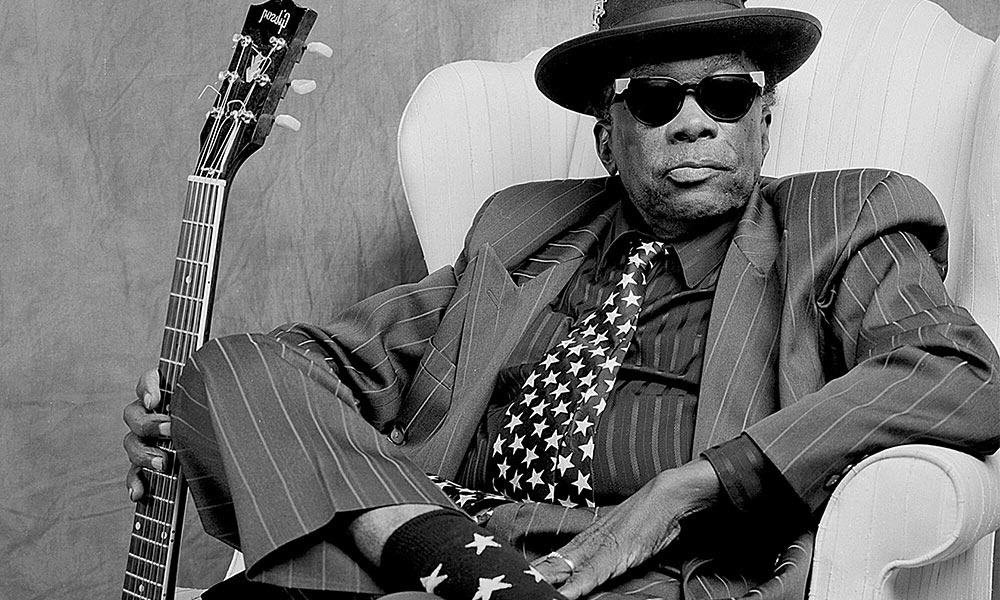
John Lee Hooker, born on August 22, 1917, in Clarksdale, Mississippi, was a legendary American blues guitarist, singer, and songwriter. Often referred to as the “King of the Boogie,” Hooker’s raw and rhythmic approach to the blues left an indelible mark on the genre.
Growing up in the Mississippi Delta, Hooker’s early exposure to blues traditions profoundly influenced his distinctive style. His deep, gravelly voice and hypnotic, repetitive guitar riffs became iconic elements of his sound. Hooker’s music traversed various blues subgenres, including Delta blues, electric blues, and boogie-woogie, showcasing his versatility.
In a career spanning over six decades, John Lee Hooker released numerous albums and chart-topping singles, with hits like “Boogie Chillen” and “Boom Boom” becoming blues standards. His influential work garnered widespread acclaim, and he received multiple Grammy Awards, including a Lifetime Achievement Award in 2000.
Beyond his musical prowess, Hooker’s charismatic stage presence and storytelling abilities endeared him to audiences worldwide. His impact on blues and rock music is immeasurable, with countless artists citing him as a major influence. John Lee Hooker’s legacy lives on as an enduring figure in the blues, a pioneer who bridged the gap between traditional Delta sounds and modern electric blues. He passed away on June 21, 2001, leaving an indomitable imprint on the fabric of American music.
1. I Don’t Want Your Money
“I Don’t Want Your Money” is a blues song by John Lee Hooker, featuring a collaboration with the British rock musician George Thorogood. The track appears on Hooker’s album “The Healer,” released in 1989. This album marked a significant point in Hooker’s career, featuring collaborations with various artists from different genres.
“I Don’t Want Your Money” showcases the dynamic synergy between Hooker’s Delta blues roots and Thorogood’s contemporary blues-rock style. The song is characterized by a gritty guitar riff, a driving rhythm, and Hooker’s characteristic growling vocals. The lyrics convey a straightforward and defiant message, emphasizing a desire for authentic connection over material wealth.
The collaboration between John Lee Hooker and George Thorogood brought together two generations of blues artists, illustrating the genre’s timeless appeal and adaptability. “The Healer” album received critical acclaim and reintroduced Hooker to a broader audience, earning him Grammy Awards and increased recognition late in his career.
“I Don’t Want Your Money” is a testament to Hooker’s enduring influence on the blues genre and his ability to connect with musicians across generations. The song remains a compelling example of the cross-pollination of blues traditions and the evolving nature of the genre.
2. One Bourbon, One Scotch, One Beer
“One Bourbon, One Scotch, One Beer” is a classic blues song that has been recorded by various artists, but it is most notably associated with John Lee Hooker. Originally written by Rudy Toombs, Hooker’s version became particularly famous and influential. The track was first released on his album “House of the Blues” in 1960.
The song tells the tale of a man who, after losing his job, finds solace in a bar, ordering a sequence of alcoholic drinks – bourbon, scotch, and beer. As the story unfolds, the lyrics reveal the protagonist’s troubles, including an overdue rent notice and an impending visit from the landlord. The song’s conversational and narrative style, along with Hooker’s expressive delivery, contributes to its enduring appeal.
John Lee Hooker’s rendition of “One Bourbon, One Scotch, One Beer” became a blues standard, and it has been covered by numerous artists across different genres. Notably, George Thorogood and the Destroyers released a popular rock version of the song in 1977, bringing it to a wider audience.
The track’s longevity lies in its relatable storytelling, the distinctive boogie rhythm, and John Lee Hooker’s influential role in shaping the blues genre. “One Bourbon, One Scotch, One Beer” remains a timeless piece within the blues canon.
3. Messin’ with the Hook
“Messin’ with the Hook” is a spirited and energetic album by blues legend John Lee Hooker, released in 1973. This album represents Hooker’s return to a more traditional blues sound after experimenting with various styles and collaborations in the previous decade.
The album features Hooker’s raw and gritty vocals, accompanied by his trademark guitar playing, delivering a collection of blues tracks that resonate with authenticity and passion. “Messin’ with the Hook” encompasses classic blues themes, including love, hardship, and the blues lifestyle, encapsulating Hooker’s storytelling ability and mastery of the genre.
Songs like “Sittin’ Here Thinkin'” and “Bottle Up and Go” showcase Hooker’s distinctive boogie rhythm and hypnotic guitar riffs, while tracks like “Messin’ with the Hook” and “Big Legs, Tight Skirt” exude a contagious energy, emphasizing Hooker’s effortless command over the blues idiom.
As one of the many albums in Hooker’s extensive discography, “Messin’ with the Hook” remains a testament to his enduring influence on the blues genre, highlighting his unique style and unwavering dedication to authentic and soul-stirring blues music.
4. Chill Out (Things Gonna Change)
“Chill Out (Things Gonna Change)” is a compelling blues song by John Lee Hooker, featured on his 1995 album “Chill Out.” This track, characterized by its soulful groove and Hooker’s distinctive vocals, stands as a testament to his enduring legacy in the blues genre.
Lyrically, “Chill Out (Things Gonna Change)” offers a poignant reflection on societal issues, including poverty, violence, and the struggles faced by individuals in challenging circumstances. The song’s message is one of resilience and hope, suggesting that despite the difficulties, change is inevitable and a brighter future lies ahead.
Musically, the track is marked by its laid-back rhythm, driven by Hooker’s mesmerizing guitar work and emotive vocals. The song’s bluesy instrumentation, coupled with Hooker’s soulful delivery and poignant lyrics, creates a captivating and evocative listening experience.
“Chill Out (Things Gonna Change)” became a standout track in Hooker’s later discography, earning critical acclaim for its powerful message and heartfelt delivery. It showcases Hooker’s ability to convey profound emotions through his music while remaining rooted in the traditional blues style that made him a legend in the genre.
5. Dimples
“Dimples” is a classic blues song written and originally recorded by blues legend John Lee Hooker. The track was first released in 1956 as a single and later appeared on the album “House of the Blues.” “Dimples” is one of Hooker’s well-known and enduring compositions.
The song features Hooker’s trademark boogie rhythm and his distinctive electric guitar playing. The lyrics are characterized by Hooker’s raw and rhythmic vocal delivery, telling the story of his admiration for a woman with dimples in her cheeks. The repetitive and hypnotic nature of the song’s structure, coupled with Hooker’s soulful performance, contributes to its timeless appeal.
“Dimples” has become a blues standard and has been covered by various artists over the years. Its influence extends beyond the blues genre, and it has been embraced by musicians in rock and other styles. The song’s enduring popularity speaks to John Lee Hooker’s impact on the blues and his ability to create timeless and influential works.
6. Blues Before Sunrise
“Blues Before Sunrise” is a classic blues track that has been recorded by various artists over the years, but it is notably associated with the legendary blues guitarist and singer, Leroy Carr. Originally written and recorded by Carr in the 1930s, the song became a blues standard and has been covered by numerous musicians, contributing to its enduring legacy in the blues genre.
Lyrically, “Blues Before Sunrise” portrays themes of heartache, loneliness, and the emotional turmoil experienced during the early morning hours before sunrise. The song’s lyrics evoke a sense of melancholy and longing, depicting the pain of lost love and the struggles faced by the narrator.
Musically, the song typically features a slow and soulful tempo, often accompanied by the plaintive sounds of the piano or guitar, which amplify the emotional depth of the lyrics. Leroy Carr’s original recording is known for its haunting melody and Carr’s emotive vocals, which capture the essence of the blues.
“Blues Before Sunrise” has become a quintessential blues standard, admired for its emotive storytelling and its ability to evoke a deep emotional connection with listeners. Its enduring popularity and frequent reinterpretations by various artists continue to solidify its place as a timeless classic within the blues genre.
7. Crawling King Snake
“Crawling King Snake” is a blues song with a long history, and it has been recorded by various artists. One of the notable versions is by John Lee Hooker. The song has roots in traditional blues and has been interpreted by different musicians, showcasing its enduring appeal.
John Lee Hooker’s rendition of “Crawling King Snake” is characterized by his distinctive guitar playing and raw, expressive vocals. The lyrics of the song depict a snake crawling and serve as a metaphor for a seductive and elusive lover. The slow and hypnotic tempo, combined with Hooker’s deep voice, creates a moody and atmospheric blues experience.
Originally recorded in the 1940s, “Crawling King Snake” has been covered by numerous artists across genres, testifying to its status as a blues standard. The song’s primal and evocative qualities have made it a favorite for musicians exploring the roots of the blues.
The enduring popularity of “Crawling King Snake” is a testament to its timeless appeal and the influence of John Lee Hooker in shaping the blues genre. The song remains an essential part of blues history and a representation of the deep, expressive nature of the music.
8. I’m In The Mood
“I’m in the Mood” is a classic blues song originally written and recorded by John Lee Hooker. Released in 1951, Hooker’s rendition of the song exemplifies his raw and hypnotic blues style.
Lyrically, “I’m in the Mood” is a straightforward blues tune expressing desire and romantic longing. The song’s lyrics convey the singer’s passionate feelings and eagerness for love, using simple yet evocative language that resonates with the blues tradition.
Musically, the song features Hooker’s characteristic boogie rhythm and sparse instrumentation, with his signature guitar work driving the track. Hooker’s gravelly vocals and repetitive yet compelling guitar riff create a hypnotic and captivating atmosphere, drawing listeners into the song’s sultry and intimate mood.
“I’m in the Mood” remains a standout in John Lee Hooker’s extensive discography, representing his mastery of the blues and his ability to convey emotion through his music. Its infectious rhythm and timeless appeal have made it a revered classic in the blues genre, embraced by both longtime blues enthusiasts and newcomers to the genre alike.
9. Boom Boom
“Boom Boom” is one of John Lee Hooker’s most famous and enduring blues songs. Written and recorded by Hooker in 1961, the track was released as a single and later included on various albums, including the 1962 album “Burnin'”.
The song is characterized by its simple yet compelling guitar riff, Hooker’s distinctive vocal style, and a relentless boogie rhythm. “Boom Boom” is a quintessential blues composition that has become synonymous with Hooker’s contribution to the genre.
Lyrically, the song features Hooker’s signature call-and-response style, with him describing the impact of his lover’s presence and the anticipation of their connection. The repeated refrain of “Boom boom boom boom” adds to the song’s infectious and primal energy.
“Boom Boom” has not only become a blues standard but has also been covered by numerous artists across different genres. Its influence extends beyond the blues, and the song remains a popular and recognizable part of John Lee Hooker’s extensive discography.
The enduring appeal of “Boom Boom” lies in its simplicity, raw energy, and the unmistakable style of John Lee Hooker, cementing its status as a classic in the blues canon.
10. Boogie Chillen’
“Boogie Chillen'” is a seminal blues track by John Lee Hooker, released in 1948. This song stands as one of Hooker’s earliest and most influential recordings, marking a defining moment in the development of his distinctive blues style.
Lyrically, “Boogie Chillen'” features a simple yet infectious refrain, with Hooker expressing his desire to boogie and have a good time. The lyrics capture the essence of carefree enjoyment and the excitement of music and dance, aligning with the traditional themes prevalent in blues music.
Musically, the song is characterized by Hooker’s rhythmic guitar playing and his unique boogie rhythm, creating an irresistible groove that became a trademark of his style. Hooker’s driving guitar riffs, accompanied by minimal percussion, establish a raw and primal sound that epitomizes the Delta blues tradition.
“Boogie Chillen'” catapulted John Lee Hooker to fame, becoming a commercial success and an enduring blues classic. Its influence on subsequent generations of blues and rock musicians is profound, solidifying Hooker’s status as a pioneering figure in the blues genre and highlighting the song’s importance in the evolution of blues music.

Edward Tomlin is a frequent contributor to Singers Room. Since 2005, Singersroom has been the voice of R&B around the world. Connect with us via social media below.









