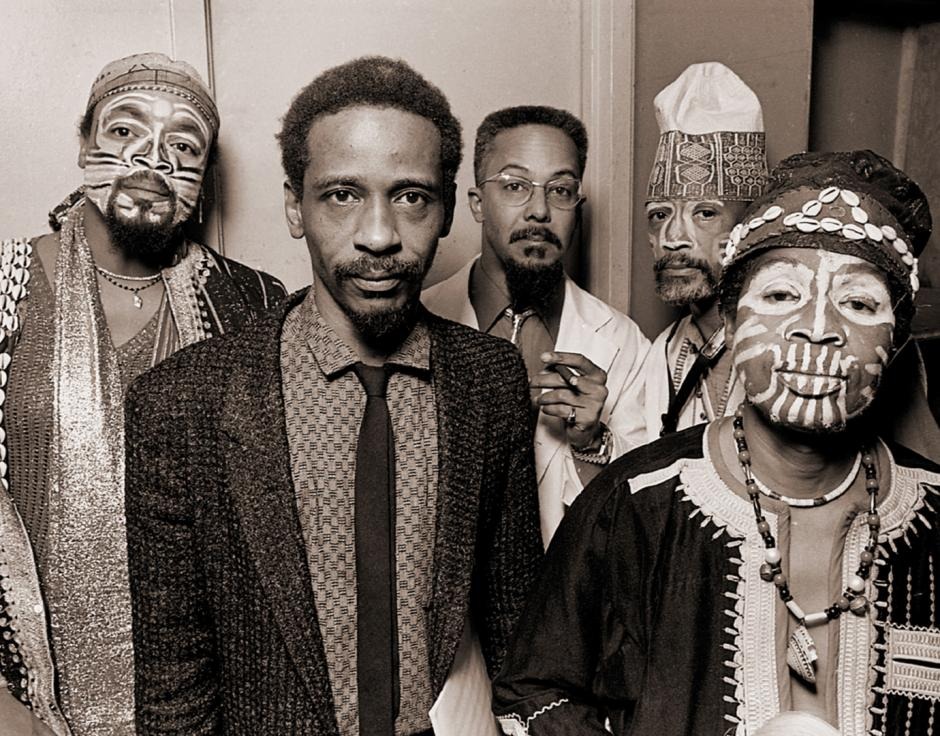
The Art Ensemble of Chicago is an avant-garde jazz group that formed in 1967. Originally consisting of Roscoe Mitchell, Lester Bowie, Malachi Favors, Joseph Jarman, and Don Moye, the group quickly became known for their innovative approach to jazz, incorporating elements of free jazz, world music, and performance art into their music.
The Art Ensemble of Chicago’s music is characterized by their use of unconventional instruments, such as bells, whistles, and gongs, as well as their dynamic, improvisational performances that often incorporated elements of theater and dance.
Over the course of their career, the Art Ensemble of Chicago has released over 50 albums and collaborated with a wide range of musicians and artists from around the world. They have been recognized for their contributions to the world of jazz with numerous awards and honors, including a Lifetime Achievement Grammy Award in 2020.
The Art Ensemble of Chicago remain a vital force in the world of jazz and continue to inspire and influence musicians and artists from all genres. Their commitment to innovation, experimentation, and cultural exchange has earned them a place among the most influential and innovative musical groups of the 20th century.
1. “Thème de Yoyo”
“Thème de Yoyo” is a pioneering avant-garde jazz composition by the Art Ensemble of Chicago, released in 1970. The song features a dynamic and adventurous blend of free jazz, funk, and African rhythms, with haunting vocals and inventive instrumentation. The lyrics, sung in French and English, speak to the struggles of black life in America, with a powerful message of unity and resistance. The song’s innovative sound and social consciousness helped to establish the Art Ensemble of Chicago as one of the most influential and groundbreaking groups in jazz history, paving the way for future generations of experimental musicians.
2. “Tutankhamun”
“Tutankhamun” is a classic track by the Art Ensemble of Chicago, released on their 1969 album “A Jackson in Your House”. The song features a powerful blend of avant-garde jazz, African rhythms, and experimental instrumentation, with each member of the band contributing to a dynamic, improvisational performance. The track’s driving percussion and hypnotic, repetitive melody evoke the mystique and power of the ancient Egyptian pharaoh for whom the song is named. “Tutankhamun” is widely regarded as a seminal work in the history of avant-garde jazz, a testament to the Art Ensemble of Chicago’s unique sound and their commitment to pushing the boundaries of jazz and improvisational music.
3. “The Ninth Room”
Art Ensemble of Chicago’s The Ninth Room is a free-form jazz composition that showcases the band’s innovative and experimental approach to music. The song features a complex and intricate arrangement, with each instrument contributing its own unique voice to the overall sound. The saxophones, trumpets, percussion and other instruments interweave and interact in a constantly evolving dialogue, creating a sound that is both chaotic and cohesive. The composition is marked by sudden shifts in tempo and dynamics, with the musicians seemingly pushing and challenging each other to create something truly original and boundary-pushing. Overall, The Ninth Room is a testament to the Art Ensemble of Chicago’s commitment to pushing the boundaries of jazz and exploring new frontiers in music.
4. “Odwalla”
“Odwalla” is a classic track by the Art Ensemble of Chicago, released on their 1972 album “Fanfare for the Warriors”. The song features a dynamic, percussive instrumental track, with each member of the band contributing to a driving, improvisational performance. The track’s upbeat tempo and intricate rhythms showcase the band’s unique blend of avant-garde jazz, African rhythms, and experimental instrumentation. “Odwalla” is widely regarded as a seminal work in the history of jazz, a testament to the Art Ensemble of Chicago’s innovative sound and their ability to push the boundaries of jazz and improvisational music while remaining rooted in the rich traditions of African American musical culture.
5. “A Jackson in Your House”
“A Jackson in Your House” is an experimental jazz track from the Art Ensemble of Chicago’s eponymous 1969 album. The song showcases the group’s unconventional approach to improvisation, incorporating elements of free jazz, avant-garde classical music, and African rhythms. The piece features a prominent percussion section, with a wide array of unconventional instruments and techniques. The song’s complex and dynamic structure, with frequent shifts in tempo and mood, reflects the group’s commitment to exploring new musical frontiers. “A Jackson in Your House” is an example of the Art Ensemble of Chicago’s groundbreaking approach to jazz, which continues to inspire musicians today.
6. “Les Stances à Sophie”
Art Ensemble of Chicago’s Les Stances à Sophie is a dynamic and adventurous jazz composition that showcases the band’s ability to blend elements of free jazz, funk and world music into a cohesive and compelling sound. The song features a driving and funky bassline, intricate percussion and blazing horn lines that all come together to create a sound that is both infectious and unpredictable. The composition is marked by sudden shifts in mood and tempo, with the musicians exploring different musical textures and rhythms. The result is a track that is both danceable and intellectually stimulating, a perfect example of the Art Ensemble of Chicago’s ability to blend diverse influences into something truly unique and original.
7. “Proverbes (I & II)”
“Proverbes (I & II)” is a classic track by the Art Ensemble of Chicago, released on their 1977 album “Nice Guys”. The song features a contemplative, introspective instrumental track, with each member of the band contributing to a haunting, melancholic performance. The track’s delicate melody and sparse instrumentation evoke a sense of introspection and reflection, while also showcasing the band’s unique ability to communicate complex emotions through their music. “Proverbes (I & II)” is widely regarded as a masterwork in the history of avant-garde jazz, a testament to the Art Ensemble of Chicago’s ability to create music that is both intellectually challenging and emotionally resonant.
8. “Fanfare for the Warriors”
“Fanfare for the Warriors” is a bold and adventurous track by the Art Ensemble of Chicago, originally released on their 1974 album, “Fanfare for the Warriors”. The song features a powerful and energetic horn section, with soaring trumpet lines and intense percussion. It’s an exciting blend of avant-garde jazz and African rhythms, with elements of funk and soul woven throughout. The song builds to an explosive crescendo, showcasing the group’s technical prowess and improvisational skills. “Fanfare for the Warriors” is a prime example of the Art Ensemble of Chicago’s innovative and boundary-pushing approach to jazz music.
9. “Charlie M”
Art Ensemble of Chicago’s Charlie M is a dynamic and intense jazz composition that showcases the band’s technical virtuosity and improvisational skills. The song features a driving and propulsive rhythm section, intricate and layered horn lines and soaring solos that push the boundaries of jazz. The musicians play off each other, building tension and creating a sense of urgency that propels the track forward. The composition is marked by sudden shifts in dynamics and tempo, with the musicians constantly challenging themselves and each other to push the boundaries of what is possible in jazz. Overall, Charlie M is a thrilling and exhilarating track that highlights the Art Ensemble of Chicago’s ability to create music that is both technically impressive and emotionally engaging.
10. “Chi-Congo 50”
“Chi-Congo 50” is a classic track by the Art Ensemble of Chicago, released on their 1972 album “Fanfare for the Warriors”. The song features a powerful blend of avant-garde jazz, African rhythms, and experimental instrumentation, with each member of the band contributing to a dynamic, improvisational performance. The track’s driving percussion and energetic horns evoke the energy and spirit of the African diaspora, paying tribute to the band’s roots in African American musical culture. “Chi-Congo 50” is widely regarded as a masterwork in the history of avant-garde jazz, a testament to the Art Ensemble of Chicago’s unique sound and their ability to fuse disparate musical traditions into a cohesive and powerful whole.

Edward Tomlin is a frequent contributor to Singers Room. Since 2005, Singersroom has been the voice of R&B around the world. Connect with us via social media below.









