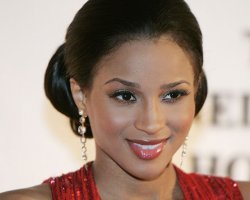
The entertainment world has been stirred by recent comments from Ciara, who has publicly addressed a misunderstanding surrounding a past editorial feature and expressed disappointment with the way the situation was handled by a magazine editor. At the center of the discussion is her insistence that she was misrepresented in imagery that suggested nudity, a claim she firmly denies.
Ciara, known for her dynamic presence in music, dance, and fashion, has long been recognized as a performer who carefully balances artistic expression with personal image. From her early career breakthroughs in R and B and pop music to her evolution into a style icon, she has consistently maintained a strong sense of control over how she presents herself in the public eye.
The controversy stems from an editorial spread in which visual presentation and styling choices led some readers to believe that Ciara posed nude. According to her statements, this interpretation is inaccurate. She emphasized that the creative direction of the shoot did not involve nudity and that the final presentation created a misleading impression that does not reflect her intentions or consent.
In her response, Ciara expressed disappointment with the editorial process, particularly in relation to communication with the magazine’s editorial team. She highlighted concerns about how imagery can be interpreted differently once published, especially when artistic styling is involved. For her, the issue is not only about personal representation but also about the responsibility of media outlets to present accurate context alongside visual content.
Editorial photography in the entertainment industry often walks a fine line between artistic expression and public perception. Stylized shoots frequently use lighting, posing, and wardrobe choices that can create illusions or abstract representations. However, when those visuals reach a wide audience without sufficient clarification, misunderstandings can arise, leading to controversy even when no explicit content was intended.
Ciara’s reaction reflects a broader conversation about celebrity image control in the digital age. Public figures are frequently subject to rapid interpretation and resharing of visual content across social media platforms, where context can be easily lost. Once an image circulates online, it can take on a life of its own, often disconnected from the original creative intent.
Throughout her career, Ciara has been intentional about her artistic identity. She is known for combining music with choreography, fashion, and visual storytelling, creating performances that emphasize empowerment and confidence. Her brand often centers on strength and self expression, making issues of representation particularly important to her.
The situation has also reignited discussion about the role of magazine editors and creative directors in shaping how celebrities are portrayed. Editorial teams are responsible for curating images, layouts, and narratives that align with their publication’s vision. However, when those choices lead to misinterpretation, questions arise about accountability and transparency in the editorial process.
Fans have reacted strongly to Ciara’s comments, with many expressing support and calling for greater care in how celebrity images are presented. Others have discussed the broader implications of how women in entertainment are often subject to heightened scrutiny regarding their bodies and public image.
Industry observers note that such controversies are not uncommon in fashion and entertainment media, where artistic experimentation can sometimes conflict with audience perception. The balance between creativity and clarity remains an ongoing challenge for publications that rely heavily on visual storytelling.
Ciara’s statement underscores the importance of consent and accurate representation in all forms of media. For artists who actively shape their public image, maintaining control over how they are portrayed is a key part of their professional identity. Misinterpretations, whether intentional or accidental, can have lasting effects on public perception.
Despite the controversy, Ciara continues to focus on her music, performances, and creative projects. Her career remains defined by versatility and resilience, with a strong emphasis on empowering themes and energetic stage presence. This latest situation adds another layer to the ongoing conversation about celebrity representation in modern media.
Ultimately, Ciara’s insistence that she was not nude and her disappointment with the editorial handling of the situation highlight the complex relationship between artists and media platforms. It reflects the need for clearer communication, careful presentation, and respect for artistic intent in an industry where images can easily be misinterpreted once they enter the public space.

Since 2005, Singersroom has been the voice of R&B around the world. Connect with us via social media below.