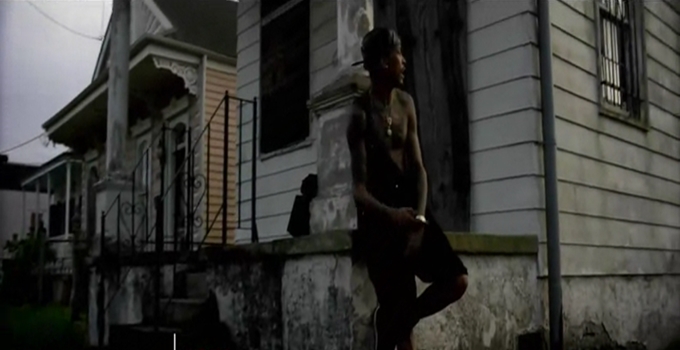
August Alsina has built a career that sits at the intersection of rhythm and blues, soul influenced storytelling, and hip hop inspired attitude. When discussing his connection to hip hop, it is not about him being a traditional rapper, but rather about how deeply hip hop culture shapes his sound, his perspective, and his approach to modern music expression. His track “Hip Hop” reflects that connection in a way that blends vulnerability with streetwise honesty.
From the beginning of his rise in the music industry, August Alsina distinguished himself through emotionally charged songwriting. His music often explores themes of struggle, survival, love, and personal transformation. While his vocal foundation is rooted in rhythm and blues, his lyrical delivery and rhythmic cadence often borrow heavily from hip hop influences. This fusion allows him to speak directly to listeners who appreciate both melodic singing and narrative driven urban music.
The song “Hip Hop” serves as a reflection of that dual identity. Rather than treating hip hop as a genre separate from his artistry, Alsina uses it as a cultural lens through which he expresses his experiences. The track captures the realities of growing up in environments shaped by hardship, ambition, and the desire for success. It is less about glorifying a lifestyle and more about understanding the emotional weight behind it.
One of the defining elements of August Alsina’s approach is his honesty. In “Hip Hop,” he does not shy away from discussing pain, loss, and personal challenges. Instead, he channels those experiences into his vocal performance, creating a sense of authenticity that resonates strongly with listeners. This emotional transparency is one of the reasons his music connects with audiences who value real life storytelling.
Musically, the track incorporates rhythmic patterns and production styles commonly associated with hip hop, including strong beats, layered percussion, and atmospheric instrumentation. However, Alsina’s vocal delivery remains rooted in melody, creating a contrast that enhances the emotional depth of the song. This blending of styles reflects the modern evolution of urban music, where genre boundaries are increasingly fluid.
Hip hop culture itself plays a significant role in shaping the tone of the song. Beyond music, hip hop represents identity, expression, and lived experience. For August Alsina, these elements are essential to his artistry. His work often reflects the influence of artists who came before him, while also adding his own perspective shaped by personal trials and triumphs.
Another important aspect of “Hip Hop” is its focus on storytelling. Alsina uses his lyrics to paint vivid emotional pictures rather than relying solely on catchy hooks or commercial appeal. This narrative approach aligns closely with traditional hip hop values, where lyrical content and authenticity are highly respected. By incorporating these elements into his music, he bridges the gap between R and B melody and hip hop realism.
August Alsina’s vocal style also contributes to the song’s impact. His voice carries a raw emotional texture that enhances the message behind the lyrics. Whether he is singing softly or delivering more intense vocal lines, there is a consistent sense of sincerity in his performance. This helps the listener connect with the emotional core of the track on a deeper level.
The influence of hip hop in Alsina’s work extends beyond sound and lyrics. It also shapes his image, his attitude toward the industry, and his approach to artistic independence. Like many artists influenced by hip hop culture, he emphasizes self expression and resilience. His music often reflects the idea of overcoming obstacles while staying true to oneself.
“Hip Hop” also highlights the broader relationship between R and B and hip hop in contemporary music. These genres have become increasingly interconnected, with artists frequently blending singing and rapping techniques to create hybrid sounds. August Alsina stands within this movement, using his voice to navigate both emotional melody and rhythmic intensity.
Fans of August Alsina often appreciate his willingness to be vulnerable in his music. That vulnerability is especially present in tracks like “Hip Hop,” where personal reflection becomes central to the listening experience. Rather than presenting a polished or idealized version of success, he focuses on real emotions and lived experience.
Ultimately, August Alsina’s connection to hip hop is not defined by genre boundaries but by cultural influence and emotional truth. Through songs like “Hip Hop,” he demonstrates how deeply intertwined music styles can be when rooted in authenticity. His work reflects the evolution of modern urban music, where storytelling, rhythm, and emotional honesty come together to create powerful artistic expression.