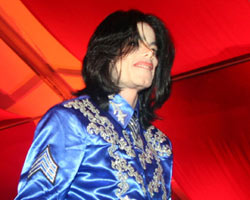
Michael Jackson is reportedly looking toward Las Vegas as a potential place to revive and reimagine his career, a move that reflects both the evolving nature of the entertainment industry and his own long standing reputation as one of the most influential performers in music history. The idea of a Vegas centered return highlights how the city has become a global hub for major residencies, immersive stage productions, and high profile musical reinventions.
Las Vegas has transformed over the years from a traditional touring stop into a destination where artists can build elaborate, long term performance experiences. Instead of short tours that move from city to city, many performers now choose residency formats that allow for consistent staging, advanced production design, and deeper artistic storytelling. For an artist like Michael Jackson, whose performances have always emphasized visual innovation, choreography, and theatrical presentation, the Vegas model offers a fitting environment.
Jackson’s career has long been defined by groundbreaking live performances. From his early days with the Jackson 5 to his record breaking solo tours, he consistently pushed the boundaries of what a stage show could be. His concerts were known for precision choreography, cinematic staging, and a level of production that set new industry standards. The possibility of a Las Vegas revival taps into that legacy, suggesting a space where those creative ambitions could be fully realized.
The concept of a career revival in Las Vegas also reflects broader trends in the music industry. Many established artists use residencies to reconnect with audiences, introduce new material, or reinterpret their catalogs in a controlled and highly produced setting. This format allows for creative experimentation without the logistical demands of global touring, making it an attractive option for artists with extensive catalogs and strong visual identities.
For Michael Jackson, whose influence spans pop, rhythm and blues, and dance music, a Vegas production could serve as both a retrospective and a reinvention. His music catalog includes some of the most recognizable songs in modern history, and a residency format would allow for immersive reinterpretations of those tracks using modern stage technology. This could include advanced lighting design, visual storytelling, and choreographed sequences that reflect both past eras and contemporary aesthetics.
The idea of reviving a career in Las Vegas also carries symbolic weight. The city is often associated with reinvention, where artists can reshape their public image and reconnect with audiences in new ways. For performers with long careers, it offers a controlled environment to showcase evolution while still honoring legacy. In Jackson’s case, it would provide an opportunity to reinforce his status as a global entertainment icon.
Audience interest in such a move would likely be significant. Michael Jackson’s fan base spans multiple generations, and his influence continues to be felt across music, dance, and fashion. A Las Vegas residency would attract longtime fans eager to experience his music in a live setting, as well as newer audiences who have discovered his work through streaming platforms and cultural references.
The entertainment industry has also seen increased interest in legacy acts returning to the stage through innovative formats. Technology now allows for enhanced sound design, visual effects, and stagecraft that were not previously possible. These advancements open creative possibilities for artists seeking to reintroduce their work in refreshed and dynamic ways.
If Michael Jackson were to pursue a Vegas centered revival, the production would likely emphasize storytelling as much as performance. His career has always been closely tied to visual narratives, from iconic music videos to elaborate stage shows. A residency could integrate these elements into a cohesive experience that blends music, dance, and theatrical presentation.
At the same time, any discussion of a career revival must consider the complexity of legacy and public perception. Artists with long and influential careers often carry both admiration and scrutiny, and their return to the stage is viewed through multiple lenses. In Jackson’s case, his cultural impact is undeniable, and any performance centered on his work would be shaped by that enduring influence.
Ultimately, the idea of Michael Jackson turning to Las Vegas represents more than just a potential performance opportunity. It reflects the ongoing evolution of how artists engage with audiences, how legacy is preserved and reimagined, and how entertainment continues to adapt to new formats.
Whether or not such a revival fully materializes, the concept alone underscores the lasting power of Michael Jackson’s artistry and the continued demand for experiences that celebrate his contribution to global music culture.

Since 2005, Singersroom has been the voice of R&B around the world. Connect with us via social media below.