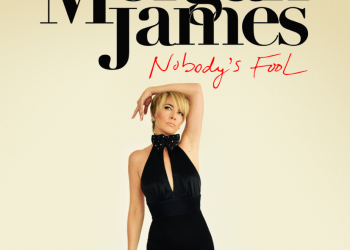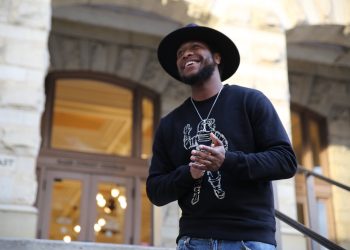
The music industry has long been filled with legal disputes involving songwriting credits, publishing rights, and ownership claims, and now Ann Nesby has found herself at the center of a copyright infringement controversy that is drawing attention throughout the entertainment world. The Grammy Award nominated vocalist, widely respected for her powerful voice and contributions to gospel and rhythm and blues music, is reportedly defending herself against allegations that one of her musical works improperly borrowed from another creator’s material.
The situation has sparked debate among fans, legal analysts, and music professionals, many of whom recognize how common copyright disputes have become in modern entertainment. As artists continue drawing inspiration from decades of musical history, the line between influence and infringement often becomes difficult to define. For Ann Nesby, the allegations represent an unexpected challenge in a career largely associated with uplifting music, soulful performances, and artistic credibility.
Nesby first rose to prominence through her work as the lead vocalist of the gospel infused ensemble Sounds of Blackness before establishing herself as a solo artist. Her emotional vocal style and spiritually rooted performances earned her widespread respect in both gospel and urban contemporary music circles. Over the years, she built a reputation as an artist committed to authenticity, positivity, and musical excellence.
According to reports surrounding the legal matter, the copyright dispute centers on claims that certain elements of a song associated with Nesby bear similarities to previously copyrighted material. Although details regarding the exact composition involved remained limited, the accusations reportedly focus on melodic structure, lyrical phrasing, or musical arrangement. Such claims are not uncommon in the recording industry, where overlapping creative influences frequently lead to legal conflict.
Nesby’s legal team has strongly pushed back against the allegations, maintaining that the artist’s work was created independently and does not unlawfully copy another creator’s intellectual property. Attorneys connected to the defense reportedly argued that similarities in music can naturally occur because many songs rely on common chord progressions, themes, and stylistic traditions shared across genres.
The case quickly attracted attention because of Nesby’s respected standing within the music community. Unlike some celebrity legal battles driven by scandal or sensational headlines, this dispute centered entirely on artistic ownership and creative rights. Supporters of the singer expressed surprise that an artist known for inspirational music and professionalism had become involved in such a public legal disagreement.
Music copyright cases have increased dramatically over the past several decades, particularly as digital technology and streaming services make songs more accessible and easier to compare. Legal experts often point out that modern artists face greater scrutiny because listeners can instantly analyze tracks online and identify perceived similarities between songs from different eras. In some cases, lawsuits emerge even when parallels are relatively minor or potentially coincidental.
For artists like Ann Nesby, these disputes can create both financial and reputational pressure regardless of the final outcome. Copyright lawsuits frequently involve expensive legal proceedings, extensive musical analysis, and intense public discussion. Even when performers ultimately prevail in court, the controversy itself can become a distraction from their artistic work.
Fans defending Nesby emphasized her longstanding dedication to genuine musical expression and questioned whether the allegations reflected the increasingly aggressive nature of copyright litigation in the entertainment business. Some argued that creative inspiration has always been a natural part of music history, especially in genres such as gospel, soul, and rhythm and blues where artists often build upon shared traditions and emotional themes.
At the same time, advocates for stronger copyright enforcement insisted that creators deserve protection for their original work. They argued that songwriters and composers invest significant time and creativity into developing music, making it essential for courts to carefully examine claims of unauthorized use. The dispute surrounding Nesby highlighted the ongoing tension between artistic freedom and intellectual property rights.
Industry insiders also noted how difficult it can be for juries and audiences to fully understand music copyright cases. Unlike straightforward legal disputes involving contracts or physical evidence, infringement claims often rely on technical analysis from musicologists and experts who compare melodies, harmonies, rhythms, and structural elements. Determining whether similarities result from intentional copying or common musical conventions can become highly subjective.
Despite the legal controversy, many supporters continued praising Nesby’s impact on contemporary gospel and soul music. Her career achievements, including Grammy recognition and years of influential performances, remained central to discussions surrounding her legacy. Fans expressed hope that the matter would be resolved fairly without overshadowing the artistic contributions she made throughout her career.
The dispute also served as another reminder of how complicated the modern music industry has become. Artists must navigate not only creative challenges but also legal risks tied to publishing rights, sampling issues, and intellectual property laws. Even respected veterans with decades of professional experience can suddenly find themselves defending their work in court.
Ultimately, Ann Nesby’s defense against the alleged copyright infringement claims became more than a routine legal matter. It reflected broader questions about originality, influence, and ownership within contemporary music culture. As the case continued developing, both supporters and critics watched closely to see how the dispute would shape the public conversation surrounding artistic creativity and copyright protection in the entertainment industry.

Since 2005, Singersroom has been the voice of R&B around the world. Connect with us via social media below.